
Chassis Trailers For Sale
Shop chassis trailers built for containers, tank service, and intermodal hauling. Compare lengths, axle setups, suspension, and payload ratings.
Selling a chassis trailer? List your chassis trailer for sale and reach thousands of commercial buyers.
Chassis Trailers
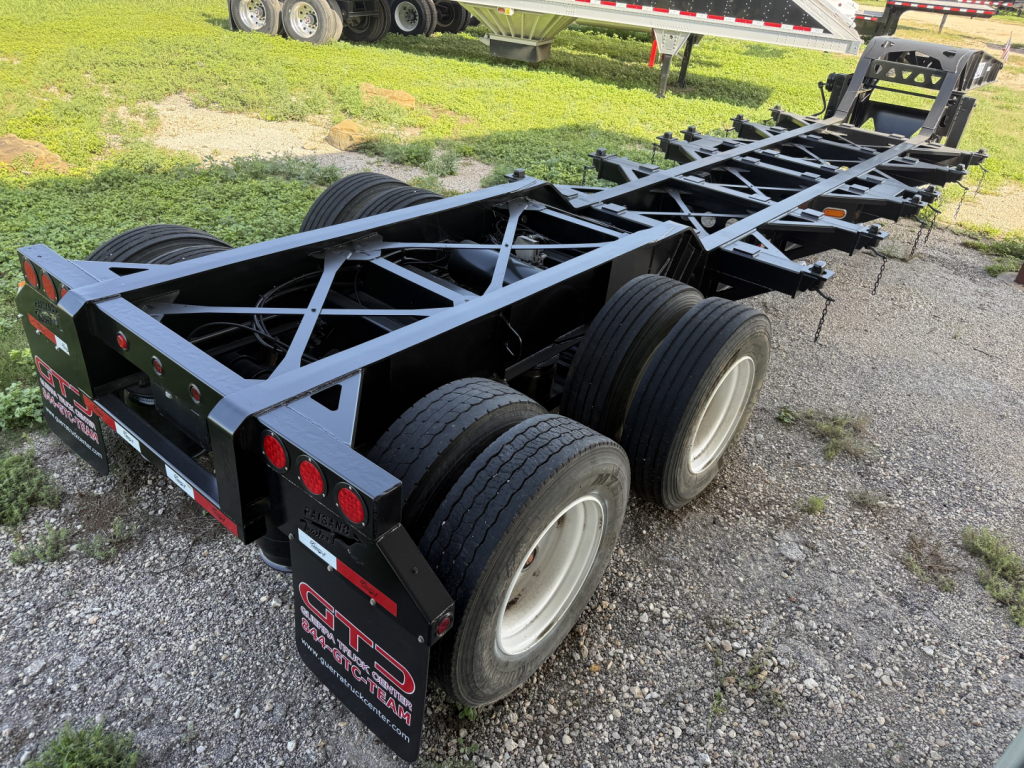
Capacity and running gear are where chassis trailers separate quickly. Standard tandem axle intermodal units are common for container drayage, while tri-axle and heavy-duty chassis are used when axle laws, concentrated container weight, or off-road conditions demand more support. Buyers should pay close attention to GVWR, GAWR, tare weight, suspension type, and tire package. Spring ride remains common because it is simple and durable, but tire inflation systems, auto slack adjusters, LED lighting, and ABS are valuable upgrades on equipment that cycles through terminals and urban traffic. Super singles can reduce weight and perform well in certain mud or yard conditions, while traditional duals may be easier to service in broader fleet use.
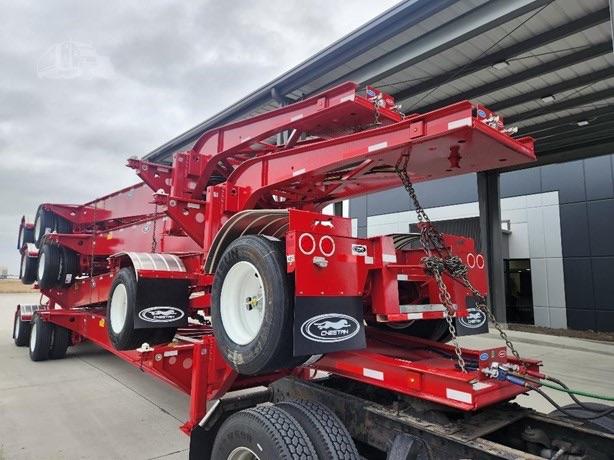
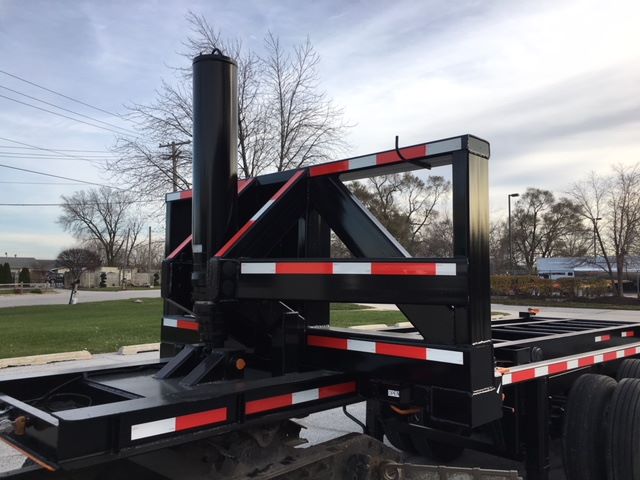
Specialty chassis deserve a closer look because application drives value. ISO tank chassis are built to support tank containers with different center-of-gravity characteristics than standard dry containers, so frame design and securement points are critical. Tipper chassis add hydraulic dump capability, often with an inverted cylinder, for operations unloading scrap, aggregate, or other bulk material from containers. In those applications, structural condition is especially important. Look closely at crossmembers, main rails, slider components, landing gear, locking mechanisms, brake wear, and any evidence of frame repair or corrosion. A chassis may be mechanically sound but still be a poor fit if the container locks, ride height, or axle spread do not align with your operation.
For used chassis trailers, practical inspection points matter more than appearance. Check twist locks for wear, verify slider movement if equipped, inspect airlines and electrical harness routing, and confirm tire age as well as remaining tread. Port and terminal work is hard on brakes, wheels, and lighting, so maintenance history carries real value. If the chassis will see highway miles beyond short dray runs, roadability becomes more important than basic yard readiness. The best chassis trailer is the one that matches the container you haul most often, meets your local bridge and axle requirements, and holds up under the stop-and-go abuse common in intermodal service.
Also known as: Container Chassis, Intermodal Chassis
Frequently Asked Questions about Chassis Trailers
What is a chassis trailer used for?
A chassis trailer is used to haul shipping containers, including dry containers, reefer containers, and ISO tank containers. It provides the frame, axles, suspension, brakes, lighting, and twist locks needed to move a container safely behind a tractor. Chassis trailers are most common in intermodal, port, rail, drayage, tank transport, and containerized bulk operations.
What sizes do chassis trailers come in?
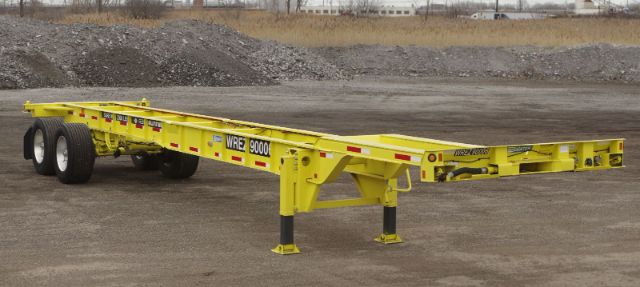
Common chassis trailer configurations are built for 20-foot and 40-foot containers, with some combo or adjustable models designed to handle multiple container lengths. Specialized units are available for ISO tank containers and tipper applications. The correct size depends on the container length, weight concentration, twist lock placement, and axle laws in the areas where the trailer will operate.
What should I check on a used chassis trailer before buying?
The most important inspection points are frame condition, corrosion, crossmembers, twist locks, brake system condition, tire age and wear, suspension components, lighting, and slider function if the chassis has a sliding axle setup. Buyers should also confirm kingpin setting, GVWR, GAWR, and title status. On specialty units like tank chassis or tipper chassis, inspect hydraulic components, cylinder mounts, and any stress cracking around high-load areas.
What is the difference between a standard intermodal chassis and an ISO tank chassis?
A standard intermodal chassis is built mainly for dry or refrigerated shipping containers, while an ISO tank chassis is designed specifically for tank containers that carry liquid or gas products. ISO tank loads can have different weight distribution and center-of-gravity characteristics, so the chassis frame, securement points, and support layout are designed around that application. Matching the chassis to the container type is important for safety, legal loading, and handling.
Are tri-axle chassis trailers better than tandem axle chassis?
Tri-axle chassis trailers are not automatically better, but they can be the right choice for heavier containers, concentrated loads, or routes with bridge and axle restrictions that require weight to be spread across more axles. Tandem axle chassis are more common, lighter, and often simpler to maintain for standard drayage work. The better setup depends on payload, local regulations, operating terrain, and how often the trailer runs loaded versus empty.