
Wabash Cargo Van Trailers For Sale in Texas
Browse Wabash cargo van trailers for sale in Texas. Compare 53-foot dry vans, specs, trailer construction, doors, floors, and axle setups.
Selling a wabash cargo van trailer? List your wabash cargo van trailer for sale and reach thousands of commercial buyers.
Wabash Cargo Van Trailers in Texas
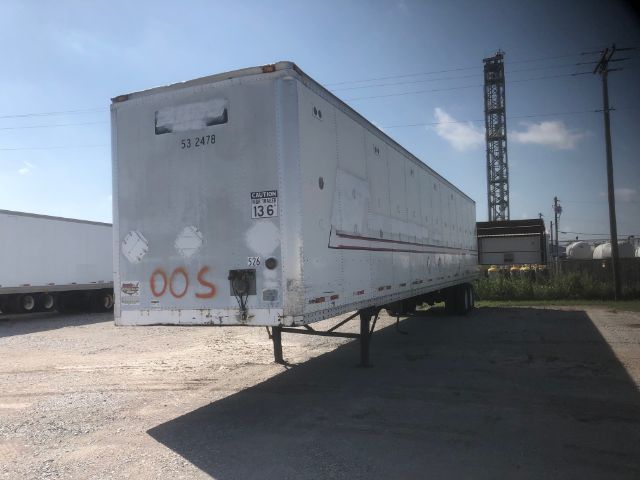
Construction details matter more than the nameplate. On a used Wabash van trailer, buyers typically look closely at roof condition, sidewall repairs, rear frame integrity, floor wear, and door operation. Plate trailers and sheet-and-post designs each have their place depending on how the trailer has been used. Flooring is a major checkpoint because forklift traffic, moisture, and concentrated pallet weights can shorten remaining life. Swing doors are common and easy to service, while roll-up doors can be useful in certain dock environments but add weight and reduce clear rear opening. Suspension type, axle brand, wheel-end condition, tire wear pattern, and brake setup also tell you a lot about how the trailer has been maintained.
Texas buyers often need a dry van that can handle long interstate runs, heavy heat exposure, and frequent dock work in distribution lanes tied to Dallas-Fort Worth, Houston, San Antonio, Laredo, and the I-35 corridor. In that environment, practical spec choices include durable floors, good door seals, sound roof bows, and clean undercarriage structure. Trailer tare weight matters if you are chasing payload, while logistics fleets may focus more on dock compatibility, durability, and ease of repair. It is also worth checking kingpin setting, tandem slide function, and overall dimensions if the trailer will move through different shipper yards and state bridge formulas.
A Wabash cargo van trailer is usually a fit for fleets and owner-operators hauling dry freight that does not require temperature control. The category is simple on paper, but the best buying decision comes from matching trailer condition and spec to lane, loading method, and freight type. If your operation depends on frequent forklift loading, pay extra attention to floor rating and floor repairs. If detention and drop-and-hook time matter most, focus on door condition, ICC bumper integrity, lighting, ABS status, and signs of frame or crossmember fatigue. A clean dry van with a straight structure and serviceable running gear can stay productive for years in regional or over-the-road service.
Frequently Asked Questions about Wabash Cargo Van Trailers in Texas
What is a Wabash cargo van trailer used for?
A Wabash cargo van trailer is used for dry freight that needs enclosed, weather-protected transport. Common loads include palletized consumer goods, packaged food that does not require refrigeration, paper products, retail shipments, auto parts, and boxed industrial freight. It is one of the most versatile trailer types in trucking because it works well for dock loading, drop-and-hook operations, and long over-the-road lanes.
What size is a typical Wabash dry van trailer?
The most common configuration is a 53-foot long by 102-inch wide trailer. That size is standard for much of the general freight market because it maximizes cubic capacity and shipper compatibility. Older trailers and some niche applications may use different lengths, but 53x102 is the baseline spec most buyers compare first in the cargo van category.
What should I inspect first on a used Wabash cargo van trailer?
Start with the floor, roof, sidewalls, rear frame, doors, and undercarriage. Floor condition is critical because repeated forklift loading can damage boards, fasteners, and crossmembers. Check for roof leaks, patched side panels, cracked welds, bent rails, worn door hardware, tandem slide issues, uneven tire wear, and brake or wheel-end service needs. These areas usually tell you more about remaining value than paint or cosmetic appearance.
Are Wabash cargo van trailers good for Texas freight lanes?
Yes, dry van trailers are well-suited for Texas freight because they handle a wide mix of consumer, industrial, and cross-border freight moving between major distribution markets. In Texas, heat, highway mileage, and heavy dock use make condition and maintenance especially important. Buyers should pay attention to seal integrity, roof condition, tire health, brake performance, and structural wear if the trailer will run long distances or high-cycle distribution work.
What is the difference between a cargo van trailer and a refrigerated trailer?
A cargo van trailer, or dry van, is designed for enclosed freight that does not need active temperature control. A refrigerated trailer has insulated walls and a reefer unit to maintain a set temperature for perishable or sensitive cargo. Dry vans are generally lighter, simpler, and less expensive to maintain, which makes them the standard choice for general freight that only needs security and weather protection.