
Wabash Cargo Van Trailers For Sale
Browse Wabash cargo van trailers with specs on 53-foot dry vans, widths, floors, doors, axle setups, and freight-ready features buyers compare.
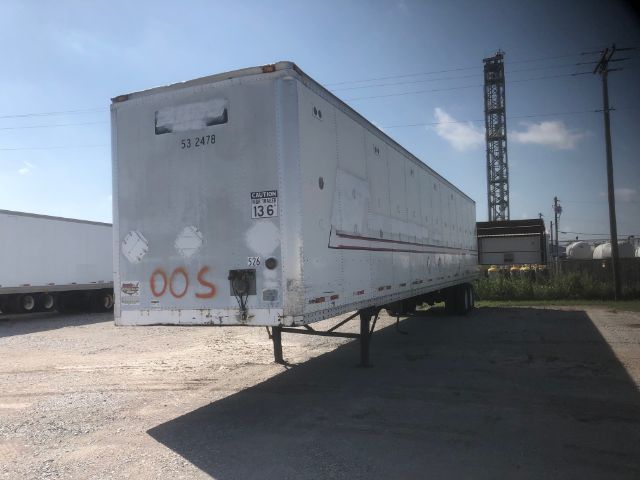
Selling a wabash cargo van trailer? List your wabash cargo van trailer for sale and reach thousands of commercial buyers.
Wabash Cargo Van Trailers
The spec decisions that matter most usually start with body condition and floor life. A used Wabash dry van with a sound roof, straight sidewalls, solid rear frame, and a floor that is not soft or heavily patched will usually be more valuable than a similar trailer with cosmetic appeal but structural wear. Buyers should also look closely at door type, rear sill condition, landing gear, suspension, wheel-end history, and signs of crossmember corrosion. Inside the trailer, scuff liner condition, logistics posts, interior width between liners, and previous forklift damage can tell you a lot about how the trailer was worked.
Wabash is well known in the van trailer market, and many units are spec'd for high-volume over-the-road service. Common features can include aluminum roofs, plate or sheet-and-post construction, air-ride or spring suspension, slider tandems, and standard dock-height dimensions that fit broad freight demand. For fleets moving dense freight, tare weight becomes important. For multi-stop delivery, rear door style, threshold wear, and ease of dock sealing may carry more weight. If the trailer will run in strict bridge-law states or mixed regional lanes, tandem slide range and kingpin setting should be verified along with axle spread and tire condition.
A Wabash cargo van trailer, also known as a dry van trailer, is usually evaluated on total cost per loaded mile, not just purchase price. Maintenance records, FHWA inspection status, age-related roof and seam sealing, brake condition, and evidence of prior trailer tracking issues are all worth checking before purchase. For buyers comparing multiple listings, the best fit often comes down to freight profile: light cube freight, retail freight, packaged consumer goods, or general palletized freight all place different demands on floor strength, interior condition, and axle configuration.
Frequently Asked Questions about Wabash Cargo Van Trailers
What is a Wabash cargo van trailer used for?
A Wabash cargo van trailer is used for dry freight that needs enclosed, weather-protected transport. Typical applications include palletized consumer goods, retail freight, packaged products, paper loads, and general dock freight. It is one of the most common trailer types in over-the-road and regional service because it offers high cubic capacity and broad freight compatibility.
What specs should buyers check first on a used Wabash dry van trailer?
The first areas to inspect are the floor, roof, sidewalls, rear frame, suspension, brakes, and axle setup. A dry van can look clean outside and still have expensive structural issues underneath, especially in the crossmembers, rear sill, and floor. Buyers should also confirm trailer length and width, tandem slider operation, door condition, tire wear, wheel-end service history, and any signs of impact damage from docks or forklifts.
Are most Wabash cargo van trailers 53 feet long and 102 inches wide?
Yes. The most common Wabash dry van configuration on the used market is 53 feet long by 102 inches wide with tandem axles. That size is standard for general freight because it maximizes legal cargo space for many lanes and works well with standard shipping docks. Older or specialized units may vary, but 53x102 remains the dominant spec buyers compare.
What floor type is common in a cargo van trailer, and why does it matter?
Wood floors are common in cargo van trailers, though some units may use composite or laminated systems. Floor type matters because forklift traffic, concentrated pallet weight, and moisture exposure all affect service life. A solid floor with minimal patching is important for safety, loading efficiency, and long-term maintenance cost, especially in trailers used for repeated dock loading.
How do I know if a Wabash cargo van trailer is suited for my freight lanes?
Start with the freight itself, then match the trailer to the work. Dense freight may require close attention to tare weight, floor rating, and axle positioning, while light cube freight may put more value on interior volume and clean wall condition. Regional and bridge-law-sensitive routes may require careful review of tandem slide range, kingpin setting, and overall axle configuration to make sure the trailer can be legally and efficiently loaded.