
Cargo Van Trailers For Sale
Compare cargo van trailers for freight, retail, paper, and food applications. Learn key dry van specs, trailer options, and buying points.
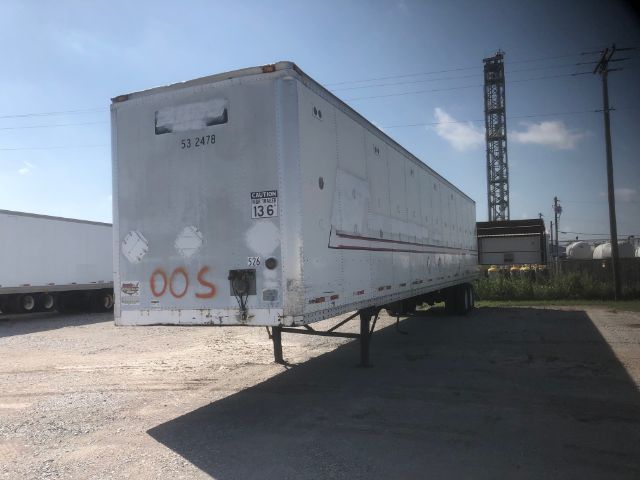
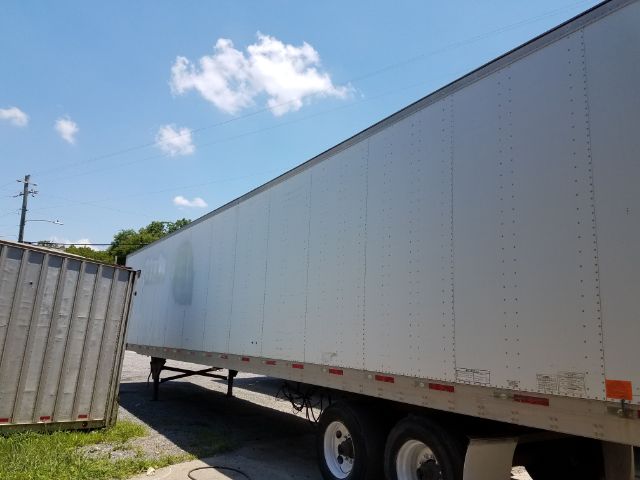

Selling a cargo van trailer? List your cargo van trailer for sale and reach thousands of commercial buyers.
Cargo Van Trailers
Interior spec matters as much as age. A buyer should look closely at wall construction, post spacing, floor condition, roof design, and cargo securement. Composite sidewalls can reduce weight and resist damage differently than sheet-and-post or plywood-lined designs. Hardwood floors remain common because they handle forklift traffic well, but floor wear, patched sections, and moisture damage deserve a close inspection. E-track, logistic posts, scuff liners, and food-grade interiors can make a major difference depending on the freight. Rear door style also affects operation. Swing doors are common for dock work and seal security, while roll-up doors can help in route delivery but add weight and reduce interior cube slightly.
Running gear and suspension are the next major buying decisions. Many dry vans are tandem axle trailers with either fixed or sliding tandems, and the slider gives more flexibility for bridge laws, kingpin-to-rear axle requirements, and dock positioning. Common specs include air ride or spring ride suspension, 11R22.5 tires, steel or aluminum wheels, LED lighting, and automatic slack adjusters. Buyers should verify brake life, drum or rotor condition, tire match, recap history, wheel-end condition, and the overall state of the suspension. Kingpin setting, crossmember spacing, and roof bow condition also matter, especially if the trailer will run heavy freight or spend a lot of time in high-cycle loading operations.
A good cargo van trailer should match the freight profile and the lanes it will run. A carpet-spec trailer with wider post spacing may suit lighter cube freight, while a paper-spec trailer with closer centers and stronger floor support is better for concentrated pallet weight. Food and beverage operations may want cleaner interiors and specific wall or floor setups for washout standards. For used dry vans, pay attention to signs of sidewall delamination, floor soft spots, corrosion at rear frames and crossmembers, door frame damage, and evidence of trailer sway or impact. The right trailer in this class is usually defined less by brand name and more by structural condition, maintenance history, and whether the trailer spec fits the freight you haul every day.
Also known as: Dry Van Trailer, Van Trailer, Box Trailer
Frequently Asked Questions about Cargo Van Trailers
What is the difference between a cargo van trailer and a dry van trailer?
In most trucking markets, cargo van trailer and dry van trailer mean the same thing. Both terms refer to an enclosed semi-trailer designed to haul freight protected from weather and theft. Buyers usually use dry van more often in fleet and shipper conversations, while cargo van appears on some marketplace listings and title records.
What length and axle setup are most common for cargo van trailers?
The most common configuration is a 53-foot, 102-inch wide tandem axle trailer. Many are built with sliding tandems because that setup gives better flexibility for weight distribution, bridge law compliance, and state axle regulations. Shorter lengths do exist, but 53-foot tandems dominate over-the-road and large distribution work.
How do I choose between composite, plywood-lined, and sheet-and-post trailer construction?
The right wall construction depends on the freight and the abuse level. Composite trailers can save weight and often present a clean interior, but damage patterns and repair methods differ from traditional designs. Plywood-lined trailers can be useful where wall protection matters. Sheet-and-post construction is still common in heavier-duty applications because it can offer strong structural support, especially when paired with paper-spec floors and closer post spacing.
What should I inspect first on a used cargo van trailer?
Start with the floor, rear frame, doors, roof, suspension, brakes, and tires. Floor integrity is critical because forklift traffic exposes weak spots quickly. Rear frame corrosion, door seal condition, and roof leaks can turn into expensive repairs. It is also smart to inspect crossmembers, slider rails, wheel ends, lights, ABS function, and signs of prior structural damage before focusing on cosmetic appearance.
What trailer spec is best for paper, retail, or food-grade freight?
Paper freight usually calls for a heavier-duty spec with stronger floors and closer crossmember or post spacing because pallet weight is concentrated. Retail and general dry freight often work well in standard dry van configurations with logistic posts or E-track for load securement flexibility. Food-grade freight typically requires a cleaner interior condition, good odor control, intact lining, and a trailer that can meet the shipper's washout and sanitation expectations.