
2023 Trailers For Sale in Pennsylvania
Shop 2023 trailers for sale in Pennsylvania, including dry vans and flatbeds with common specs, applications, axle setups, and fleet-ready features.
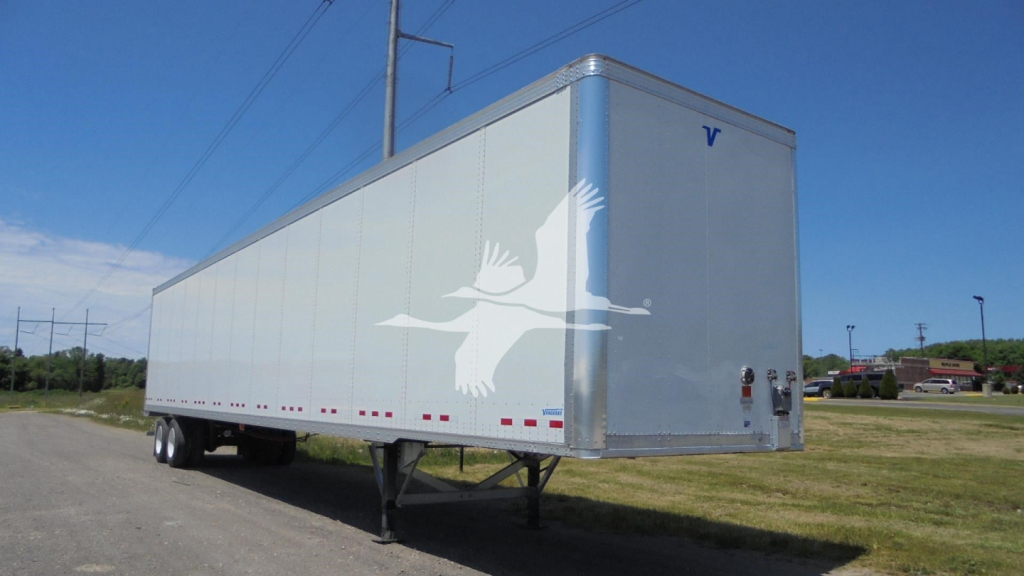
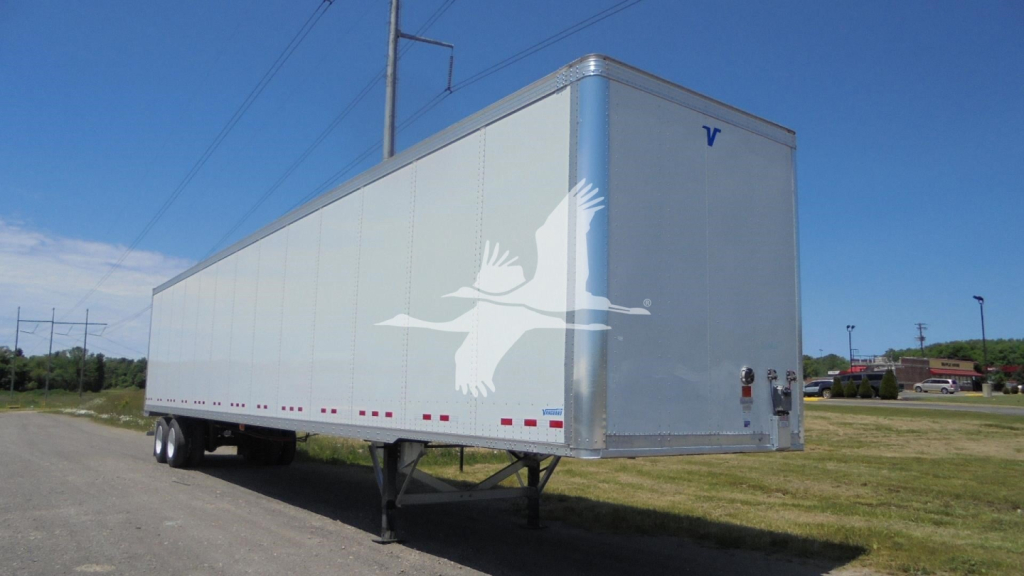
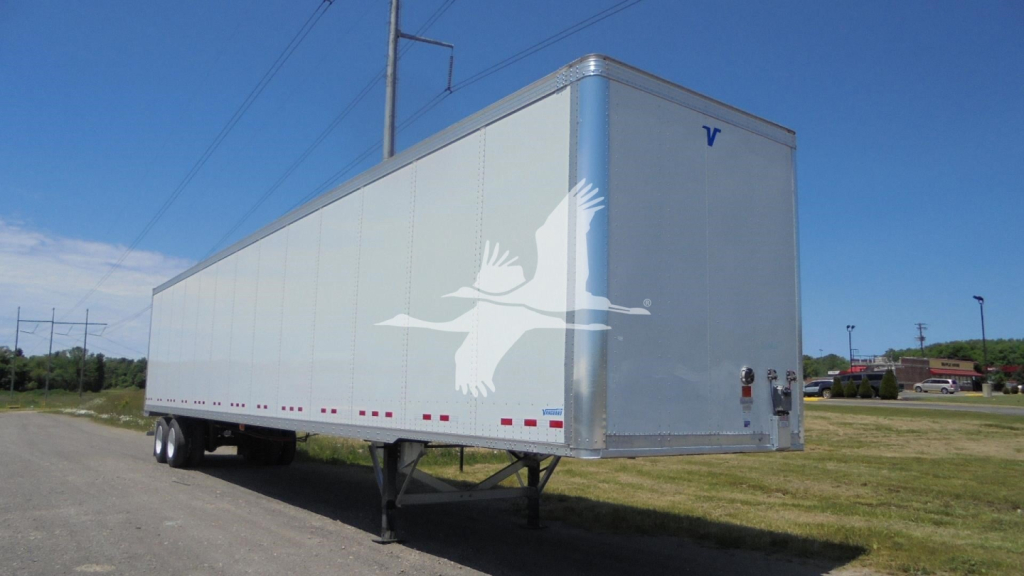
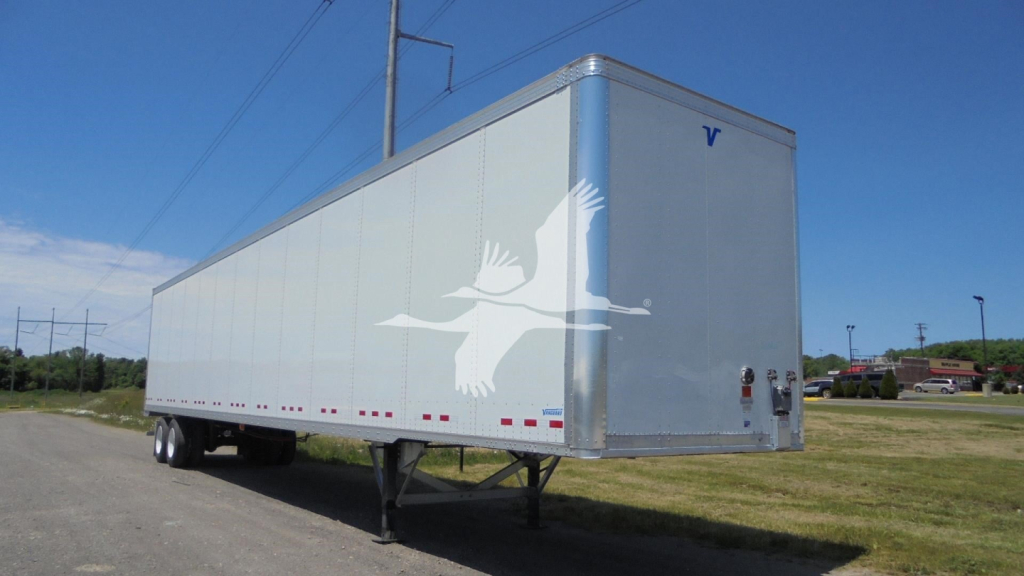
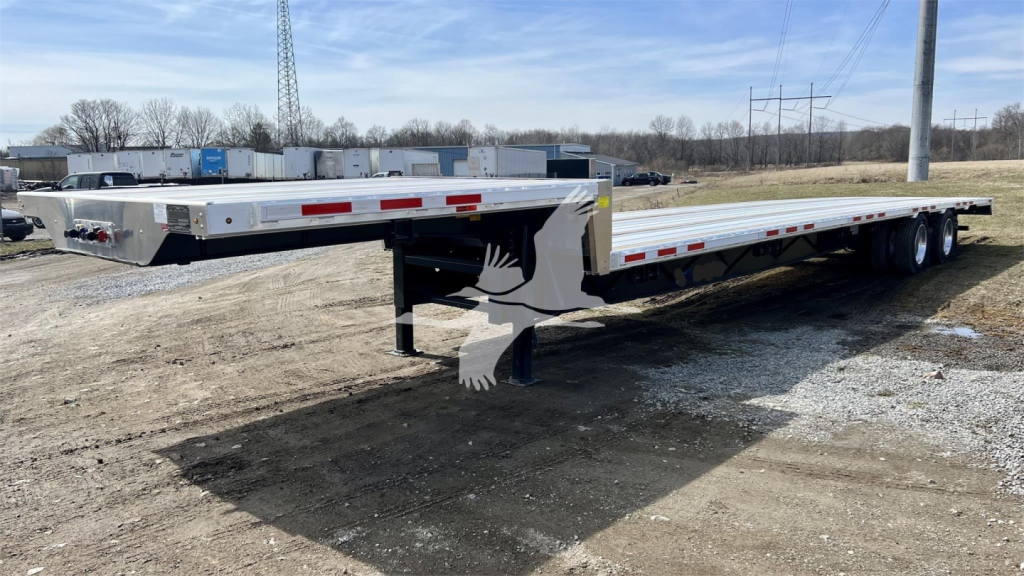
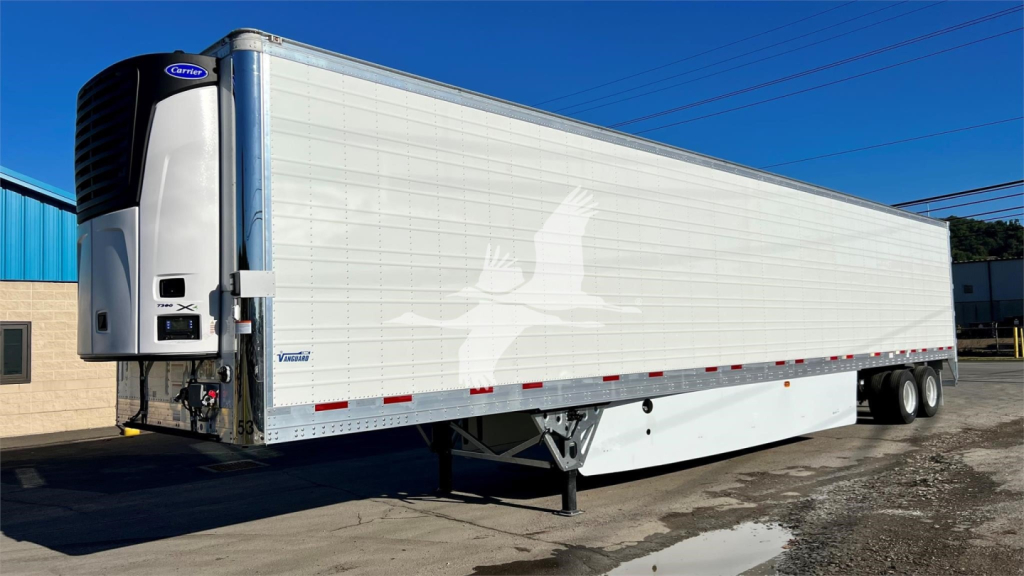
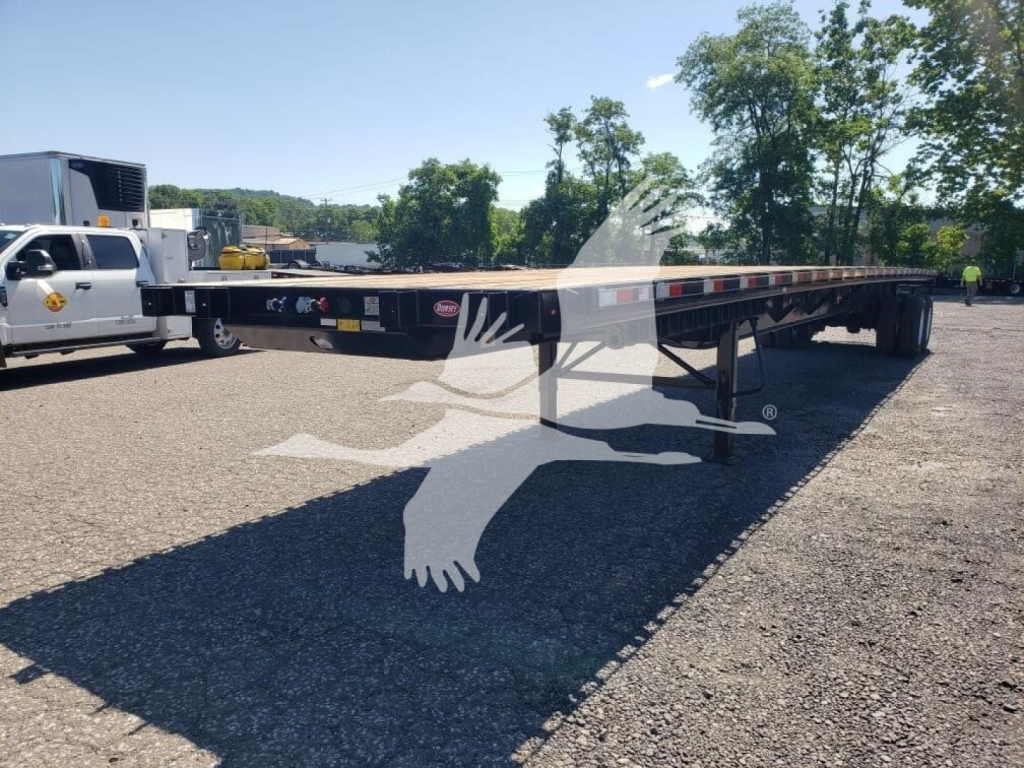
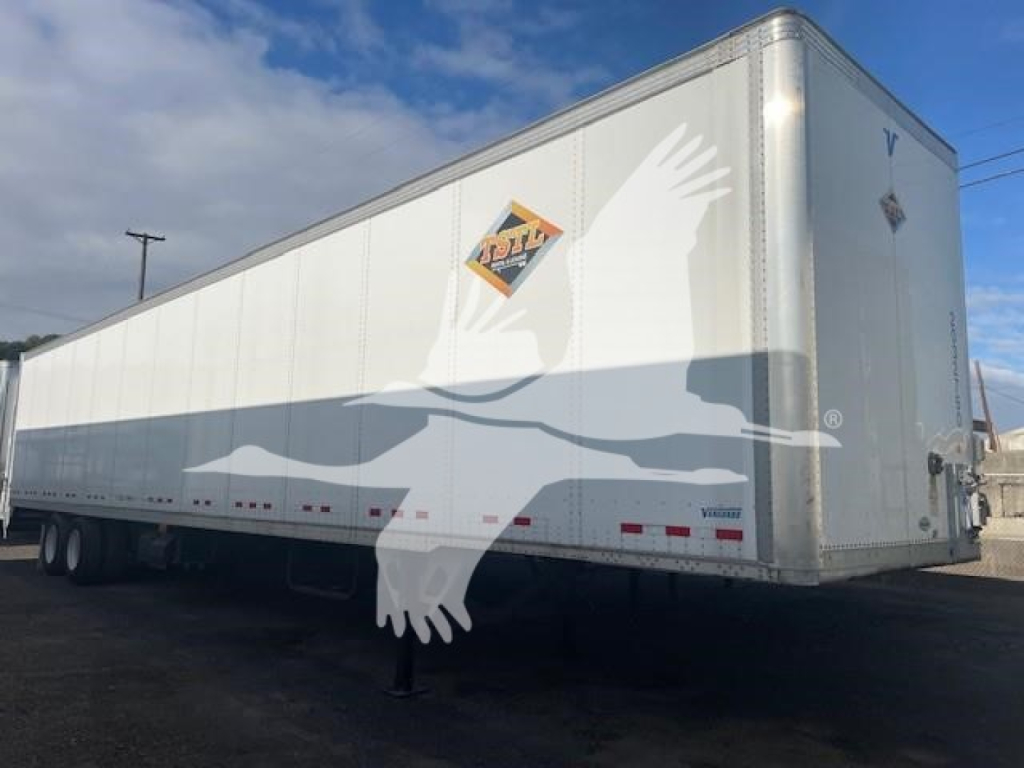
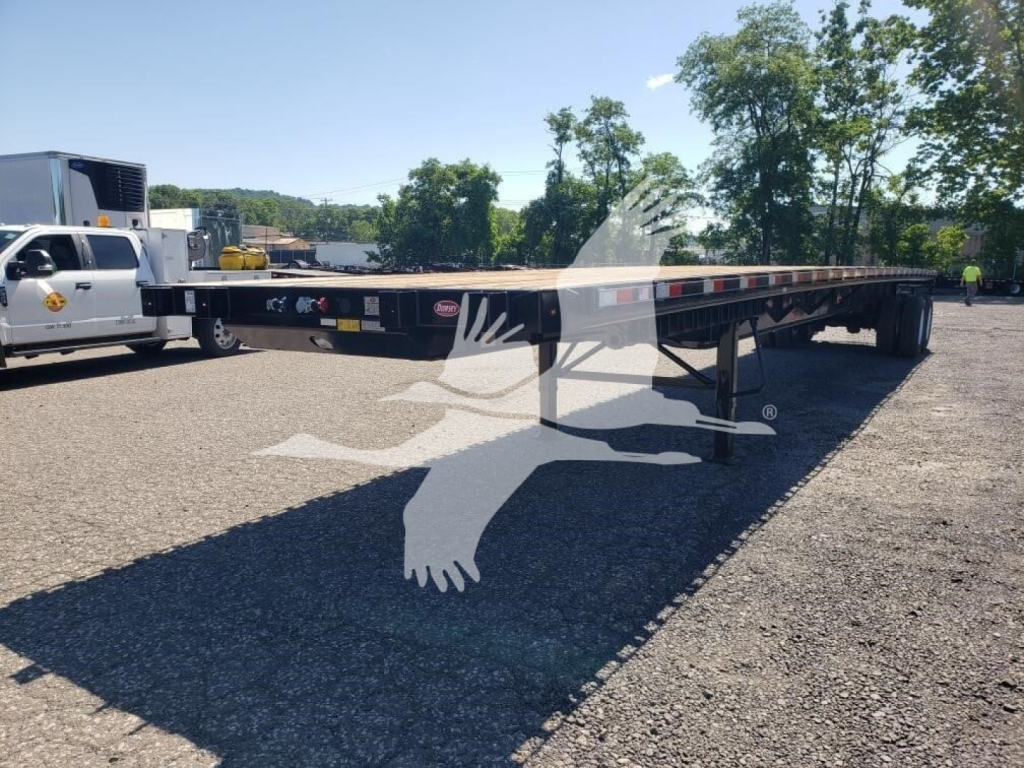
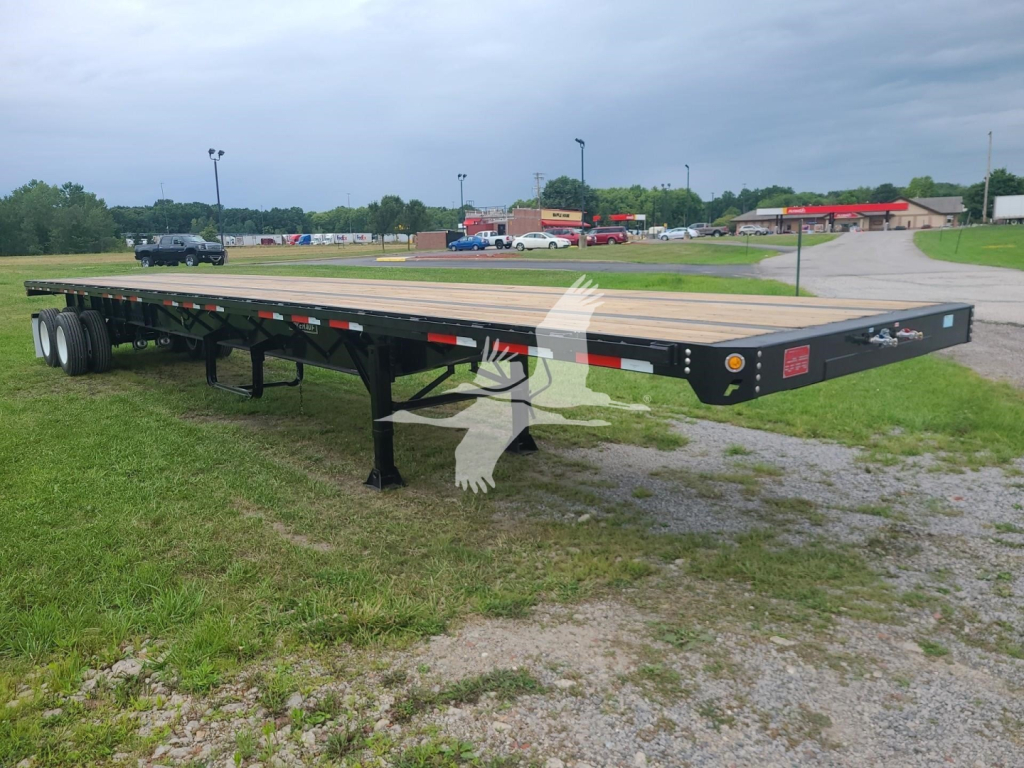

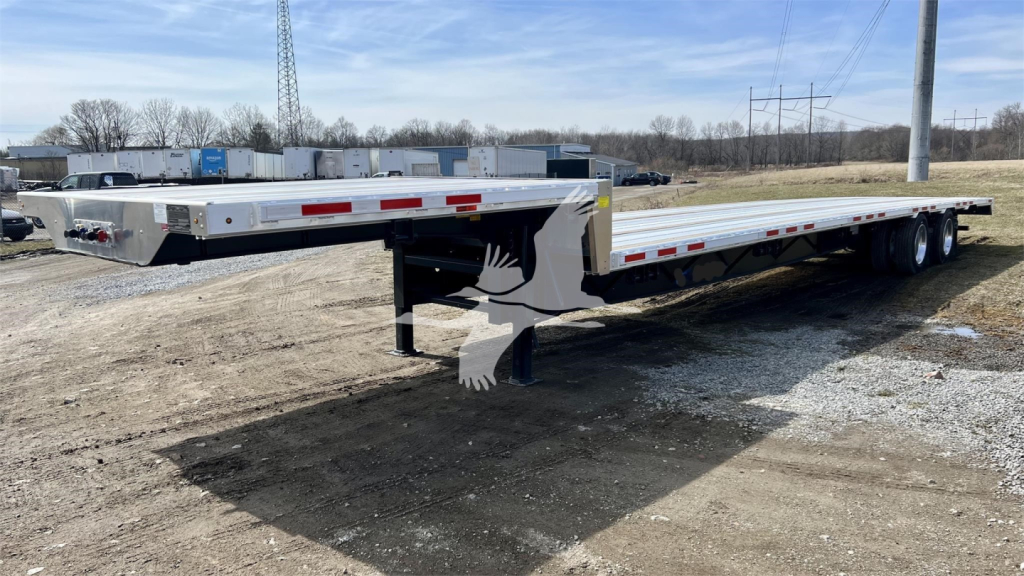
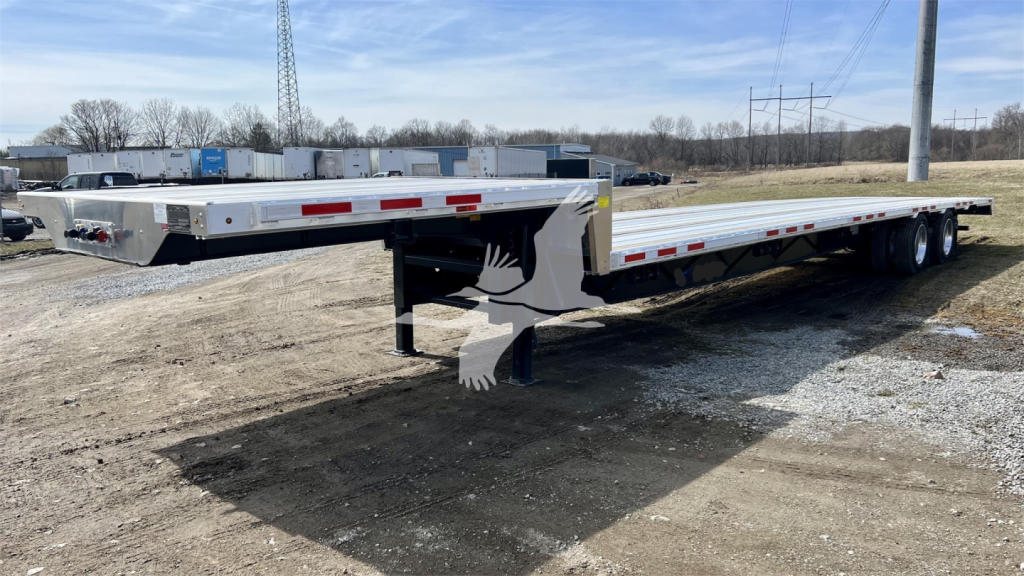
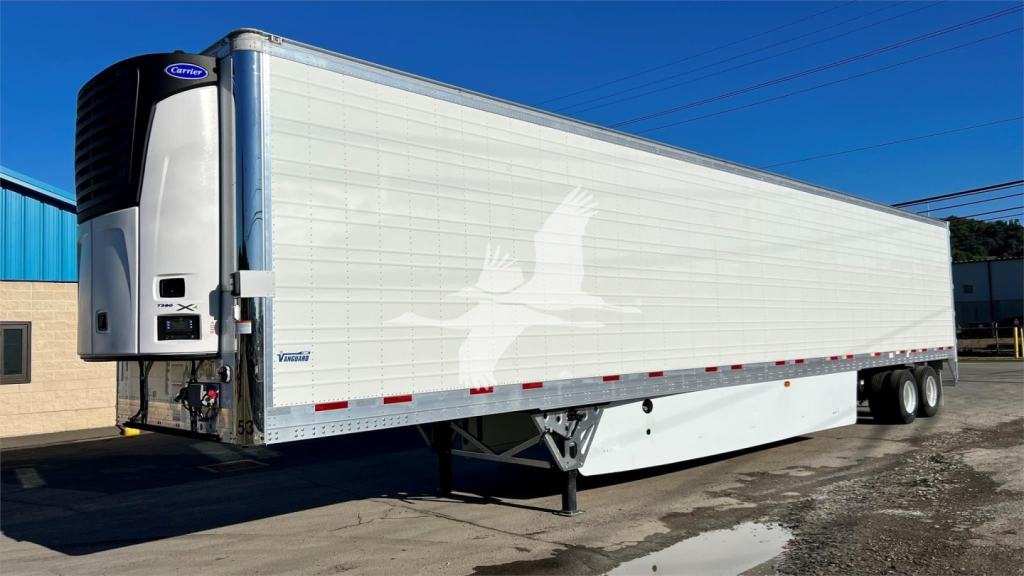
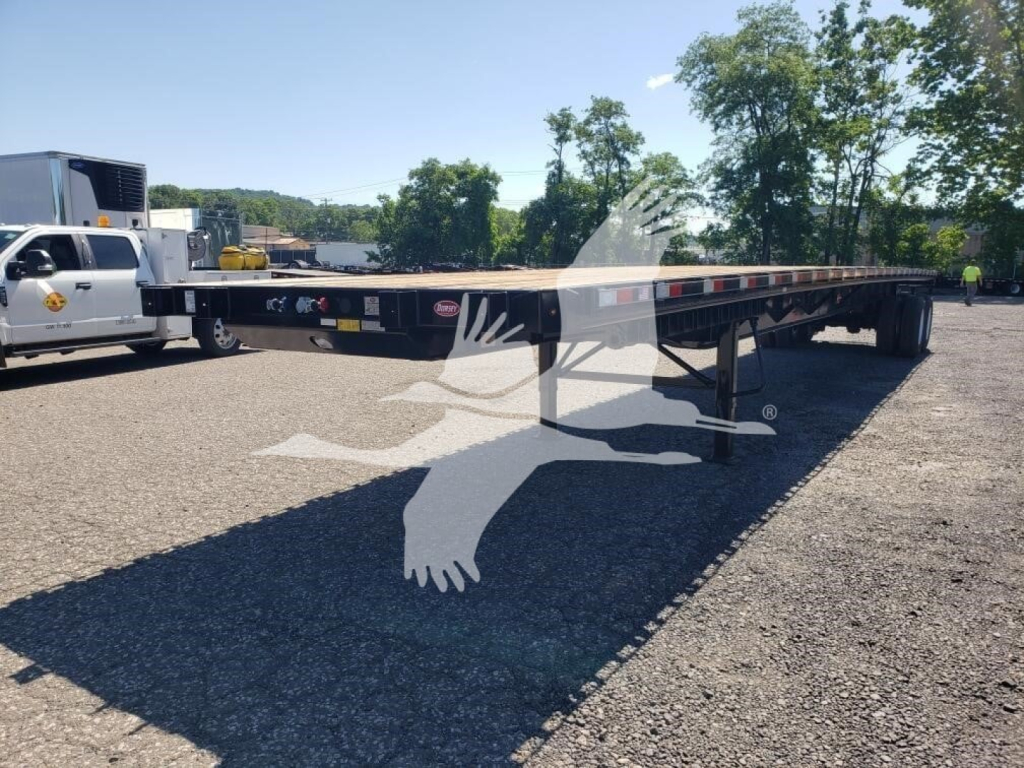
Showing 25 to 48 of 56 results
Have 2023 trailer to sell? List it here to reach thousands of buyers.
2023 Trailers in Pennsylvania
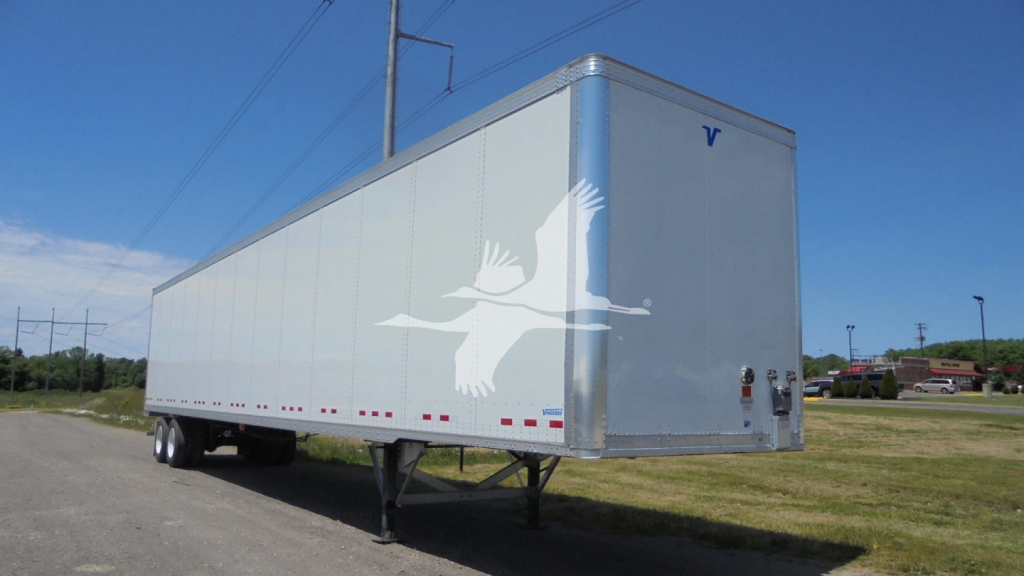
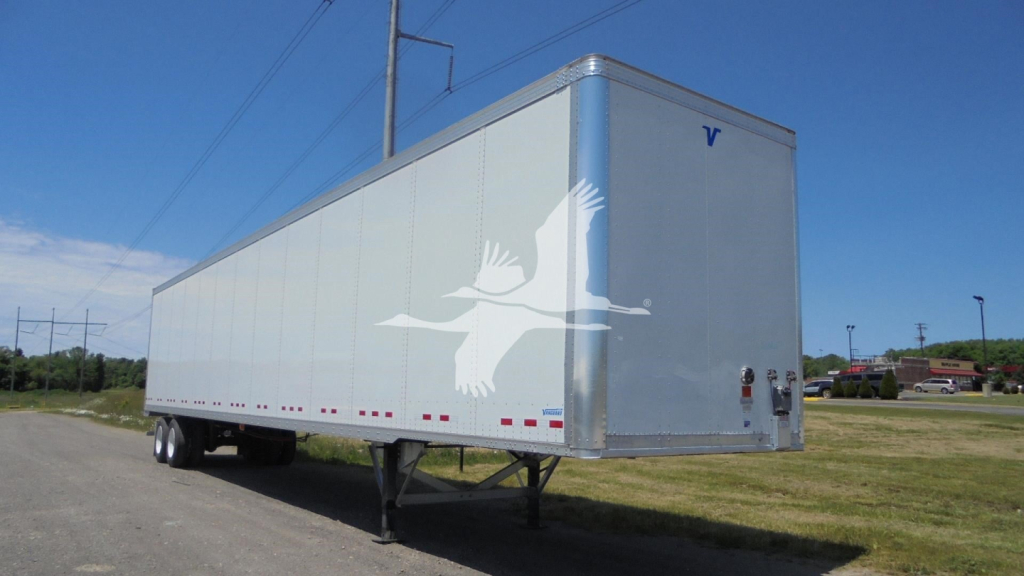
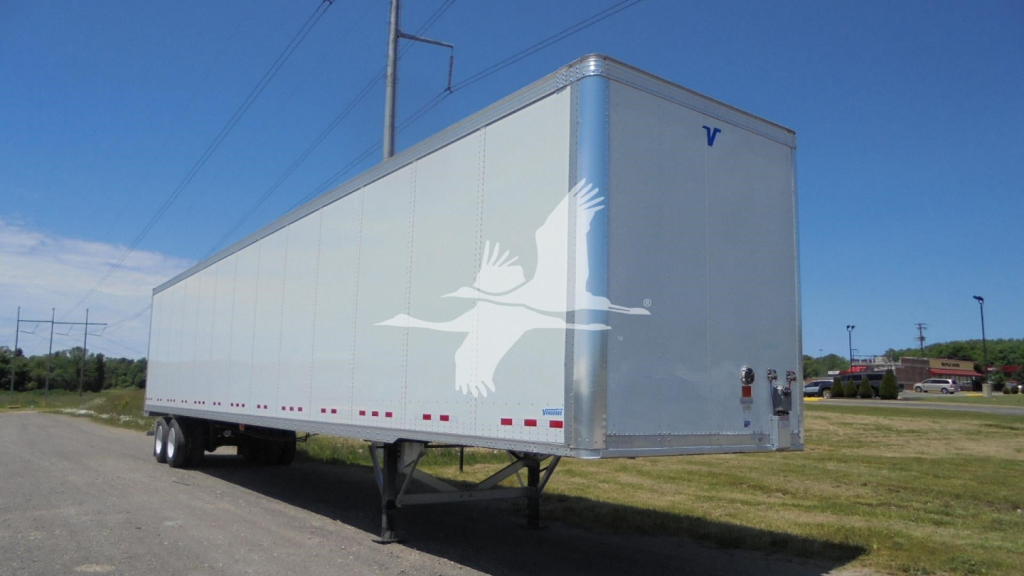
For dry van buyers, the details that affect daily use are usually inside dimensions, sidewall construction, floor spec, and rear access. Many late-model vans use composite or plate sidewalls, galvanized rear frames, anti-snag roof bows, and laminated hardwood floors with tight crossmember spacing. Logistics posts on 24-inch or 48-inch centers matter if the trailer will see changing pallet patterns or retail freight. Scuff liners, nose lining, and full-width threshold plates help if the trailer will spend time at busy docks with heavy forklift traffic. In Pennsylvania freight lanes, air ride suspension and a dependable sliding tandem setup are especially important for bridge-law compliance, dock approach angles, and smoother handling on rougher secondary roads.
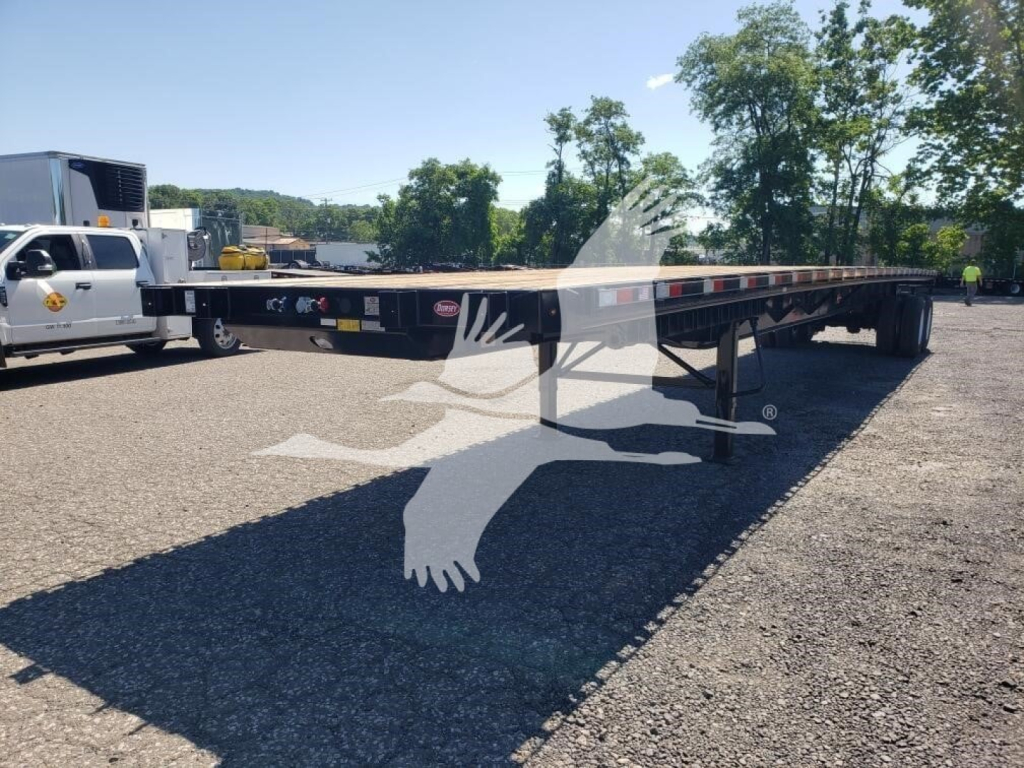
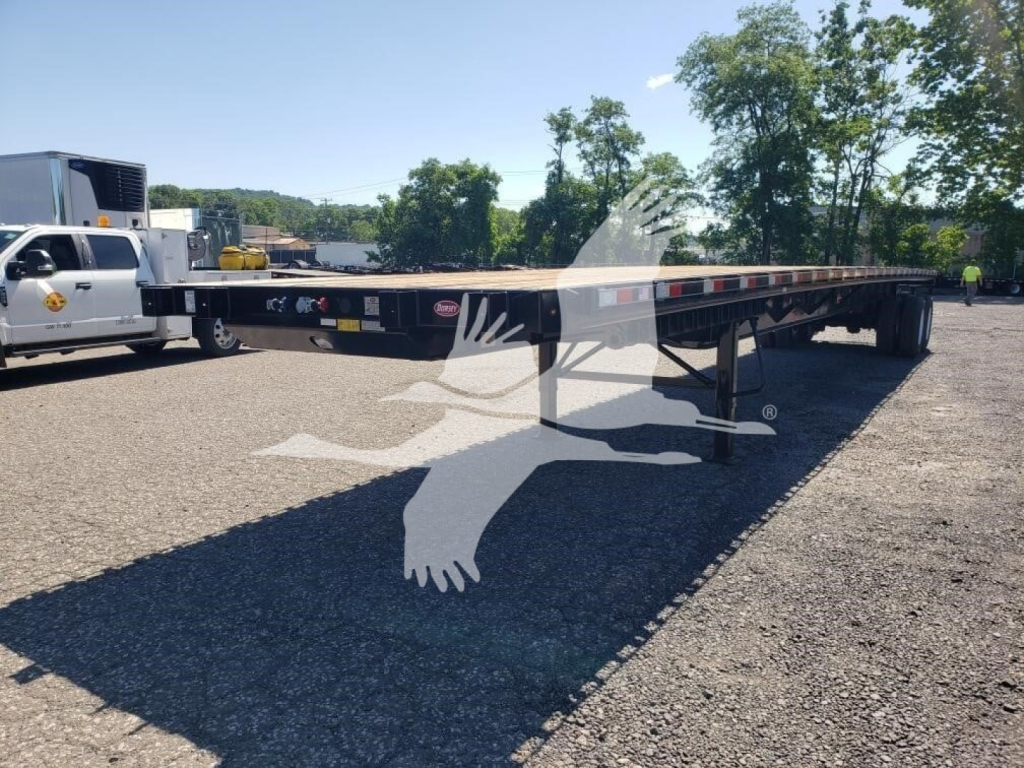
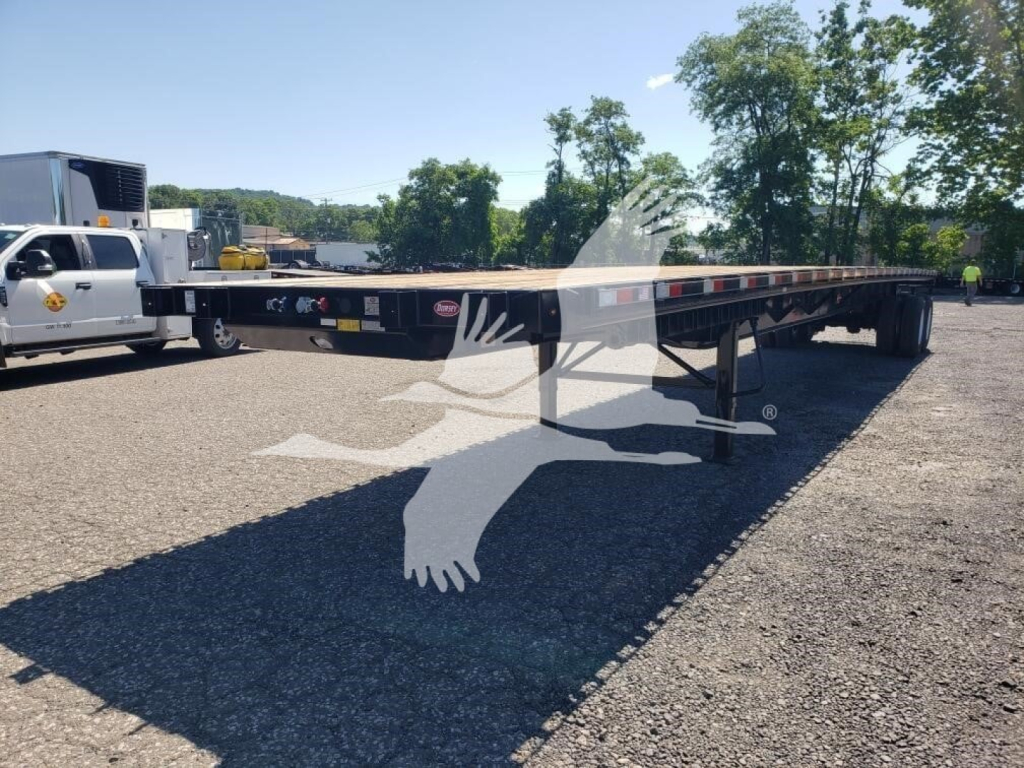
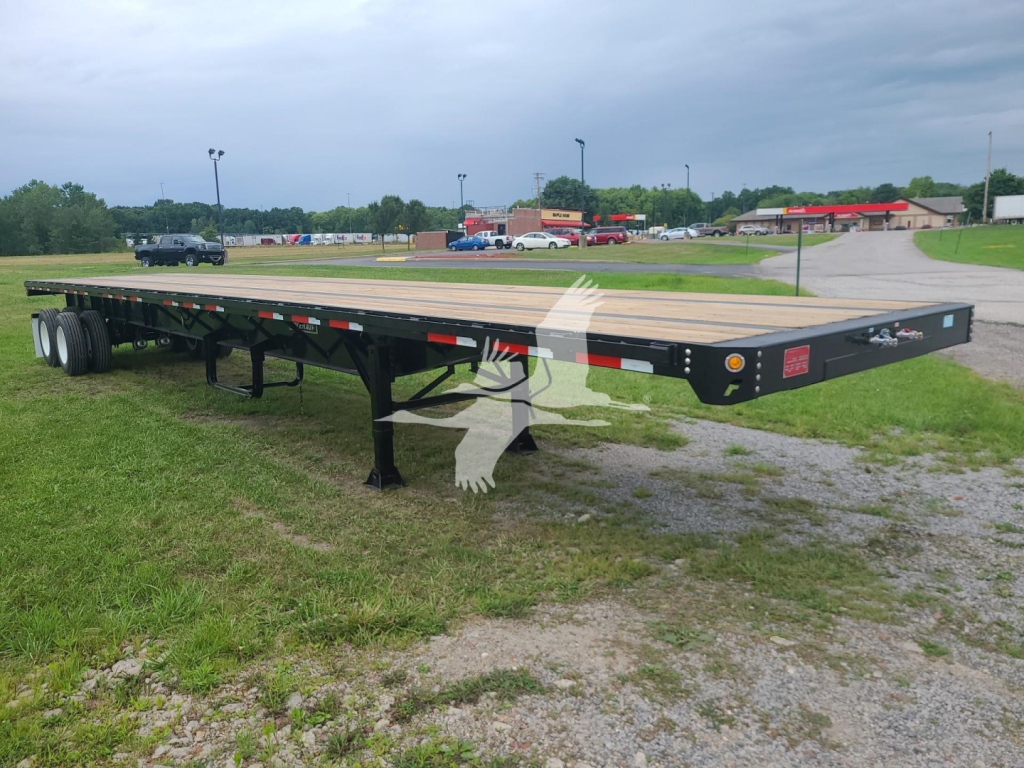
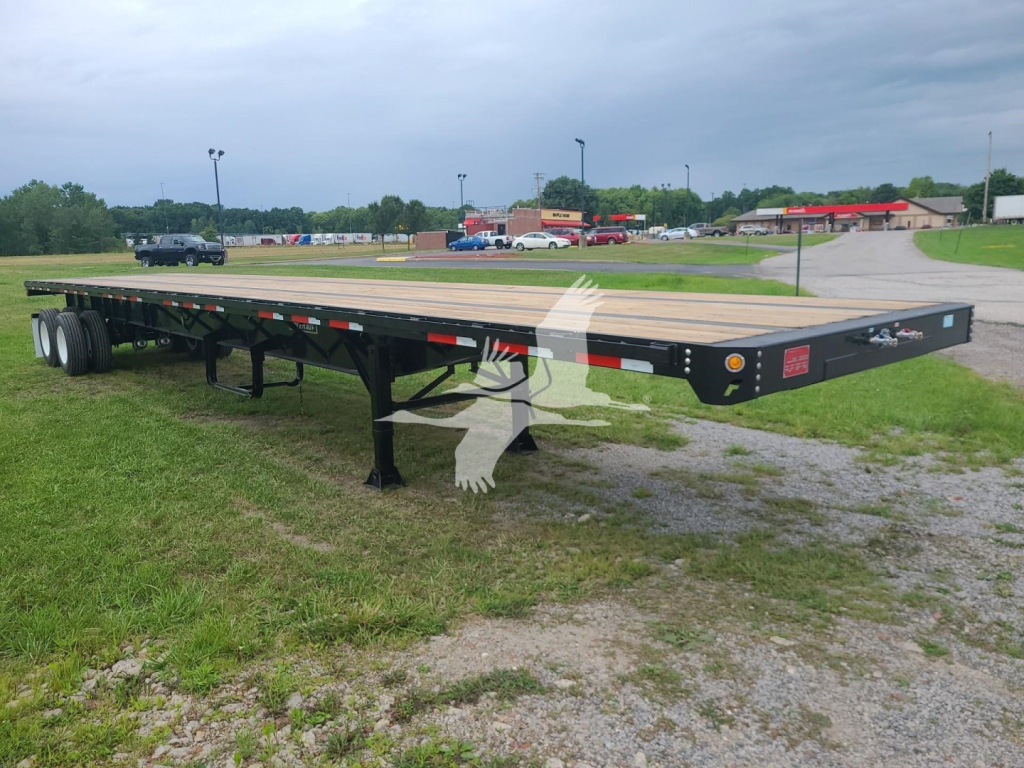
Flatbed buyers should pay close attention to trailer weight, concentrated load ratings, and deck configuration. An aluminum flatbed can offer a strong payload advantage, but the real buying decision comes down to how it is equipped. Nail strips, pipe spools, side rails, winch tracks on both sides, and enough sliding winches for your freight mix will matter more than cosmetic appearance. Coil packages, extra crossmembers, tire inflation systems, and disc brakes can be valuable on higher-mileage regional or heavy commodity work. Fixed spread and tandem axle layouts each have their place, so the right choice depends on your loading pattern, turning environment, and bridge requirements.
When comparing 2023 trailers for sale, focus on the specs that match your freight first, then evaluate maintenance-related features. Check kingpin setting, suspension brand, brake type, tire size, landing gear spec, rear frame construction, and any corrosion protection if the trailer has spent time in road-salt conditions. A newer trailer year can bring updated suspension components, better trailer tracking, improved dock durability, and more fleet-standard safety equipment, but the best value still comes from buying the right body style and configuration for the lanes you run.
Frequently Asked Questions about 2023 Trailers in Pennsylvania
What types of 2023 trailers are most common in Pennsylvania?
Dry van trailers and flatbed trailers are among the most common 2023 trailer types seen in Pennsylvania. Dry vans are widely used for general freight, retail, warehousing, and distribution work, while flatbeds are common in steel, construction materials, machinery, and building product lanes. The right category depends on your freight, loading method, and how often you need dock loading versus side or crane loading.
What specs matter most on a 2023 dry van trailer?
The most important dry van specs usually include length, width, inside height, sidewall construction, floor type, tandem configuration, and suspension. Buyers should also look at logistics posts, scuff liners, threshold plate, rear door type, roof design, and kingpin setting. These features affect cube, forklift durability, freight securement options, and how well the trailer fits common dock and routing requirements.
What should I look for on a 2023 flatbed trailer?
Start with empty weight, overall length, axle layout, deck construction, and load rating. Then look at equipment that supports your freight mix, such as sliding winches, winch tracks, stake pockets, nail strips, pipe spools, and coil package options. Suspension type, brake system, landing gear, and tire setup also matter because they affect ride quality, stopping performance, and maintenance cost over time.
Is a 2023 trailer a good balance between age and cost?
For many buyers, yes. A 2023 trailer is new enough to offer modern specs and current fleet-preferred features, but it may come at a lower acquisition cost than a factory-fresh trailer. That can make it attractive for fleets trying to control capital spending while still moving into newer equipment with better durability, more current components, and stronger resale appeal.
Why does suspension and axle configuration matter so much in Pennsylvania?
Pennsylvania operations often involve a mix of interstates, urban delivery points, rough secondary roads, and strict weight distribution concerns. Air ride suspension helps protect freight and improves ride quality, while sliding tandems or other axle setups help with bridge-law positioning and dock access. The right configuration can make a noticeable difference in compliance, tire wear, maneuverability, and day-to-day trailer usability.