
2023 Flatbed Trailers For Sale in Pennsylvania
Shop 2023 flatbed trailers in Pennsylvania. Compare 48' and 53' specs, aluminum or steel decks, axle setups, coil packages, and load ratings.



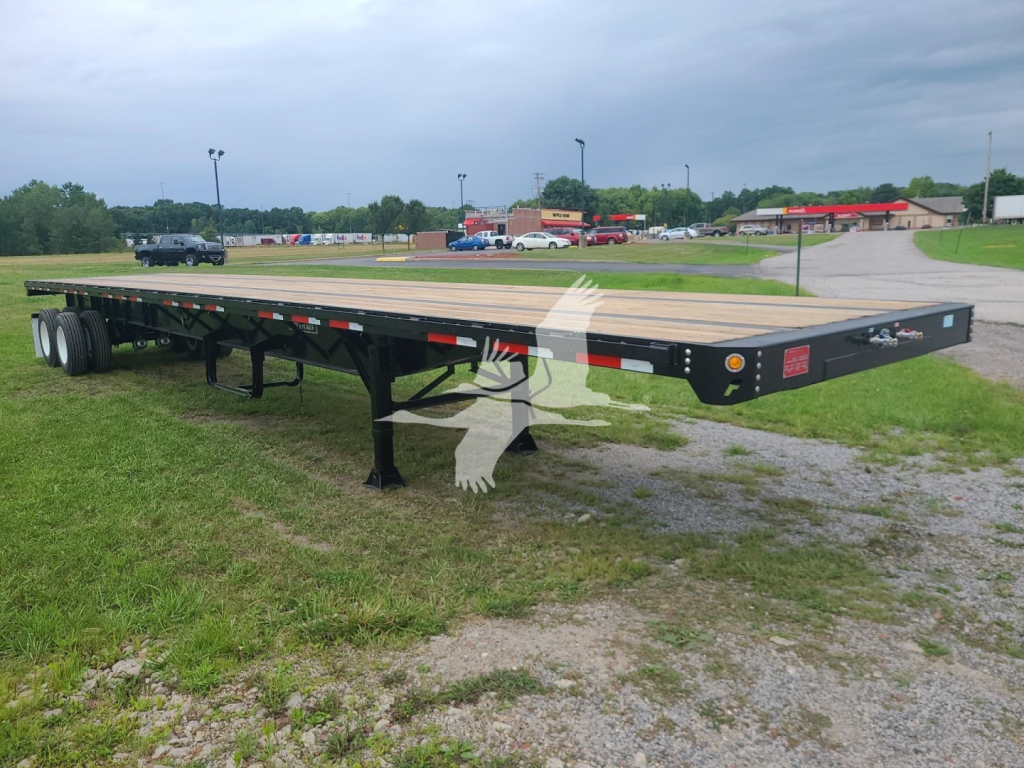
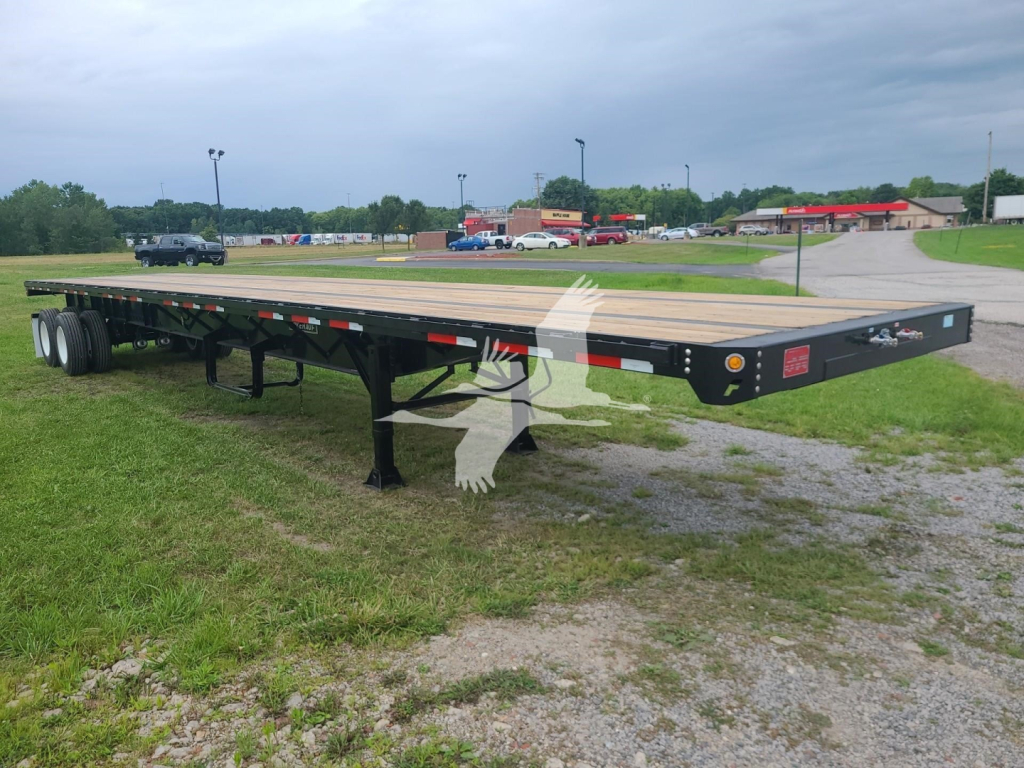
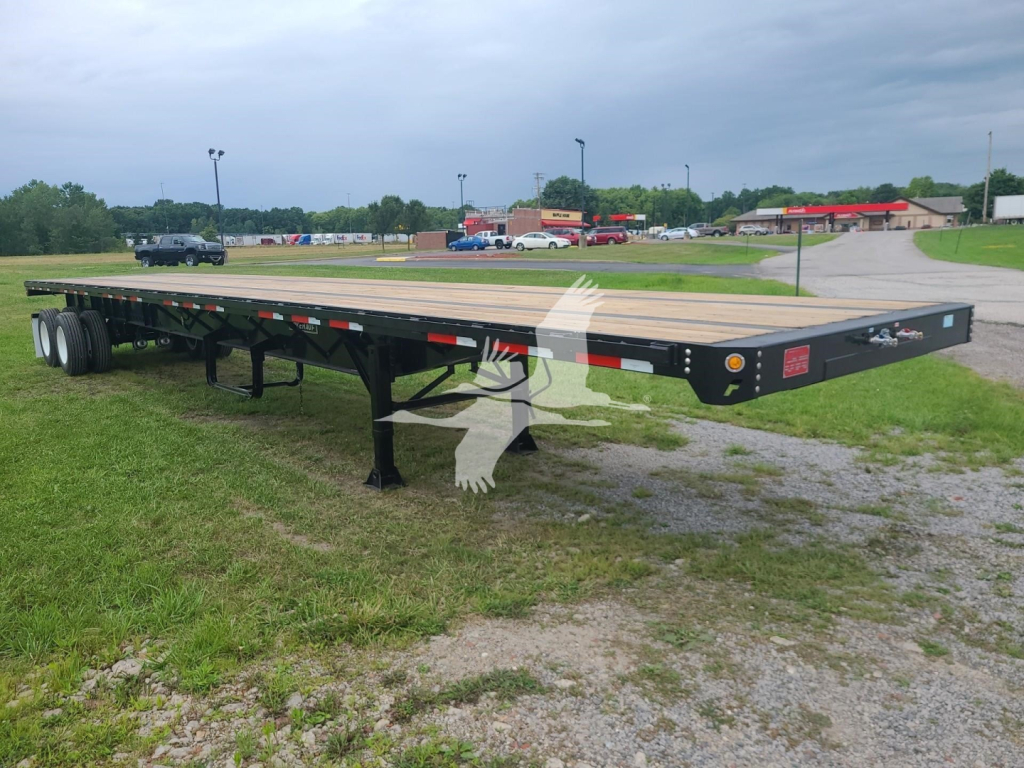
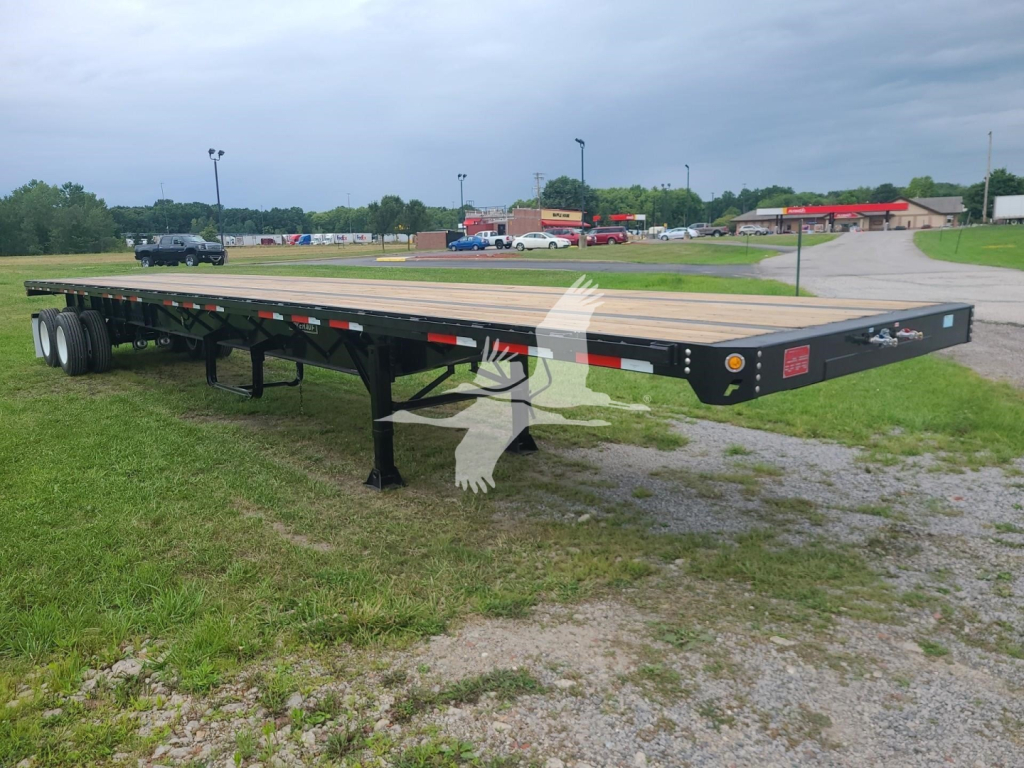
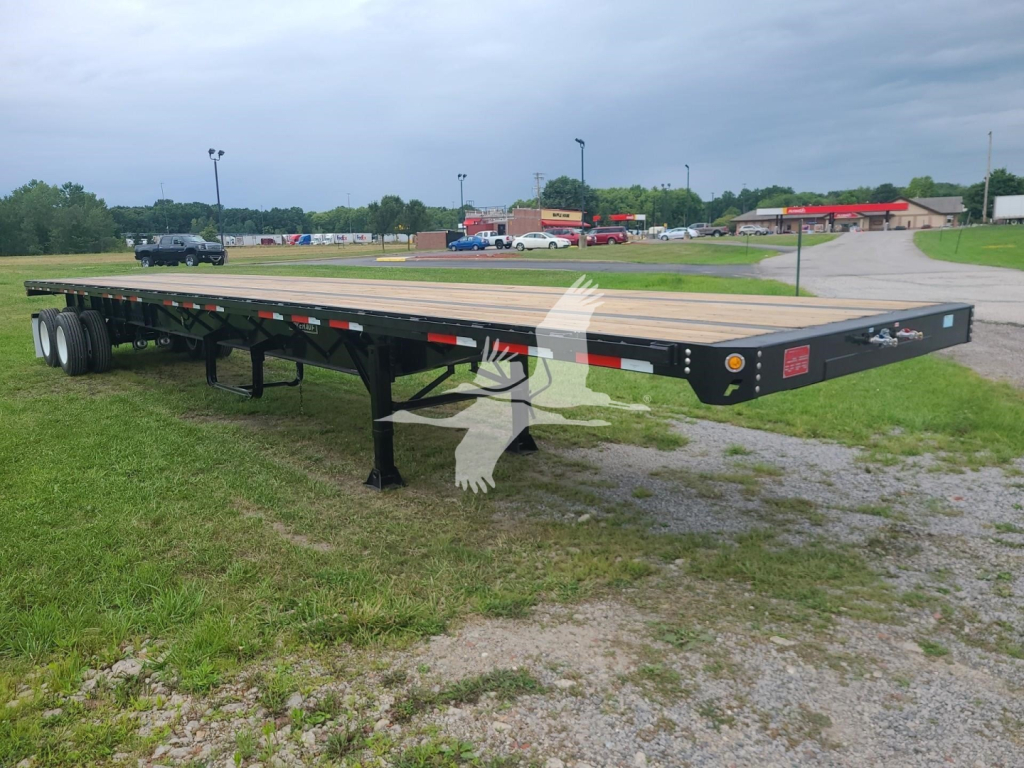
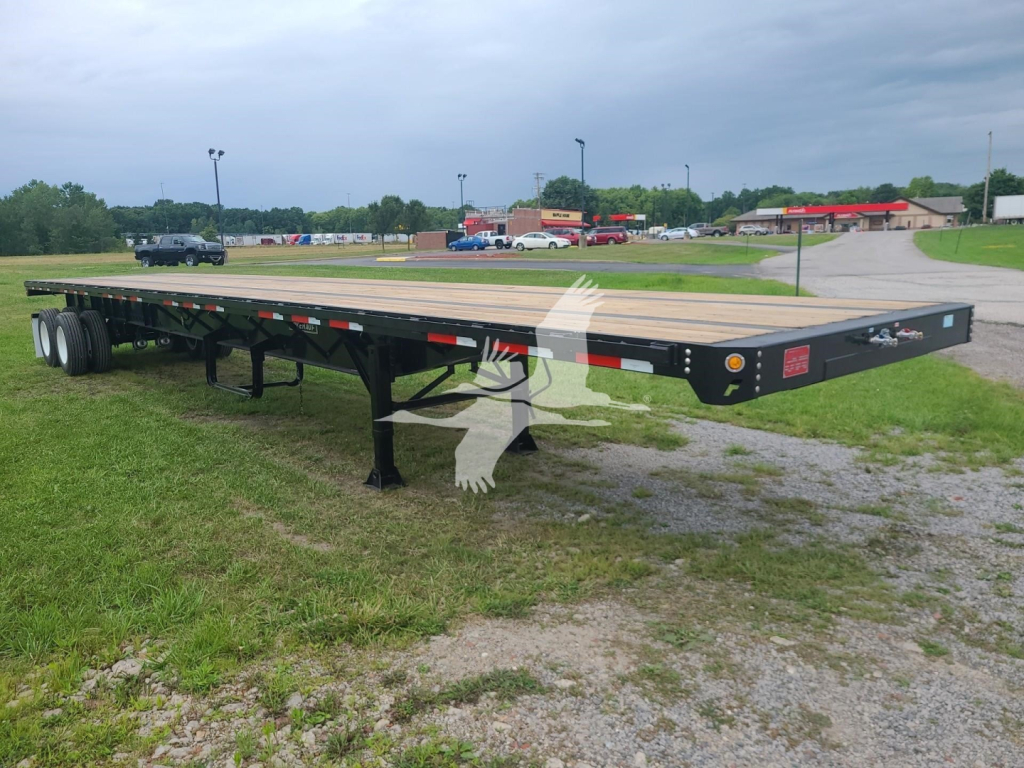
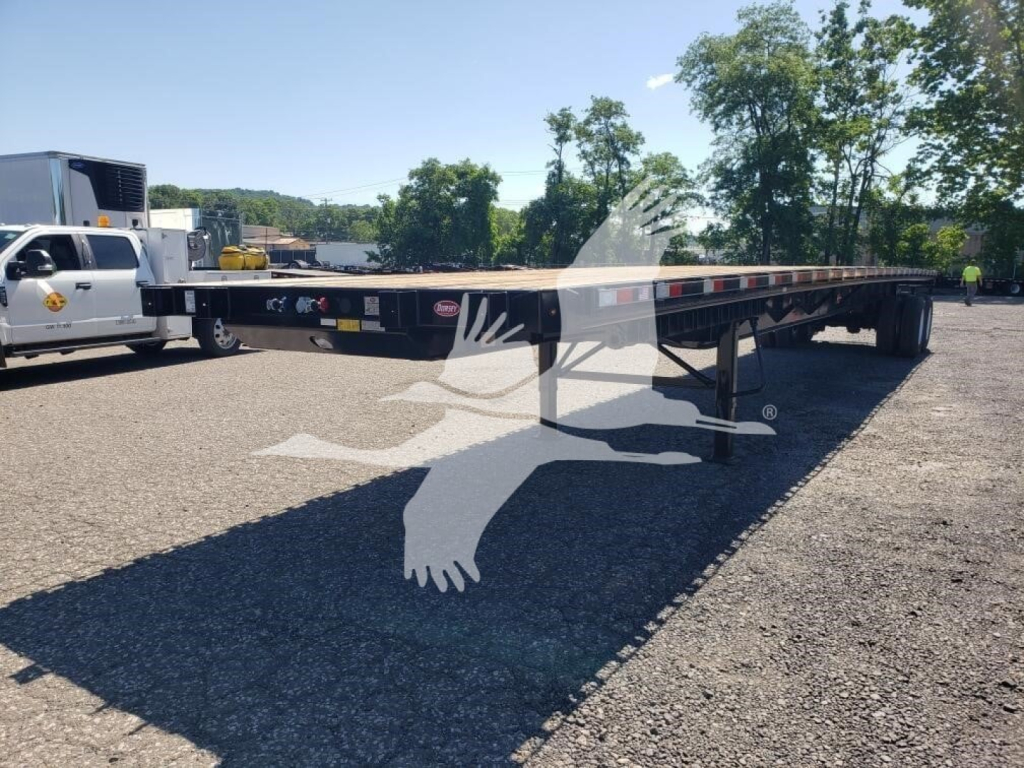
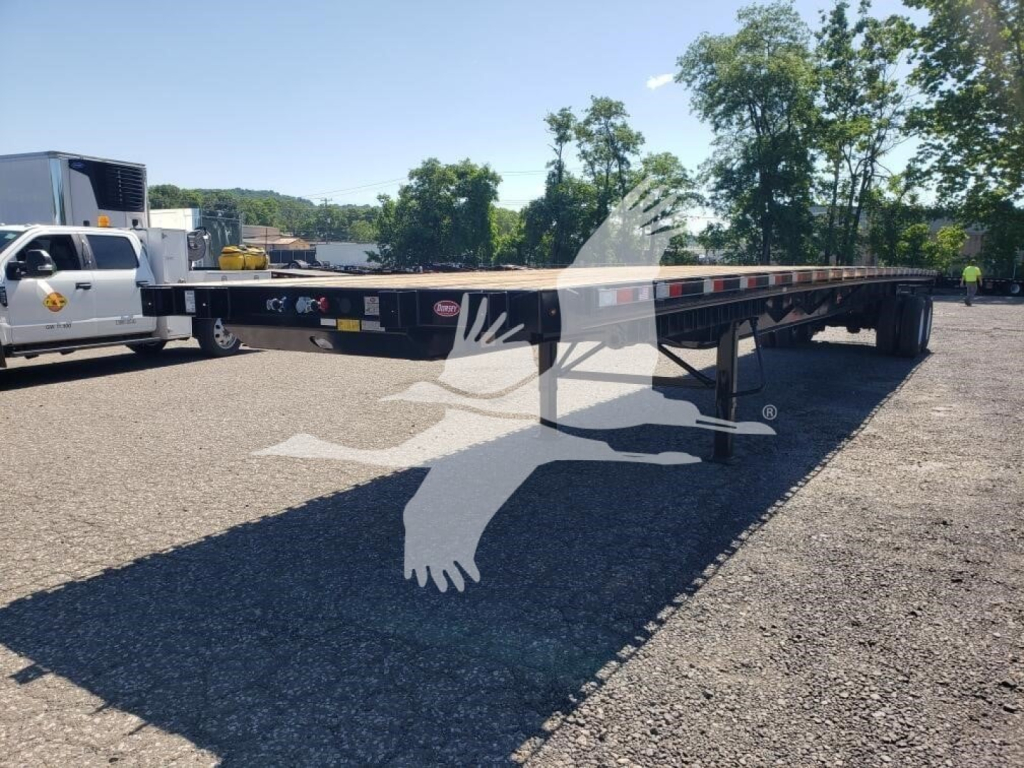
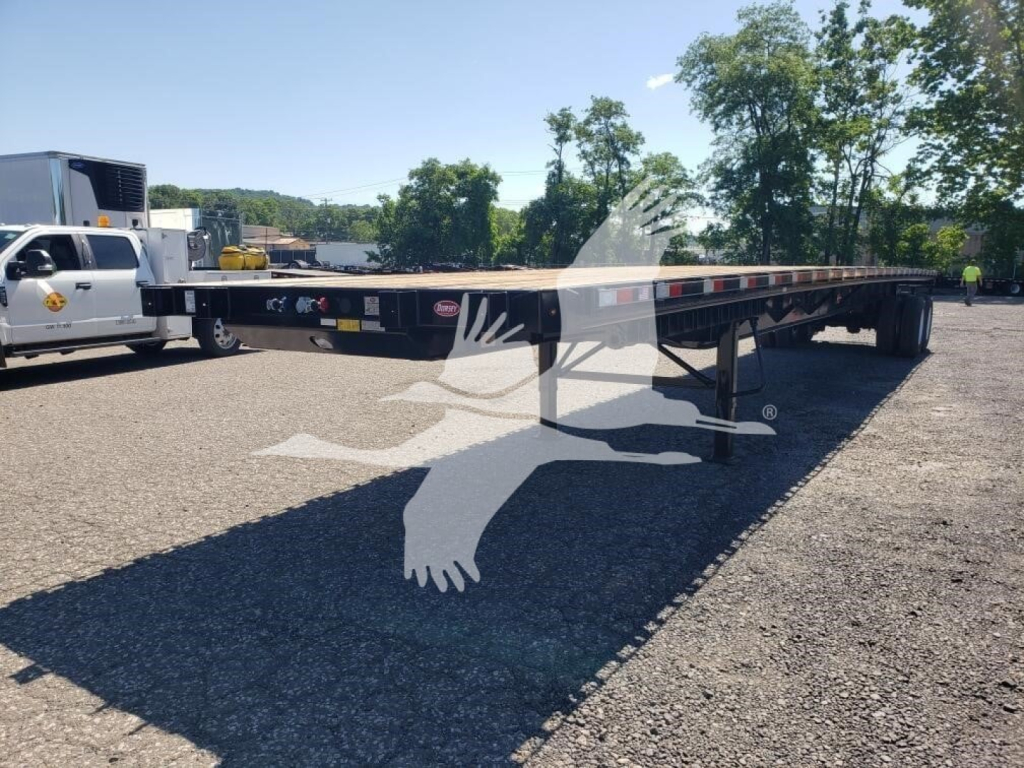
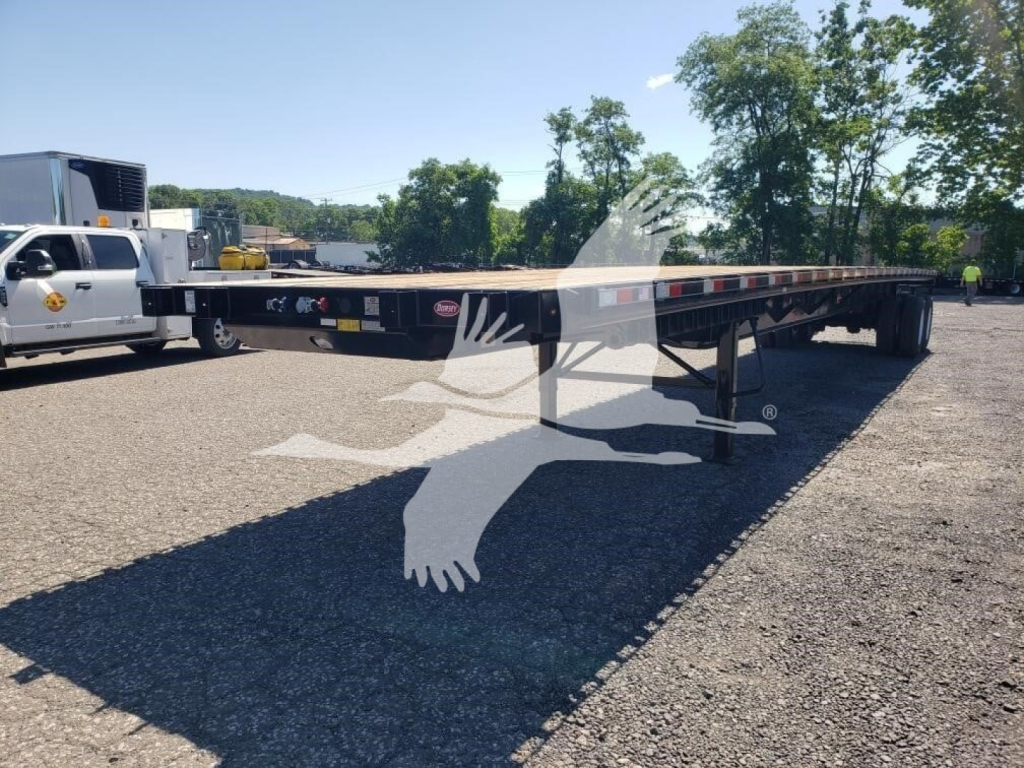
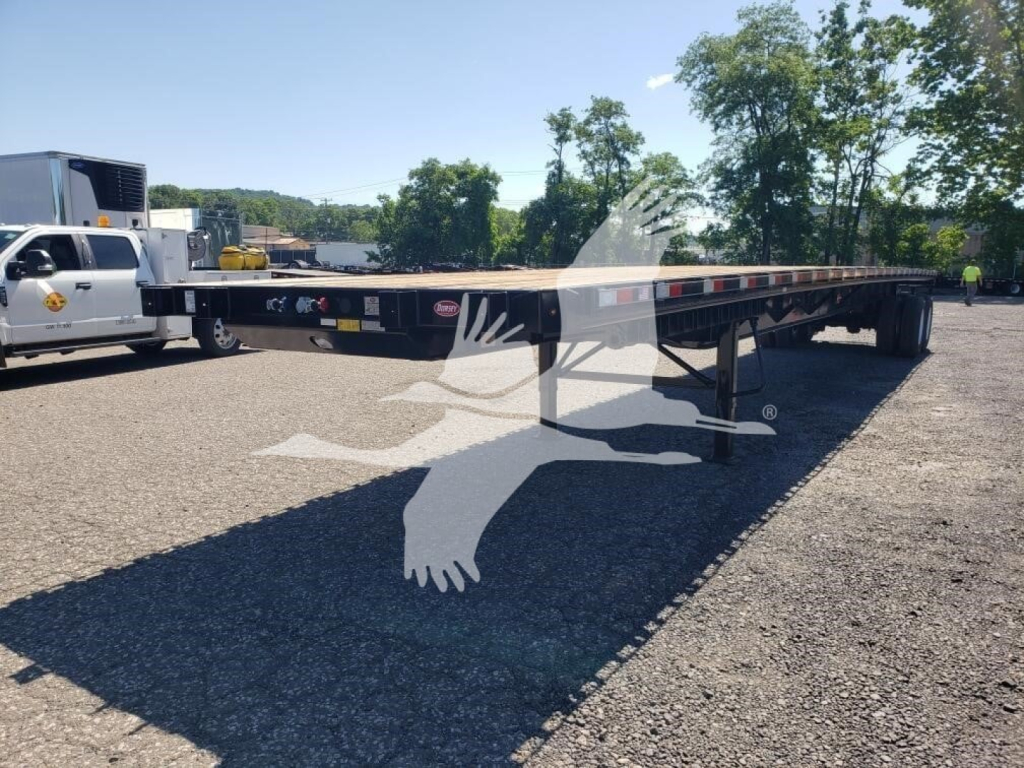
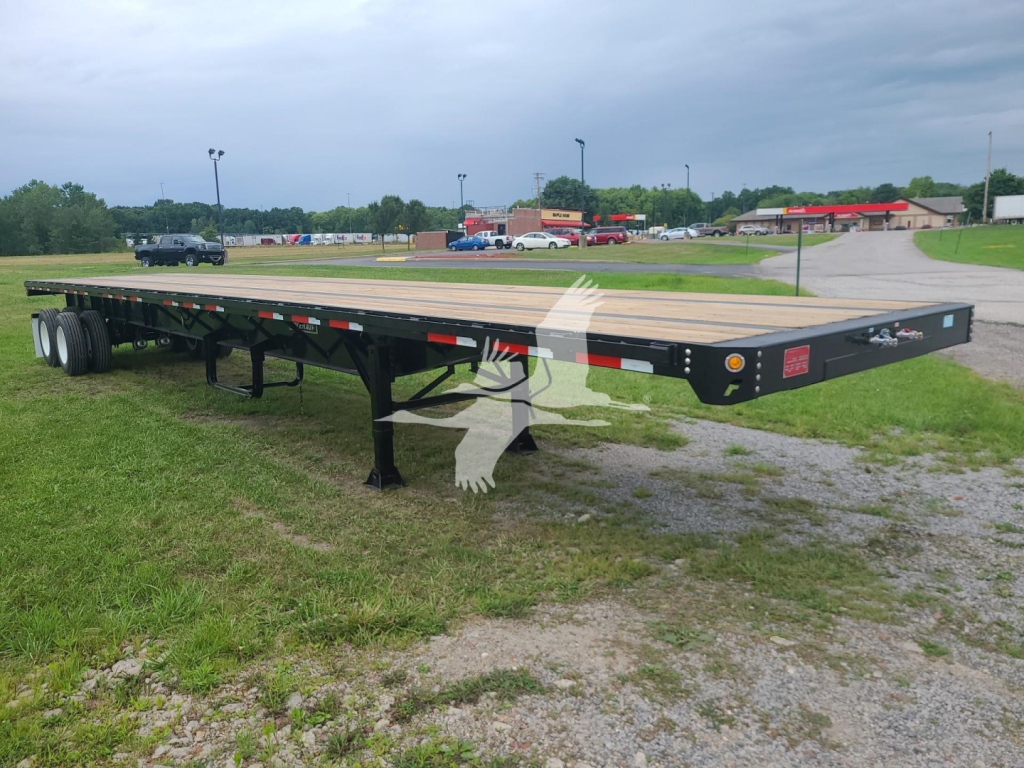
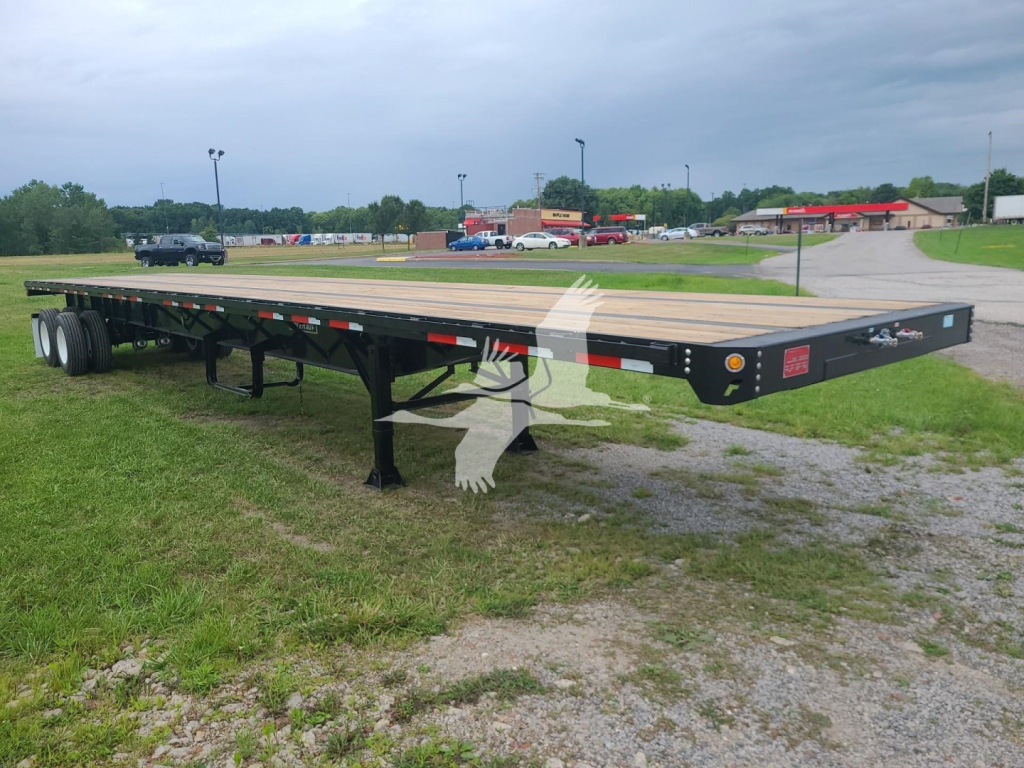
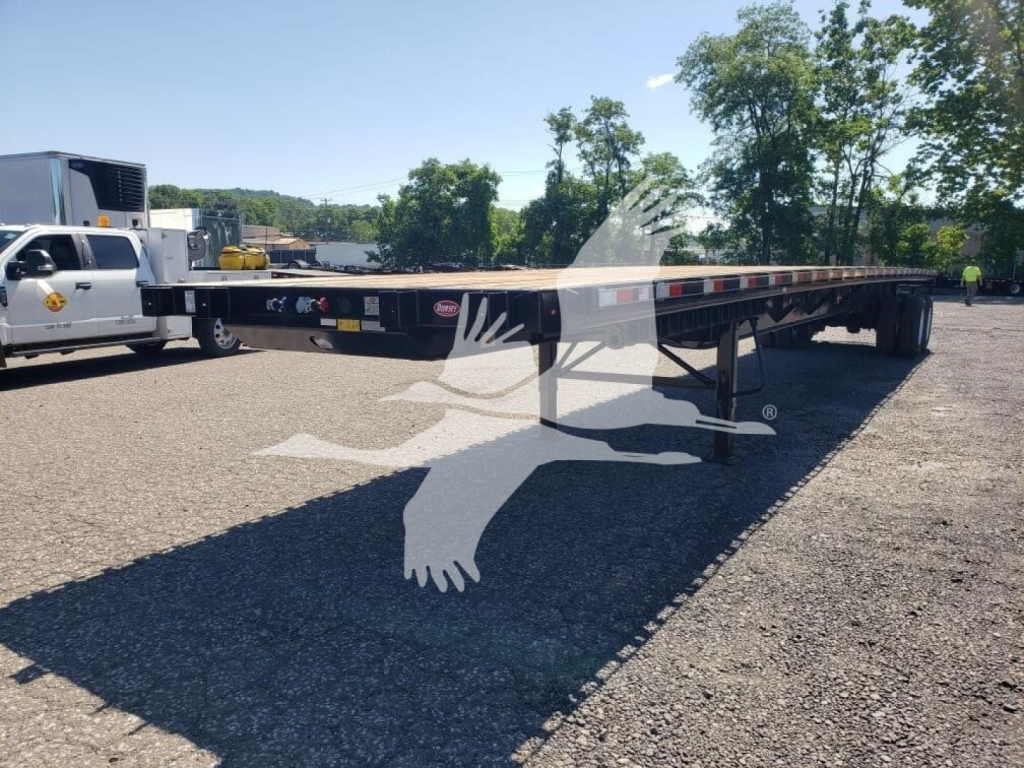
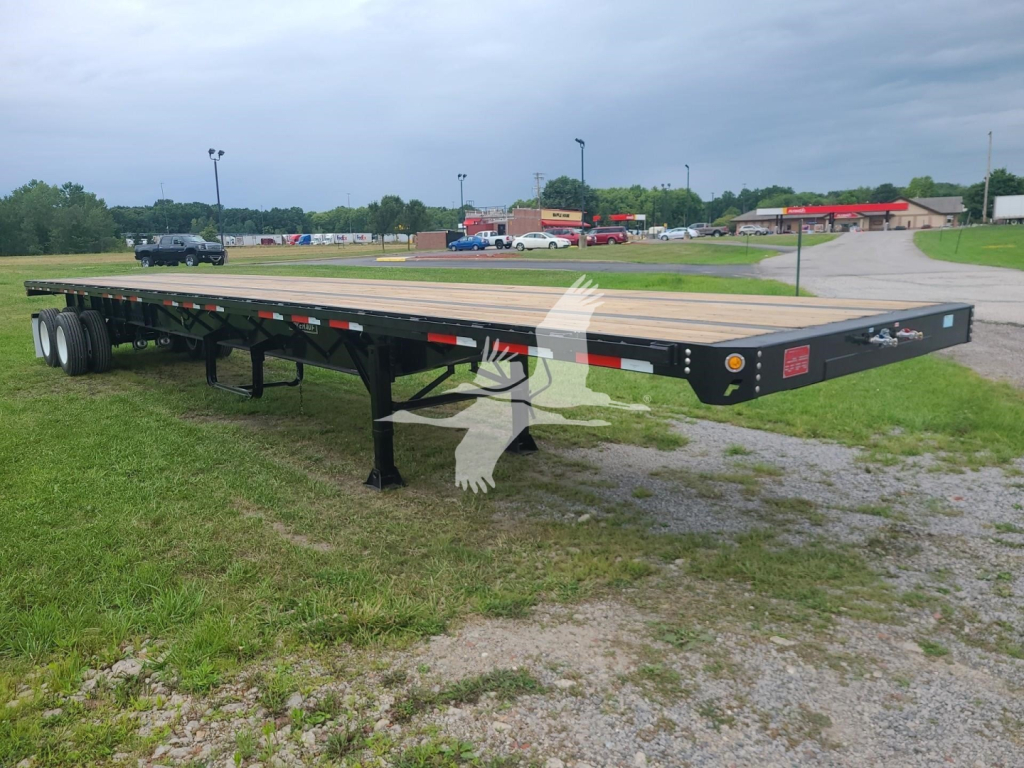

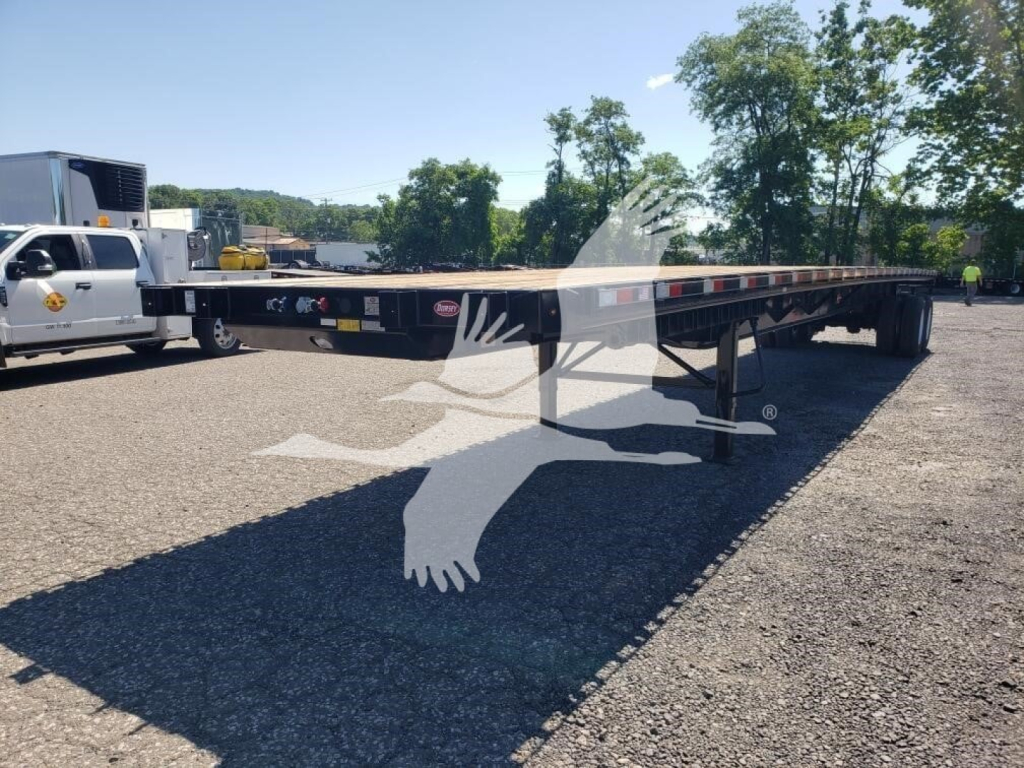
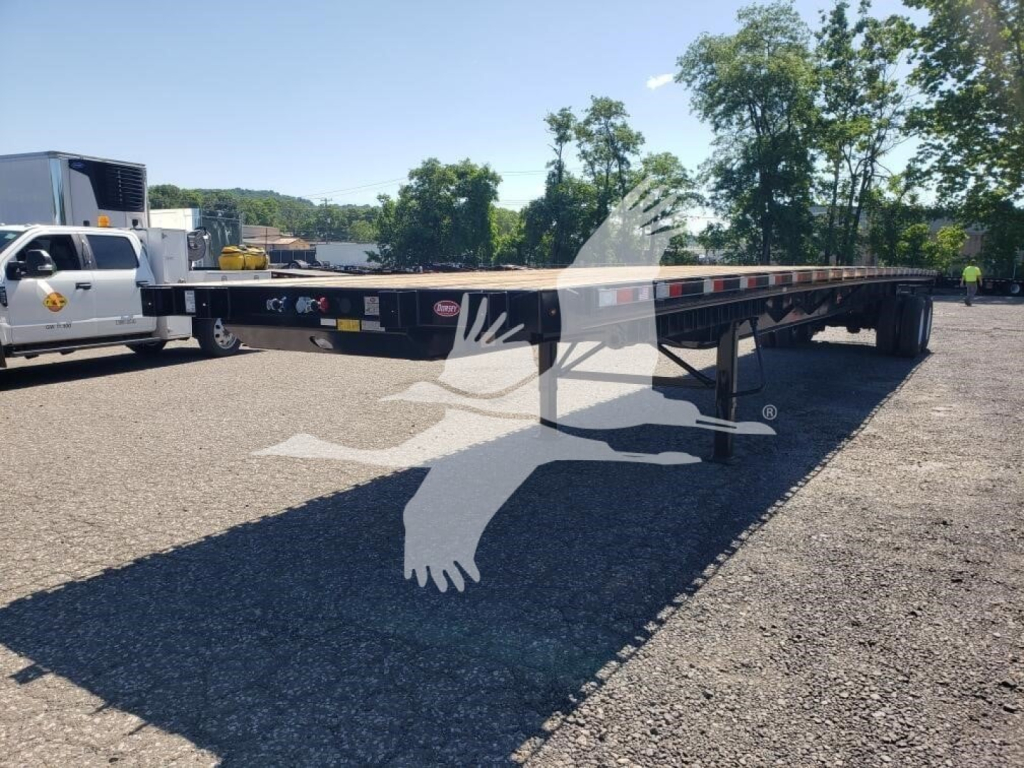
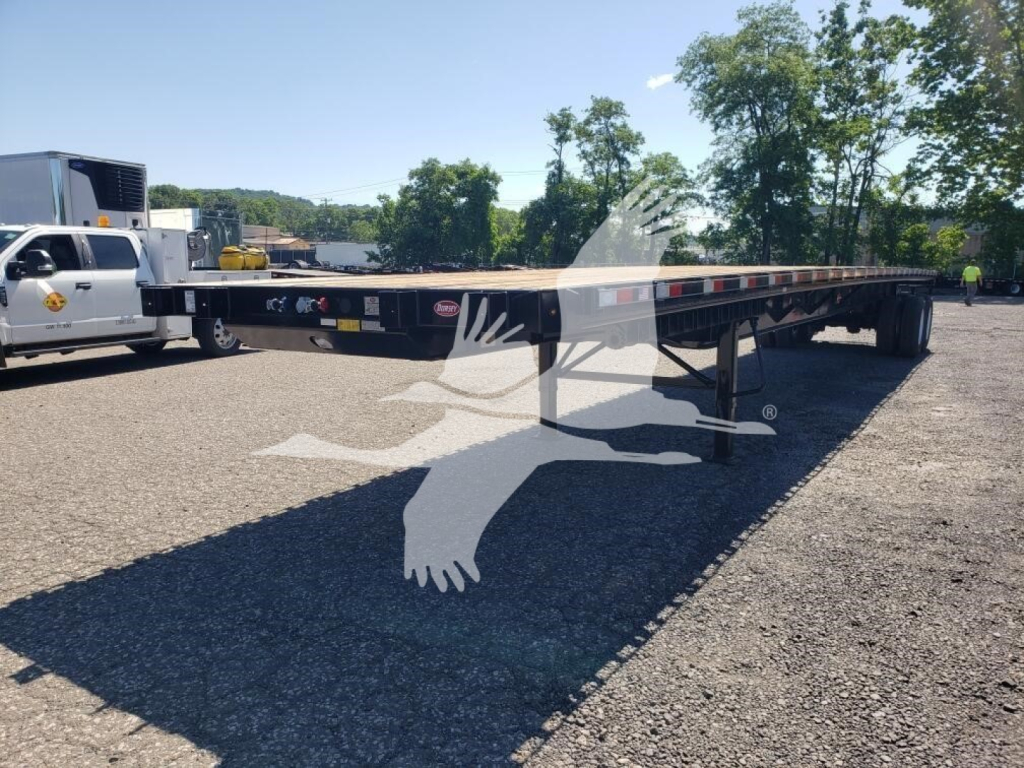
Selling a 2023 flatbed trailer? List your 2023 flatbed trailer for sale and reach thousands of commercial buyers.
2023 Flatbed Trailers in Pennsylvania
Material choice drives both payload and repair strategy. Aluminum flatbeds typically offer lower tare weight, which helps maximize legal payload on dense freight and is a major reason buyers favor them for general over-the-road work. Steel flatbeds usually carry a weight penalty, but many operators like their durability, deck feel under concentrated loads, and straightforward repairability. Common deck details include Apitong flooring, aluminum floors with nail strips, full-length or dual winch tracks, pipe spools, and coil package reinforcements. If the trailer will regularly haul steel coil, skid loaders, or other point-loaded freight, crossmember spacing, extra crossmembers, and rated capacity in 4-foot and 10-foot sections matter more than the headline GVWR.
Suspension and tandem setup should match lane miles and loading conditions. Air ride is widely preferred for ride quality and freight protection, while spring ride still appeals to fleets that want mechanical simplicity and lower upfront cost. Spread axles can improve weight distribution and help with certain state bridge requirements, but they add tire scrub and can be less forgiving in tight docks or older yards. Sliding tandems remain popular for mixed-route flexibility. Buyers should also check kingpin setting, landing gear brand, tire size, wheel type, side rail construction, and whether the trailer has practical freight-securement features such as enough sliding winches, intact winch tracks, proper light package, and usable spool locations.
For a 2023 model, condition still matters more than age on paper. Look for side rail damage from chains, crossmember repairs, floor wear around forklift traffic lanes, suspension bushing condition, and signs of deck twist or rear impact. In Pennsylvania service, corrosion around fasteners, light harnesses, and understructure components deserves a close inspection, especially on trailers that have seen winter road treatment. A well-specced 2023 flatbed can serve anything from construction materials and crated equipment to steel products and agricultural loads, but the best buy is the one whose deck length, axle arrangement, and securement setup match the freight you actually haul every week.
Frequently Asked Questions about 2023 Flatbed Trailers in Pennsylvania
What size is most common for a 2023 flatbed trailer?
The most common flatbed sizes are 48 feet by 102 inches and 53 feet by 102 inches. A 48-foot flatbed is a standard choice for general freight and often pairs well with spread axle configurations. A 53-foot flatbed offers more deck length for lighter or longer loads, but overall payload, bridge compliance, and turning room still depend on axle layout and tractor setup.
Is an aluminum flatbed better than a steel flatbed?
Aluminum flatbeds usually win on tare weight, which can translate into more legal payload and better fuel efficiency over time. Steel flatbeds are heavier, but many buyers value their durability and the way they handle concentrated loads and rough loading environments. The better choice depends on freight type, repair preferences, and how important every pound of payload is to the operation.
What should I check on a used 2023 flatbed trailer before buying?
Focus on structural condition first. Inspect side rails, crossmembers, the deck surface, rear frame area, suspension components, wheel ends, and landing gear. Check for bent rails, patched crossmembers, cracked welds, floor wear from forklift traffic, and damage around winch tracks or spool areas. On Pennsylvania trailers, corrosion from winter road treatment can show up on hardware, wiring, and the understructure even on newer equipment.
Do I need a coil package on a flatbed trailer?
A coil package is important if the trailer will haul steel coil or other dense, concentrated loads. It typically includes reinforced crossmember areas and a dedicated coil well or mini coil arrangement to better support the freight. If the trailer is mainly hauling lumber, machinery, or palletized building materials, a coil package may not be necessary, but buyers moving mixed freight often see value in the added versatility.
Which axle setup is better for Pennsylvania hauling, spread axle or sliding tandem?
It depends on the routes and freight. Spread axles can help with weight distribution and certain bridge-related requirements, but they can be harder on tires and less maneuverable in tight locations. Sliding tandems offer more flexibility for changing load positions, customer docks, and mixed regional work. Buyers running varied freight in Pennsylvania often prefer the adaptability of a sliding tandem, while dedicated heavy or steel freight may justify a spread configuration.