
2022 Trailers For Sale
Shop 2022 trailers for sale including dry vans, flatbeds, reefers, and containers with current specs, common features, and buyer guidance.
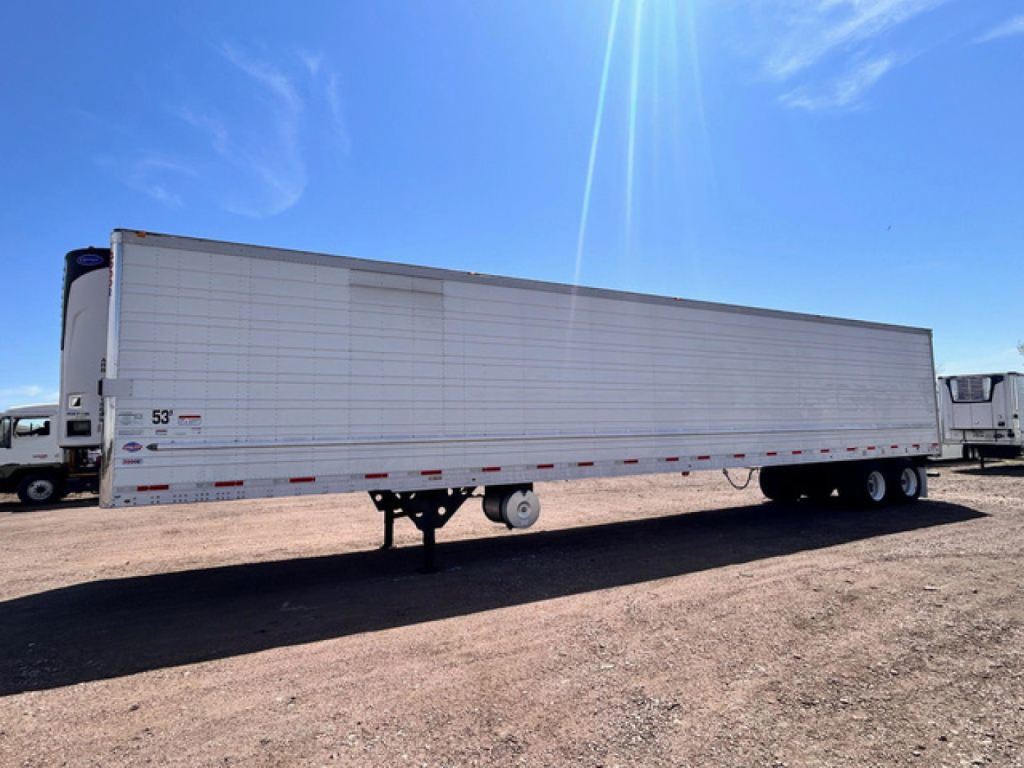
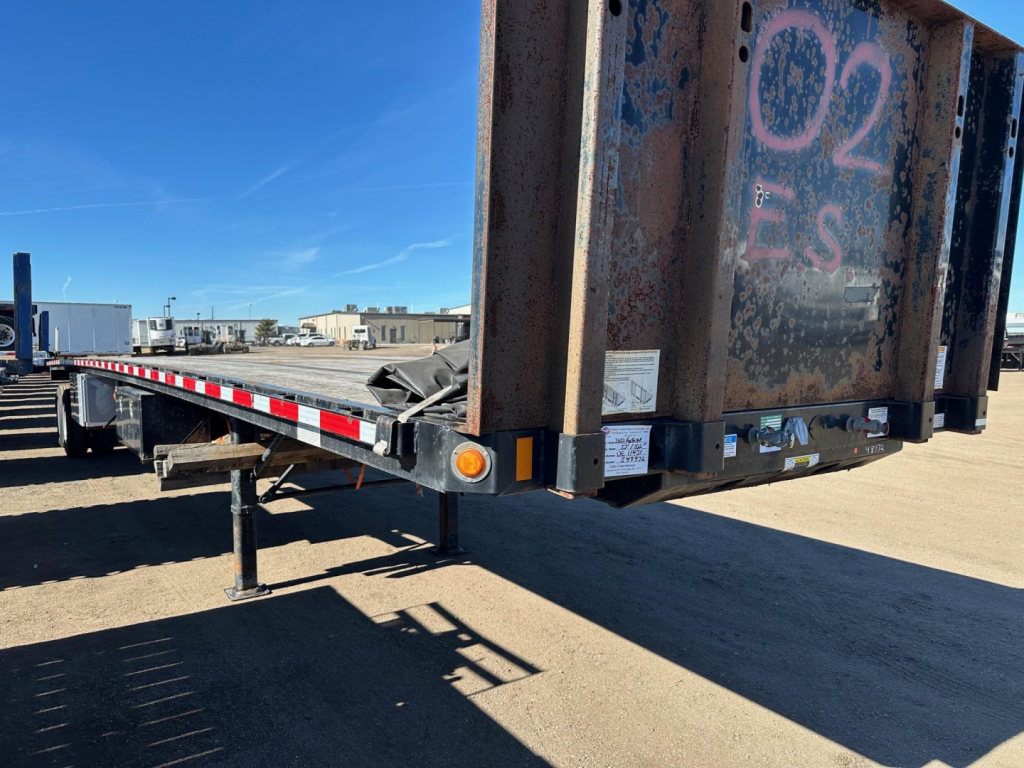
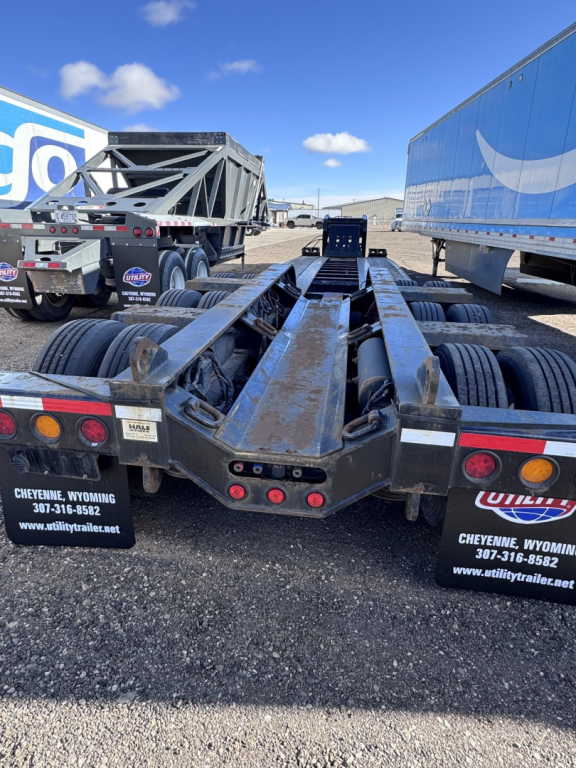
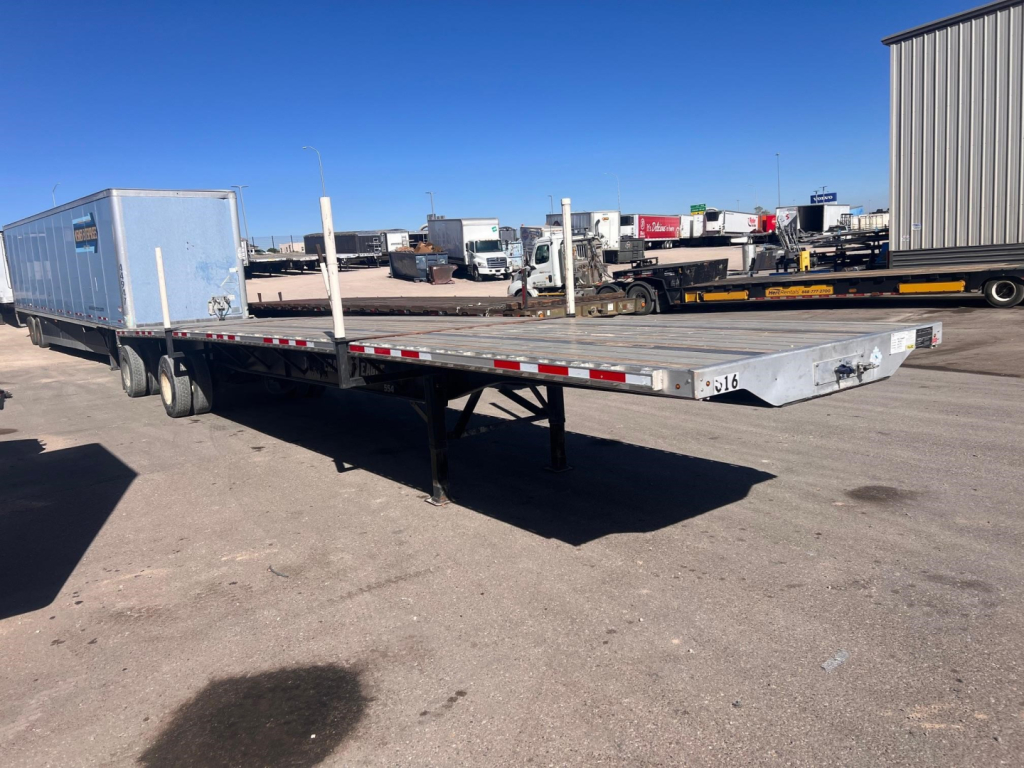

Showing 29 to 46 of 46 results
Looking for the easiest place to sell your 2022 trailer? List it here to reach thousands of buyers.
2022 Trailers
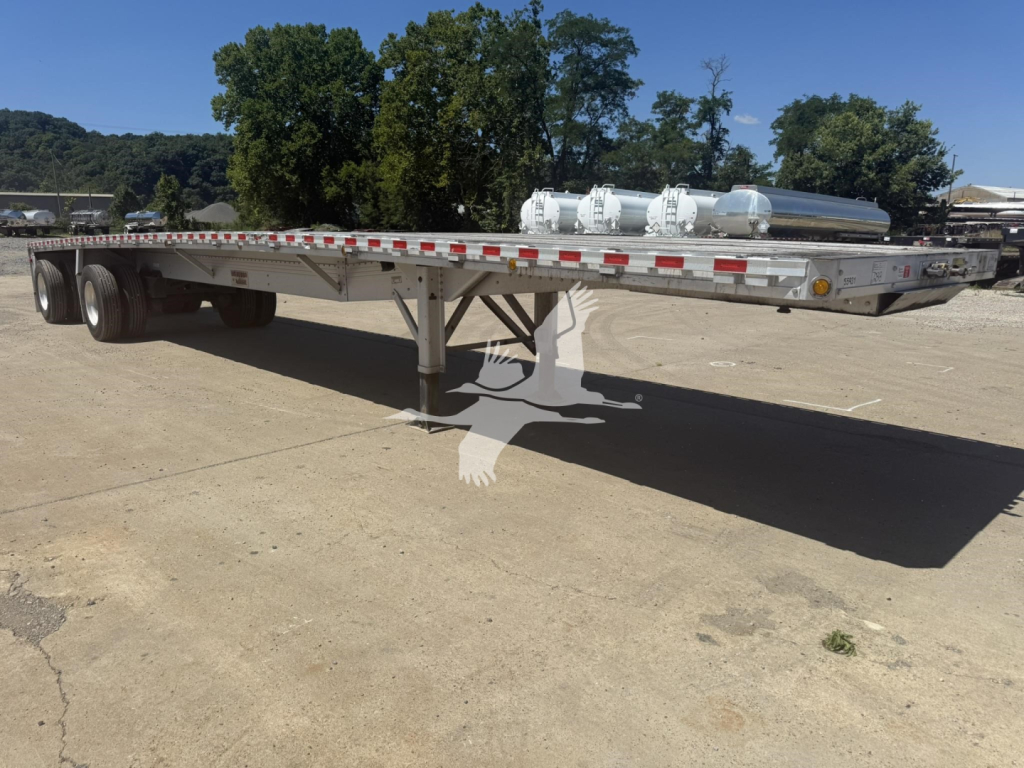
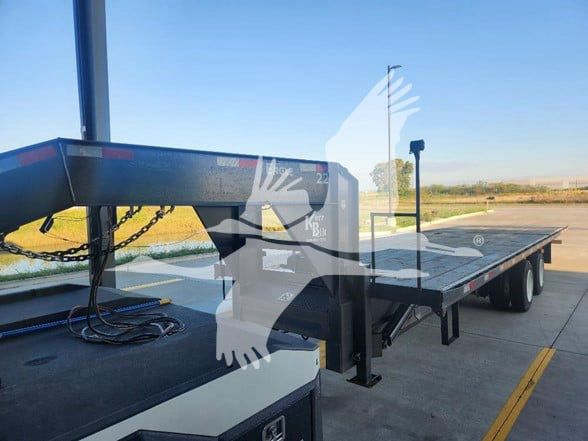
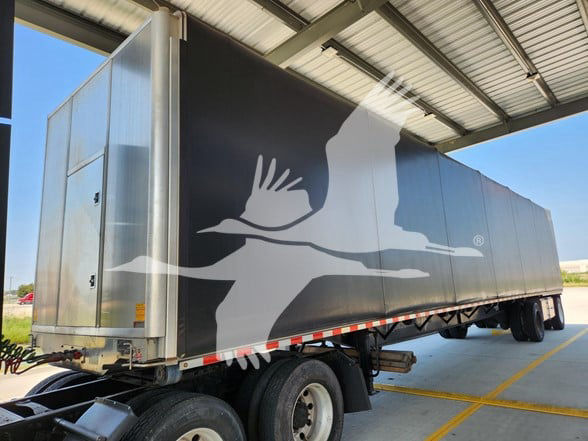
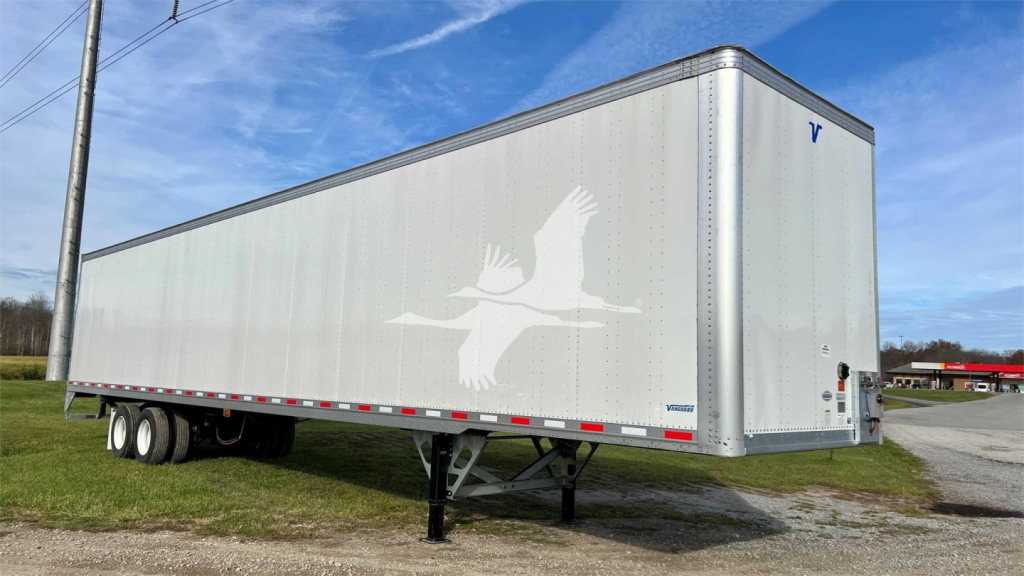
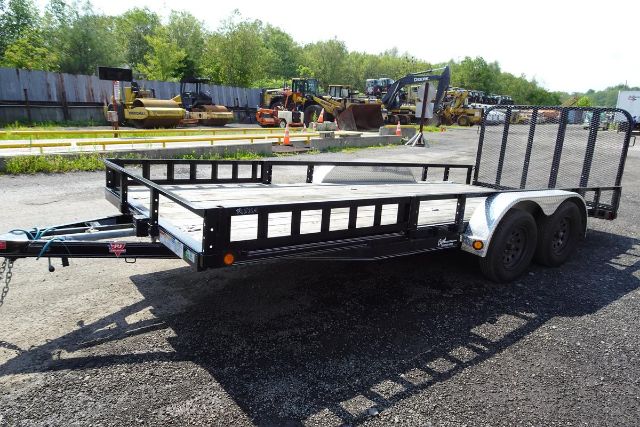
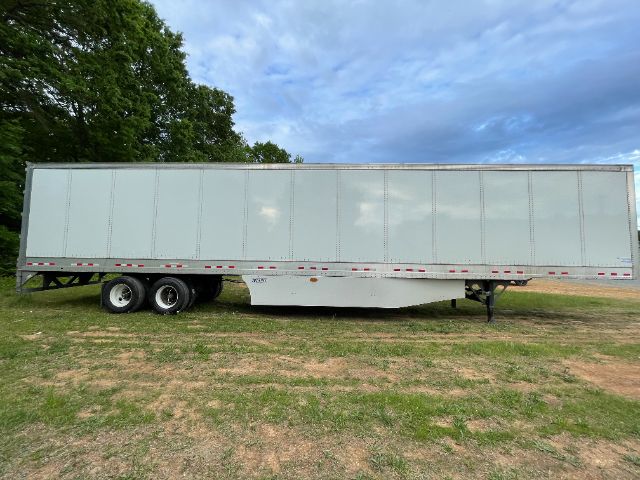
The biggest buying decision is trailer type and duty cycle. In the 2022 market, dry vans typically show up in 53-foot by 102-inch configurations with wood floors, composite or plate sidewall construction, logistic posts, scuff liners, swing or roll-up doors, and aerodynamic packages. Flatbeds from this year are often 48-foot by 102-inch units in aluminum or steel, with common spec points including winch tracks, sliding winches, stake pockets, pipe spools, nail strips, and air ride suspensions. Reefer trailers from 2022 are usually built around the same 53-foot platform but add insulated walls, stainless rear frames, and refrigeration units that need close attention on engine hours, maintenance records, and multi-temp capability. Domestic containers from 2022 are also common in 53-foot lengths and are used in intermodal and drop-yard operations where stacking strength, floor rating, corner castings, and gooseneck tunnel design matter.
Spec details drive resale value and operating fit. On dry vans, buyers should pay attention to suspension brand, tandem slider condition, roof type, threshold plate wear, door hardware, lining, and post spacing if freight securement flexibility matters. On flatbeds, look closely at floor material, crossmember spacing, side rail condition, kingpin setting, axle spread, and whether the trailer is set up for the kind of securement your lanes require. Aluminum flatbeds help payload, while steel flatbeds can make sense for tougher vocational work and lower acquisition cost. For reefers, unit brand, evaporator setup, fuel tank condition, and trailer floor condition are major cost variables. Across all 2022 trailer categories, tire size, wheel type, brake condition, landing gear performance, DOT history, and signs of dock impact or corrosion are worth checking before comparing price alone.
A 2022 trailer also tends to line up well with fleets standardizing around modern maintenance practices and ELD-era utilization patterns. Buyers looking for dry freight capacity, refrigerated lanes, open-deck hauling, or domestic container service can usually find this model year with practical, proven specs rather than outdated configurations. The best choice comes down to freight type, payload targets, axle configuration, loading environment, and how much value you place on newer features like PSI systems, aerodynamic trim, composite panels, or disc brakes. When comparing 2022 trailers for sale, focus on build spec, service history, and lane suitability first, because two trailers from the same year can perform very differently in real-world operation.
Frequently Asked Questions about 2022 Trailers
What should I look for first when buying a 2022 trailer?
Start with trailer type, exact dimensions, axle configuration, and the original build spec. A 2022 trailer may still be relatively recent, but condition can vary widely based on freight history and maintenance. Check suspension, brakes, tires, floor condition, tandem operation, landing gear, and structural wear points such as crossmembers, rear frame, side rails, and door openings. On reefers, refrigeration unit hours and service records are just as important as trailer condition.
Are 2022 trailers new enough for most fleet and shipper requirements?
In many cases, yes. A 2022 trailer often includes the features fleets want today, such as LED lighting, air ride suspension, aerodynamic options, and compatibility with current maintenance programs. Many shippers and dedicated accounts are comfortable with 2022 model year equipment as long as it is clean, compliant, and properly maintained. The real deciding factor is usually condition and spec, not model year by itself.
Is a 2022 flatbed better in aluminum or steel?
That depends on freight and payload priorities. Aluminum flatbeds usually weigh less, which helps maximize payload and can improve operating efficiency on weight-sensitive lanes. Steel flatbeds are often preferred in harsher applications where durability, lower upfront cost, or repair simplicity matter more than tare weight. Buyers should compare frame condition, floor type, crossmember spacing, and securement setup before deciding based only on material.
What makes a 2022 dry van more desirable on the resale market?
Desirable 2022 dry vans typically have a strong maintenance history and practical fleet specs. Common value drivers include 53-foot by 102-inch dimensions, air ride suspension, sliding tandems, composite panels, scuff liners, logistic posts, swing doors, side skirts, and tire inflation systems. Clean interior walls, a solid wood floor, straight rear frame, and low wear around the threshold and dock contact areas can also improve resale appeal.
How do I compare a 2022 reefer trailer to a 2022 dry van in total operating cost?
A reefer trailer usually carries higher operating and maintenance cost because of the refrigeration unit, fuel use, preventive service needs, and possible repair exposure tied to temperature control components. A dry van is generally simpler and less expensive to maintain, but it cannot serve temperature-sensitive freight. Buyers should compare not just purchase price, but also expected lane revenue, maintenance intervals, fuel consumption, downtime risk, and customer requirements.