
2022 Utility Trailers For Sale
Shop 2022 Utility trailers for sale, including dry vans and reefers, with buyer-focused details on specs, suspension, floors, doors, and trailer options.
Selling a 2022 utility trailer? List your 2022 utility trailer for sale and reach thousands of commercial buyers.
2022 Utility Trailers
For dry van applications, the main buying decisions usually come down to trailer length, suspension, wheel setup, door configuration, and floor condition. Most buyers will be looking at 53-foot x 102-inch vans with air ride suspension, sliding tandem axles, and either steel or aluminum wheels. Important details include the roof material, sidewall construction, base rail design, logistic post layout, and whether the trailer has swing doors or a roll door for specialized urban delivery work. Floor type and wear matter because high-cycle pallet traffic, liftgate use, and concentrated forklift loading can change a trailer's long-term maintenance profile. Tire inflation systems, plated specifications, and DOT-ready setups are also common features that affect operating cost and uptime.
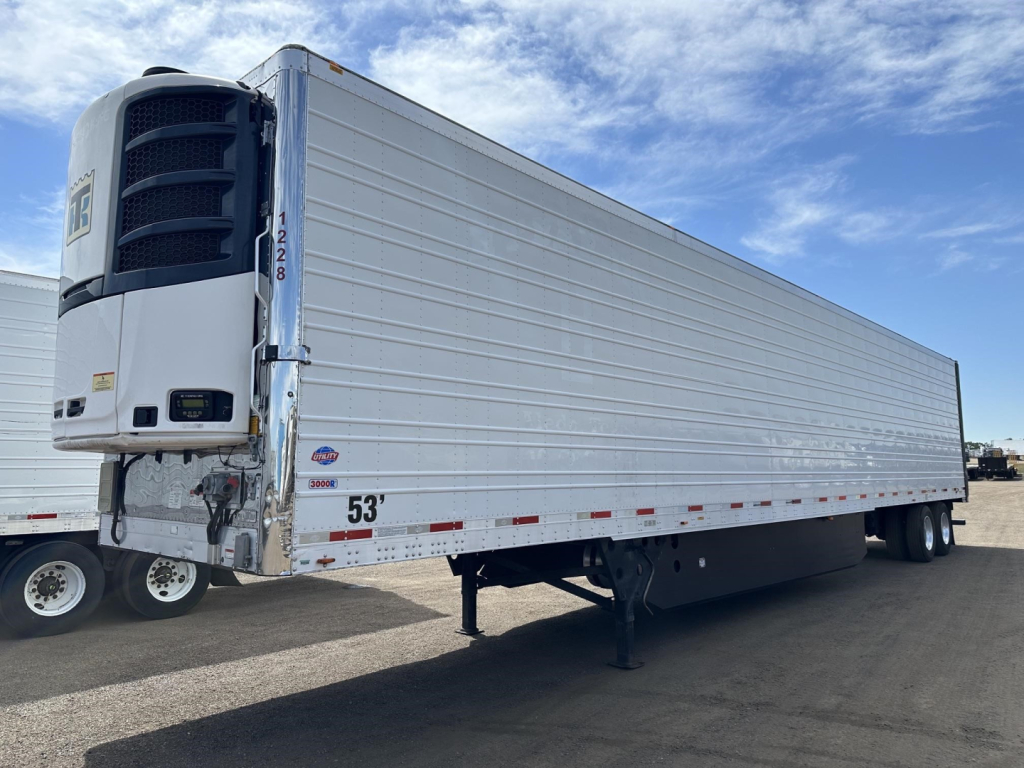
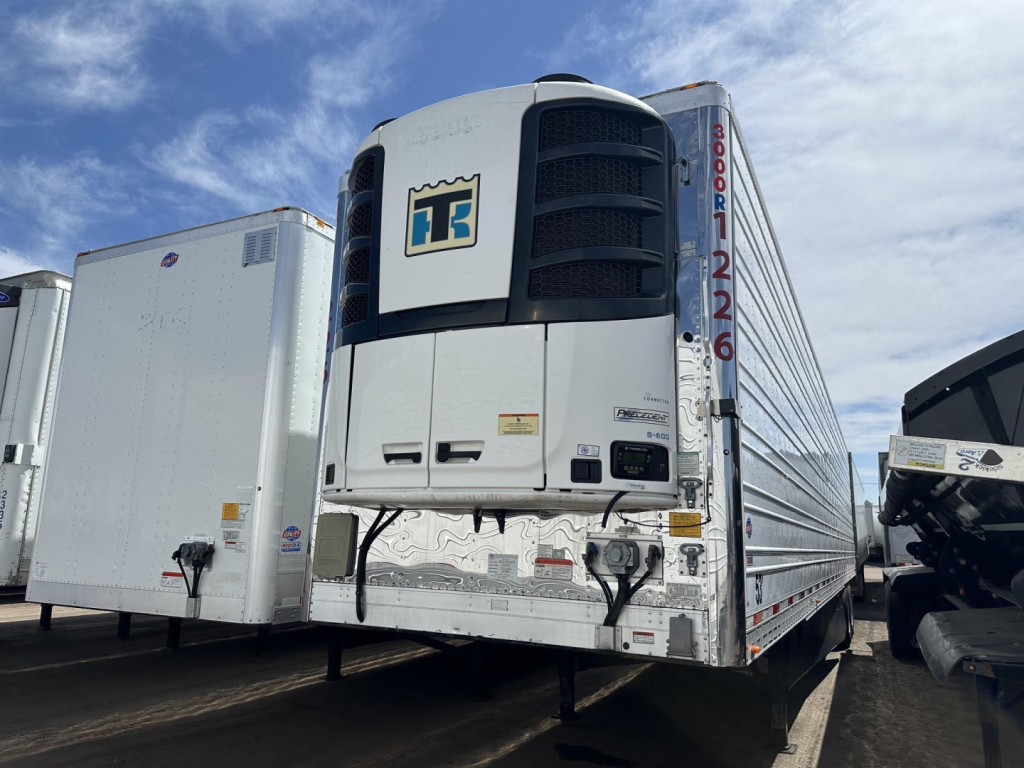
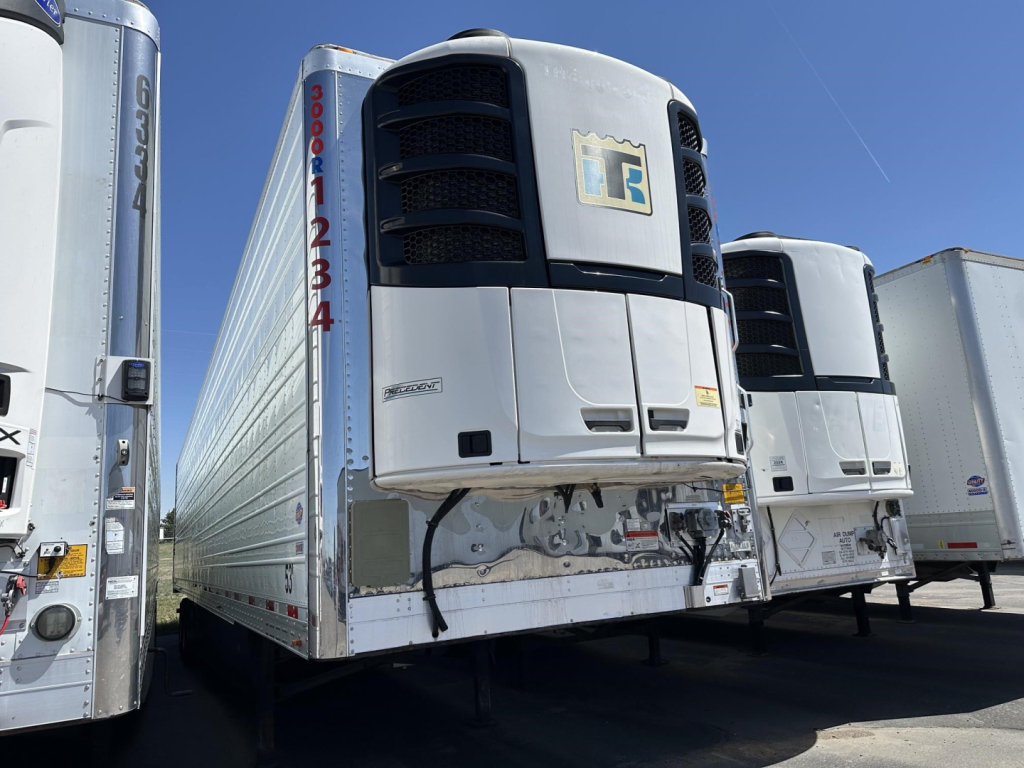
On refrigerated Utility trailers, the reefer unit spec is just as important as the box itself. Buyers should check the refrigeration unit make and model, engine hours, interior lining, chute setup, door seal condition, and any evidence of floor or wall damage from heavy grocery or multi-stop service. Suspension type, axle spacing, tire size, and roof construction all matter, but reefer buyers also need to focus on insulation integrity, airflow management, and washout condition. Utility reefers are often equipped with features such as aluminum roofs, scuff liners, duct floors, and air ride suspensions that help support food-grade hauling and broad shipper acceptance.
A 2022 Utility trailer can fit a wide range of operations, from general freight and drop-and-hook van work to dedicated cold chain lanes. Buyers comparing multiple listings should pay close attention to maintenance records, fleet versus owner-operator use history, current tire depth, brake life, kingpin and apron wear, and any signs of prior accident repair. If the trailer is a reefer, unit hours and service history can change the value significantly. If it is a dry van, floor repairs, door frame condition, and sidewall straightness tend to be the biggest indicators of how the trailer has been worked. Utility remains a strong name in the trailer market because these trailers are easy to spec, easy to maintain, and familiar to most fleets, drivers, and service networks.
Frequently Asked Questions about 2022 Utility Trailers
What types of 2022 Utility trailers are most common on the market?
The most common 2022 Utility trailers are 53-foot dry vans and refrigerated trailers. Dry vans are used for general freight, retail, consumer goods, and drop-and-hook operations, while Utility reefer trailers are used for produce, frozen freight, dairy, and other temperature-controlled loads. Buyers will typically see air ride suspensions, sliding tandems, 22.5-inch tires, and a mix of steel or aluminum wheel specs depending on original fleet configuration.
What should I inspect first on a used 2022 Utility dry van trailer?
Start with the floor, doors, roof, sidewalls, and running gear. Floor condition is critical because forklift traffic and point loading can create expensive structural wear. Check the rear frame and door hinges for alignment issues, inspect the roof for patches or impact damage, and look at the tandem slider, suspension, brake components, and tire condition. Kingpin wear, apron cracks, and signs of prior body repair should also be reviewed before purchase.
What matters most when buying a 2022 Utility reefer trailer?
The refrigeration unit condition, engine hours, trailer body integrity, and insulation performance matter most. A reefer trailer can look clean but still have costly issues if the unit has high hours, poor service history, weak airflow, or damaged interior lining. Buyers should inspect the reefer unit records, floor and chute condition, door seals, scuff liner wear, and any signs of moisture intrusion. Unit brand and model also affect service access, fuel use, and resale appeal.
Are 2022 Utility trailers a good fit for fleet operations?
Yes. Utility trailers are widely used in fleet service because they are straightforward to maintain, have broad parts availability, and hold value well in the secondary market. A 2022 model year is especially attractive for fleets that want newer trailer specifications, compliance-ready equipment, and a lower cost basis than new equipment. They are commonly accepted in general freight and cold chain operations, which supports utilization across different lanes and customers.
Which specs have the biggest effect on resale value for a 2022 Utility trailer?
For dry vans, resale value is heavily influenced by floor condition, door type, suspension, tire inflation system, wheel material, and overall body condition. For reefers, refrigeration unit hours, service documentation, interior lining condition, and washout quality are major value drivers. Across both categories, buyers pay attention to maintenance history, tire and brake life, tandem operation, and whether the trailer has been kept in a fleet maintenance program.