
2017 Trailers For Sale in Georgia
Browse 2017 trailers for sale in Georgia, including common specs, trailer types, axle setups, dimensions, and features buyers compare most.
Learn more
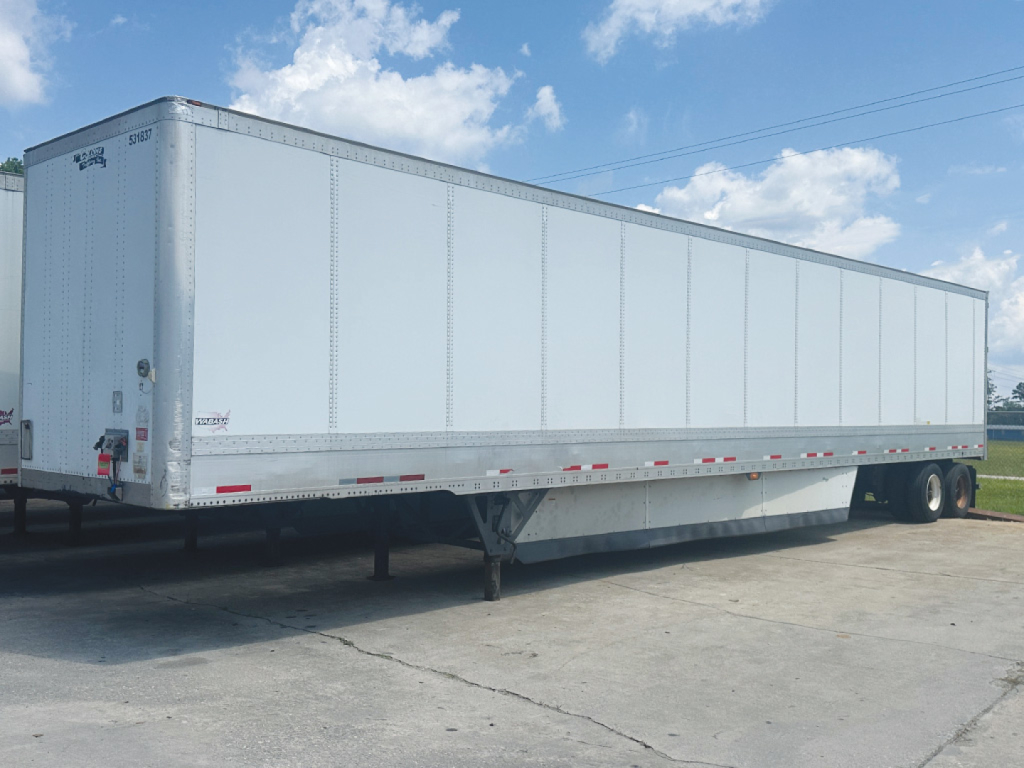
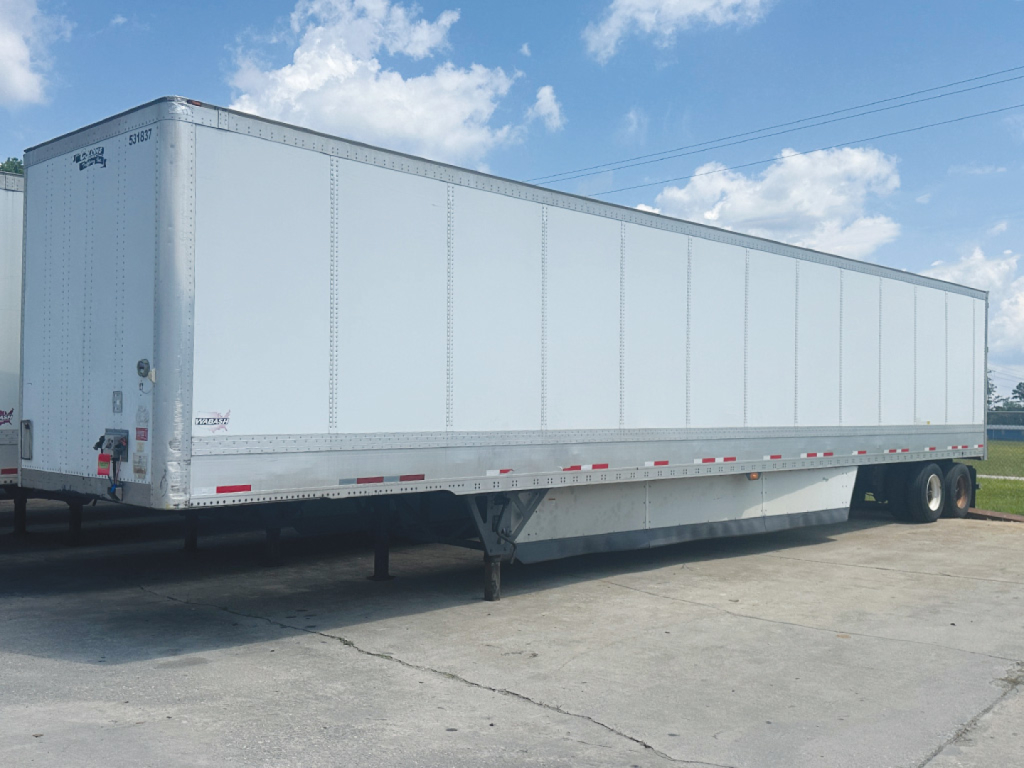
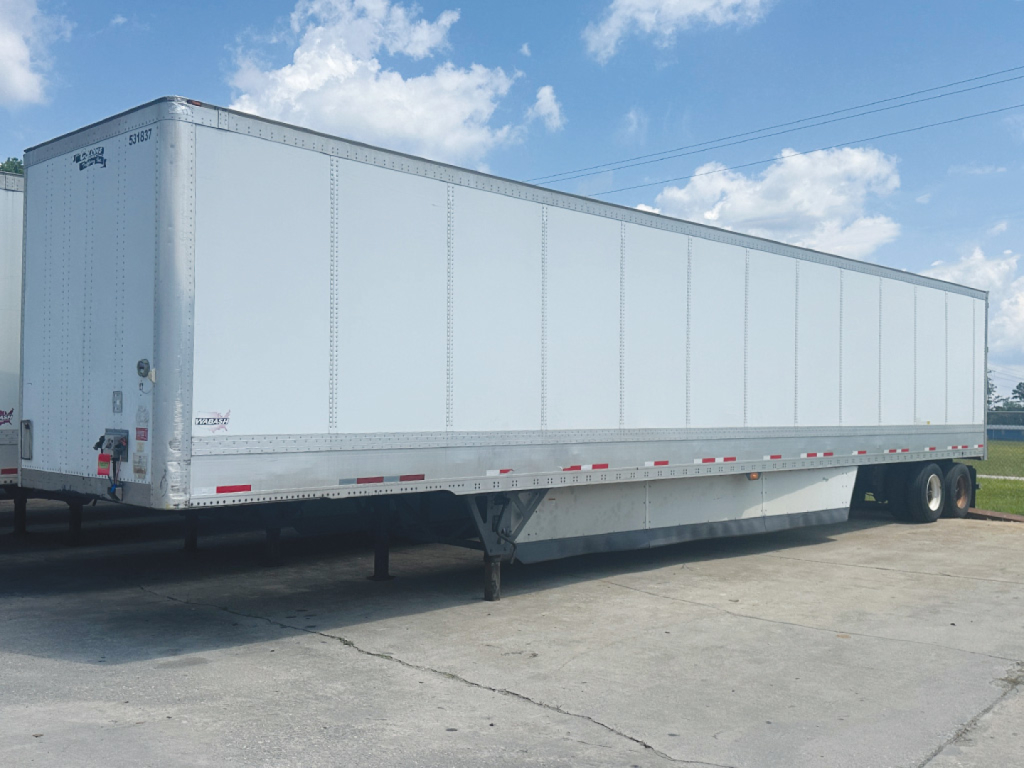
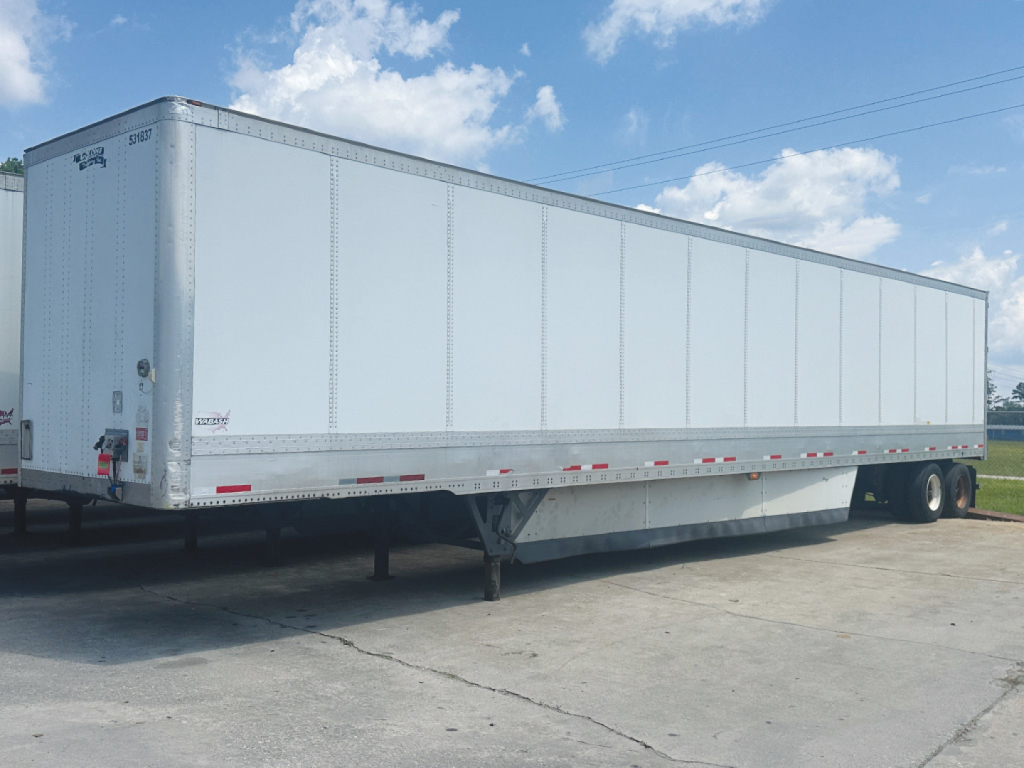
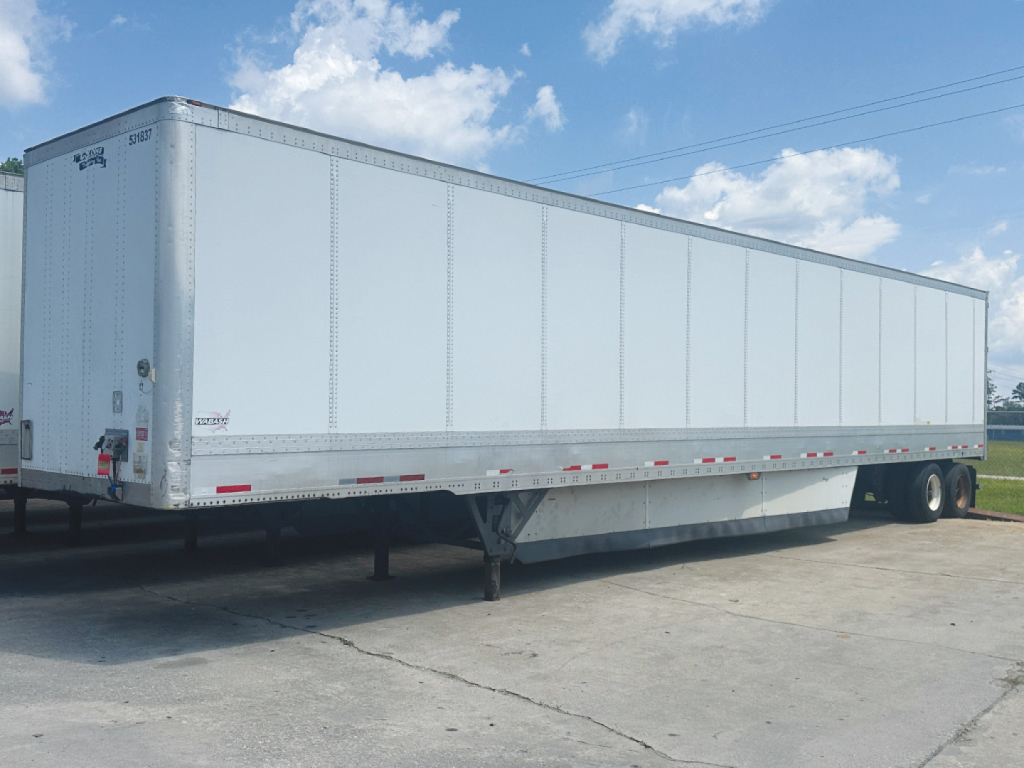
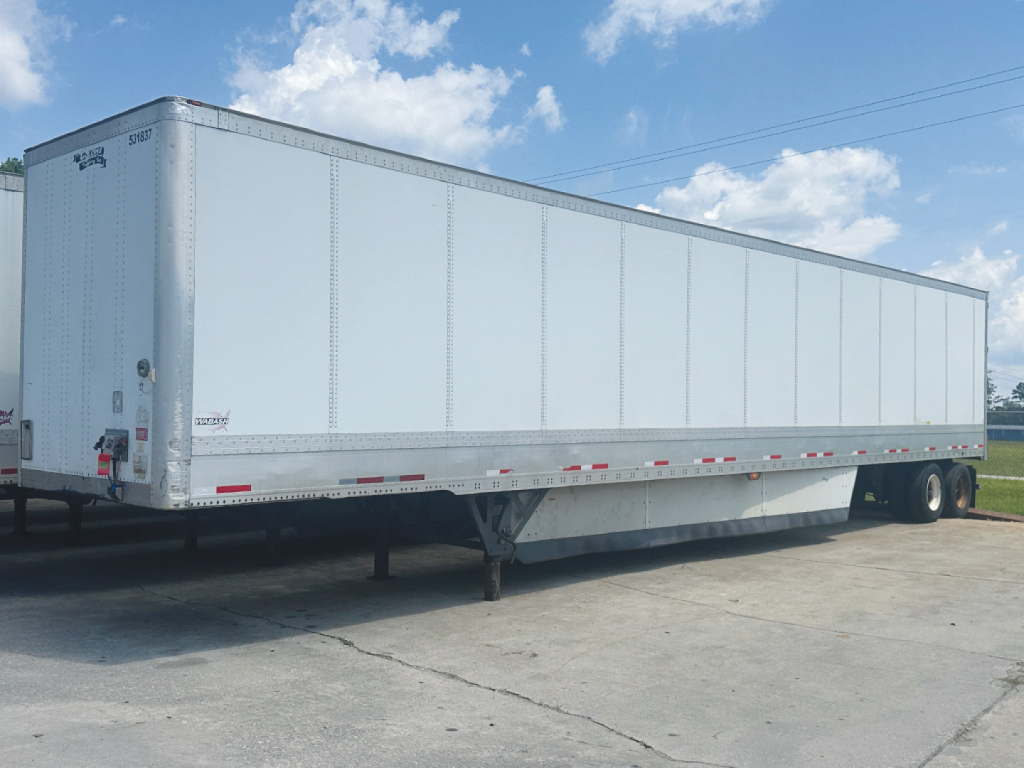
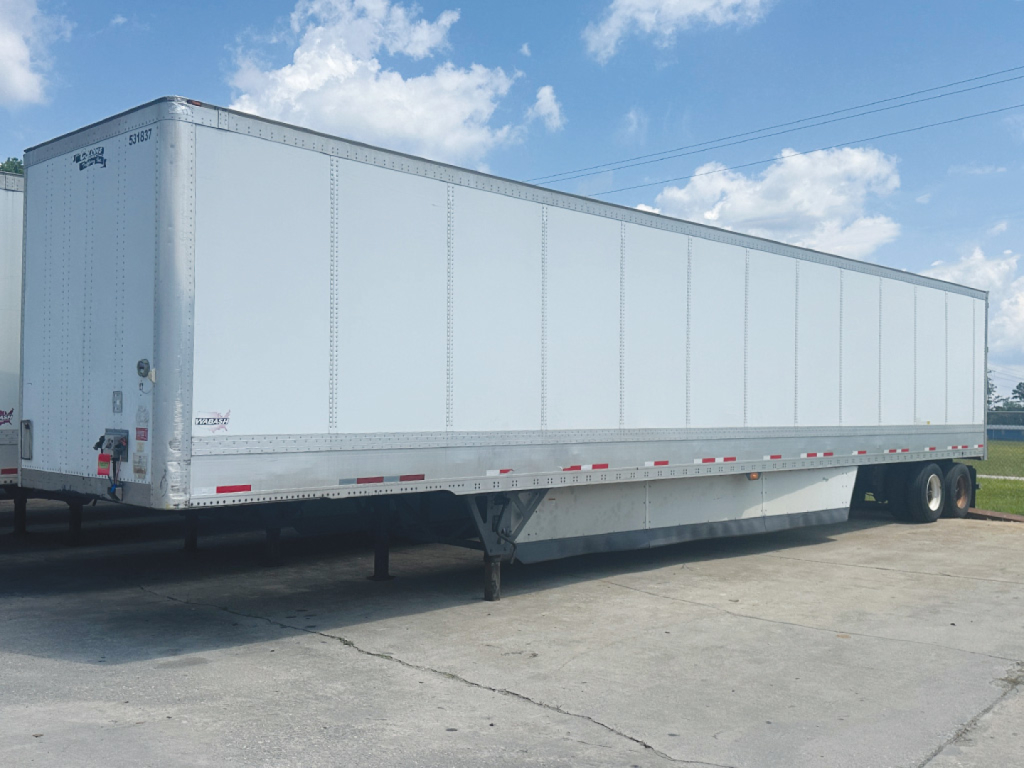
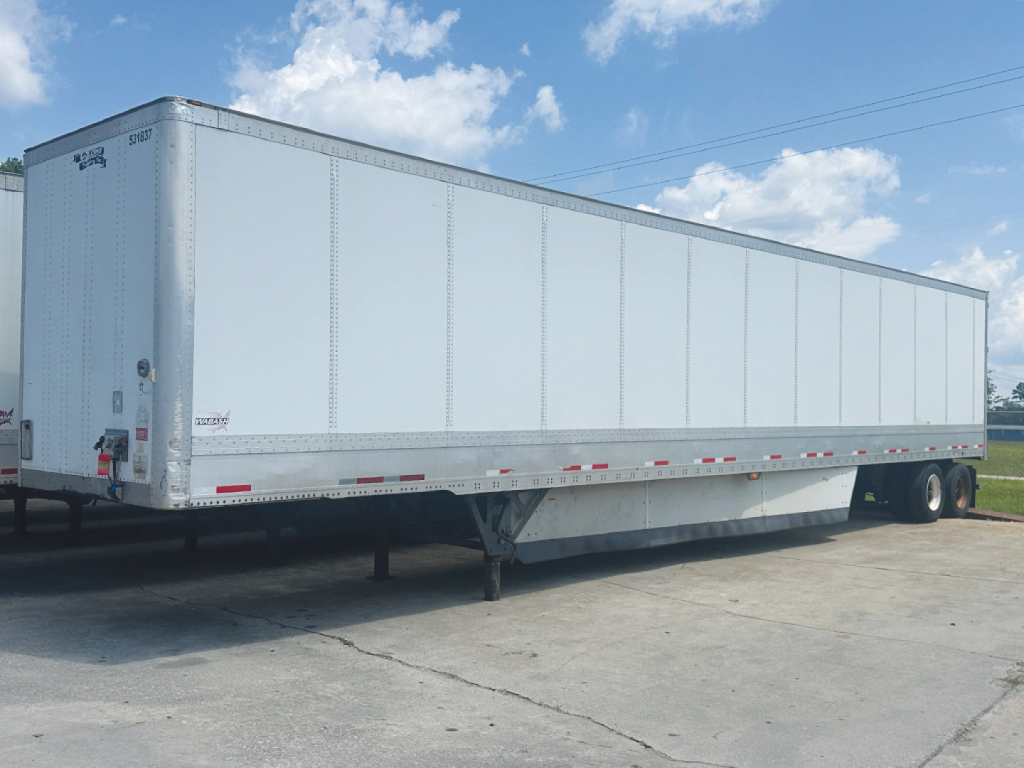
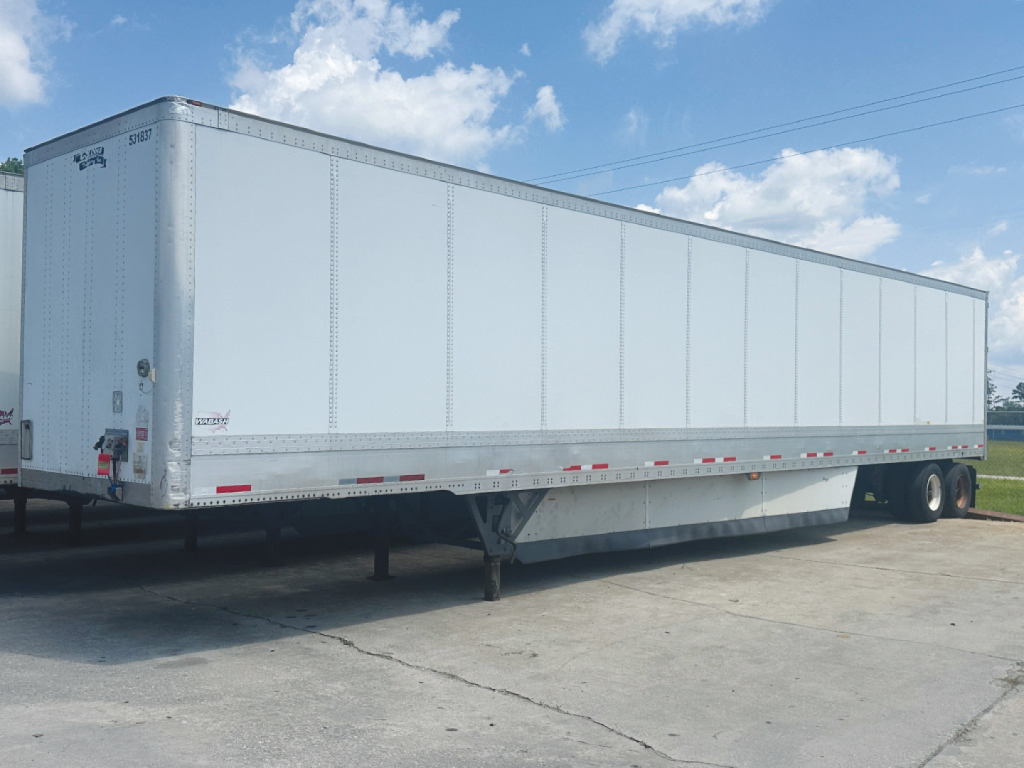
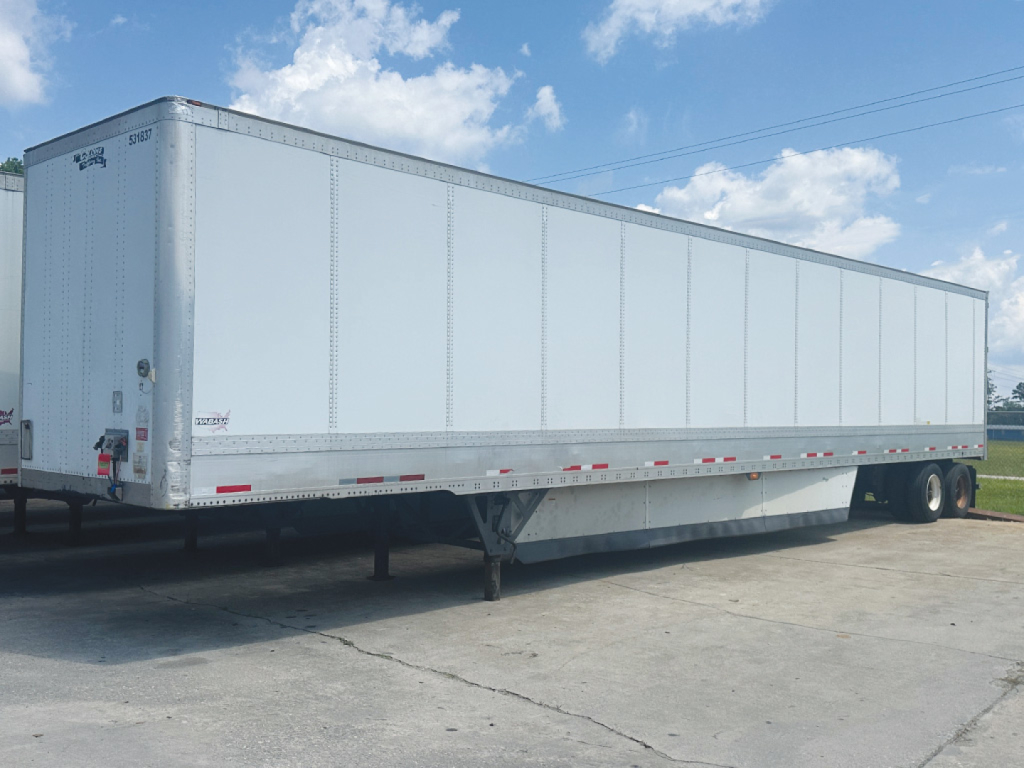
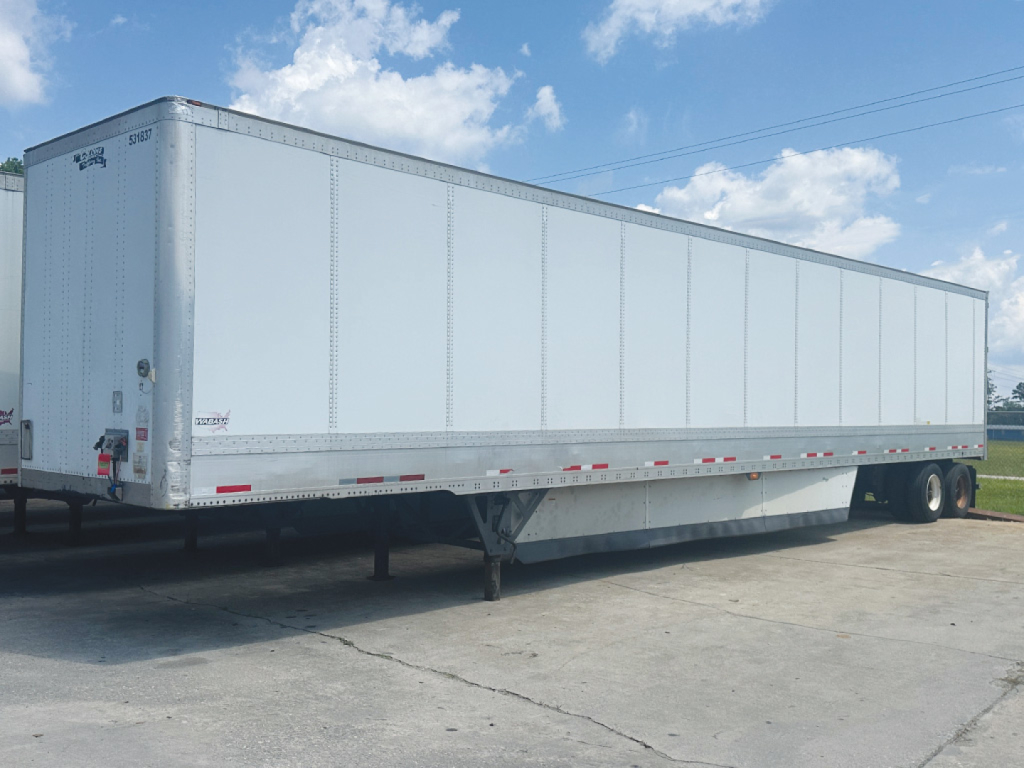
Showing 25 to 42 of 42 results
Have 2017 trailer to sell? List it here to reach thousands of buyers.
About 2017 Trailers in Georgia
Spec matters because 2017 trailers were built across a wide spread of applications. Dry vans from this era commonly show up as 53-foot, 102-inch wide units with 13-foot 6-inch overall height, aluminum roofs, wood floors, scuff liners or scuff plates, logistics posts, swing doors, and sliding tandems. Many also carry fleet-friendly options like air ride suspension, side skirts, disc wheels, and tire inflation systems. If the trailer will spend time in Georgia distribution networks or mixed dock operations, buyers usually pay close attention to floor condition, threshold plate wear, rear frame integrity, door hardware, and how well the tandem slider still locks and travels.
For flatbeds, drops, and specialized trailers, the buying checklist shifts toward deck condition, crossmember spacing, concentrated load capacity, winch track layout, axle rating, and any signs of frame repairs. Reefer buyers should add unit hours, evaporator condition, insulation integrity, and maintenance records to the top of the list. Across all trailer categories, Georgia buyers often evaluate corrosion differently than buyers in heavy road-salt states, but that does not eliminate the need to inspect the rear sill, suspension hangers, kingpin plate, landing gear mounts, and brake components. Tire age, not just tread depth, also deserves a close look on any 2017 trailer.
The strongest value in a used 2017 trailer usually comes from matching the trailer’s original build to the freight it will actually haul. A logistics-equipped van with a solid wood floor fits palletized freight and contract distribution. A trailer with air ride and good swing doors may suit dock-to-dock operations better than a rougher spring ride unit. Tandem position flexibility, overall empty weight, axle configuration, and repairability all affect long-term operating cost. For most buyers, the right 2017 trailer is the one with the cleanest structure, the most useful spec for the lane, and the clearest service record.
Frequently Asked Questions
What should I inspect first on a 2017 used trailer?
Start with the structure and running gear. Check the frame rails, crossmembers, kingpin area, landing gear supports, suspension hangers, brakes, wheel ends, and tire dates before focusing on cosmetic items. On van trailers, inspect the floor, scuff liner, rear frame, roof bows, and door frame closely because those areas often reveal how hard the trailer was worked.
Are 2017 dry van trailers still a good buy for fleet service?
Yes, many 2017 dry vans still fit fleet and dedicated lane service if they have been maintained properly. Common specs from that model year include 53-foot length, 102-inch width, sliding tandems, logistics posts, wood floors, and either spring or air ride suspension. The key is confirming floor life, tandem operation, brake condition, and any history of rear impact or dock damage.
What trailer features matter most for Georgia freight operations?
The answer depends on the freight, but buyers in Georgia often prioritize dock-friendly dimensions, sliding tandems, durable floors, and suspension specs that fit both highway and regional distribution work. For van trailers, logistics tracks, scuff protection, swing doors, and aerodynamic skirts may also matter. If the trailer will run port, warehouse, or mixed regional freight, ease of maintenance and parts availability can be just as important as purchase price.
How important is suspension type on a 2017 trailer?
Suspension type has a direct effect on ride quality, cargo protection, and maintenance profile. Air ride is often preferred for higher-value or damage-sensitive freight because it generally handles road shock better. Spring suspension can still be a practical choice for certain operations, but buyers should inspect wear items carefully and make sure the suspension matches the trailer’s intended service.
Does trailer age matter more than maintenance history?
Maintenance history usually matters more. A 2017 trailer with consistent brake service, documented tire replacement, proper wheel-end maintenance, and timely structural repairs can outperform a newer trailer that was neglected. Age still affects component life, but records and physical condition give a much clearer picture of remaining value and likely downtime.