
2017 Wabash Trailers For Sale in Georgia
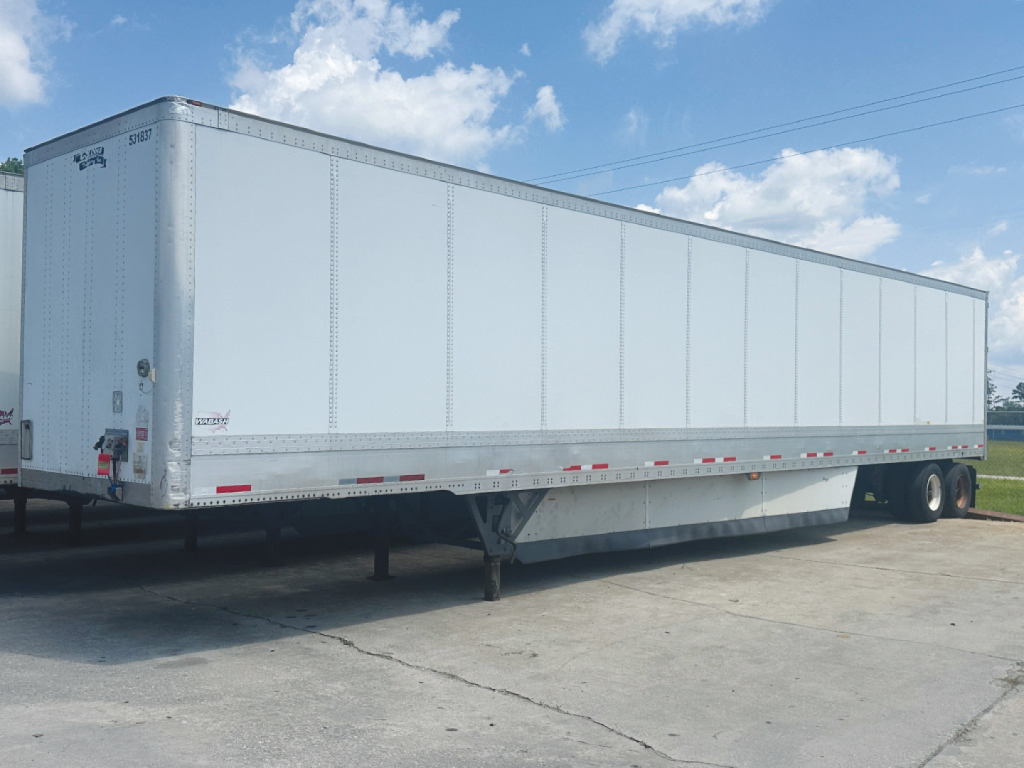
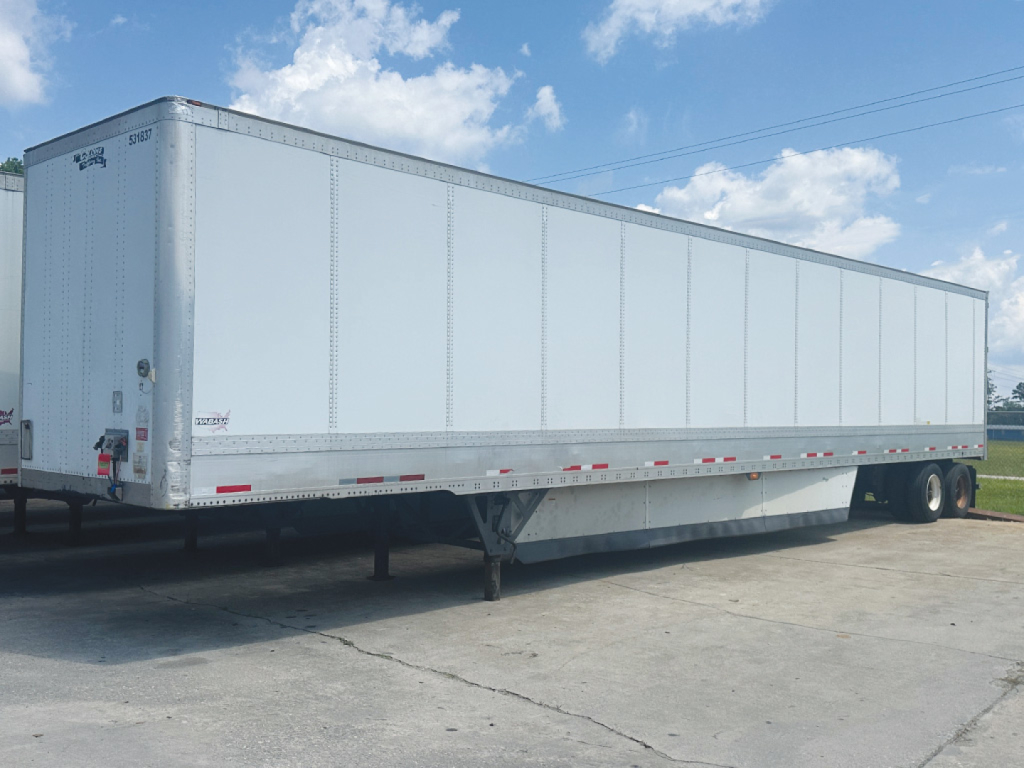
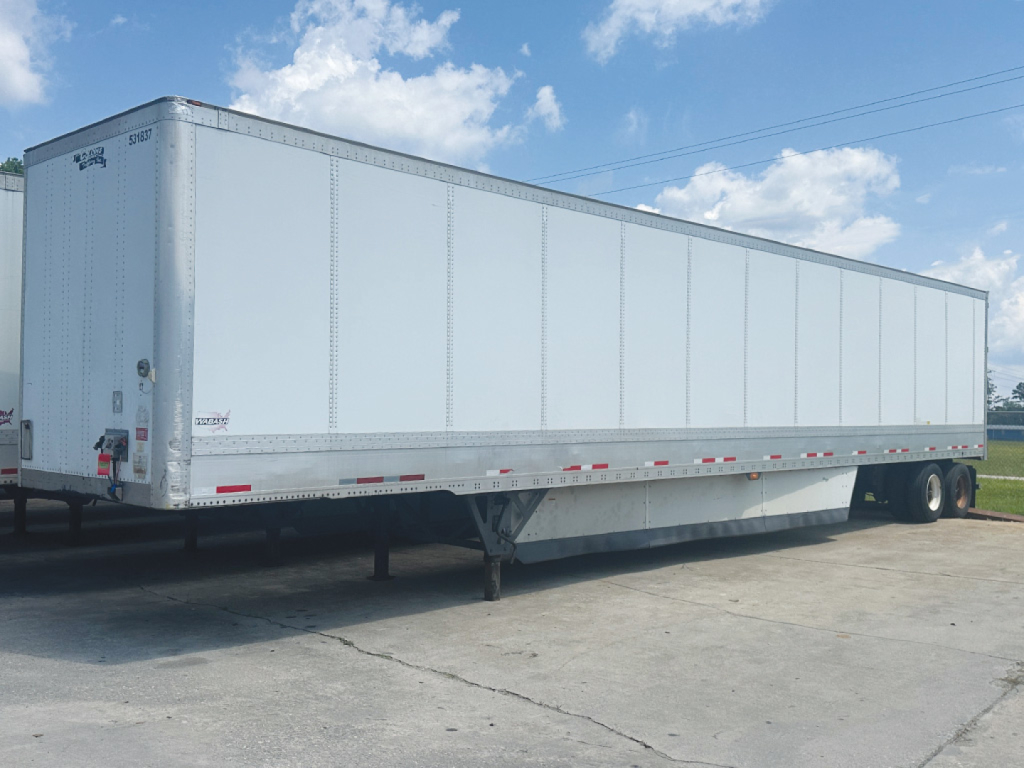
Shop 2017 Wabash trailers for sale in Georgia, including dry vans and other common configurations built for freight efficiency and fleet use.
Learn more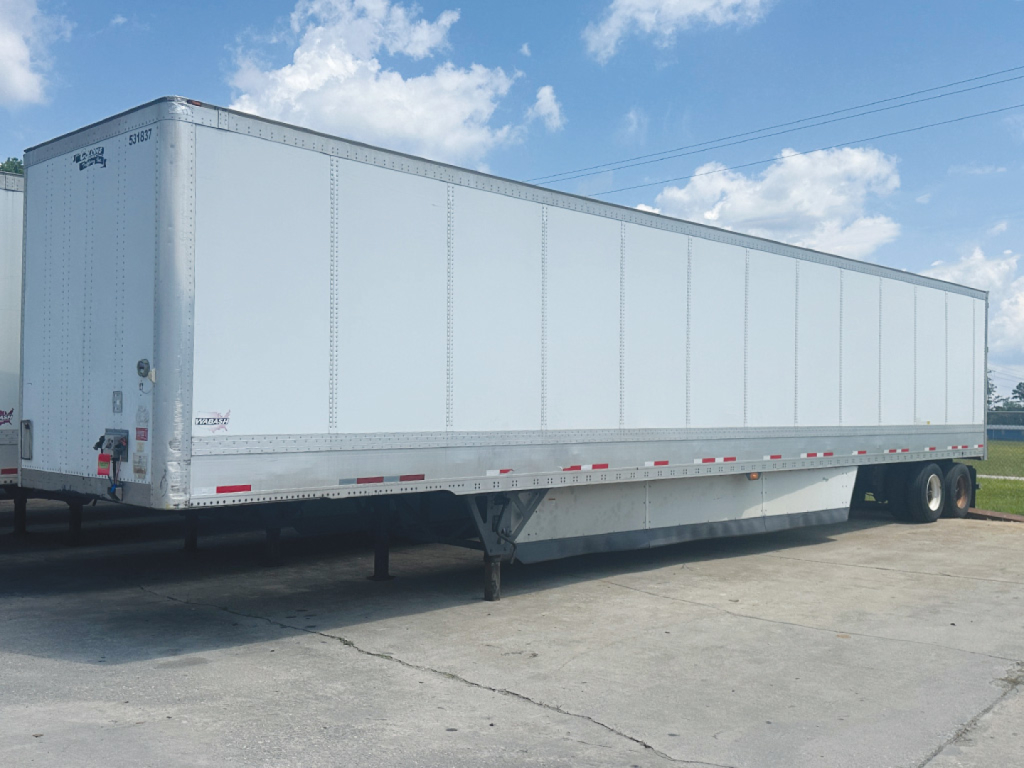
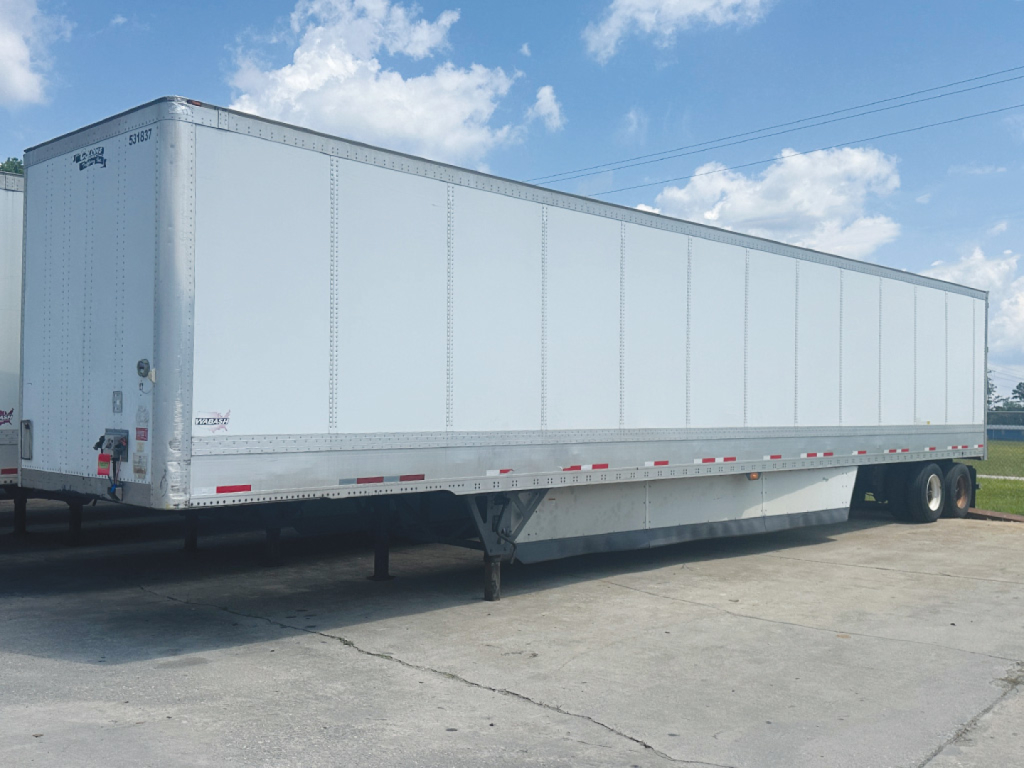
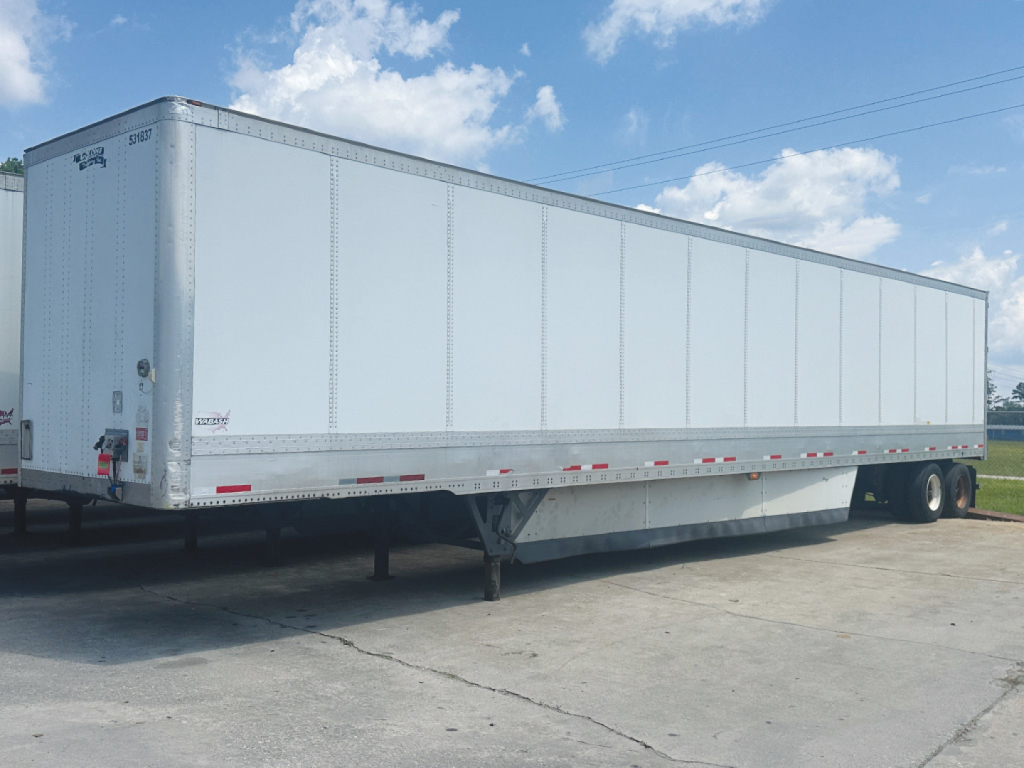
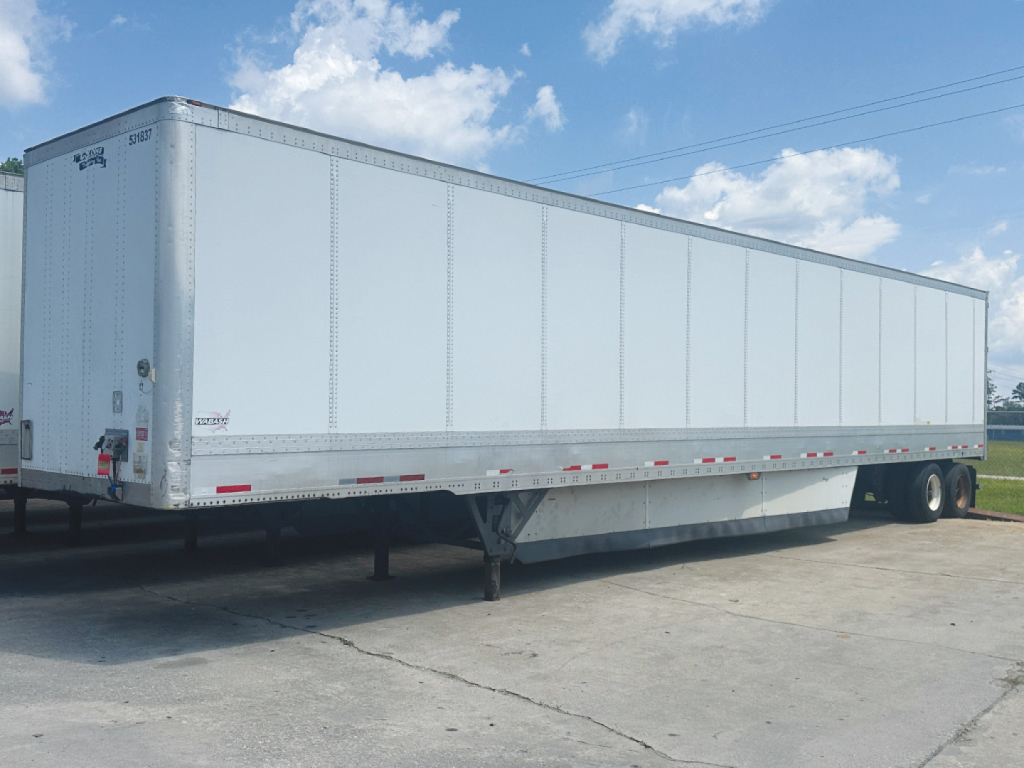
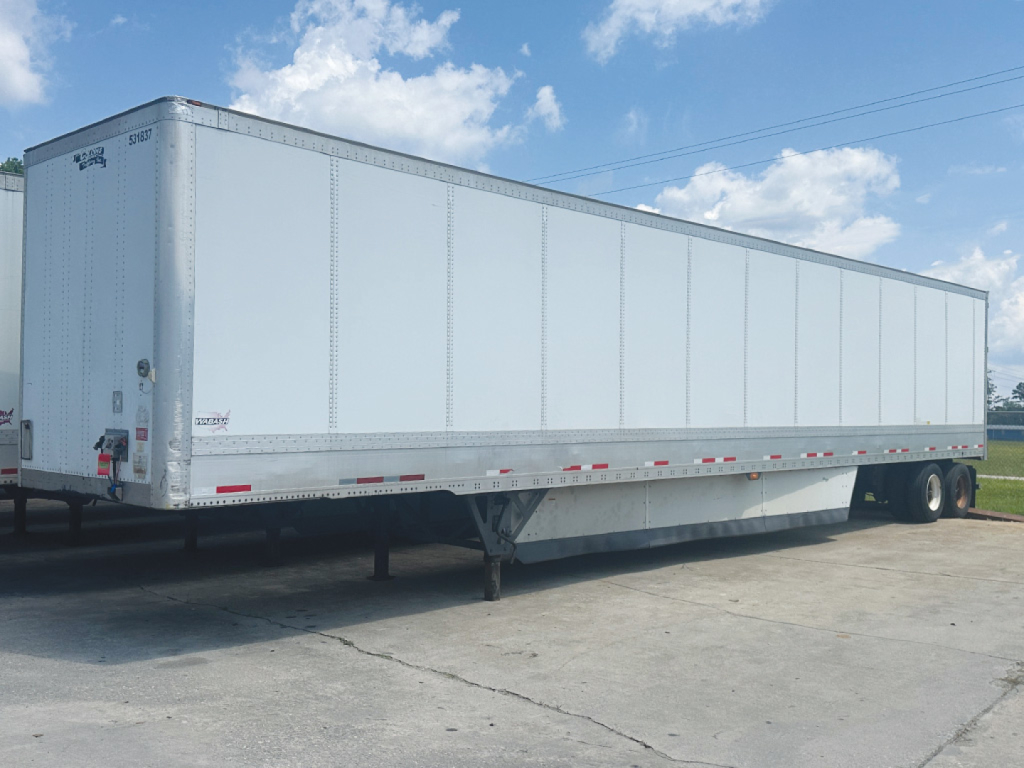
Have 2017 wabash trailer to sell? List it here to reach thousands of buyers.
About 2017 Wabash Trailers in Georgia
Frequently Asked Questions
What should I look for when buying a used 2017 Wabash dry van trailer?
Start with the structural basics: roof condition, front wall, sidewall integrity, floor wear, rear frame, crossmembers, and tandem slider operation. On a 2017 Wabash van, buyers should also inspect the logistics posts, scuff liner or scuff plate, threshold plate, and door frame for forklift impact and dock damage. Check suspension type, brake setup, wheel end condition, tire age, and signs of uneven wear. A good used trailer inspection should also confirm VIN, maintenance history, prior accident repairs, and whether the trailer has been used in high-cycle distribution service or longer-haul linehaul work.
Are 2017 Wabash trailers mostly dry vans or are other trailer types available too?
Dry vans are among the most common 2017 Wabash trailers on the secondary market, especially 53-foot DuraPlate HD and aluminum van models. That said, Wabash also built refrigerated trailers and other specialty configurations, so availability depends on the region and the type of freight moving through that market. In Georgia, dry vans and reefers tend to be the most relevant categories because of strong warehouse, retail, food, and distribution traffic around Atlanta and other freight corridors.
What are common specs on a 2017 Wabash van trailer?
Typical specs include a 53-foot trailer length, 102-inch outside width, and 13-foot 6-inch overall height. Many units have swing doors, a wood floor, logistics posts, aluminum scuff plates, sliding tandems, and either spring ride or air ride suspension. Low-profile 22.5 tires are common, and some trailers are equipped with aerodynamic side skirts to improve fuel economy. Inside height can vary, so buyers moving cube-sensitive freight should verify that measurement rather than assuming all trailers are the same.
Is air ride better than spring suspension on a used Wabash trailer?
Air ride is often preferred for higher-value or damage-sensitive freight because it generally provides a smoother ride and can help reduce cargo shock. Spring suspension is simpler and can be a solid choice for fleets that prioritize lower complexity and straightforward maintenance. The better option depends on the freight, lane conditions, and maintenance culture of the operation. On a used 2017 trailer, condition matters more than theory, so inspect bushings, hangers, airbags if equipped, and overall suspension wear before deciding.
Why do buyers pay attention to side skirts, sliding tandems, and logistics posts on 2017 Wabash trailers?
These features directly affect operating flexibility and cost. Side skirts can improve fuel economy on highway runs, which matters in regional and linehaul service. Sliding tandems help with bridge law compliance, dock positioning, and load distribution across axles. Logistics posts, also called logistic track support systems depending on the setup, make it easier to secure varied freight and improve trailer usefulness across different shippers. On the used market, those details often separate a general-purpose trailer from one that fits a specific freight mix well.