
2017 Reefer Trailers For Sale in Georgia
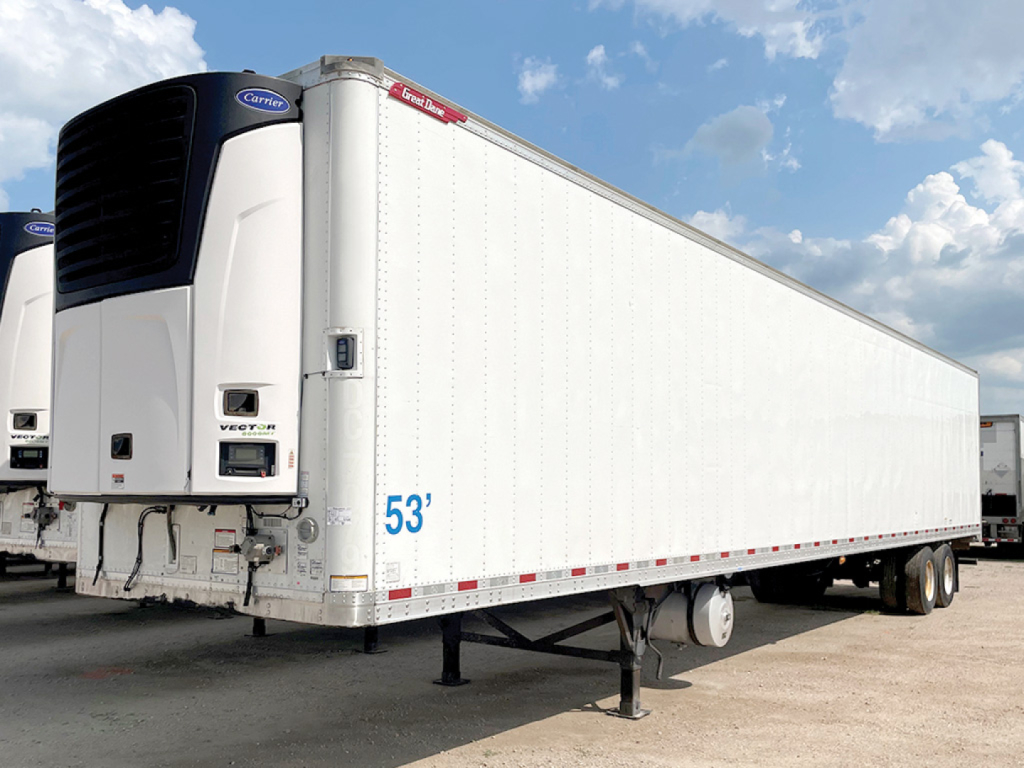
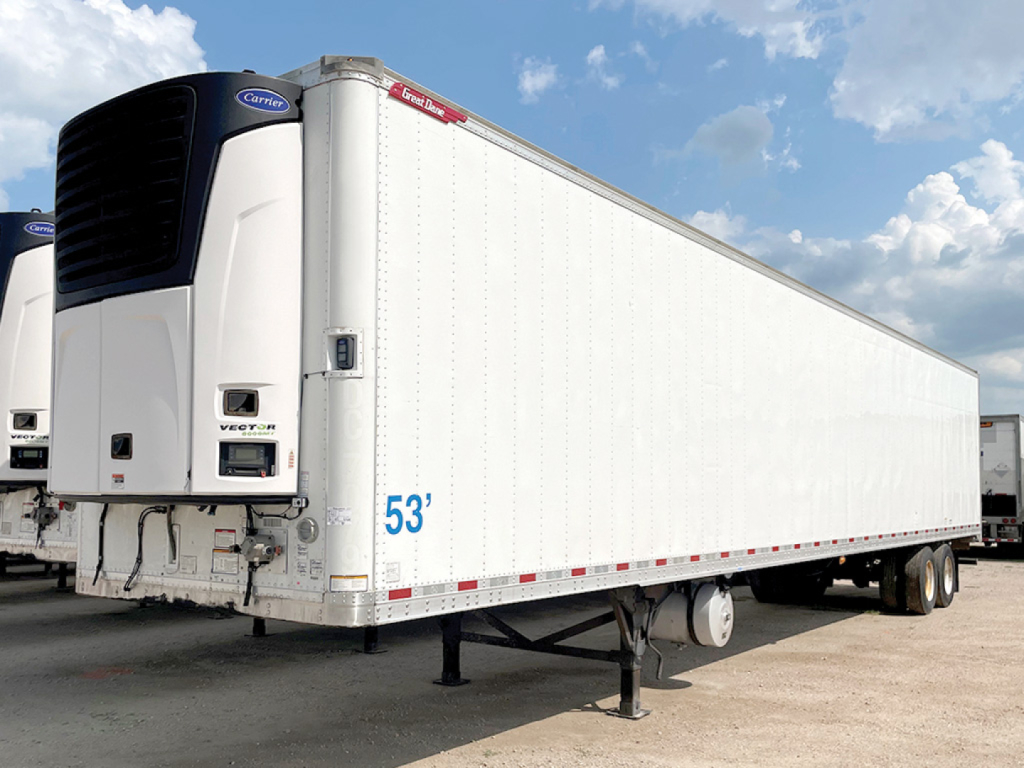
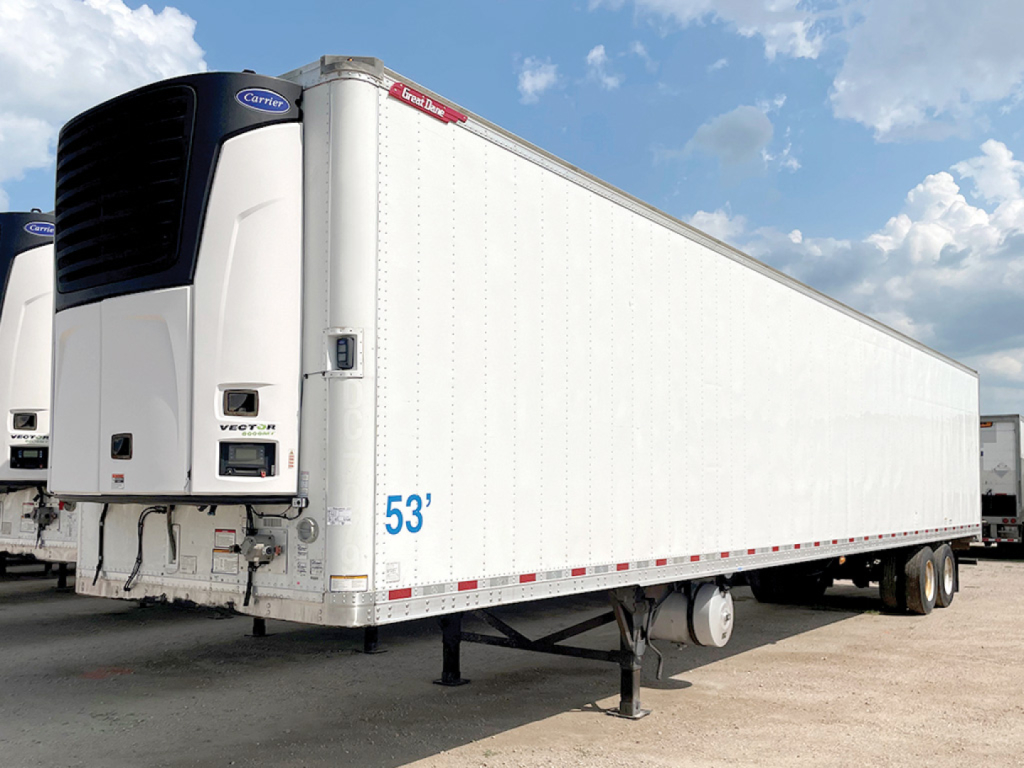
Shop 2017 reefer trailers for sale in Georgia. Compare 53-foot refrigerated trailers, reefer units, floors, suspension, doors, and specs.

Selling a 2017 reefer trailer? List your 2017 reefer trailer for sale and reach thousands of commercial buyers.
2017 Reefer Trailers in Georgia
Most 2017 reefer trailers in this segment are 53 feet long, 102 inches wide, and built with an interior height around the low-90-inch range. Common specs include aluminum duct or flat floors, scuff liners or scuff plate, stainless steel rear frames, sliding tandems, and either air ride or spring suspension. Floor style matters more than many buyers expect. Duct floors are common for consistent airflow under pallets, while flat floors can be easier in certain loading applications but still need to be matched to the freight profile. Door configuration also affects daily use. Swing doors are still common in long-haul refrigerated service, while roll-up doors, curbside doors, and liftgates can make sense for multi-stop delivery work.
Condition on a used reefer trailer is more than cosmetics. Buyers should inspect the interior lining for punctures, check the floor for forklift damage and soft spots, look for leaks around the front wall and door frame, and confirm the insulation package is still performing. It is also worth checking the chute or air delivery system, rear vents, door seals, tire inflation system if equipped, brake type, and tandem slide operation. Reefer trailers working in Georgia heat and humidity need strong insulation integrity and dependable unit performance, especially for produce season and regional grocery freight. A trailer that looks clean but short cycles, struggles to pull down temperature, or shows uneven box cooling can become expensive quickly.
For many operations, a 2017 refrigerated trailer hits the practical middle ground between age, spec, and cost. Buyers comparing listings should look at unit hours, service records, recent PM work, trailer weight, floor type, and whether the trailer was set up for long-haul linehaul or local delivery. Side skirts, disc brakes, low-profile tires, e-track, cold chutes, and stainless trim can all add value depending on the route and commodity. Also known as a refrigerated trailer or simply a reefer, this equipment class is built to protect cargo first. The right trailer is the one that matches the temperature range, loading method, and delivery pattern of the freight it will haul every week.
Frequently Asked Questions about 2017 Reefer Trailers in Georgia
What should I check first on a 2017 reefer trailer?
Start with the refrigeration unit, then move to the trailer body. Confirm reefer engine hours, maintenance records, recent repairs, and whether the unit can hold temperature consistently. After that, inspect the floor, insulation, interior liner, door seals, chute system, and front wall for signs of damage or air loss. A used reefer trailer is only as good as its box integrity and unit performance together.
Is a 2017 reefer trailer still a good choice for regional freight in Georgia?
Yes, a 2017 reefer trailer can still be a very practical choice for regional refrigerated freight if it has been maintained properly. Georgia operations often involve high ambient temperatures, frequent loading cycles, and tight delivery windows, so the trailer needs solid insulation and a dependable refrigeration unit. Service history, box condition, and temperature performance matter more than model year alone.
What floor type is best in a refrigerated trailer?
That depends on the freight and loading pattern. Aluminum duct floors are widely preferred because they support airflow under the load and help maintain even temperature throughout the trailer. Flat floors may work well in some delivery applications, but buyers need to make sure the refrigeration system and loading practices still allow proper air circulation. Forklift wear and floor damage should be checked closely on either design.
What are common specs on a 2017 reefer trailer?
Many 2017 reefer trailers are 53 feet long, 102 inches wide, and 13 feet 6 inches tall overall, often with inside heights around 93 inches depending on the build. Common equipment includes sliding tandems, air ride or spring suspension, stainless rear frames, scuff liners, swing or roll-up doors, and 22.5 low-profile tires. Some trailers also include side skirts, tire inflation systems, disc brakes, liftgates, e-track, or curbside doors for specialized delivery work.
How do I know if a reefer trailer was set up for long-haul or local delivery?
The spec usually tells the story. Long-haul reefer trailers often have swing doors, duct floors, air ride suspension, and a simpler interior aimed at full pallet loads and consistent highway use. Local delivery units may have roll-up doors, curbside access doors, liftgates, and cargo control features such as e-track to handle frequent stops and mixed freight. Matching the trailer's original configuration to your route structure can improve both efficiency and maintenance costs.