
2017 Great Dane Trailers For Sale in Georgia
Browse 2017 Great Dane trailers for sale in Georgia, including reefer and multi-temp specs, common features, and buyer-focused guidance.

Selling a 2017 great dane trailer? List your 2017 great dane trailer for sale and reach thousands of commercial buyers.
2017 Great Dane Trailers in Georgia
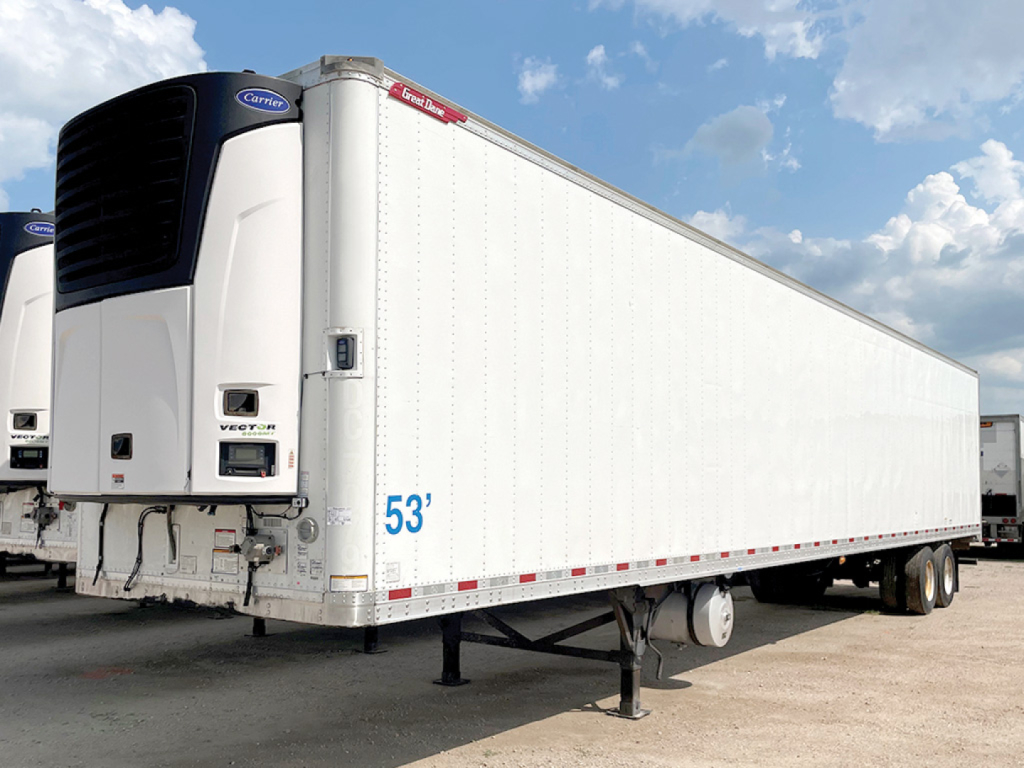
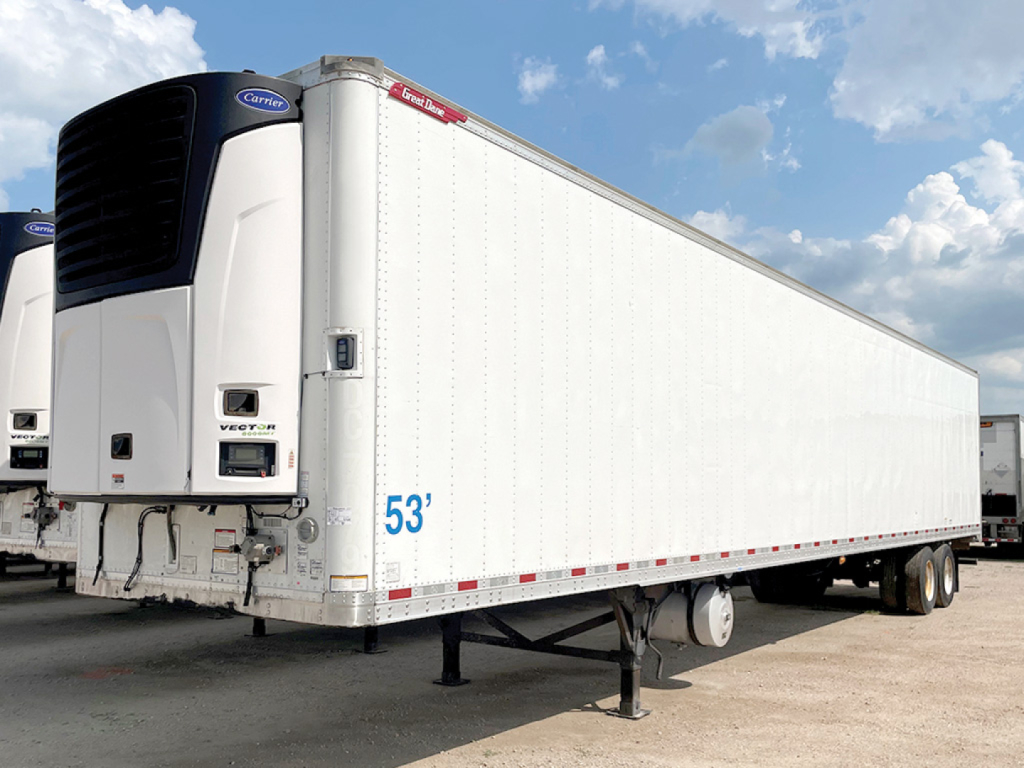
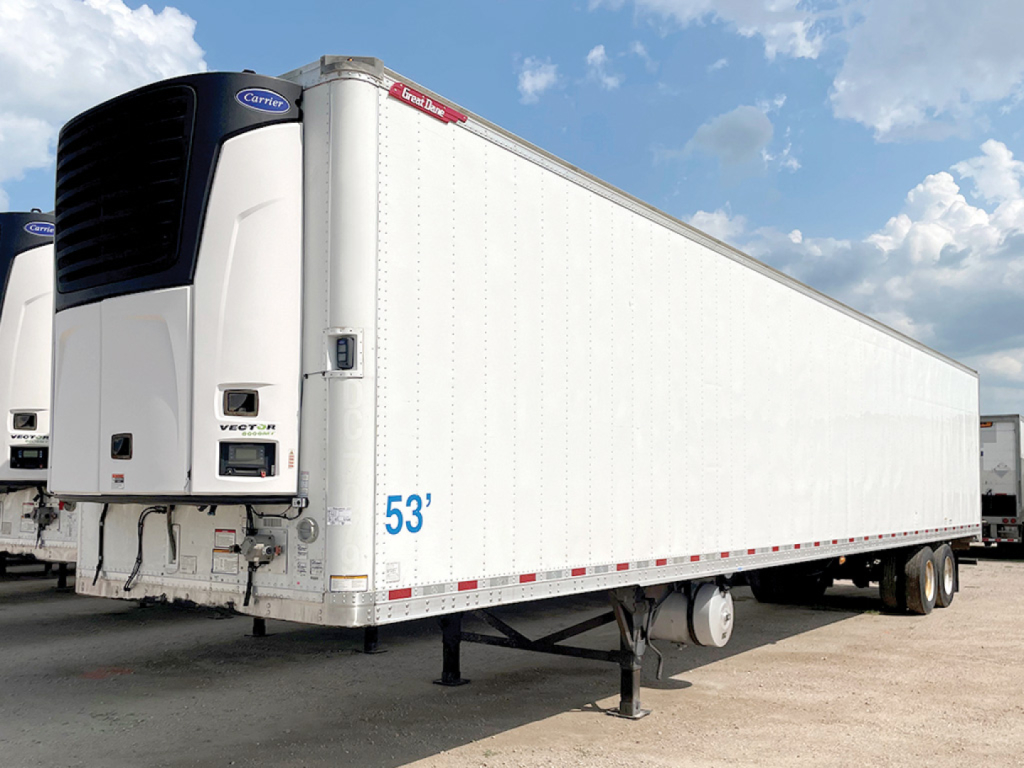
On 2017 Great Dane multi-temp reefer trailers, the refrigeration package is one of the first things to evaluate. Common setups include Carrier Vector 8600MT and Thermo King Precedent C-600M units. For buyers handling mixed frozen and fresh loads, multi-temp capability matters because it allows zone control and tighter product segregation. Interior specs such as aluminum flat floors, scuff plates, threshold plates, stainless steel door frames, and E-track all affect day-to-day durability and load securement. Roll-up rear doors can be a plus in frequent stop applications because they speed dock work and reduce the swing clearance needed behind the trailer, though they should be checked closely for seal condition and door track wear.
Running gear and maintenance items deserve as much attention as the box and reefer unit. Many 2017 Great Dane trailers in this class use spring suspension, sliding tandems, 22.5 low-profile tires, and disc wheels, with some units also equipped with disc brakes, side skirts, rub rails, and tire inflation systems. Sliding tandems remain important for bridge law compliance and dock positioning, especially in regional and multi-stop work. Disc brakes can reduce stopping distances and simplify brake service compared with older drum setups, while tire inflation systems can help protect casing life and fuel economy. Buyers should still inspect suspension bushings, slider rail wear, crossmembers, floor condition, door hardware, and reefer engine hours, since those items often tell the real story of how a trailer has been used.
Great Dane trailers from this model year are generally bought for practical reasons: standard dimensions, recognizable components, and strong acceptance across fleet maintenance networks. For refrigerated work, the smartest comparison is not just year and price, but reefer brand, zone configuration, interior condition, insulation integrity, and operating history. In Georgia service, corrosion is usually less severe than in northern road salt markets, but buyers should still check the underside, rear frame area, and any damage around the evaporator, bulkheads, or sidewall lining. A well-kept 2017 Great Dane reefer can still be a productive trailer for regional grocery, cold-chain LTL, produce hauling, and dedicated distribution if the unit, body, and running gear all line up with the lane.
Frequently Asked Questions about 2017 Great Dane Trailers in Georgia
What should I look for first on a 2017 Great Dane reefer trailer?
Start with the refrigeration unit model, hours, maintenance records, and whether the trailer is true multi-temp or a single-zone reefer. After that, inspect the floor, lining, scuff protection, rear door seals, bulkheads, and signs of air leaks or insulation damage. On a 2017 trailer, condition matters more than age alone, especially if the unit has spent years in high-cycle grocery or foodservice work.
Are 2017 Great Dane Multi-Temp trailers good for regional food distribution in Georgia?
Yes, they are commonly well-suited for regional food distribution because the 53-foot platform, standard dock height, and multi-temp refrigeration setup fit grocery, produce, and mixed-load routes. Georgia operations often benefit from trailers with roll-up doors for frequent stops, sliding tandems for legal flexibility, and durable interior components like E-track and scuff plates. The best fit depends on how often the trailer is loaded, how many stops it makes, and whether frozen and chilled freight need separate zones.
Which refrigeration units are common on 2017 Great Dane multi-temp trailers?
Carrier Vector 8600MT and Thermo King Precedent C-600M are common units found on this model year and trailer type. Both are established platforms with broad service support, but buyers should compare hours, repair history, fuel usage, and zone-control performance instead of choosing by brand name alone. A clean pre-trip performance test and documentation of recent service can be more valuable than a lower purchase price.
Do features like disc brakes, side skirts, and tire inflation systems add value on a used 2017 Great Dane trailer?
They often do, especially for buyers focused on operating cost and uptime. Disc brakes can improve braking consistency and reduce some maintenance labor, side skirts may help fuel economy in highway service, and tire inflation systems can reduce irregular wear and roadside tire events. These features only add real value if they are complete, functional, and not nearing major repair needs, so inspection is still essential.
Is a 2017 Great Dane trailer too old for fleet service?
Not necessarily. A 2017 trailer can still fit fleet or owner-operator service if the body is straight, the floor and lining are sound, the slider works properly, and the refrigeration unit has documented maintenance. Many fleets continue to run trailers in this age range successfully, but they usually buy based on total condition, reefer performance, and expected repair exposure rather than model year by itself.