
2016 Trailers For Sale in North Carolina
Browse 2016 used trailers for sale in North Carolina, including reefer, tank, dry van, flatbed, and specialty trailer configurations.

Selling a 2016 trailer? List your 2016 trailer for sale and reach thousands of commercial buyers.
2016 Trailers in North Carolina
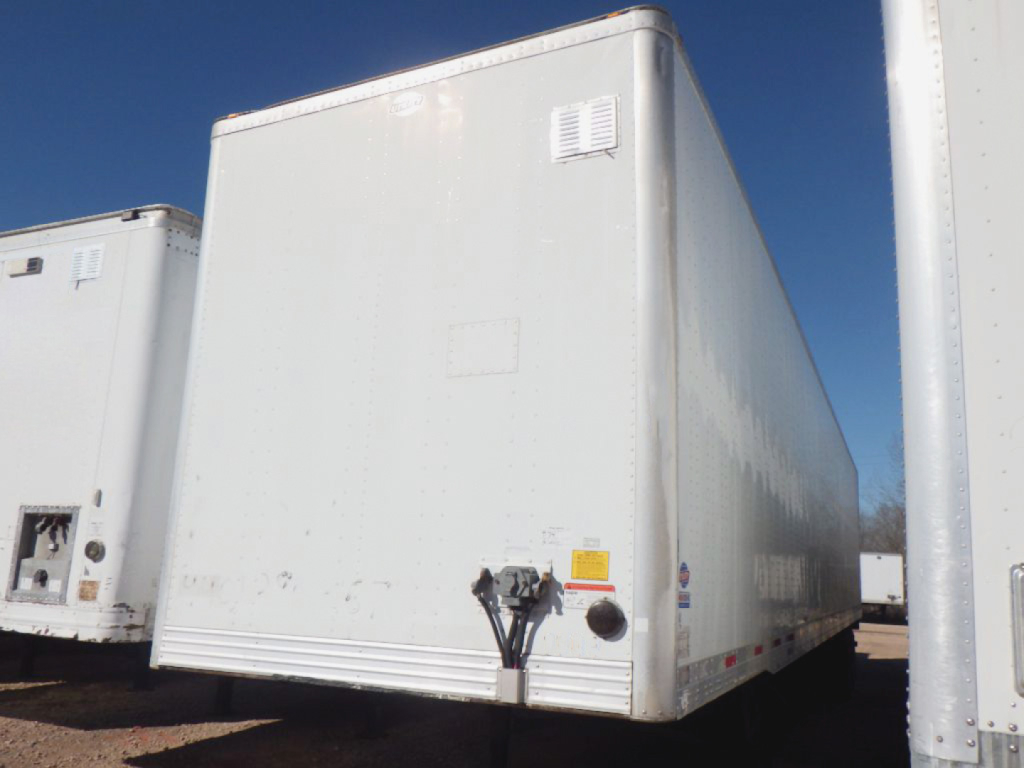
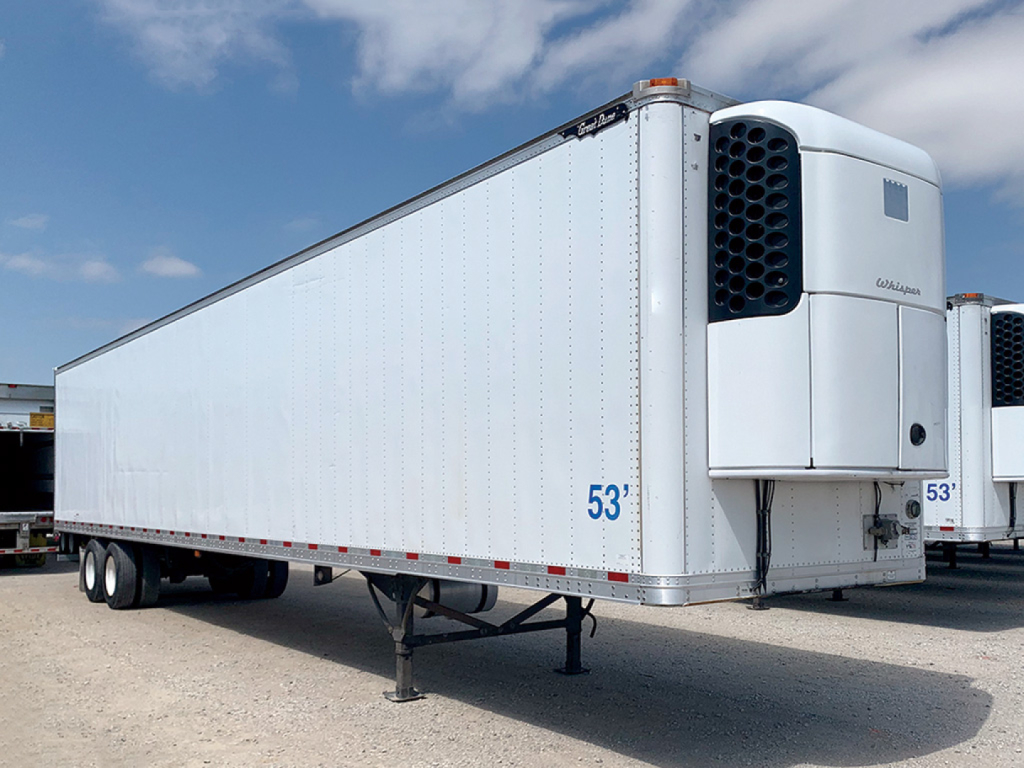
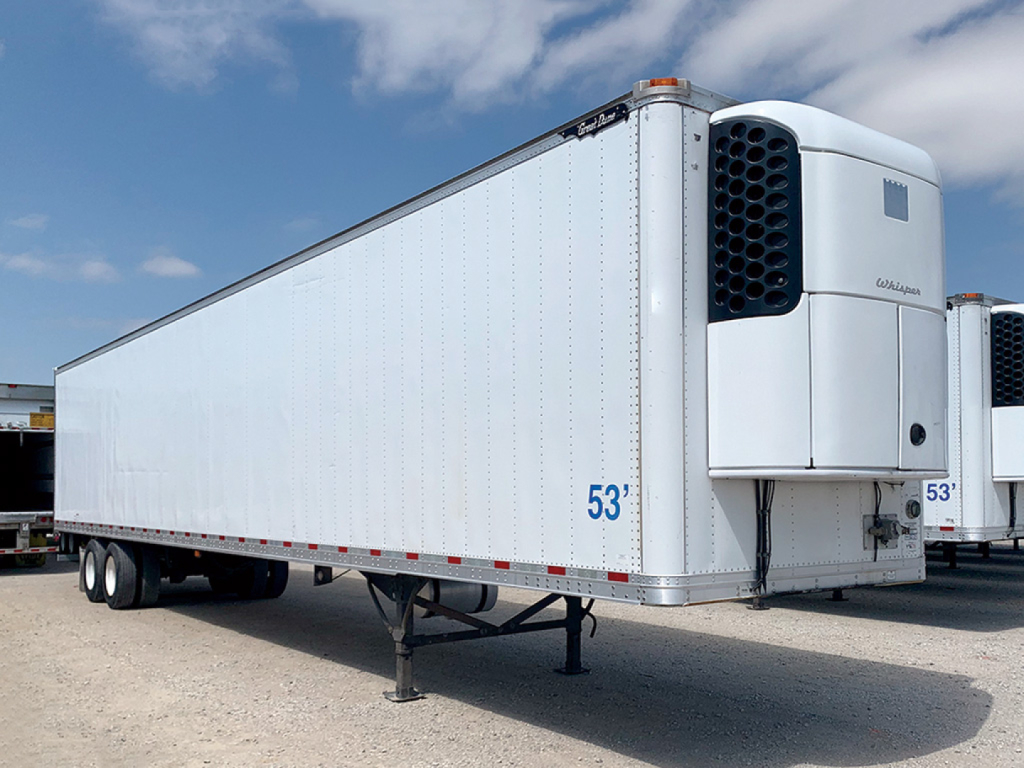
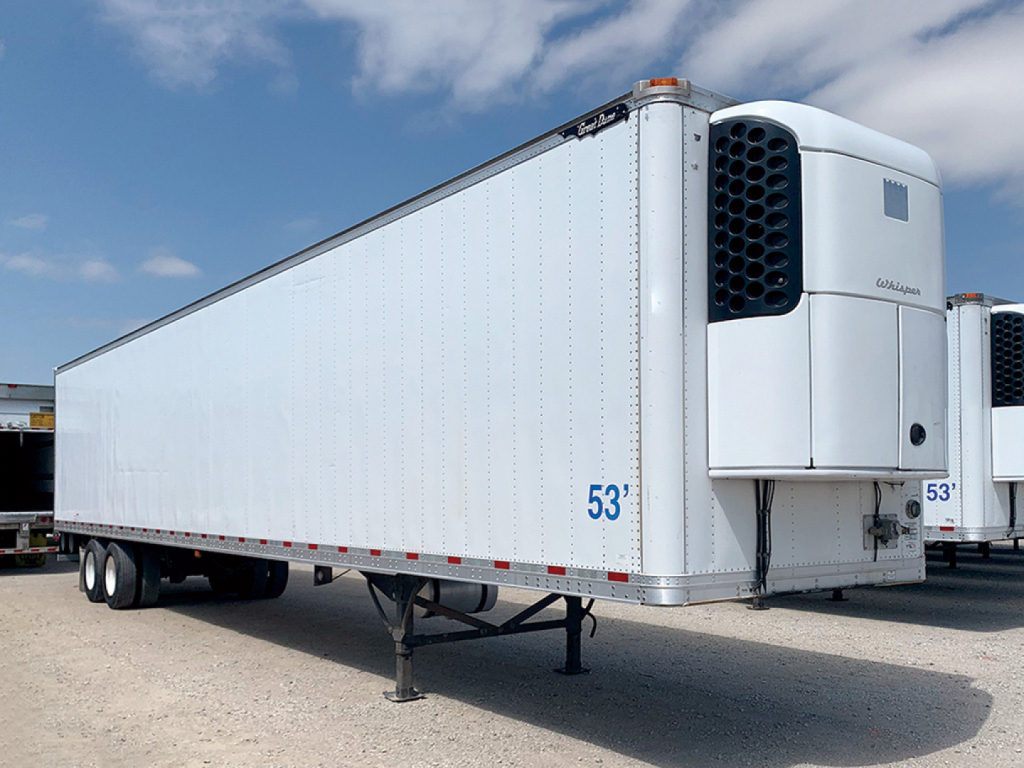
For van and reefer buyers, focus first on body integrity and cargo-handling specs. Common details in this age group include aluminum construction, 102-inch width, air ride or spring suspension, sliding tandems, duct or flat floors, scuff liners, E-track, roll-up or swing doors, and tire inflation systems. Reefer shoppers should look closely at the refrigeration unit hours, service history, chute or bulkhead setup, floor wear, and signs of previous patching around the front wall, drain areas, and rear frame. If the trailer will stay in grocery, produce, or multi-stop distribution, details like side doors, stainless door frames, and heavy-duty duct floors can make a real difference in uptime and loading efficiency.
Tank trailer buyers in the 2016 market should verify the DOT specification, barrel material, insulation, compartment layout, discharge configuration, and test status before comparing price alone. Stainless DOT 407 units remain common for chemical and food-grade applications, but barrel design, plumbing, and air off capability need to match the product being hauled. A straight-round or double-conical barrel, center or side discharge, hose tube layout, and pressure package all affect how the trailer performs on dedicated routes. Suspension type, wheel-end condition, and corrosion around subframe and mounting points are also key, especially for trailers that have seen chemical service or coastal exposure.
A smart comparison on any 2016 trailer comes down to maintenance records, structural condition, tire and brake life, and how closely the spec matches the intended lane. Check roof, floor, crossmembers, rear frame, suspension bushings, kingpin area, ABS system, and lighting before putting too much weight on appearance. North Carolina buyers also tend to evaluate how well a trailer will run both short regional freight and longer Southeast corridors, so practical specs like tandem adjustability, low-profile tires, door type, and cargo securement options usually carry more value than cosmetic upgrades alone.
Frequently Asked Questions about 2016 Trailers in North Carolina
What should I inspect first on a used 2016 trailer?
Start with the structural items that are expensive to repair and directly affect safety. Inspect the frame, crossmembers, kingpin plate, suspension mounts, axle alignment, brakes, tires, wheel ends, ABS function, lights, and rear impact guard. On van and reefer trailers, also check the floor, roof, front wall, door frame, and signs of water intrusion or collision repair. On tank trailers, review barrel condition, weld areas, discharge plumbing, valves, and current inspection or test documentation.
Is a 2016 reefer trailer still a good buy for regional or over-the-road service?
A 2016 reefer can still be a productive trailer if the body is sound and the refrigeration unit has documented maintenance. The key factors are unit hours, temperature pull-down performance, condition of the floor and insulation, and the integrity of the doors and seals. Buyers should also confirm that the reefer unit brand, service network, and emissions compliance fit their operating area and customer requirements.
What trailer specs matter most for North Carolina operations?
North Carolina operations often involve a mix of regional distribution, food freight, manufacturing freight, and port-related lanes, so flexibility matters. For vans and reefers, 53-foot length, 102-inch width, sliding tandems, air ride suspension, and durable floors are common priorities. For tank work, the right DOT code, corrosion-resistant construction, discharge setup, and current test status are critical. Buyers should also consider bridge law needs, dock compatibility, and how the trailer will perform on both urban and interstate routes.
How do I compare a 2016 tank trailer to other used trailer types on value?
Tank trailer value depends less on age alone and more on specification and compliance. A properly spec'd stainless unit with the correct DOT rating, current tests, good barrel condition, and the right plumbing for the product can hold value well. By comparison, van and reefer trailers are often judged more heavily on structural wear, floor condition, and cargo-handling features. The best value comes from matching the trailer's exact spec to the freight, not simply choosing the lowest-priced unit.
Are air ride and sliding tandems worth prioritizing on a 2016 trailer?
In many applications, yes. Air ride suspension helps protect sensitive freight and can improve ride quality, while sliding tandems add flexibility for axle weight distribution and dock positioning. These features are especially useful in reefer and dry van service where load balance, customer dock conditions, and route requirements vary. They may not matter the same way on every specialty trailer, but for general freight and temperature-controlled hauling, they remain highly desirable specs.