
2016 Reefer Trailers For Sale in North Carolina
Browse 2016 reefer trailers for sale in North Carolina. Compare 53-foot refrigerated trailers, reefer units, floors, suspension, and specs.
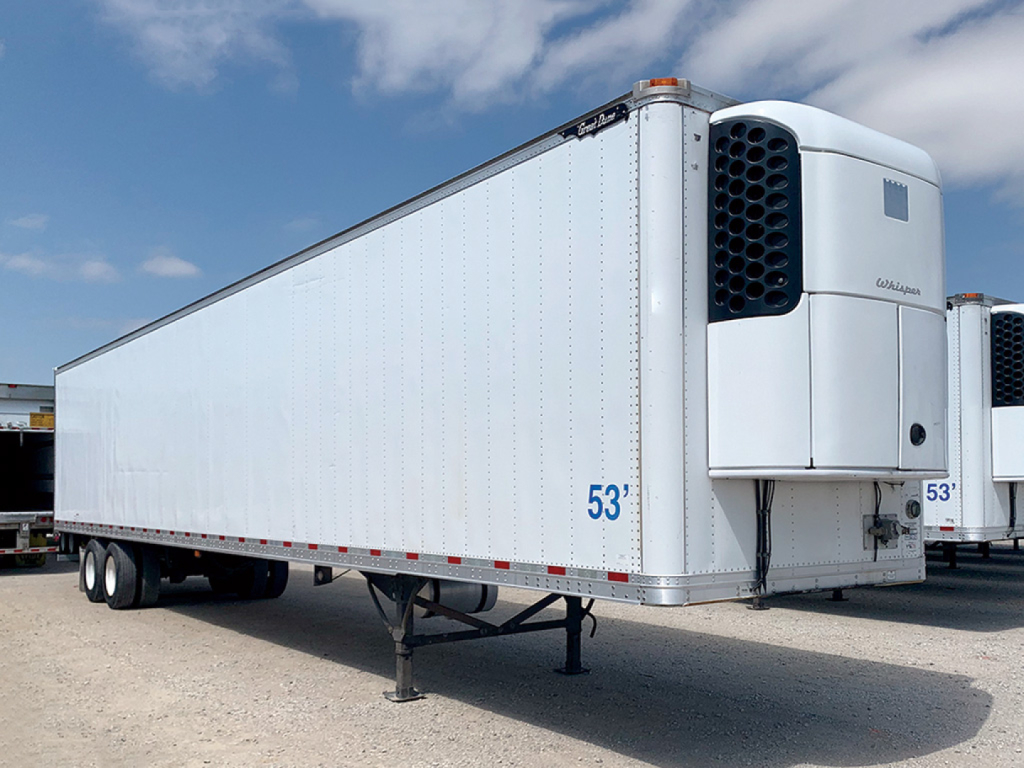
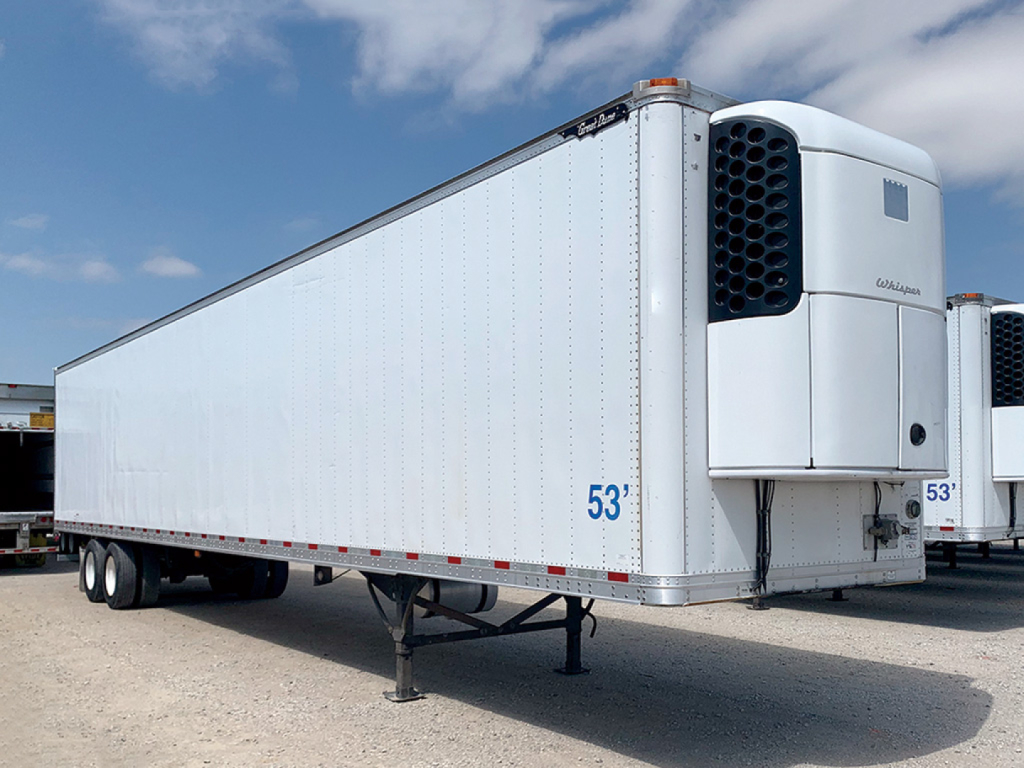
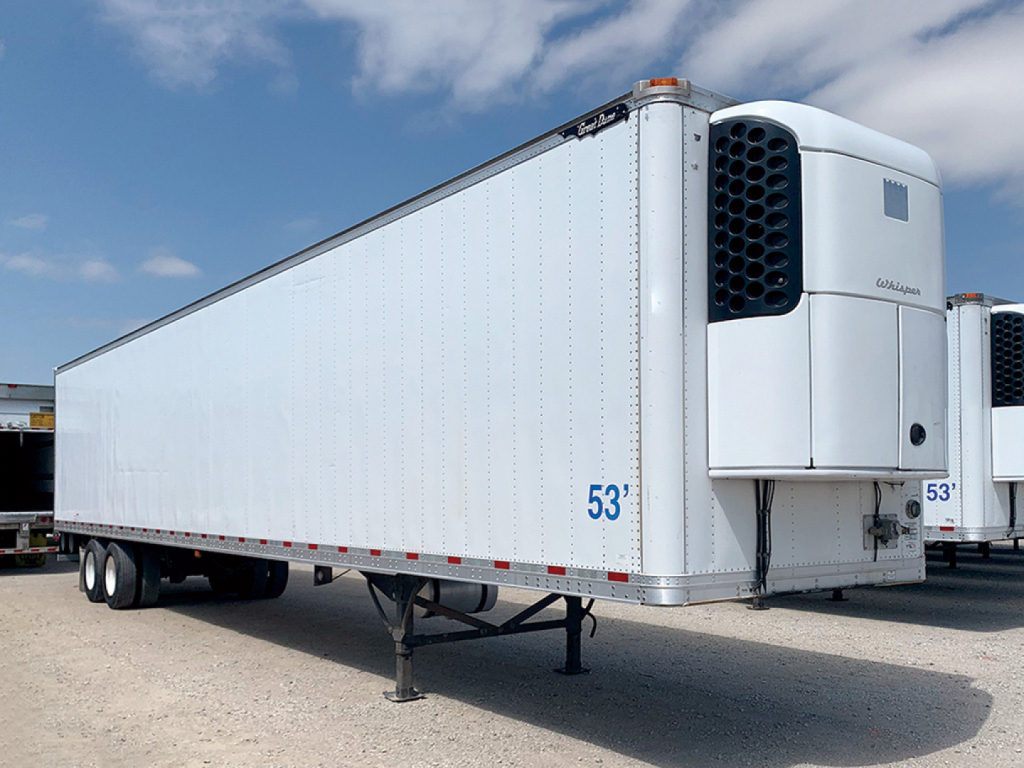

Selling a 2016 reefer trailer? List your 2016 reefer trailer for sale and reach thousands of commercial buyers.
2016 Reefer Trailers in North Carolina
The refrigeration package is the first place to focus. Many 2016 reefer trailers are paired with Carrier or Thermo King units, and the exact model matters because fuel efficiency, noise level, parts support, and temperature recovery can vary quite a bit. Buyers should confirm engine hours, electric standby if required, service history, and whether the trailer is set up for single-temp or multi-temp work. If the freight mix includes LTL foodservice or route delivery, features like bulkheads, evaporator configuration, and chute design can matter as much as the box itself. For North Carolina operations, reefer performance in humid summer conditions and frequent door openings is a real operating consideration, not just a spec sheet item.
Inside the box, floor and wall configuration will affect both cargo protection and ease of loading. Heavy-duty aluminum duct floors are common on reefer trailers hauling palletized food because they support airflow under the load while holding up to forklift traffic. Flat floors can work well for certain multi-temp or route applications, but they need to match the commodity and loading style. Scuff liners, scuff plates, E-track, and stainless steel rear frames or door surrounds are all useful indicators of how the trailer was spec'd and how it may hold up in dock service. Door style matters too. Swing doors are common in full-truckload cold chain work, while roll-up doors may suit frequent-stop operations where dock clearance and quick access are priorities.
A strong 2016 reefer trailer should also be evaluated like any other trailer chassis. Look at tire size and age, wheel material, brake type, suspension condition, tandem slider operation, and overall structural integrity around the rear frame, crossmembers, and kingpin area. Check roof condition, wall repairs, floor wear, and door seal integrity, since air leaks and insulation issues can cost more over time than a visible cosmetic defect. In North Carolina, where reefers may run regional grocery lanes, port-related distribution, or long-haul produce freight, buyers usually benefit from a trailer with solid insulation, clean unit maintenance records, and specs that match the loading docks and freight profile they run every week.
Frequently Asked Questions about 2016 Reefer Trailers in North Carolina
What should I check first on a used 2016 reefer trailer?
Start with the refrigeration unit, because that is the highest-cost system and the most critical to the trailer’s earning ability. Review engine hours, maintenance records, recent repairs, temperature pull-down performance, and any alarms or fault history. After that, inspect the floor, insulation integrity, door seals, suspension, brakes, tires, and tandem slider. A reefer trailer can look clean outside and still have expensive issues in the unit or air management inside the box.
Are 2016 reefer trailers usually single-temp or multi-temp?
Most 2016 reefer trailers on the used market are single-temp, but multi-temp units are also common in foodservice and dedicated distribution applications. The difference is not just the reefer unit model. A true multi-temp setup may include bulkheads, additional evaporators, ducting, and interior configurations designed to hold separate temperature zones. Buyers should confirm how the trailer was originally spec'd and whether all multi-temp components are still present and operational.
What floor type is best in a reefer trailer?
That depends on the freight and loading pattern. Heavy-duty aluminum duct floors are a strong choice for most refrigerated freight because they protect airflow under the pallets and handle repeated forklift use well. Flat floors can be useful in some route-delivery or specialty applications, especially where interior configuration matters more than underfloor airflow. The right answer is the floor that matches the commodity, pallet pattern, and dock activity without compromising airflow or durability.
Is air ride better than spring suspension on a reefer trailer?
Air ride is generally preferred for sensitive refrigerated freight because it offers a smoother ride and better cargo protection, especially on longer regional or over-the-road runs. Spring suspension can still be a workable option and may be seen on some route or cost-conscious specs, but it usually gives up some ride quality. Suspension choice should match the freight, the road conditions, and the maintenance approach of the operation.
Why do door seals and interior condition matter so much on a reefer trailer?
Temperature control depends on more than the reefer unit itself. Worn door seals, damaged lining, poor floor condition, and insulation breakdown all make the unit work harder and can lead to inconsistent box temperature. That raises fuel use, increases unit wear, and puts loads at risk. A trailer with a sound box structure and tight seals is often more valuable in real operating terms than one with a newer-looking exterior.