
2016 Trailers For Sale in New Mexico
Shop 2016 trailers for sale in New Mexico, including flatbed, reefer, hopper, and specialty trailer options for regional and long-haul work.
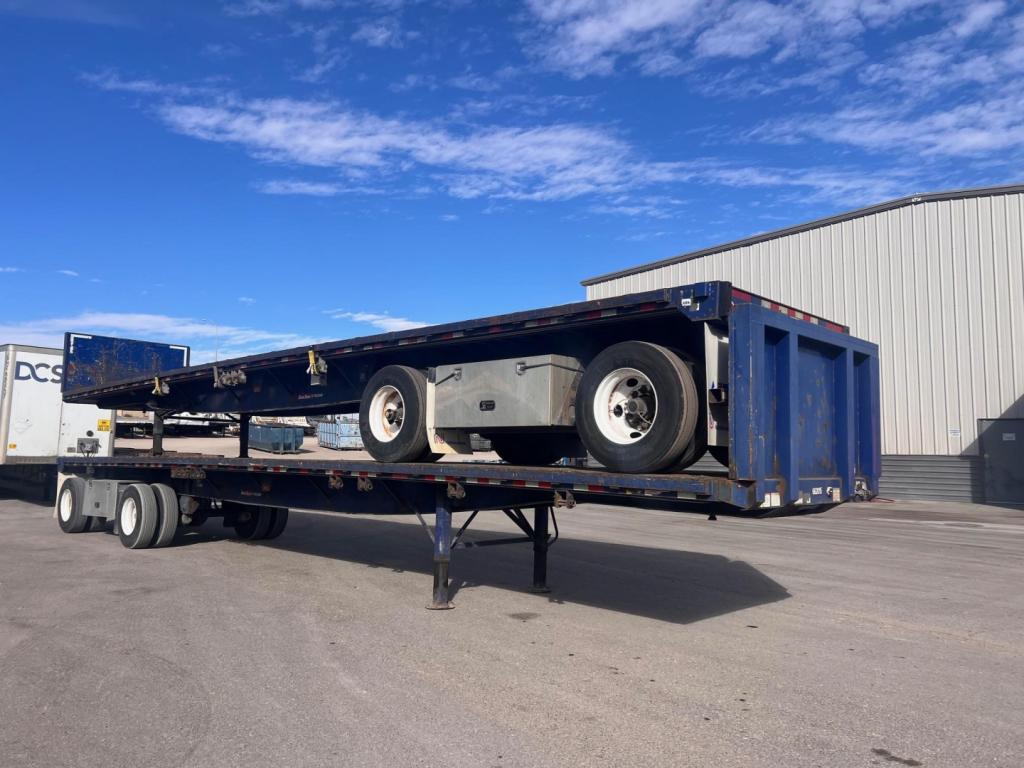
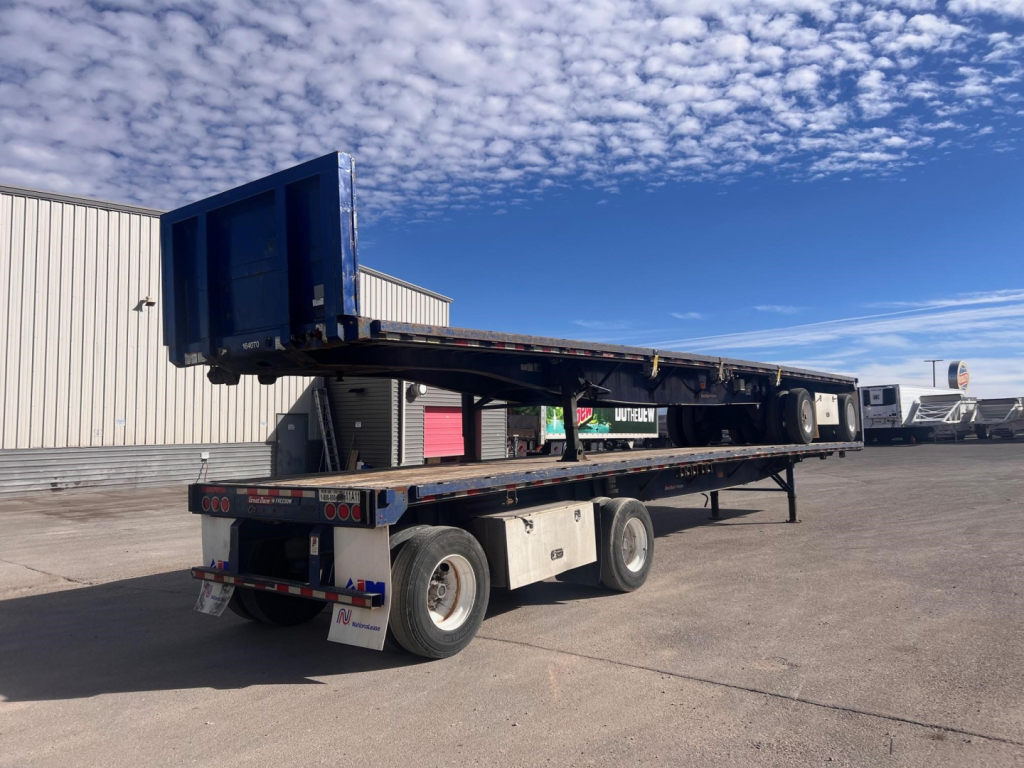
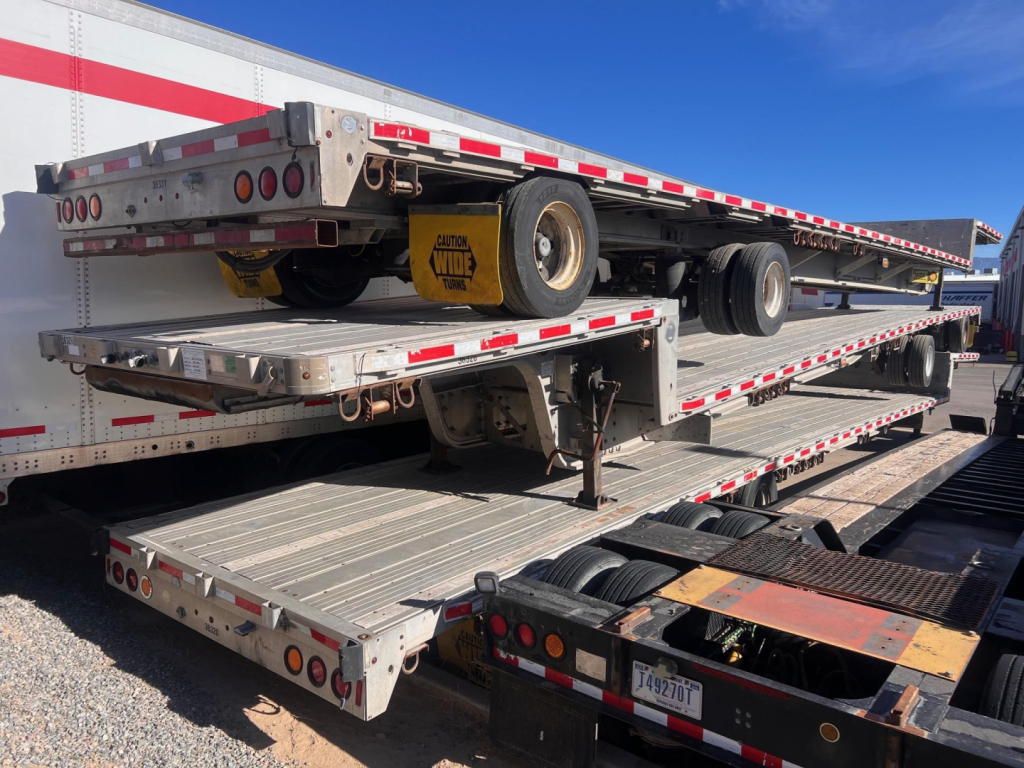
Selling a 2016 trailer? List your 2016 trailer for sale and reach thousands of commercial buyers.
2016 Trailers in New Mexico
For flatbeds, buyers usually focus on 48- and 53-foot lengths, 102-inch width, aluminum or combo construction, air ride suspension, and fixed or sliding tandem setups. Details like stake pockets, pipe spools, sliding winches, coil packages, nail strips, and bulkheads matter because they determine how flexible the trailer is across steel, lumber, machinery, and building materials. On reefer trailers, the condition of the insulated body and refrigeration unit is as important as the chassis. Buyers should look closely at reefer hours, chute and duct floor condition, door seal integrity, scuff liners, tire inflation systems, and CARB compliance if the trailer may operate across western lanes.
Hopper and agricultural trailers from the 2016 model year remain relevant for grain, feed, and bulk commodity work, but trap operation, tarp condition, suspension wear, and structural integrity around the hopper bays deserve close inspection. In a state like New Mexico, dust, sun exposure, and wide temperature swings can age tarps, seals, hoses, and electrical components faster than the frame itself. Tire size, wheel mix, brake setup, and landing gear condition also affect operating cost more than many buyers expect, especially on trailers that see repeated regional loading cycles.
A good 2016 trailer purchase usually comes down to maintenance history and spec discipline rather than age alone. Check for crossmember repairs, floor wear, kingpin and apron condition, slider function, suspension bushing wear, brake life, ABS faults, and signs of prior overloading. Buyers comparing multiple 2016 trailers should also think about resale liquidity. Standard specs such as tandem axles, air ride, 53-foot length, and common tire sizes are generally easier to place back into the market than highly specialized builds. When the trailer’s configuration matches the freight lane, dock environment, and tractor setup, a 2016 model can still deliver strong service life and dependable cost-per-mile.
Frequently Asked Questions about 2016 Trailers in New Mexico
What should I inspect first on a used 2016 trailer?
Start with the structural areas that are expensive to repair or critical to safety. Check the frame rails, crossmembers, kingpin plate, suspension mounts, axle alignment, brake system, and floor condition. On sliding tandem trailers, make sure the slider box, locking pins, and rail structure operate correctly and do not show excessive wear. Cosmetic condition matters less than evidence of proper maintenance, straight tracking, and a solid undercarriage.
Are 2016 reefer trailers still a good buy?
A 2016 reefer trailer can still be a strong buy if the box is tight and the refrigeration unit has been maintained correctly. Buyers should verify reefer engine hours, service records, unit performance under load, fuel system condition, evaporator and condenser condition, door seal integrity, floor wear, and insulation performance. CARB compliance may also matter depending on the operating territory. A well-kept reefer body often holds value, but deferred reefer-unit maintenance can quickly erase any savings on purchase price.
What axle and suspension setups are common on 2016 trailers?
Many 2016 trailers use tandem axles with either fixed, sliding tandem, or fixed spread configurations, depending on the trailer type and freight application. Air ride suspension is common because it helps protect cargo and improves ride quality, while spring ride may appear on some vocational or lower-cost applications. The right setup depends on bridge law flexibility, dock maneuverability, weight distribution needs, and maintenance preference. Sliding tandems are especially useful for balancing axle weights and adapting to different load profiles.
Is a 2016 flatbed trailer too old for heavy commercial use?
Not necessarily. A 2016 flatbed can still perform well in heavy commercial service if the deck, main beams, crossmembers, tie-down system, and running gear are in good condition. Flatbeds often age based on freight type and securement practices more than calendar year alone. A trailer that hauled general commodity freight and received routine upkeep may be a better long-term unit than a newer trailer with a hard steel or machinery history and poor maintenance documentation.
Why do standard trailer specs matter when buying used?
Standard trailer specs usually make ownership easier and resale stronger. Common lengths like 53 feet, standard 102-inch width, tandem axles, air ride suspension, and popular tire sizes simplify parts sourcing, service scheduling, and redeployment across different lanes. Specialized dimensions or uncommon component packages can fit a narrow application very well, but they often reduce buyer demand later. For many fleets and owner-operators, spec commonality lowers downtime risk and improves marketability.