
2012 Trailers For Sale in Texas
Browse 2012 trailers for sale in Texas, including dry vans, flatbeds, lowboys, and specialty trailers with specs that matter to fleet buyers.
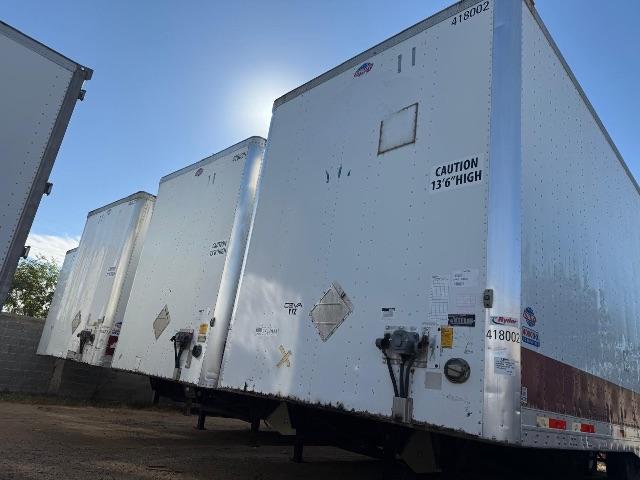

Have 2012 trailer to sell? List it here to reach thousands of buyers.
2012 Trailers in Texas
The 2012 trailer market covers a wide spread of equipment types, including dry vans, reefers, flatbeds, step decks, lowboys, drop decks, tank trailers, hopper bottoms, dumps, and specialty haulers. Dry van trailers remain one of the most common categories and are often found in 53-foot by 102-inch configurations with wood floors, scuff liners, logistics posts or E-track, swing or roll-up doors, sliding tandems, and either spring ride or air ride suspension. On open deck trailers, buyers usually compare deck length, concentrated load rating, axle spread, ramp style, kingpin setting, and deck material such as steel, aluminum, or apitong. For vocational and heavy-haul applications, axle capacity, loaded deck height, ground clearance, swing clearance, and hydraulic or pneumatic systems matter more than appearance.
A smart inspection on a 2012 trailer starts underneath. Check brake chambers, slack adjusters, bushings, air lines, ABS function, wheel-end condition, and tire wear patterns that can point to alignment or suspension issues. On vans and reefers, look closely at the floor for rot, patching, forklift damage, and moisture intrusion around the nose and rear threshold. On flatbeds and drop decks, inspect the main rails, outriggers, winch track, deck fasteners, and signs of repeated overload. If the trailer has a sliding tandem, make sure the slider pins engage cleanly and the rail is not cracked or excessively worn. Buyers should also confirm current DOT compliance items, VIN tag legibility, title status, and whether replacement parts for lights, brakes, suspension, and doors are standard and easy to source.
For Texas operations, the best 2012 trailer is usually the one that fits the freight first and needs the fewest immediate shop hours. Regional dry freight, oilfield support, construction materials, agricultural loads, and cross-border freight all call for different trailer specs. A lower-cost trailer can become expensive fast if it needs a floor, a suspension rebuild, or major brake and tire work right after purchase. Compare tare weight, payload capacity, axle ratings, deck or interior dimensions, and maintenance history before deciding. Age alone does not define trailer value. Condition, specification, and remaining service life do.
Frequently Asked Questions about 2012 Trailers in Texas
What should I look at first on a 2012 used trailer?
Start with the frame, suspension, brakes, tires, and floor or deck condition. Those areas drive repair cost fastest on an older trailer. Check for cracked welds, rust around structural points, worn bushings, uneven tire wear, air leaks, weak brakes, and damage around landing gear or rear impact areas. On enclosed trailers, inspect the roof, sidewalls, door frame, and threshold for water intrusion and forklift damage.
Is a 2012 trailer too old for regular commercial use?
Not necessarily. Many 2012 trailers are still viable in regular fleet or owner-operator service if they have been maintained and the major components are sound. Trailer age matters less than structural condition, brake and suspension health, floor integrity, and parts support. A well-kept 2012 trailer can still be a cost-effective asset, especially for regional lanes, dedicated contracts, or seasonal work.
What trailer types are common in the 2012 used market in Texas?
Texas buyers commonly find 2012 dry vans, reefers, flatbeds, step decks, lowboys, dump trailers, hopper trailers, and other specialty equipment. Dry vans are especially common in 53-foot tandem axle setups, while open deck and vocational trailers vary widely by axle count, deck height, and load rating. The available mix often reflects Texas freight demand, including general freight, construction, agriculture, and energy-related hauling.
How important is suspension type on a 2012 trailer?
Suspension type has a direct effect on ride quality, freight protection, maintenance cost, and resale appeal. Air ride is often preferred for higher-value freight and smoother handling, while spring ride can be simpler and lower cost in some applications. On a 2012 trailer, the bigger question is not just the design but the current condition of hangers, bushings, air bags, shocks, and alignment-related components.
Should I worry about parts availability for a 2012 trailer?
Yes, but most common trailer categories still have strong aftermarket support. Standard brake components, lights, wheel-end parts, suspension items, doors, and landing gear are usually straightforward to source if the trailer uses common specs. Buyers should be more cautious with specialty trailers, proprietary door systems, unusual suspensions, or niche body parts that can be harder or slower to replace.