
2012 Vacuum Trailers For Sale in Texas
Have 2012 vacuum trailer to sell? List it here to reach thousands of buyers.
2012 Vacuum Trailers in Texas
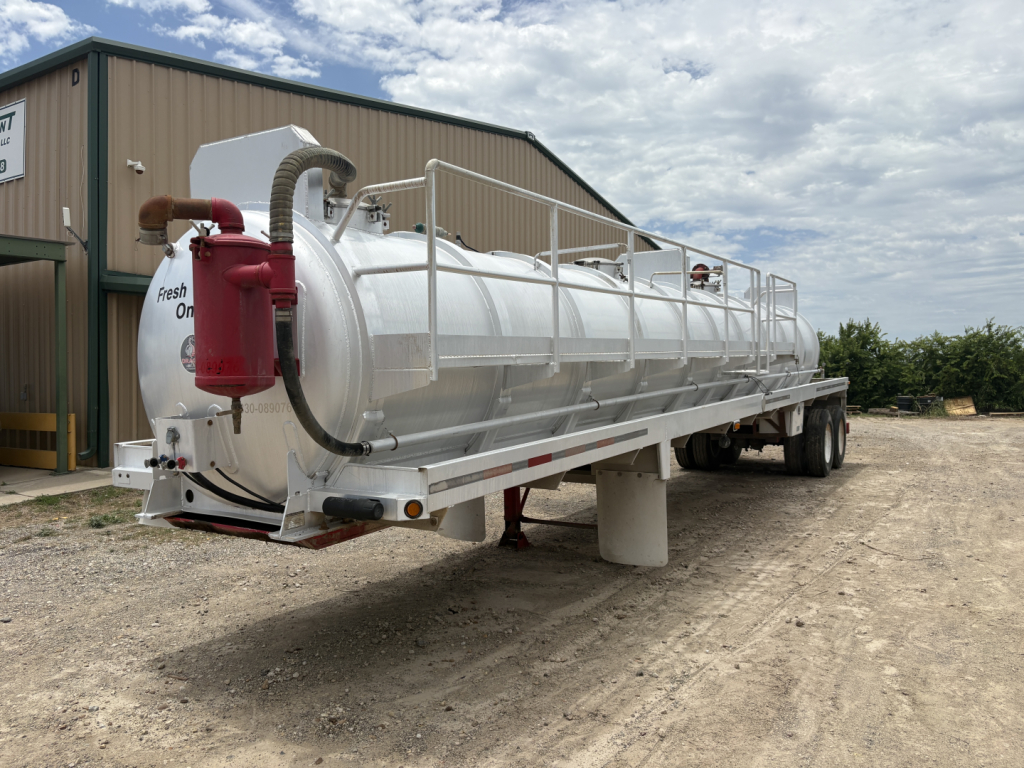
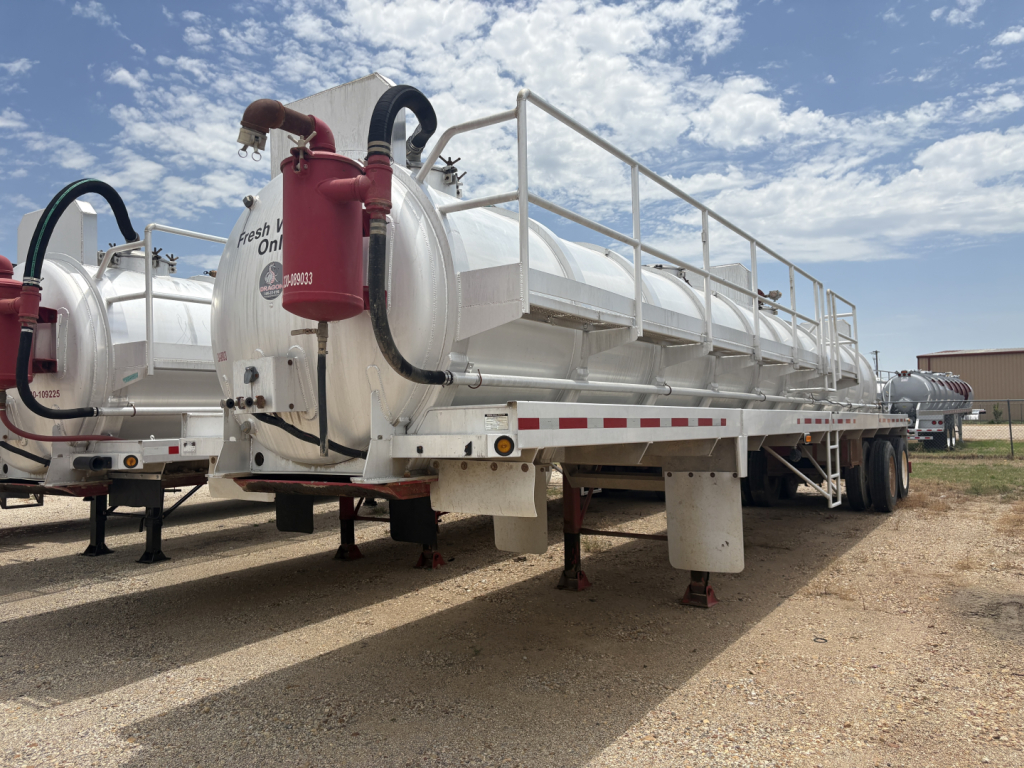
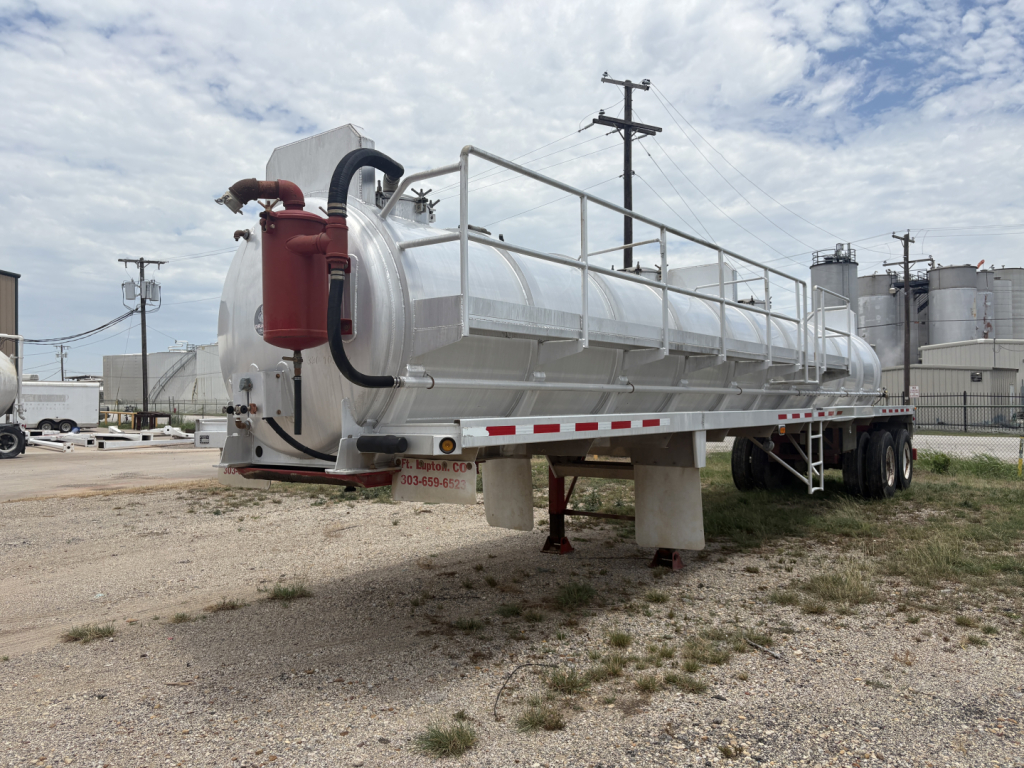
The first buying decision is usually tank configuration and vacuum system condition. On a 2012 unit, buyers should pay close attention to shell material, head thickness, baffle layout, discharge plumbing, and the condition of the primary and secondary shutoff system. Rear discharge and blowdown arrangements are common, along with 4-inch butterfly valves, multiple discharge valves, and sight glasses or level indicators on the rear head. If the trailer includes a hydraulic-driven vacuum pump, inspect pump hours if available, check for oil carryover, and confirm the relief valves, manovac gauge, and vacuum protection components are working correctly. A sound vacuum trailer should build and hold vacuum consistently without leaks around manways, gaskets, valves, or fittings.
For a 2012 vacuum trailer in Texas, application matters as much as capacity. Some are used in production water service, some in drilling and frac support, and others in industrial or municipal waste streams where product compatibility and cleanout access become more important. Full-length walkways, ladder access, anti-slip surfaces, and handrails are practical features on units that see frequent top access. Tire size, axle rating, brake spec, ABS configuration, and landing gear condition all deserve a close look because these trailers often spend time on mixed terrain and variable load cycles. Buyers should also verify whether a trailer is non-code or built to a specific pressure standard, since that affects legal use, commodity range, and customer acceptance.
A well-kept 2012 vacuum trailer can still be a productive asset if the structure is straight and the tank system has been maintained. Check for frame repairs, corrosion around valve stations, wear at the kingpin plate, and damage near the rear sump and discharge area. Review the condition of airlines, wiring, lights, mud flaps, and wheel-end components, especially on trailers that have spent years in oilfield service. For many buyers, the best value in this category comes from a trailer with a proven 150 BBL layout, clean aluminum construction, dependable vacuum plumbing, and serviceable running gear that can go to work without a long reconditioning list.
Frequently Asked Questions about 2012 Vacuum Trailers in Texas
What is the most common capacity for a 2012 vacuum trailer?
A common capacity in this category is 150 BBL, which is about 6,300 gallons. That size is widely used in Texas oilfield service because it offers useful volume without pushing trailer length and empty weight too far. It is a practical middle ground for production fluids, drilling support, and general vacuum transport work.
What should I inspect first on a used 2012 vacuum trailer?
Start with the tank and vacuum system. Check the shell, heads, baffles, manways, gaskets, valves, rear sump, and discharge plumbing for leaks, cracks, repairs, or corrosion. Then verify that the vacuum pump, relief valves, gauge, and shutoff pots function properly. After that, inspect the suspension, brakes, tires, wheel ends, kingpin area, and frame for the kind of wear that can turn a low-priced trailer into a high-cost repair project.
Are most 2012 vacuum trailers aluminum or steel?
Many 2012 vacuum transport trailers in this segment are aluminum, especially 150 BBL non-code oilfield units. Aluminum helps reduce tare weight and generally offers good corrosion resistance in fluid hauling service. Steel units are also found in the market, and they may suit certain applications, but buyers usually compare weight, repair history, and product compatibility before choosing one material over the other.
What is the difference between a non-code vacuum trailer and a code trailer?
A non-code vacuum trailer is generally intended for vacuum service and low-pressure applications within the limits of its design, while a code trailer is built to a formal specification that may allow broader or more regulated use. The difference affects what commodities can be hauled, where the trailer can be used, and what customers or job sites will accept. Buyers should confirm the trailer's data plate, test history, and intended service before putting it into operation.
Why is air ride suspension common on vacuum trailers?
Air ride suspension helps reduce shock loading to the tank and trailer structure, which is important on vacuum units that operate on rough lease roads and then travel at highway speeds. It also improves ride quality and can help protect plumbing, brackets, and mounted components from repeated impact. On a used 2012 trailer, the condition of the airbags, shocks, bushings, and ride height setup should be part of any inspection.