
2012 Vacuum Trailers For Sale
Have 2012 vacuum trailer to sell? List it here to reach thousands of buyers.
2012 Vacuum Trailers
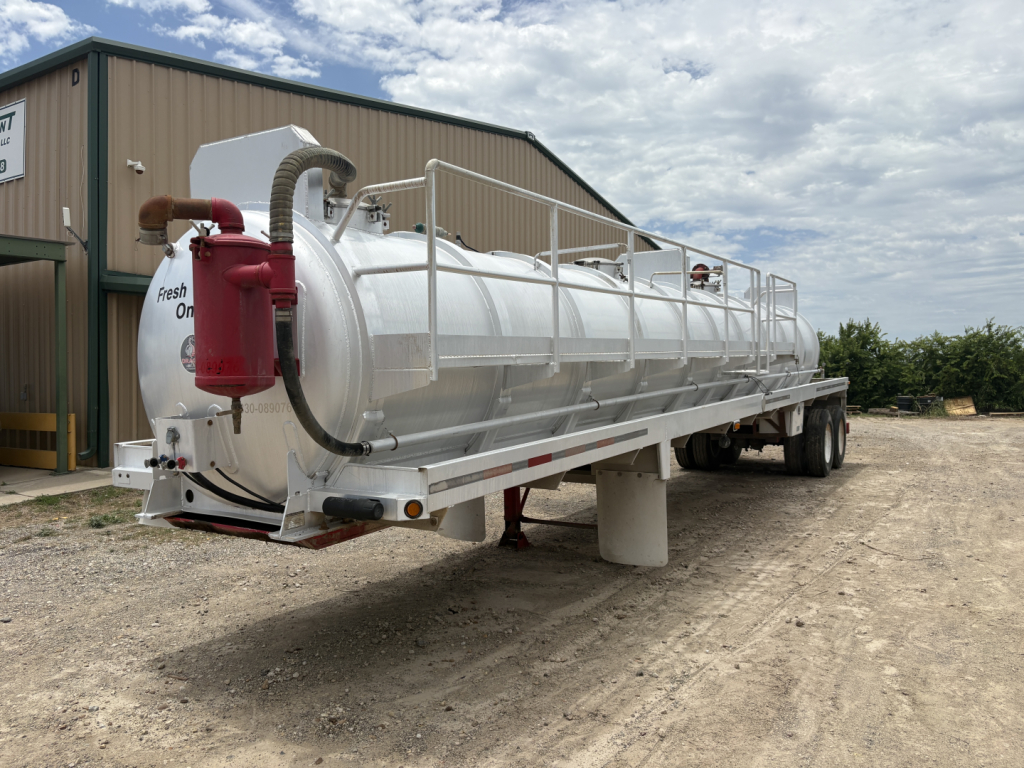
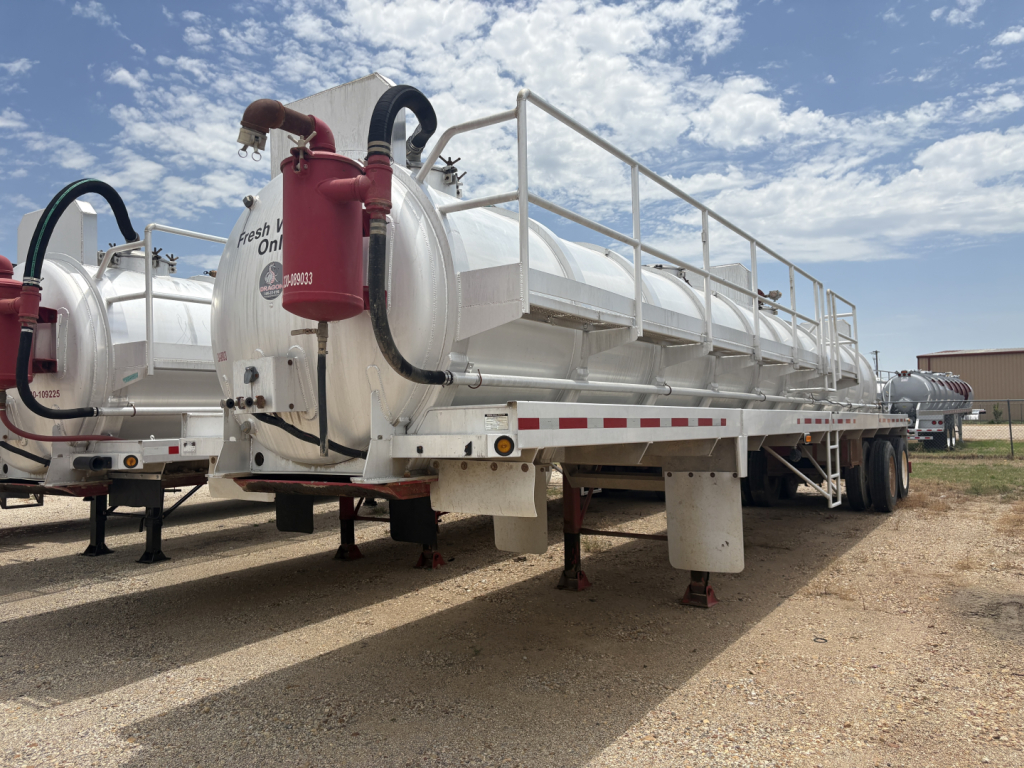
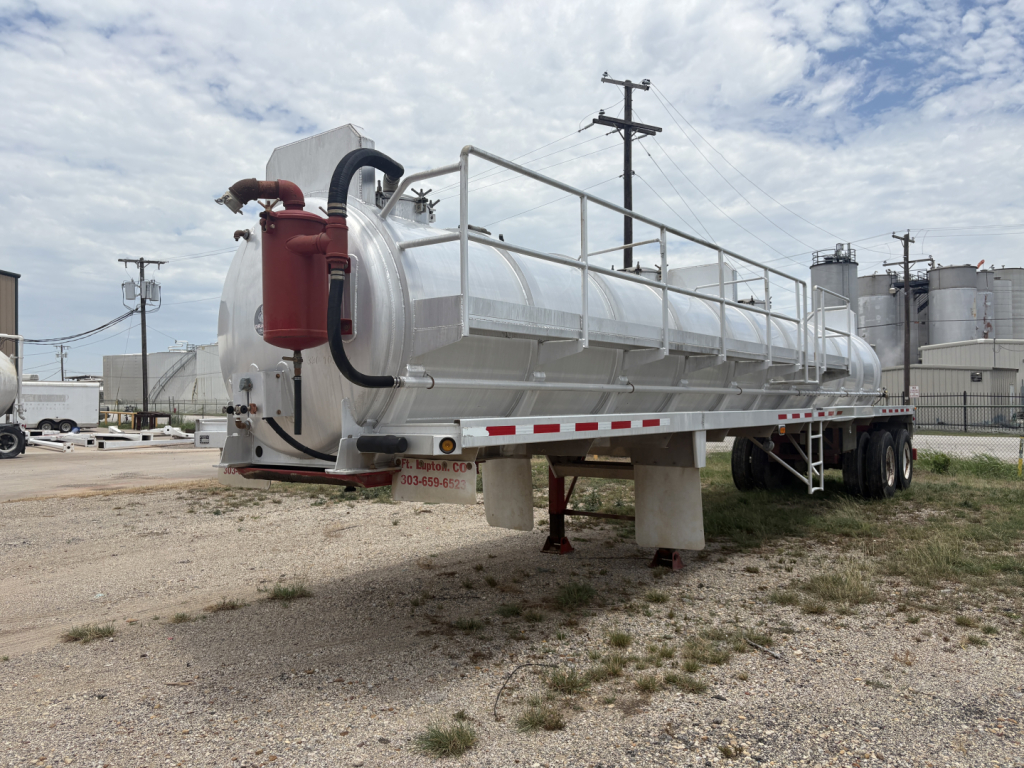
Tank construction matters. Aluminum vacuum trailers are attractive when payload is critical, while steel tanks can be preferred for harder-use environments and easier repairability in some fleets. Many 2012 units in this class were configured with single-compartment tanks, internal baffles, multiple dome lids, sight glasses or level gauges, and rear blowdown or discharge valves. Full walkways, catwalks with safety rails, hose troughs, toolboxes, fenders, and tow hooks are also common. If the trailer will spend its life on lease roads or rough field access, inspect the subframe, landing gear mounts, suspension hangers, and rear structure closely.
Pump setup and discharge plumbing should match the product being hauled. A vacuum trailer used for produced water or general liquid recovery may need a straightforward non-code configuration, while heavier sludge or abrasive material puts more importance on pump condition, valve sealing, and lining or internal tank wear. On a 2012 model, buyers should pay attention to the vacuum pump make, hours if available, service history, and how easily replacement parts can be sourced. Check for leaks at valves and fittings, verify the condition of the hoses and manifolds, and confirm whether the trailer is set up for your loading and unloading process.
Age alone does not make a 2012 vacuum trailer a poor fit. Many are still productive assets if the tank is sound, the running gear has been maintained, and the plumbing has not been neglected. The best buying decisions in this category come from matching barrel rating, axle configuration, suspension, and tank material to the actual route, product, and unload method. For oilfield and industrial buyers, that usually means balancing legal payload, roadability, pump performance, and tank integrity rather than shopping by price alone.
Frequently Asked Questions about 2012 Vacuum Trailers
What tank sizes are common on a 2012 vacuum trailer?
Common capacities in this category are around 130 BBL, 150 BBL, and 165 BBL, although exact gallon ratings vary by manufacturer and tank design. The right size depends on product weight, local bridge laws, axle count, and how the trailer is routed. A larger barrel rating is useful, but legal payload and practical loading limits matter more than the advertised tank size alone.
Is aluminum or steel better for a used vacuum trailer?
Aluminum is often chosen for lighter tare weight and better payload potential, while steel is frequently favored for rugged service and straightforward repairs. The better choice depends on what the trailer hauls, where it operates, and how the fleet maintains equipment. On a used 2012 trailer, actual tank condition, corrosion, lining wear, and repair quality are more important than material alone.
What should I inspect first on a 2012 vacuum trailer?
Start with tank integrity, frame condition, suspension components, tires, brakes, and the complete valve and plumbing system. Then inspect the vacuum pump, dome lids, baffles if accessible, discharge outlets, and all signs of leakage or patchwork repairs. On older oilfield and industrial trailers, structural fatigue around hangers, landing gear, and rear bumper assemblies can be just as important as the tank itself.
Are most 2012 vacuum trailers non-code units?
Many vacuum trailers in this segment are non-code water vacuum tank trailers used in oilfield and general liquid service, but not every trailer is configured the same way. Buyers should confirm exactly what the tank was built to haul and what regulatory standard applies to their intended use. The job, commodity, and operating jurisdiction determine whether a non-code trailer is appropriate.
Which suspension is better on a vacuum trailer, air ride or spring?
Air ride is commonly preferred for better road manners, improved load protection, and reduced shock transfer into the trailer structure. Spring suspension can still be a solid choice for simplicity and certain field applications. The right decision comes down to highway miles versus off-road use, maintenance preferences, and the weight profile of the product being transported.