
2012 Dragon Vacuum Trailers For Sale
Have 2012 dragon vacuum trailer to sell? List it here to reach thousands of buyers.
2012 Dragon Vacuum Trailers
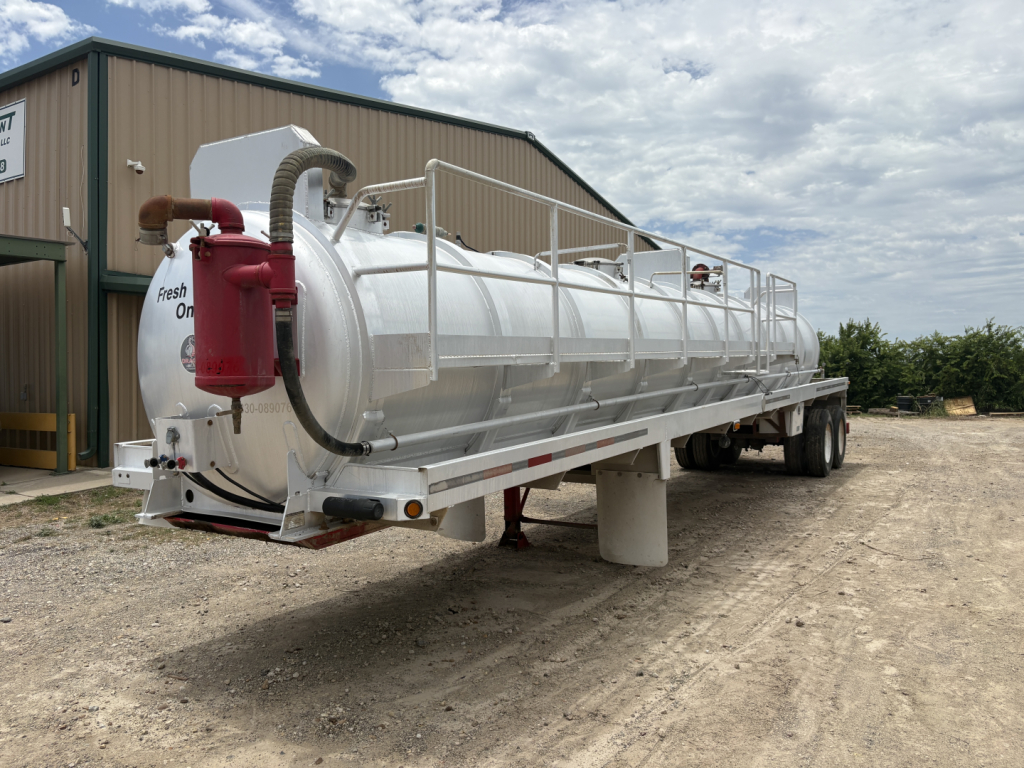
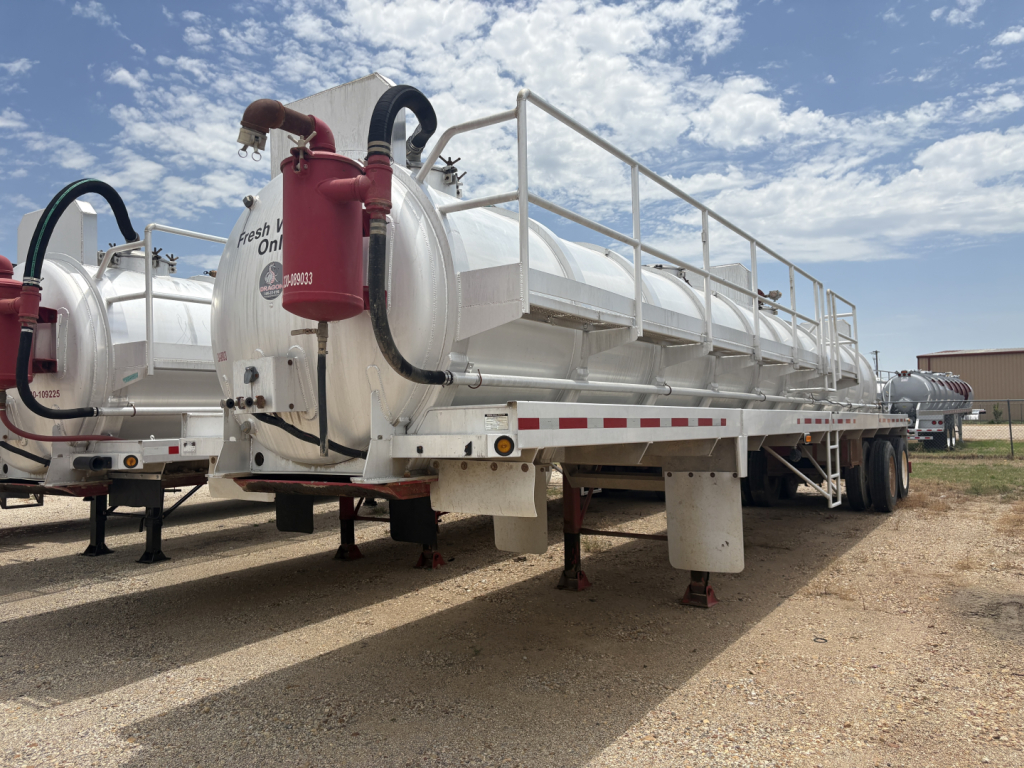
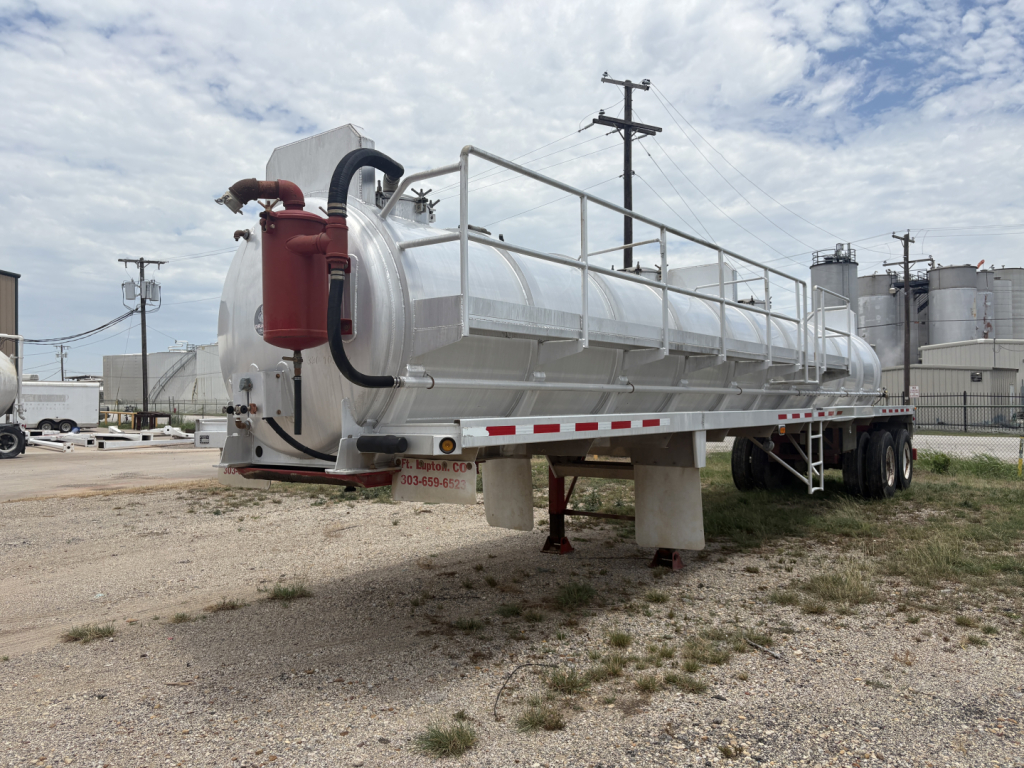
Tank material and running gear are usually the biggest value drivers on a used 2012 unit. Aluminum construction is common on Dragon vacuum trailers and helps reduce tare weight, which can improve legal payload compared with a steel tank. Buyers should also look closely at suspension and tire spec, since air ride suspension, 24.5 rubber, and tri-axle layouts are often part of the package on vacuum transports designed for oilfield miles. Walkways, dome lids, level gauges, rear blowdown plumbing, and multiple discharge valves are more than convenience items. They affect loading speed, unloading options, and day-to-day serviceability in the field.
Pump setup and plumbing layout deserve a careful review because they determine how the trailer actually performs on the job. Dragon vacuum trailers are often paired with a Fruitland-style vacuum pump or similar system, and buyers should confirm pump condition, PTO or hydraulic drive arrangement, and whether the trailer is configured primarily for suction, pressure, or both. Discharge valve count, valve size, rear discharge, and hose connections all affect turnaround time. Internal baffling and compartment design also matter, especially if the trailer will see frequent highway use where surge control and handling are important.
A used 2012 Dragon vacuum trailer can be a solid fit for fleets that need a proven vacuum transport without stepping into the cost of a newer build. The best buying approach is to match barrel size, tank material, axle configuration, and vacuum system to the actual product being hauled and the roads it will run. Check the tank shell, welds, frame, suspension, brakes, piping, and manways for signs of corrosion, repairs, or hard oilfield use. On this equipment class, the right trailer is the one with the correct service history, legal capacity, and plumbing layout for the work, not just the highest barrel count.
Frequently Asked Questions about 2012 Dragon Vacuum Trailers
What is the capacity of a typical 2012 Dragon vacuum trailer?
A common 2012 Dragon vacuum trailer spec is 150 BBL, which is about 6,300 gallons. That said, capacity can vary by exact model and tank configuration. Buyers should confirm both rated barrel capacity and usable payload, since tank material, axle layout, and local weight laws can change how much product the trailer can legally haul.
Are 2012 Dragon vacuum trailers usually aluminum or steel?
Many 2012 Dragon vacuum transport trailers are aluminum, although exact construction depends on the original order spec. Aluminum tanks are popular because they reduce empty weight and can improve payload potential. Steel may be preferred in some harsher applications, but it typically adds tare weight. The better choice depends on product type, corrosion exposure, and target payload.
What should I inspect on a used 2012 Dragon vacuum trailer?
Focus on the tank shell, weld seams, frame rails, suspension, brake components, tires, hubs, and all vacuum plumbing. Inspect discharge valves, dome lids, gaskets, rear blowdown components, and any walkway or safety equipment. Pump condition is critical, so check vacuum performance, oil condition, drive setup, and maintenance history. A trailer that looks clean but has worn valves or a weak pump can create more downtime than a rougher unit with documented service records.
What are 2012 Dragon vacuum trailers commonly used for?
These trailers are commonly used for transporting water, saltwater, drilling fluids, production fluids, and other liquid or semi-liquid materials in oilfield and industrial service. Some are also used in environmental and waste-related applications, depending on tank rating and local regulations. The intended product matters because non-code water vacuum tanks are not automatically suitable for every fluid or regulated hauling application.
Why do discharge valves and rear blowdown matter on a vacuum trailer?
Valve count and plumbing layout directly affect unloading speed and flexibility at the jobsite. Multiple discharge valves can make it easier to connect to different systems or manage flow control during transfer. A rear blowdown setup is useful in operations where operators need efficient product discharge and cleaner line clearing. These features may seem secondary, but they often make a noticeable difference in cycle time and daily productivity.