
2012 Dragon Vacuum Trailers For Sale in Texas
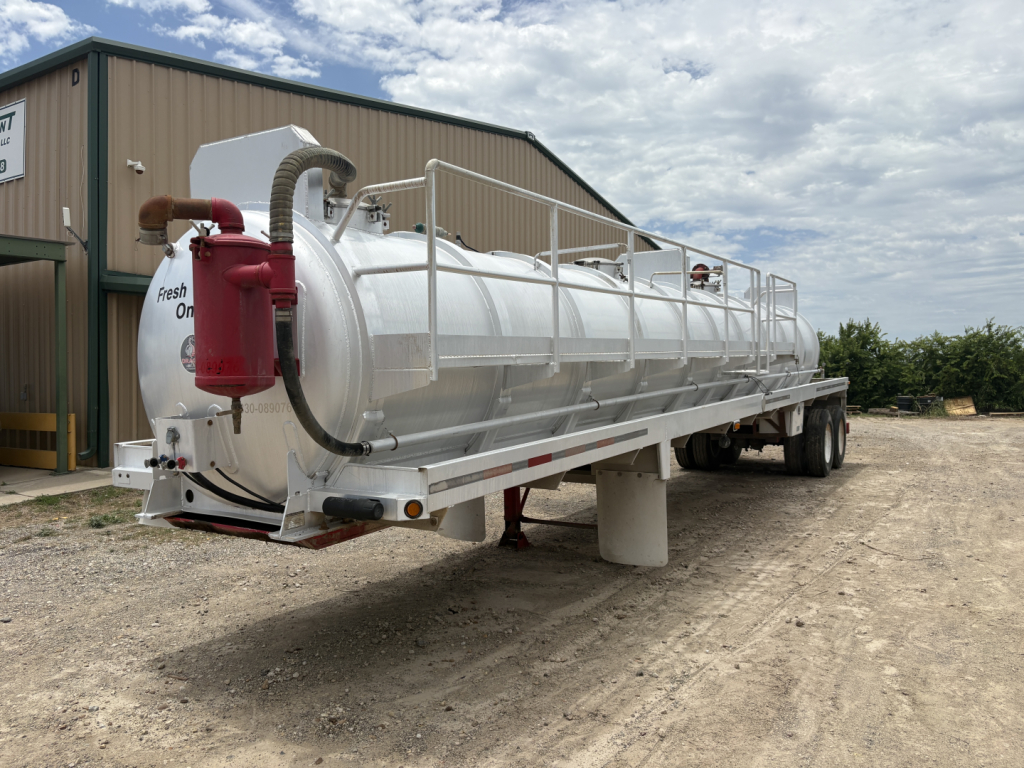
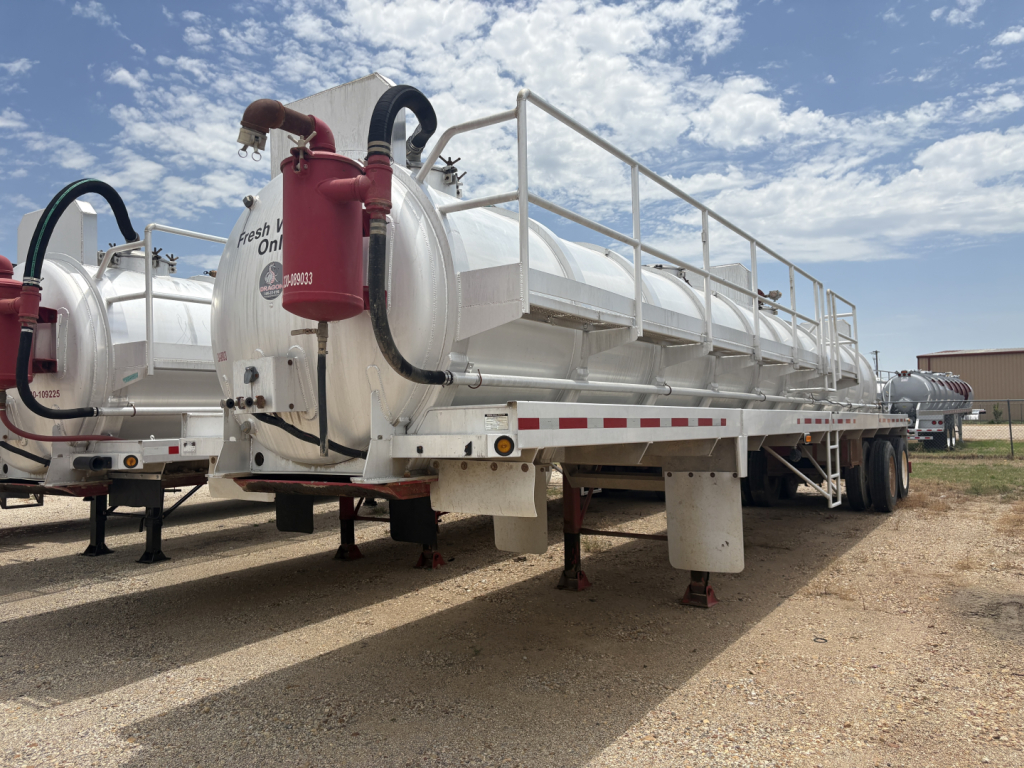
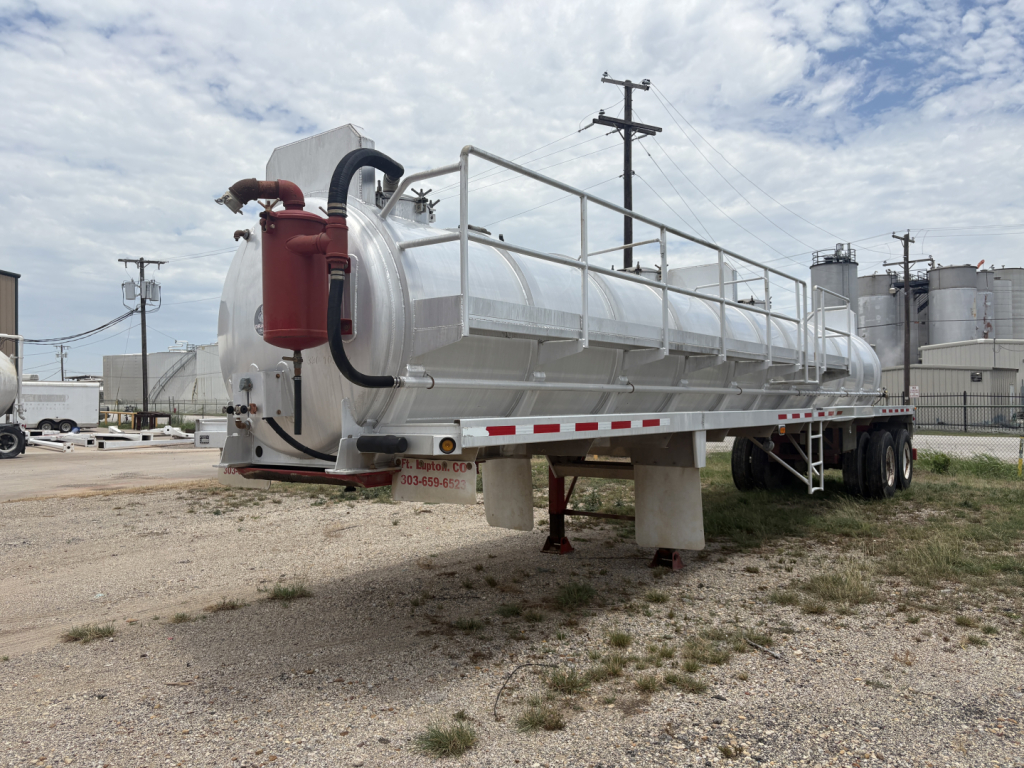
Have 2012 dragon vacuum trailer to sell? List it here to reach thousands of buyers.
2012 Dragon Vacuum Trailers in Texas
On used Dragon vacuum trailers, the spec sheet deserves a close read because the working details affect daily turnaround time. Common items include air ride suspension, 245 tires, top walkways, multiple discharge valves, and rear blowdown plumbing. Air ride helps protect the trailer and improve stability on mixed road conditions, especially when loads shift or routes include lease roads and highway miles. A walkway is more than a convenience item on this type of trailer. It affects safe top access during inspection and loading procedures. Multiple discharge valves can also be a major advantage when the trailer needs to unload into different site setups or accommodate varying hose and transfer requirements.
For Texas buyers, application fit is critical because vacuum transport trailers often work in demanding environments with long idle periods followed by heavy use. A 2012 Dragon trailer should be evaluated around barrel capacity, axle and suspension condition, valve integrity, tank shell condition, manway sealing surfaces, and the condition of blowdown components. It is also smart to confirm the trailer's DOT compliance items, brake condition, tire age, and any signs of previous product contamination or internal tank damage. If the trailer has been used in oilfield service, look carefully at the frame, piping, and rear structure for stress, repairs, or corrosion around fittings and mounts.
Dragon is a recognized name in vacuum and fluid transport equipment, and that matters when parts support, service familiarity, and resale are part of the buying decision. Buyers comparing 2012 Dragon vacuum trailers should pay attention to capacity, tank construction, suspension type, valve layout, and how the trailer matches the product being hauled. The right setup depends on whether the trailer will handle produced water, wastewater, drilling fluids, or other vacuum-hauled liquids. A well-spec'd vacuum trailer in this class can still be a productive asset if the tank, running gear, and discharge system are sound and matched to the job.
Frequently Asked Questions about 2012 Dragon Vacuum Trailers in Texas
What is the typical capacity of a 2012 Dragon vacuum trailer?
A common configuration is 150 BBL, which is about 6,300 gallons. That size is widely used for oilfield and industrial liquid transport because it offers substantial capacity without moving into the largest specialized vacuum transport classes. Actual legal payload depends on tank material, axle configuration, product weight, and state or route restrictions.
Why do buyers look for aluminum vacuum transport trailers?
Aluminum tanks are popular because they help reduce empty weight and offer good corrosion resistance in many fluid-hauling applications. Lower tare weight can improve payload flexibility, and corrosion resistance can be an advantage when the trailer is exposed to harsh service conditions. Buyers still need to inspect aluminum tanks carefully for weld repairs, dents, cracking, and any signs of fatigue or product-related damage.
What should I inspect first on a used vacuum trailer?
Start with the tank shell, frame, suspension, brakes, tires, valves, and discharge plumbing. On a vacuum trailer, the condition of the manway, seals, blowdown components, and valve operation is just as important as the running gear. A trailer can look presentable and still need costly work if the valves leak, the piping has damage, or the tank has internal contamination or structural issues.
Are 2012 Dragon vacuum trailers suitable for Texas oilfield work?
Yes, many 2012 Dragon vacuum trailers were built for exactly that kind of service, including produced water and other liquid waste hauling. Texas buyers should verify that the trailer's capacity, plumbing layout, suspension, and overall condition fit the intended route and jobsite conditions. Lease roads, long highway runs, and corrosive products all place different demands on the trailer.
Do discharge valves and rear blowdown features matter on this category?
They matter a great deal because they affect unloading speed, site compatibility, and operating flexibility. Multiple discharge valves can make it easier to connect to different customer setups, and rear blowdown equipment helps clear product during unloading. On a used trailer, these components should be checked for leaks, damage, seized operation, and evidence of past field repairs.