
2012 Reefer Trailers For Sale in Texas
Browse 2012 reefer trailers for sale in Texas. Compare 53-foot refrigerated trailers, reefer units, floors, doors, suspension, and specs.
Learn more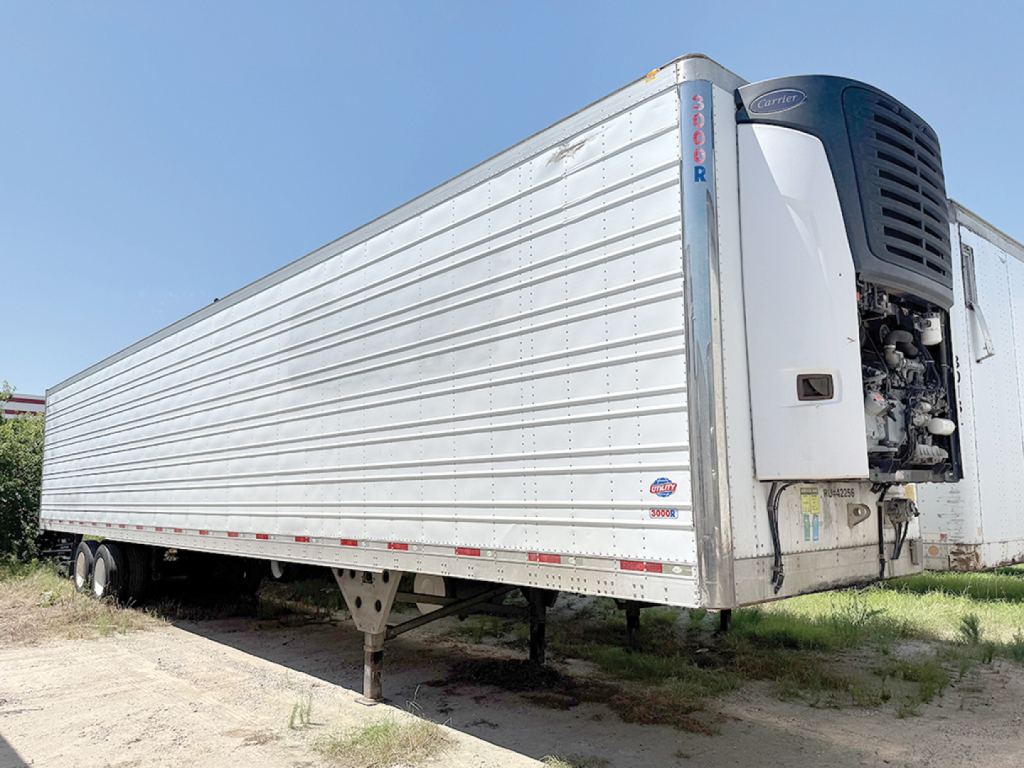
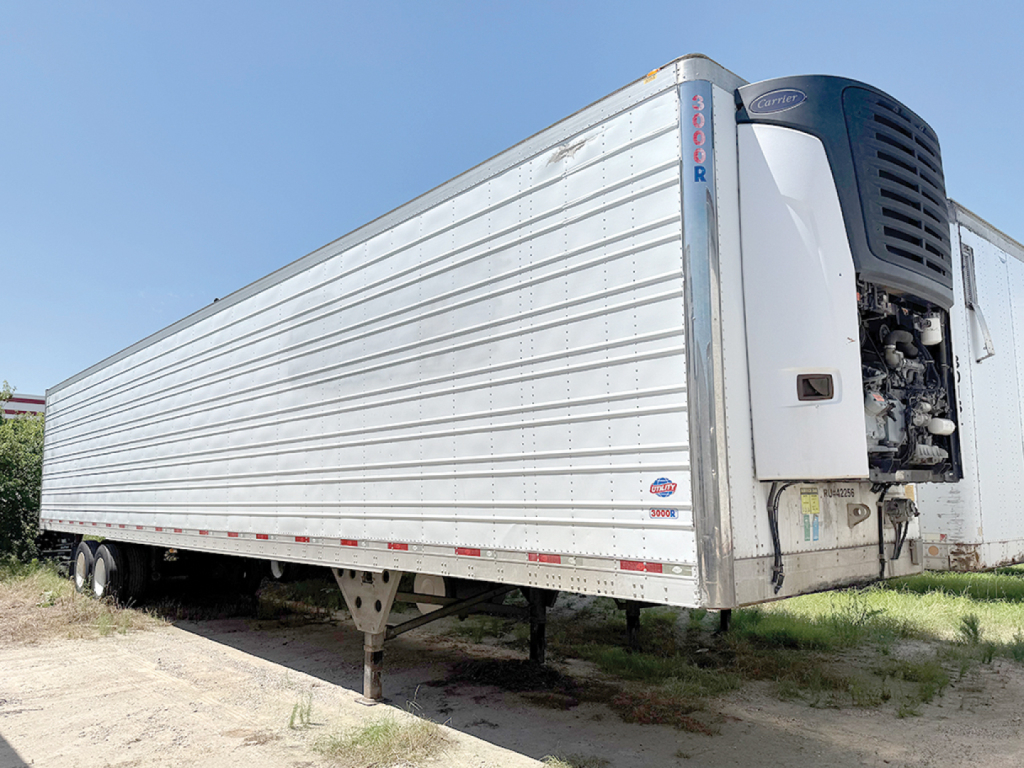
Have 2012 reefer trailer to sell? List it here to reach thousands of buyers.
About 2012 Reefer Trailers in Texas
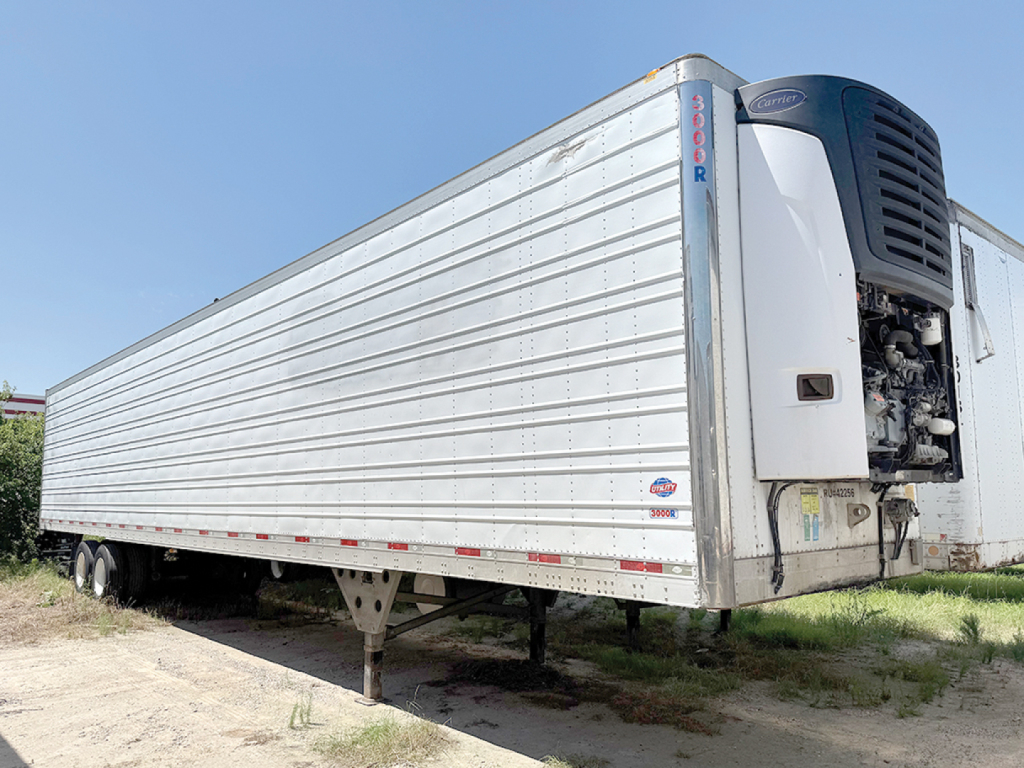
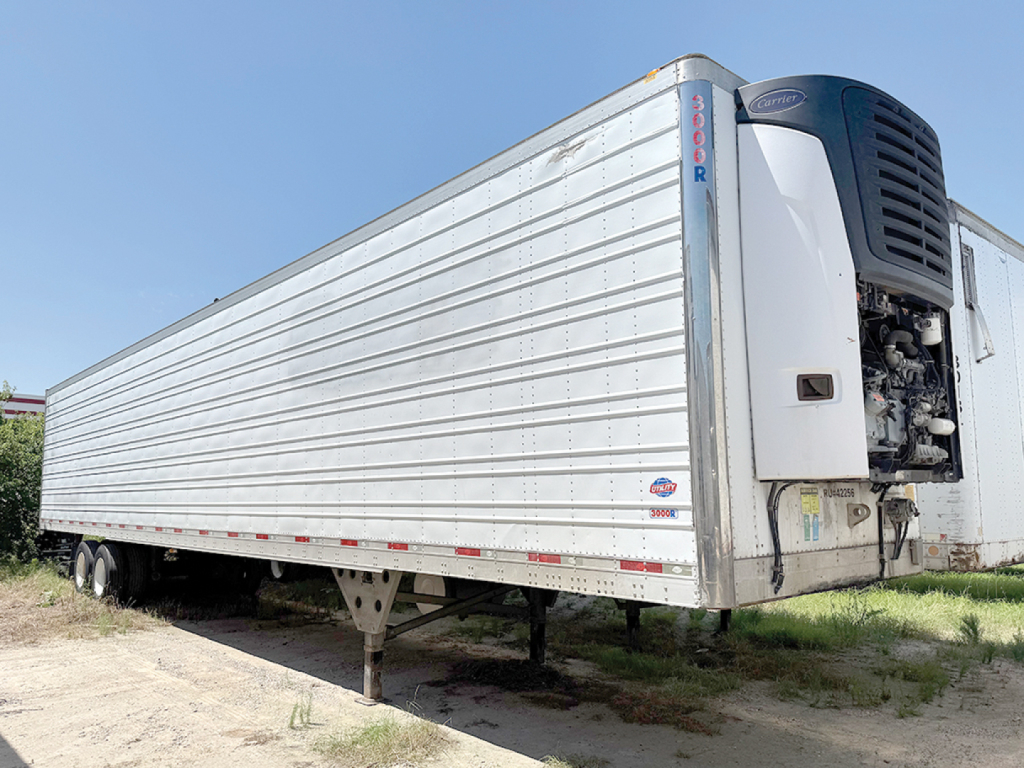
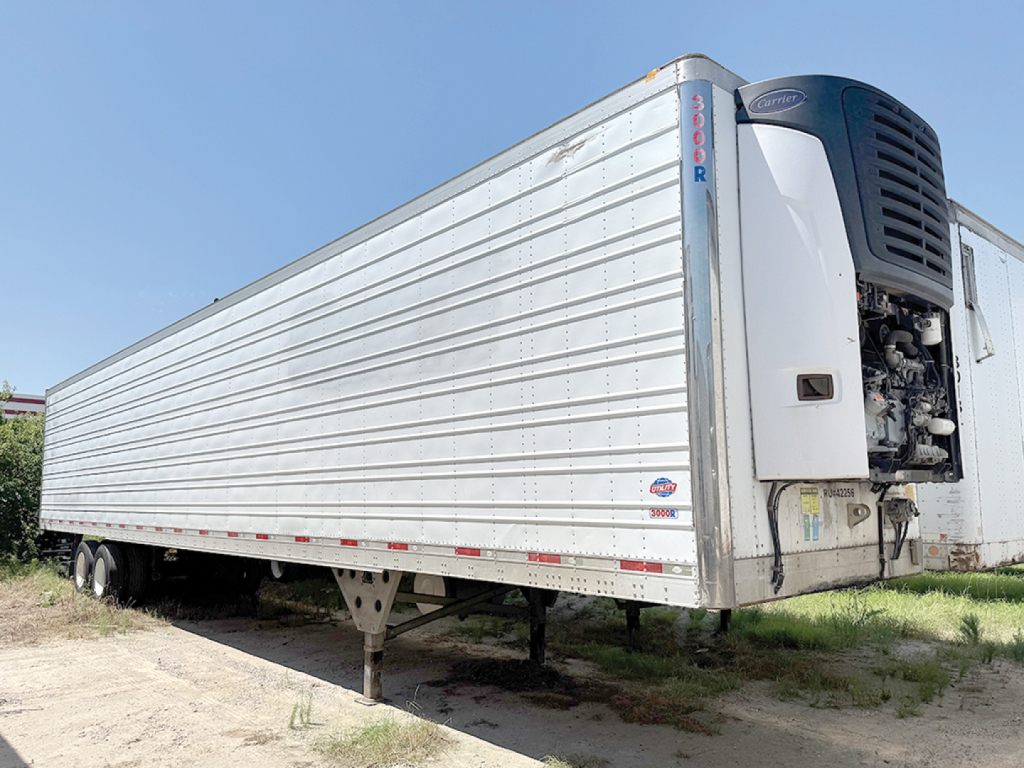
For Texas operations, reefer performance in high ambient temperatures is a serious buying factor. A trailer that can maintain temperature in summer produce, dairy, frozen food, meat, or pharmaceutical lanes needs clean evaporators, solid door seals, intact insulation, and a floor design that supports airflow. Heavy duty aluminum duct floors and deep-channel floors are common because they protect airflow beneath pallets. Buyers should also inspect scuff liners, E-track, cold chutes, rear vents, and the condition of the front wall and ceiling for signs of moisture intrusion or impact damage. Swing doors are common for dock work and better seal integrity, while roll-up doors may help on frequent stop routes but can reduce cubic efficiency and add maintenance points.
Running gear and compliance details matter on a used 2012 reefer trailer because repair costs can stack up fast. Sliding tandems are still standard for bridge law flexibility, and many buyers prefer air ride for cargo protection. Check brake type, tire age, wheel-end condition, ABS function, and kingpin wear. Reefer trailers from this period may or may not have newer features such as tire inflation systems, disc brakes, side skirts, or telematics, so spec differences can be wide even within the same model year. Interior height is also worth confirming, especially if you need high-cube capacity for grocery or foodservice freight.
A strong 2012 reefer trailer is usually the right fit for fleets and owner-operators who want temperature control without paying late-model pricing. It can work well in regional distribution, dedicated food lanes, cold storage shuttles, and seasonal agricultural hauling across Texas and surrounding states. The best value usually comes from a trailer with a documented reefer unit overhaul history, clean structural condition, good floor integrity, and doors that shut square and seal tight. On refrigerated equipment, small condition issues often become expensive downtime, so a careful inspection of both the trailer and the diesel-powered refrigeration unit is essential before purchase.
Frequently Asked Questions
What should I inspect first on a 2012 reefer trailer?
Start with the refrigeration unit, the insulated box, and the floor. Verify reefer hours, maintenance records, recent repairs, and whether the unit can pull down and hold temperature consistently. Then inspect the front wall, roof, sidewalls, door frame, and floor for moisture damage, soft spots, delamination, corrosion, and impact damage. A 2012 reefer trailer can still be productive, but poor insulation or an unreliable unit will cost more than cosmetic wear.
Are 2012 reefer trailers still good for food-grade freight?
They can be, provided the trailer meets current shipper requirements and has been maintained to food-grade standards. Buyers should check interior cleanliness, odor, floor condition, scuff protection, door seals, and the ability to maintain a stable setpoint. Some shippers also look at reefer unit age, washout history, and temperature recording capability, so the trailer needs to match the standards of the freight you plan to haul.
Which reefer unit brands are common on 2012 reefer trailers?
Thermo King and Carrier are the two most common refrigeration unit brands found on reefer trailers from this era. The better choice usually comes down to the specific unit model, local dealer support, parts availability, and documented service history rather than the badge alone. In Texas, access to service locations and confidence in hot-weather performance can be especially important for reducing downtime.
What floor and door setup is best on a used reefer trailer?
That depends on the freight and stop pattern. Heavy duty aluminum duct floors are preferred when consistent airflow under pallets is critical, especially for produce, frozen freight, and mixed-temperature loading patterns. Swing doors are generally favored for dock loading and tight door seals, while roll-up doors can be useful for multi-stop delivery work where quick access matters. The key is to match the trailer's floor and door configuration to your freight handling routine.
Is a 53-foot 2012 reefer trailer the most common configuration?
Yes. In the used market, 53-foot reefer trailers are the most common configuration because they fit standard long-haul and regional refrigerated freight networks. Most will be 102 inches wide with tandem axles and a sliding tandem setup. You may still see variation in inside height, suspension type, floor style, door type, and refrigeration unit spec, which is why two trailers from the same model year can have very different value and operating cost.