
2012 Flatbed Trailers For Sale in Texas
Shop 2012 flatbed trailers for sale in Texas. Compare deck length, axle setup, floor type, tie-down options, and load securement specs.
Learn more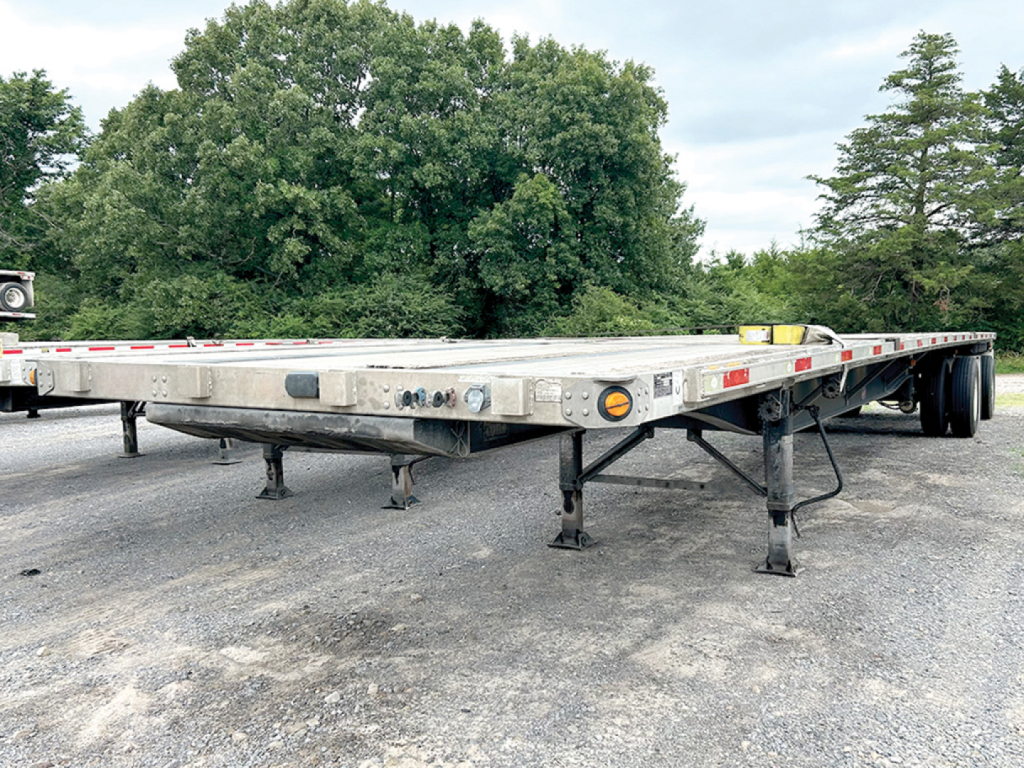

Have 2012 flatbed trailer to sell? List it here to reach thousands of buyers.
About 2012 Flatbed Trailers in Texas
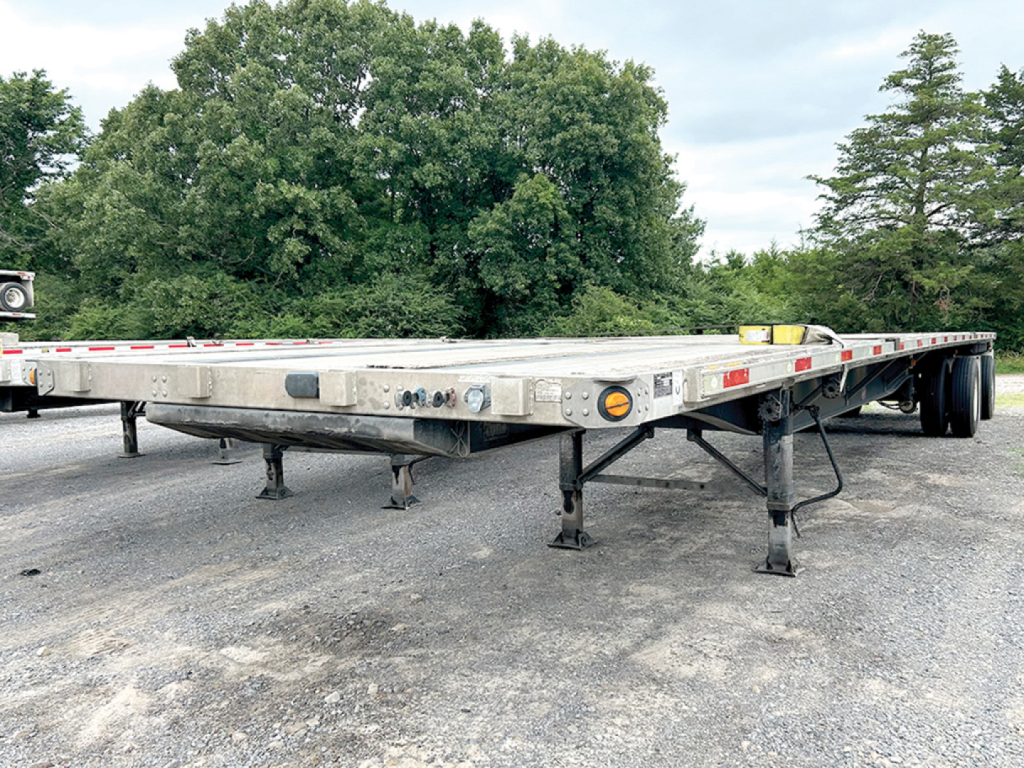
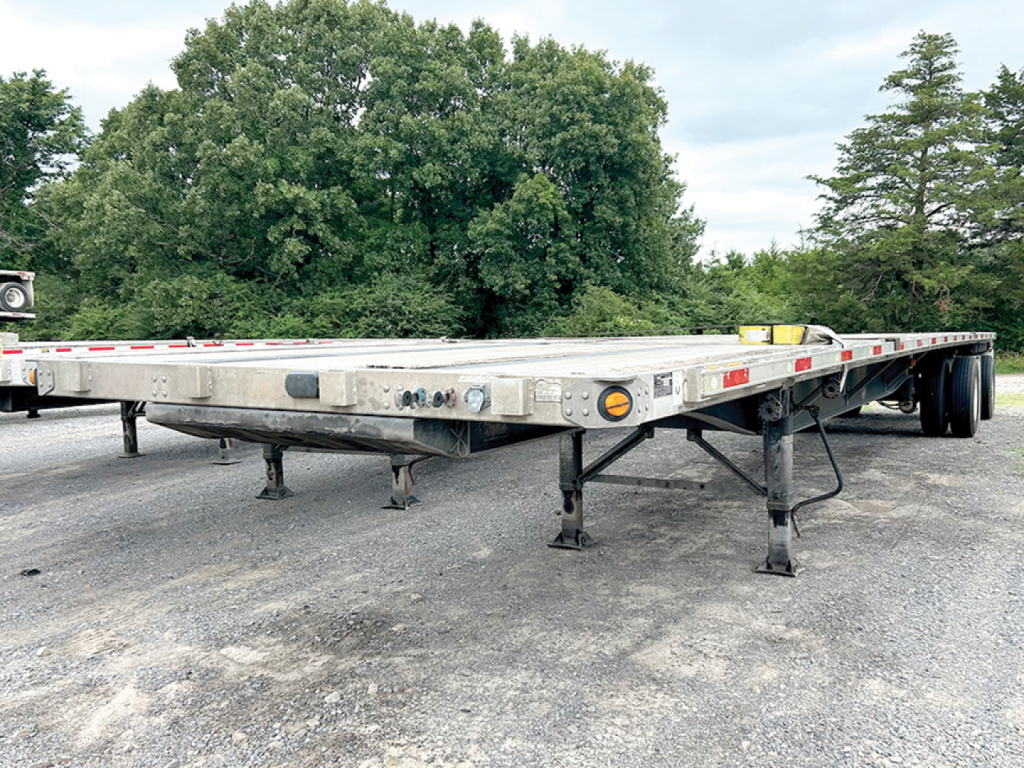
On a used 2012 flatbed, the spec sheet matters, but condition matters more. Look closely at the main beams, crossmembers, rear frame, suspension hangers, and upper coupler plate for repairs, cracks, or corrosion. Deck wear is another major factor. Aluminum floors can save weight, while wood nailer strips help with securement flexibility and deck protection. Many flatbeds from this model year were ordered with sliding winch tracks, stake pockets on 24-inch centers, chain spools, coil package equipment, and rub rails built for mixed freight. Air ride suspension is common and preferred by many fleets hauling sensitive or higher-value loads, while spread axle setups can improve weight distribution and stability but may affect maneuverability in tight yards.
A buyer comparing 2012 flatbed trailers should also verify kingpin setting, loaded deck height, tire size, wheel material, brake type, and ABS configuration. Tandem and spread axle trailers both show up regularly in this class. Spread axles are common in flatbed work because they help bridge laws and distribute concentrated loads, but they can scrub tires more in sharp turns. Disc wheels, low-profile 22.5 or 24.5 tires, toolboxes, tire inflation systems, and bolt-on bumpers are all useful features depending on application. If the trailer will handle coils, machinery, or dense freight, check for a coil package, rated securement points, and any concentrated load rating over a defined section of deck.
Flatbed trailers are also commonly called open-deck trailers, and their value comes from flexibility. A well-maintained 2012 model can still serve regional or over-the-road operations if the frame is straight, the floor is sound, and the securement package matches the freight mix. Buyers in Texas often prioritize equipment that can handle heat, heavy miles, and mixed commodity work without adding unnecessary tare weight. The best choice is usually the trailer with the strongest maintenance history, the right deck and axle specification for your lanes, and a securement layout that reduces loading time while keeping cargo compliant.
Frequently Asked Questions
What should I inspect first on a 2012 flatbed trailer?
Start with structural condition. Inspect the main beams, crossmembers, suspension hangers, upper coupler plate, rear impact area, and the deck itself. Look for cracked welds, bent members, corrosion, patchwork repairs, and uneven tire wear that may point to alignment or suspension issues. On a flatbed, cosmetic wear is expected, but structural damage, floor fatigue, and poor repairs can affect payload, safety, and resale value more than almost any listed option.
Is a spread axle or tandem axle better on a used flatbed trailer?
It depends on the freight and operating area. Spread axle flatbeds are common because they help with weight distribution and can improve stability on many loads, especially dense or concentrated freight. Tandem axles are generally easier on tires in tight turning conditions and can be more maneuverable in crowded jobsites, docks, and yards. Buyers in Texas often compare axle setup based on bridge law needs, turning environment, and the type of freight they haul most often.
What deck materials are common on 2012 flatbed trailers?
The most common deck and trailer constructions in this age range are all-aluminum, steel, and aluminum-steel combo designs. Aluminum helps reduce tare weight and increase payload potential, while steel adds durability in high-stress areas. Many trailers also use wood nailer strips along with aluminum flooring to improve load securement and protect the deck surface. The right choice depends on how important empty weight, repair cost, and long-term corrosion resistance are to your operation.
What securement features should a buyer look for on a flatbed trailer?
Important flatbed securement features include stake pockets, integrated rub rails, sliding winch tracks, sliding winches, chain tie-down points, and coil package equipment if coils or dense freight are part of the load mix. Toolboxes and spool racks can also improve daily efficiency. The best securement setup is one that matches your freight profile and reduces the need to add aftermarket equipment after purchase.
Can a 2012 flatbed trailer still be a good value for commercial use?
Yes, if it has been maintained properly and the specifications match the work. A 2012 flatbed can still be productive in construction, steel, agricultural, machinery, and general freight service. Age alone does not determine value on an open-deck trailer. Structural integrity, deck condition, brake and suspension health, tire life, and the quality of the securement package are more important factors than the model year by itself.