
2012 Flatbed Trailers For Sale
Shop 2012 flatbed trailers with specs that matter: 48' to 53' decks, combo or aluminum construction, axle setups, coil packages, and securement features.
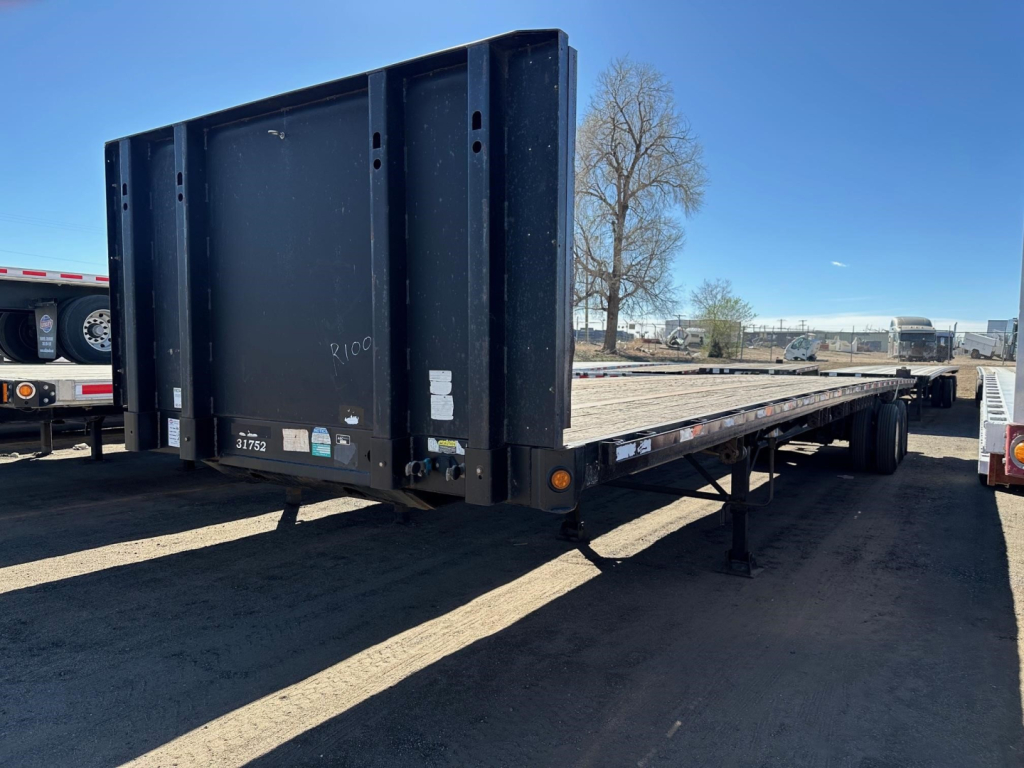
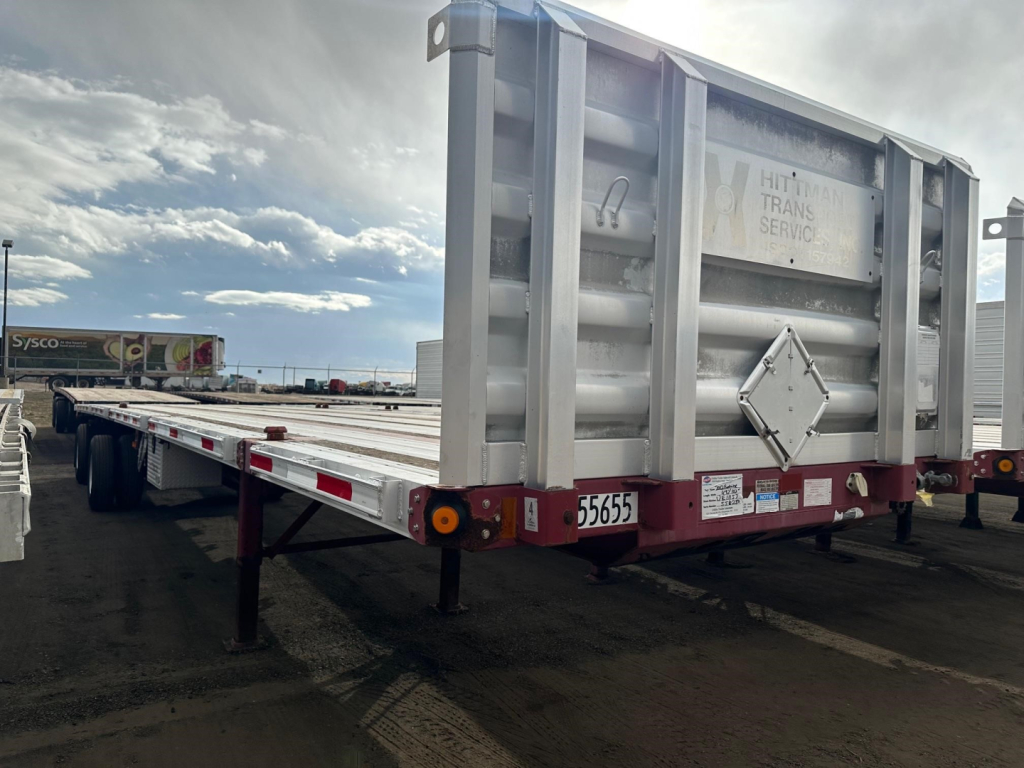
Selling a 2012 flatbed trailer? List your 2012 flatbed trailer for sale and reach thousands of commercial buyers.
2012 Flatbed Trailers
Specification differences matter because a 2012 flatbed may have been built for a very specific freight profile. Common setups include air ride or spring ride suspension, tandem or spread axle configurations, fixed or sliding rear axles, and 22.5 low-profile tires. Some trailers are equipped with coil packages rated for heavy concentrated loads, while others are built lighter for general commodity freight. Stake pockets, chain spools, pipe spools, sliding winches, full-length winch tracks, and tool boxes can save time and money if they match your securement routine. Kingpin setting, axle spread, and California legality may also matter depending on where the trailer runs and how often bridge law or state-specific length rules come into play.
For a 2012 model year, maintenance history is just as important as original brand. Flatbeds from established builders such as Utility, Transcraft, Fontaine, Reitnouer, Dorsey, MAC, and Benson are often evaluated on crack history, prior welding quality, suspension wear, brake system condition, and the state of the landing gear and slider mechanism. Buyers should look for uneven tire wear, worn bushings, damaged air bags, seized winches, bent rub rails, and corrosion around fasteners and dissimilar metals. If the trailer has aluminum components paired with steel main beams, pay attention to galvanic corrosion points and previous repairs. A well-kept 2012 flatbed can still deliver strong value in steel hauling, building materials, machinery, lumber, and other strap-and-chain freight, but only if its structure and securement hardware still align with the work.
The best 2012 flatbed trailer is the one whose weight, deck length, axle layout, and securement package fit your lanes and customer base. A lighter all-aluminum trailer can improve payload for legal-weight freight, while a heavier combo or steel unit may be better suited for rugged daily loading environments. Buyers who routinely haul coils, pipe, palletized freight, or construction materials should compare deck ratings, crossmember spacing, coil reinforcement, and side rail strength before focusing on appearance. In this age range, usable specification and repair history usually separate a dependable earning asset from a trailer that will spend too much time in the shop.
Frequently Asked Questions about 2012 Flatbed Trailers
What should I inspect first on a 2012 flatbed trailer?
Start with the structure. Inspect the main beams, crossmembers, side rails, outriggers, deck, and suspension mounting points for cracks, poor weld repairs, corrosion, and signs of overloading. After that, check the brake system, air ride or spring components, slider operation, tires, wheels, and all securement hardware such as winches, stake pockets, chain ties, and rub rails. On a 2012 trailer, structural condition and maintenance history usually matter more than brand decals or appearance.
Is a 2012 combo flatbed better than an all-aluminum flatbed?
It depends on the freight and operating environment. A combo flatbed, typically built with steel main beams and aluminum crossmembers, deck components, or rails, offers a good balance of strength, durability, and moderate tare weight. An all-aluminum flatbed usually weighs less and can help maximize payload, but repair approach, floor wear, and long-term fatigue history should be evaluated carefully. For rough loading sites and heavy concentrated freight, many buyers still prefer combo construction.
What deck lengths and axle setups are common on 2012 flatbed trailers?
The most common deck lengths are 48 feet and 53 feet, usually at 102 inches wide. Tandem axle flatbeds are standard, but spread axle trailers are also common for weight distribution and specific state regulations. Some 2012 flatbeds have sliding tandems or rear axle slides, while others are fixed in place. Suspension may be air ride or spring ride, and that choice can affect ride quality, maintenance, and how the trailer fits your freight mix.
Do older 2012 flatbed trailers still work well for heavy freight?
Yes, if the trailer was built for concentrated loads and has been maintained correctly. A 2012 flatbed with a proper coil package, sound frame, healthy suspension, and intact securement system can still handle steel, machinery, and construction materials effectively. The key is verifying load rating, coil reinforcement, floor condition, and overall structural health. Heavy freight exposes weak repairs and neglected maintenance quickly, so inspection is critical.
What securement features are most valuable on a used flatbed trailer?
The most valuable features depend on the freight, but buyers often prioritize full-length winch tracks, sliding winches, stake pockets, chain ties, pipe spools, rub rails, nail strips, and tool boxes. Coil packages are important for steel hauling, and double pipe spools can add flexibility for chain storage and tie-down options. On a 2012 flatbed, these components should be checked for damage, wear, and missing hardware because replacing securement equipment across the trailer can add significant cost.