
2007 Trailers For Sale
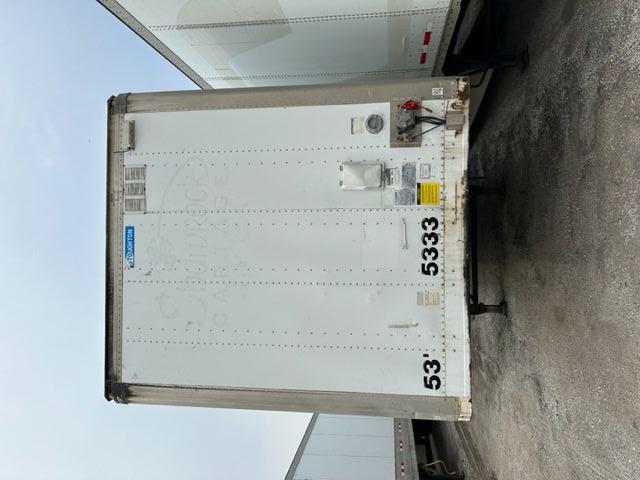
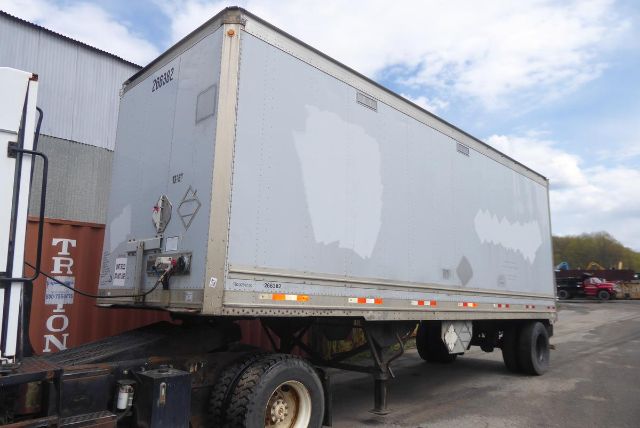
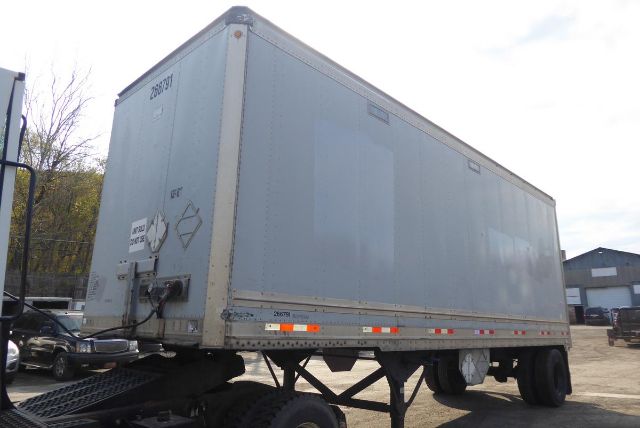
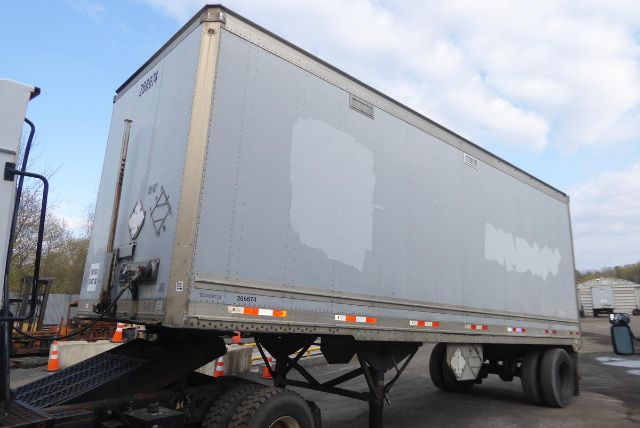
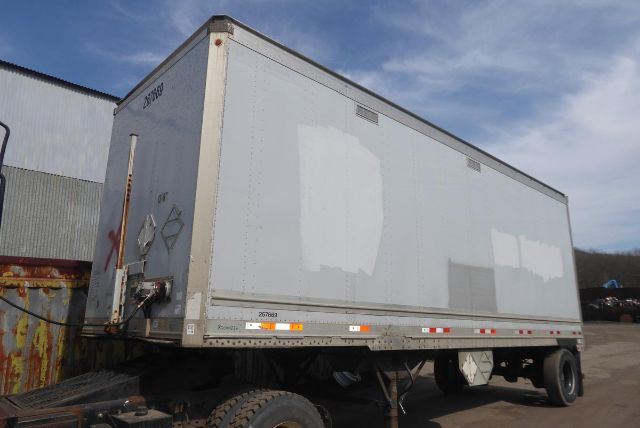
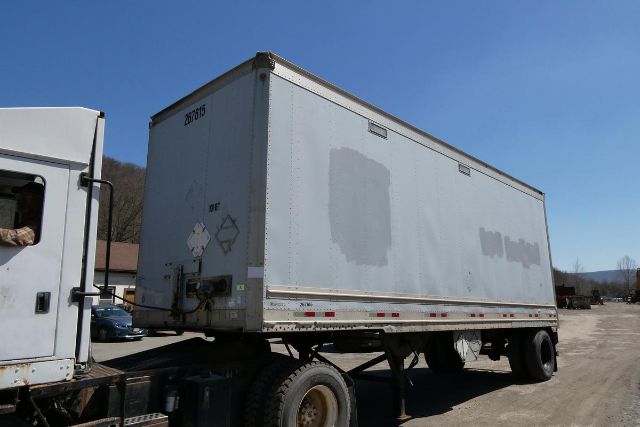
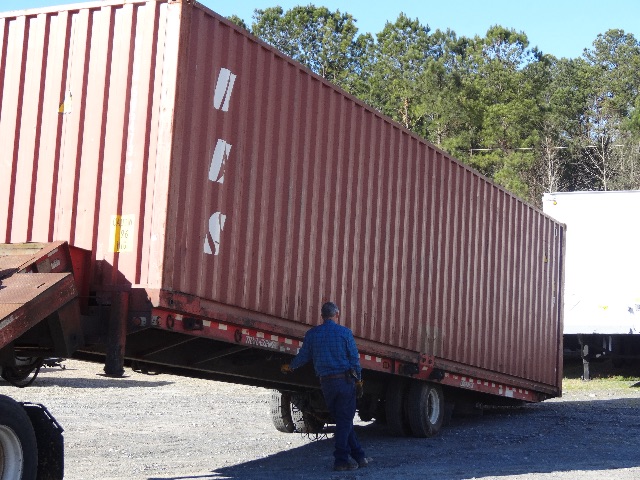
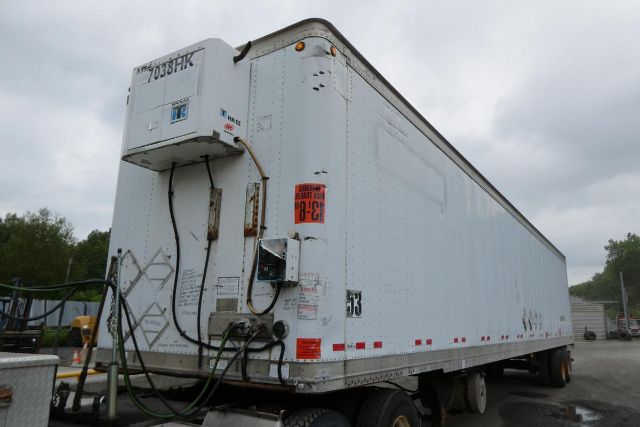

Showing 49 to 57 of 57 results
Have 2007 trailer to sell? List it here to reach thousands of buyers.
2007 Trailers
The first decisions usually come down to body condition and running gear. On a used 2007 trailer, floor wear, crossmember condition, roof integrity, rear frame damage, and door operation matter more than cosmetics. Dry vans from this era often use sliding tandems, with kingpin settings and tandem slide position affecting bridge compliance and loading flexibility. Suspension is another key separator. Spring ride trailers are simple and durable, while air ride trailers are generally preferred for more fragile freight and smoother handling. Tire size on fleet-spec vans is often 295/75R22.5, and buyers should pay close attention to brake percentage, tire remaining, hub and drum condition, and landing gear operation because those items directly affect put-in-service cost.
Cargo handling features vary more than many buyers expect on 2007 trailers. Some vans have swing doors, while others use roll-up rear doors that can help in tight urban docks but add moving parts and reduce full rear opening height. Inside, plywood lining, scuff liners, nose liners, and logistic posts are common on dry vans intended for palletized freight. A wood floor over steel understructure is typical and can work well if it has not been heavily gouged by forklifts or weakened around high-traffic zones. Translucent roofs, stainless rear frames, threshold plates, dock bumpers, and side skirts also show up on trailers from this period and can add either operational value or future repair considerations depending on how the trailer will be used.
For a buyer comparing multiple 2007 trailers, the best value is usually the one with the strongest maintenance baseline, not just the lowest asking price. A 53-foot dry van with straight rails, a dry roof, healthy brakes, usable tires, and a serviceable floor can still be a dependable option for regional freight, storage use, dedicated shuttles, or export. If the trailer will run daily over the road, inspect suspension wear, tandem slide function, rear impact area, ABS status, and evidence of past floor or sidewall repairs. If it will be used mainly for storage, body integrity and door security may matter more than brake life or tire age. The year tells you the trailer's age, but the spec sheet and physical condition tell you how well it will fit the job.
Frequently Asked Questions about 2007 Trailers
What types of trailers are common in the 2007 model year?
Dry van trailers are among the most common 2007 trailers on the used market, especially in 48-foot and 53-foot configurations. Many are tandem axle vans with 102-inch width, sliding tandems, wood floors, and either swing or roll-up rear doors. Fleet-spec builds from manufacturers such as Wabash, Stoughton, Vanguard, and similar brands are typical in this year range because they were widely used in general freight service.
What should I inspect first on a 2007 dry van trailer?
Start with the structural and operational items that are expensive to correct. Check the roof for leaks, the floor for forklift damage, the crossmembers for corrosion or cracks, and the rear frame for dock and impact damage. Then inspect brakes, tires, suspension components, landing gear, lights, and door hardware. On trailers with sliding tandems, verify the slider moves and locks correctly. These areas usually matter more than paint, decals, or other cosmetic issues.
Is spring ride or air ride better on a 2007 trailer?
It depends on the freight and the operating environment. Spring ride is simpler, lower cost, and common on older fleet trailers, making it a practical choice for durable freight and shorter-haul work. Air ride usually provides better cargo protection and smoother road manners, which can matter for retail, food-grade packaging, or other freight sensitive to vibration. On a used 2007 trailer, actual condition is just as important as suspension type because worn bushings, valves, or bags can erase the advantage of a better spec.
Are 2007 trailers still suitable for over-the-road use?
Yes, many 2007 trailers can still handle over-the-road service if they have been maintained properly and pass current inspection requirements. Suitability depends on brake condition, tire condition, ABS function, structural soundness, door seal integrity, and overall frame and suspension health. Older trailers often make the most sense in regional, dedicated, or drop-and-hook operations where buyers can manage maintenance closely and match the trailer to less demanding freight cycles.
Can a 2007 trailer make sense as a storage trailer?
A 2007 trailer can be a strong storage option because purchase cost is often lower than a newer road-ready unit, while enclosed capacity remains useful for warehousing overflow, jobsite storage, or yard staging. For storage use, buyers should focus on roof integrity, floor strength, wall condition, and secure door operation. Tire age, brake wear, and suspension condition may be less critical if the trailer will stay parked, but it still needs to be stable, weather-resistant, and safe to load.