
2007 Flatbed Trailers For Sale
Shop 2007 flatbed trailers for hauling steel, lumber, equipment, and palletized freight. Compare deck materials, suspension, tie-downs, and specs.
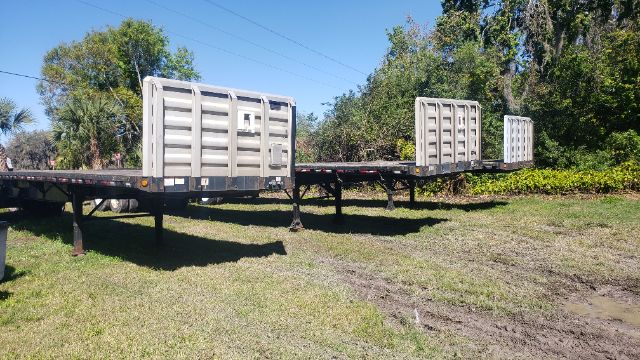
Selling a 2007 flatbed trailer? List your 2007 flatbed trailer for sale and reach thousands of commercial buyers.
2007 Flatbed Trailers
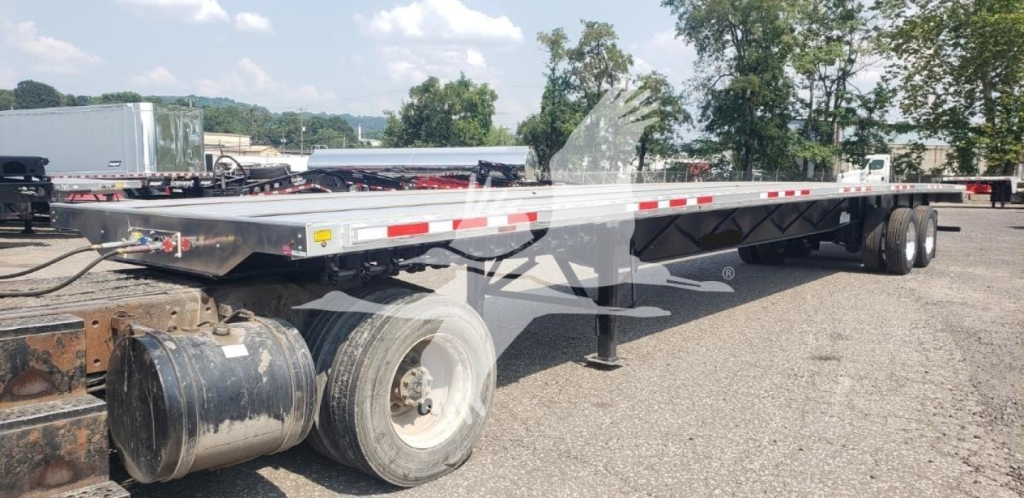
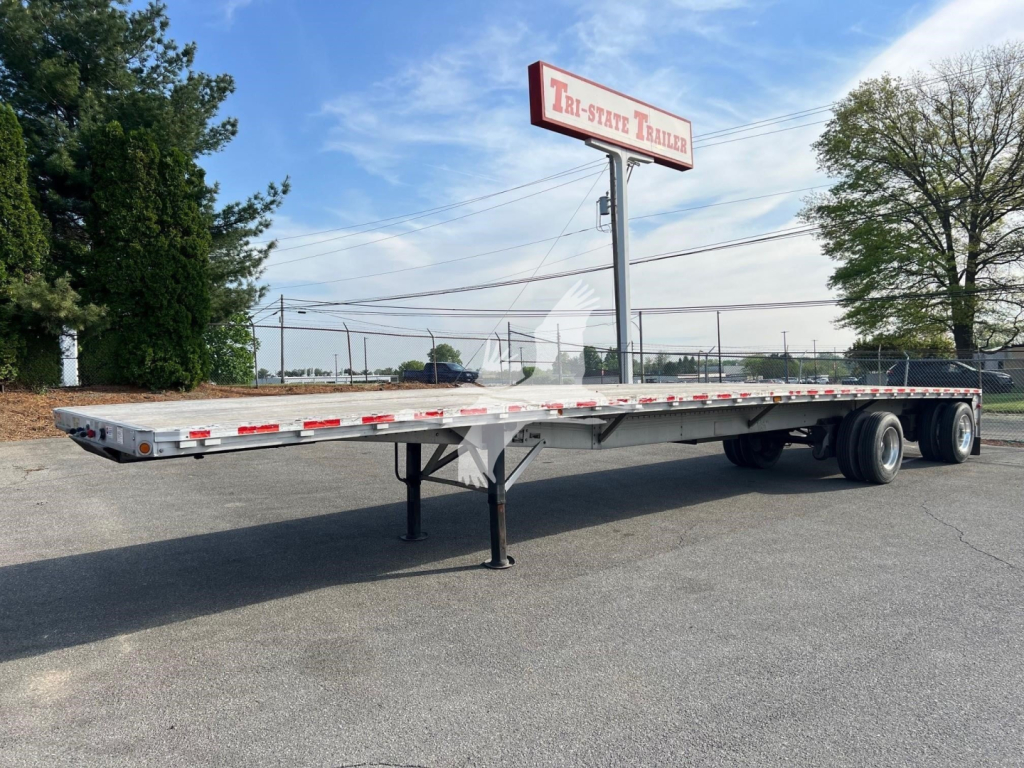
Most 2007 flatbed trailers in the market are 48' x 102", with aluminum, steel, or combo construction. Aluminum trailers generally offer lower tare weight and better payload capacity, while steel trailers tend to appeal to buyers prioritizing durability and lower upfront cost. Combo designs, such as steel main beams with aluminum decking and rails, are common because they balance weight and strength. Buyers should look closely at floor type, including aluminum decking or apitong nail strips, and confirm the condition of winch tracks, sliding winches, stake pockets, rub rails, and any coil package. If the trailer will haul steel coils, machinery, or concentrated freight, crossmember spacing, coil reinforcement, and load rating in concentrated areas matter more than headline GVWR alone.
Suspension and axle configuration are just as important as deck construction. Many flatbeds from this era were built with tandem or spread axle layouts, often with air ride suspension for better ride quality and cargo protection. A spread axle can improve weight distribution and stability, but it may increase tire scrub in tight turns and can affect bridge law flexibility depending on the operation. Check kingpin setting, suspension slide or fixed spread configuration, brake type, wheel-end condition, and tire size. On a 2007 trailer, service records for bushings, airbags, brakes, slack adjusters, hubs, and ABS components can tell you a lot about how much reconditioning may be ahead.
The best 2007 flatbed trailer for sale is the one spec'd for the freight you actually move. A lightweight aluminum unit may make sense for general commodity hauling, while a heavier steel or reinforced combo flatbed may be better for equipment, pipe, or dense construction materials. Useful details include toolboxes, dunnage racks, bulkheads, pipe spools, tire inflation systems, and dock-friendly ride height. Buyers should also inspect for rail damage from chains, deck corrosion around fasteners, repaired cracks near the neck and suspension mounts, and any uneven tire wear that could point to alignment or axle issues. A well-maintained 2007 flatbed can still be a productive trailer, but the value is in structural condition, legal loadability, and how closely the trailer's spec fits the lane and cargo.
Frequently Asked Questions about 2007 Flatbed Trailers
What should I inspect first on a 2007 flatbed trailer?
Start with the main frame rails, crossmembers, suspension hangers, and the deck. These areas reveal how the trailer was used and whether it has remaining structural life. Look for cracked welds, corrosion, bent rails, loose or damaged crossmembers, and worn decking. Then inspect brakes, airbags or springs, wheel seals, tires, ABS function, and lighting. On an older flatbed, structural condition and maintenance history are more important than appearance.
Is an aluminum or steel 2007 flatbed trailer better?
It depends on the freight and the cost structure of the operation. Aluminum flatbeds usually weigh less, which helps maximize payload and fuel efficiency. Steel flatbeds usually cost less to buy and can be preferred in severe-duty applications where abuse resistance matters more than tare weight. Combo trailers split the difference by using steel in high-stress areas and aluminum where weight savings matter. The better choice is the one that matches your freight density, loading method, and repair expectations.
What is the advantage of a spread axle flatbed trailer?
A spread axle flatbed can improve load distribution and often provides a stable feel on the road, especially with certain heavy or longer cargo. It can also help with axle weight placement on some loads. The tradeoff is increased tire scrub during tight turns, more space needed to maneuver, and less flexibility than a sliding tandem in some bridge law situations. Buyers should match the axle setup to their routes, commodity mix, and delivery environment.
Do I need a coil package on a flatbed trailer?
If the trailer will haul steel coils or other concentrated loads, a coil package is a valuable feature. It typically includes additional crossmember reinforcement and sometimes a dedicated coil well or concentrated load support. Without the right reinforcement, repeated heavy point loads can overstress the trailer structure. Even if coils are only an occasional load, having a flatbed with coil-rated reinforcement can broaden the range of legal and safe applications.
Can a 2007 flatbed trailer still be a good buy for over-the-road work?
Yes, if it has been maintained properly and passes a careful structural and mechanical inspection. Many older flatbeds remain productive because the basic design is simple and serviceable. The key is verifying frame integrity, deck condition, brake and suspension health, tire condition, and compliance items such as lights and ABS. A 2007 trailer with a solid frame, good running gear, and the right tie-down equipment can still work well in regional or over-the-road service.