
2007 Utility Trailers For Sale
Shop 2007 Utility trailers for sale, including dry van and reefer models known for durable construction, fleet-friendly specs, and strong resale value.

Selling a 2007 utility trailer? List your 2007 utility trailer for sale and reach thousands of commercial buyers.
2007 Utility Trailers
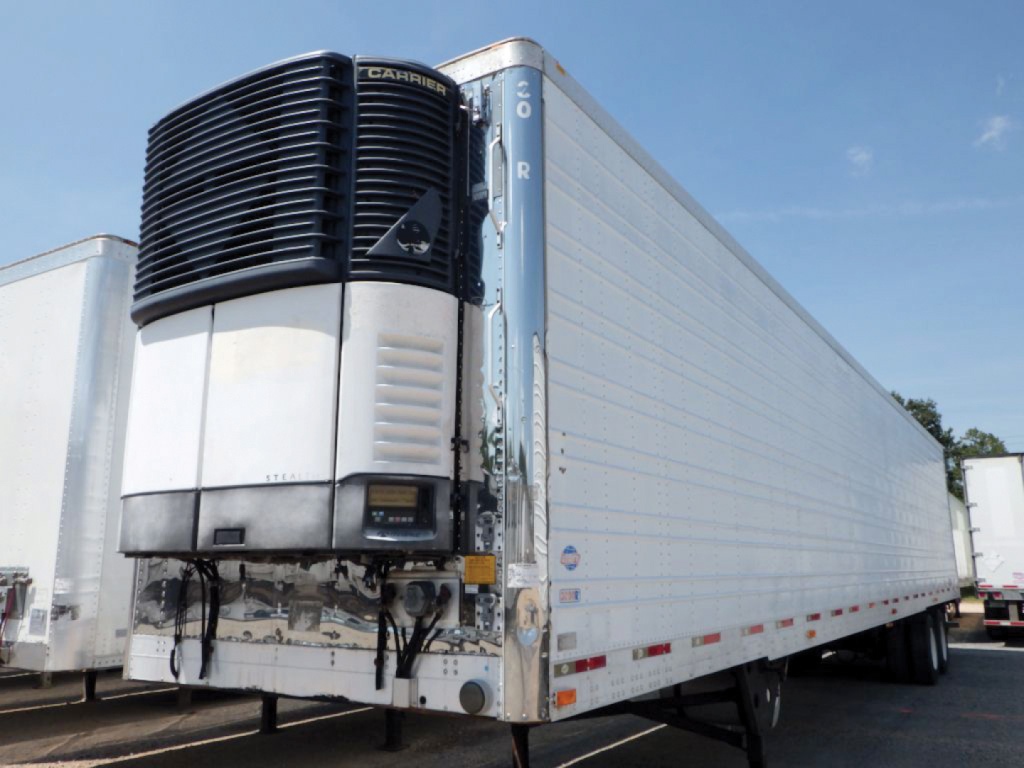
The first buying decision is usually van or reefer. A 2007 Utility dry van is generally the lower-complexity option for regional and over-the-road freight, with common features such as swing doors, wood or aluminum floors, scuff liners, duct floors in some specs, and logistics posts for load securement flexibility. A 2007 Utility reefer adds cargo temperature control but also adds maintenance points, including the refrigeration unit, bulkhead condition, door seals, insulation integrity, and floor wear. Buyers comparing older reefers should inspect hours on the unit, evaporator condition, fuel tank setup, and signs of past moisture intrusion or patchwork repairs in the front wall and roof.
Construction details matter on a trailer in this age range. Utility trailers are well known for lightweight aluminum-focused designs, but condition is more important than brand reputation alone. Look closely at roof bows, side panels, rear frame, crossmembers, slider rail wear, and kingpin plate condition. Dry vans should be checked for floor rot, wall delamination, and rear door alignment, while reefers should be evaluated for insulation performance, air chute condition if equipped, and damage around the drain lines and interior lining. Tire inflation systems, wheel-end condition, brake life, and suspension wear can make a major difference in the real cost of putting a 2007 trailer into service.
For many buyers, a 2007 Utility trailer makes sense as a cost-controlled addition for local haul, drop-and-hook lanes, dedicated contract freight, or warehouse shuttle work. Utility’s strong presence in large fleets means used examples often follow familiar fleet maintenance patterns and standard component specs, which helps with uptime and resale. The best unit is usually the one with a clean maintenance history, sound structure, and a spec that matches the freight, dock environment, and weight profile you actually run.
Frequently Asked Questions about 2007 Utility Trailers
What types of 2007 Utility trailers are most common on the used market?
The most common 2007 Utility trailers are 53-foot dry vans and refrigerated trailers. Dry vans are typically used for general freight, consumer goods, and distribution work, while reefers are built for temperature-sensitive freight such as food and pharmaceuticals. Most are equipped with tandem sliding axles, air ride suspension, and standard 22.5-inch wheel and tire packages.
What should I inspect first on a 2007 Utility dry van trailer?
Start with the floor, rear frame, doors, roof, and suspension. Floor condition is critical because hidden rot, excessive patching, or forklift damage can quickly turn a low-priced trailer into an expensive repair project. Also inspect crossmembers, kingpin wear, slider function, brake components, tire condition, and sidewall damage, especially around scuff areas and lower rail sections.
Is a 2007 Utility reefer still a good buy?
It can be, but the refrigeration system must be evaluated as carefully as the trailer structure. A sound 2007 reefer can still be useful for local or backup cold-chain service if the unit has acceptable engine hours, good insulation, tight door seals, and a clean interior. Buyers should confirm reefer unit service records, check for air leaks and moisture damage, and verify that the trailer can still hold temperature under load.
Are Utility trailers known for good parts availability?
Yes. Utility is a widely recognized trailer manufacturer with strong market penetration, so many structural and running gear components are familiar to dealers, fleet shops, and independent service centers. Parts availability is often better than with lower-volume brands, especially for common wear items such as brakes, suspension components, lights, doors, wheel-end parts, and standard body hardware.
What applications fit a 2007 Utility trailer best today?
These trailers are often a strong fit for regional freight, warehouse transfers, drop trailer pools, seasonal overflow, and dedicated lanes where buyers want to control capital cost. A dry van works well for boxed freight, retail distribution, and non-perishable cargo. A reefer is better suited for temperature-controlled regional freight, but only if the refrigeration unit and insulated body are still in serviceable condition.