
2007 Van Trailers For Sale
Shop 2007 van trailers for sale, including dry van specs, common lengths, door types, suspension options, and fleet-focused buying tips.
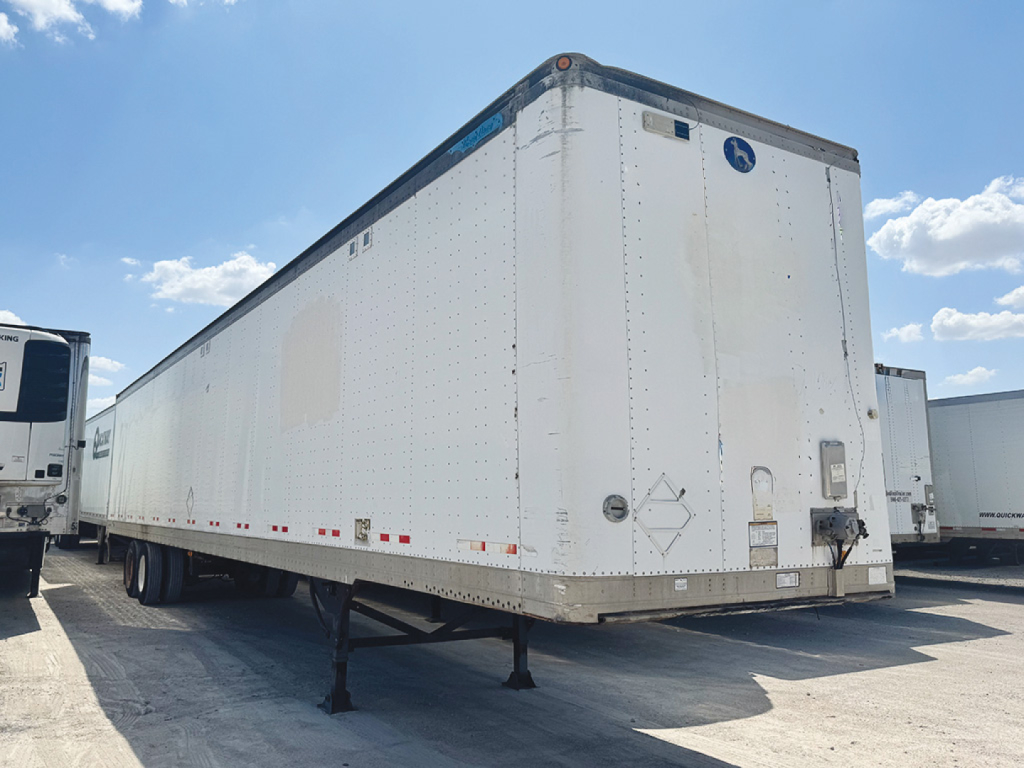
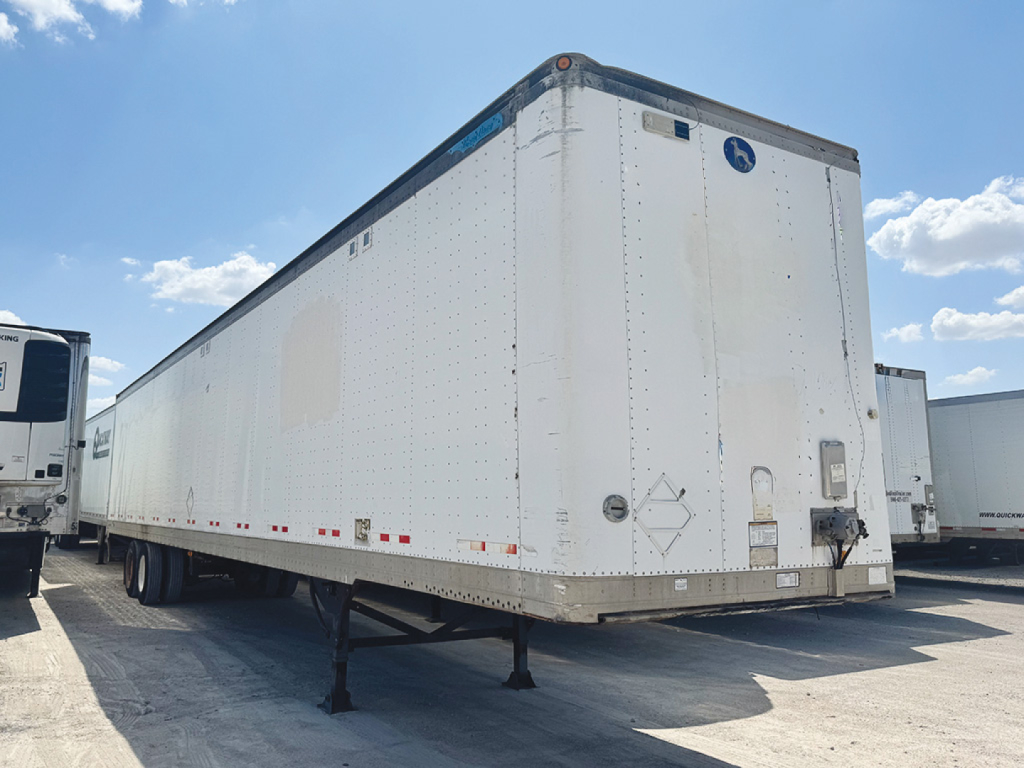
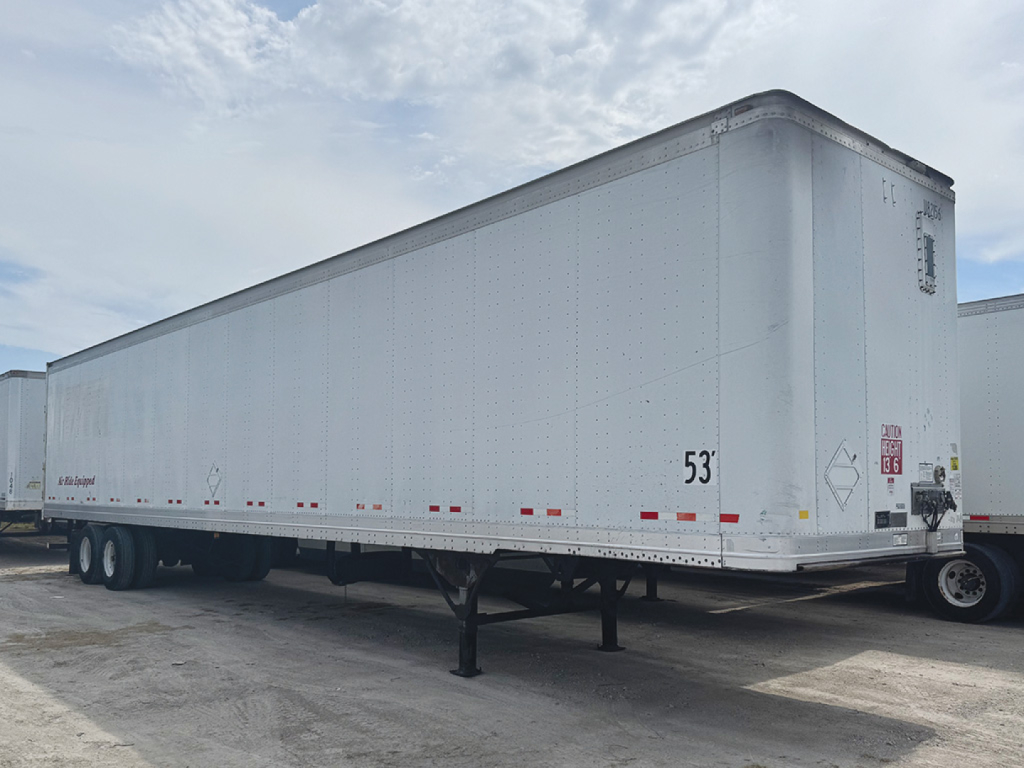
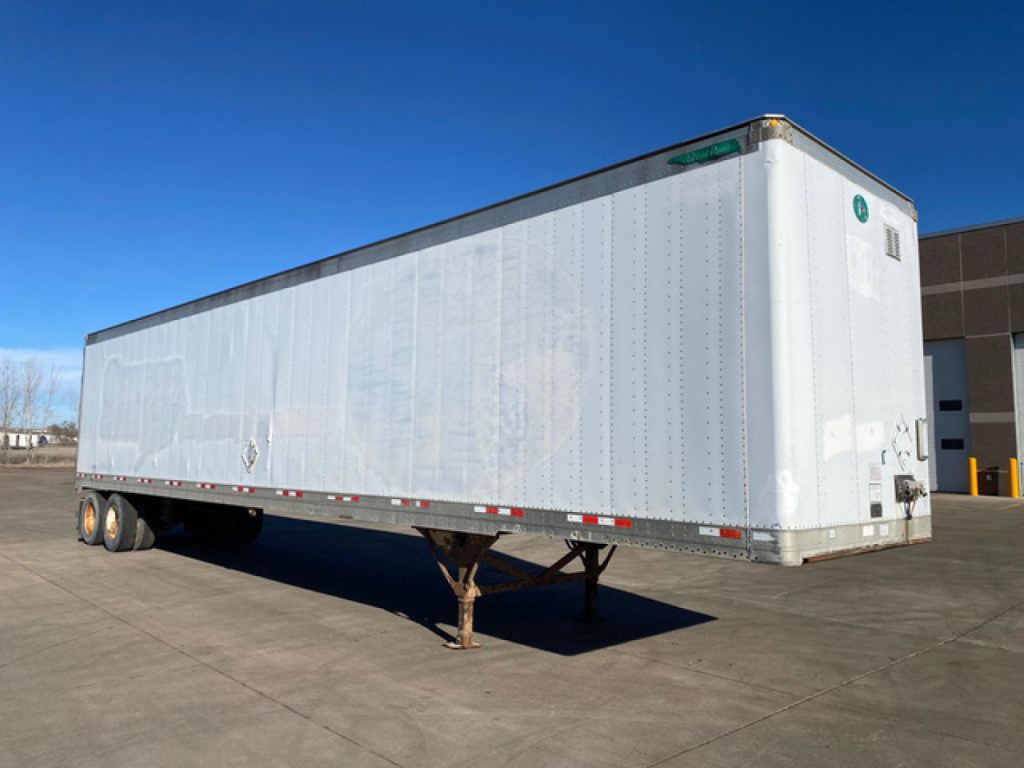
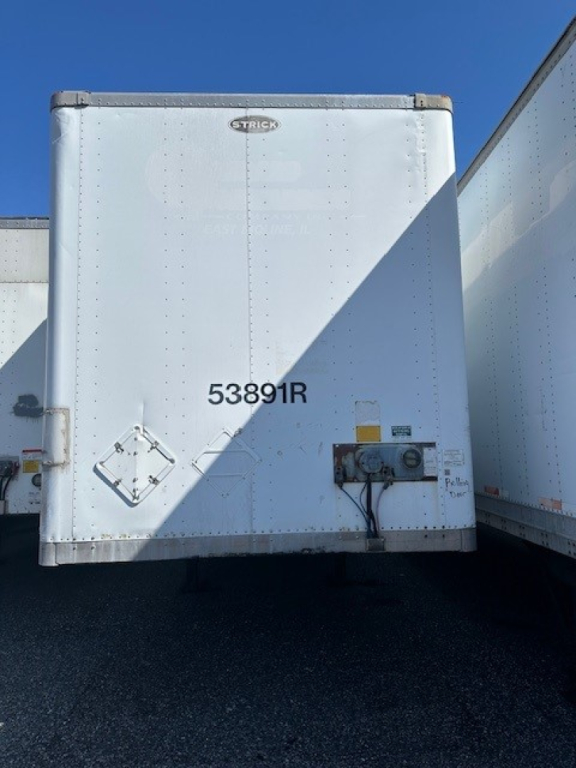
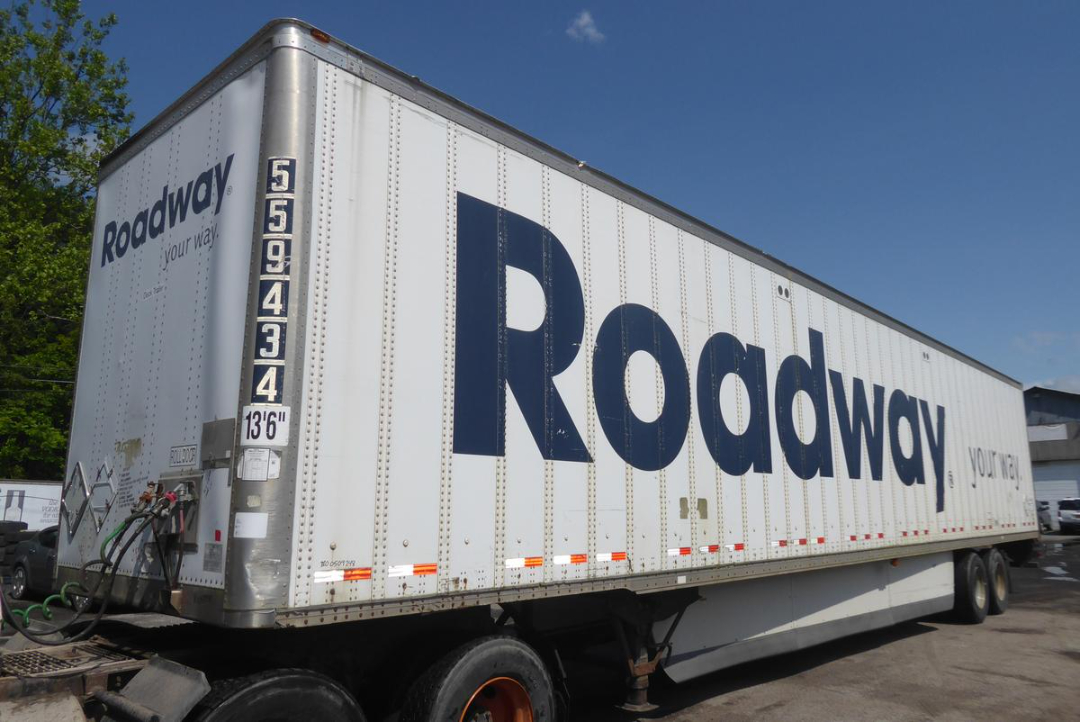
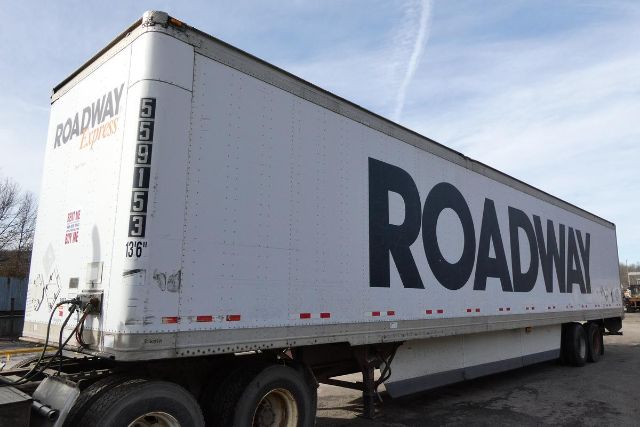
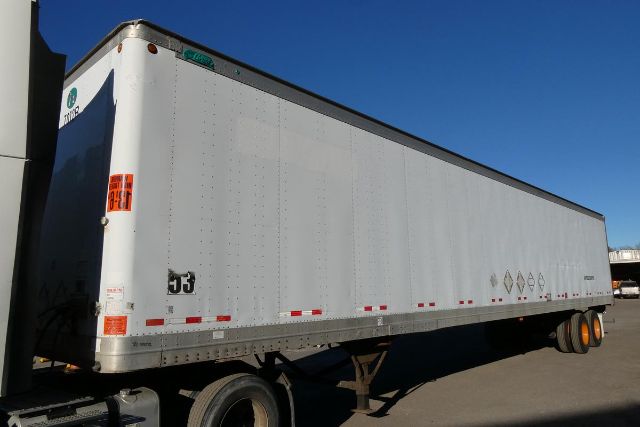
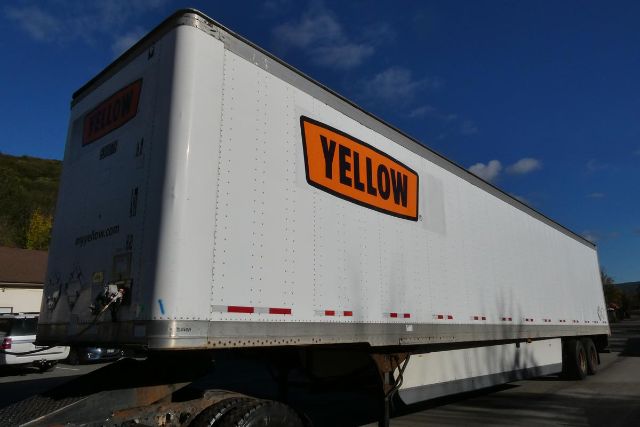
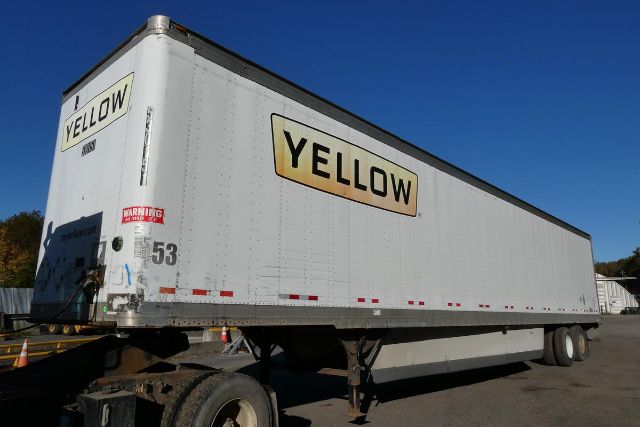
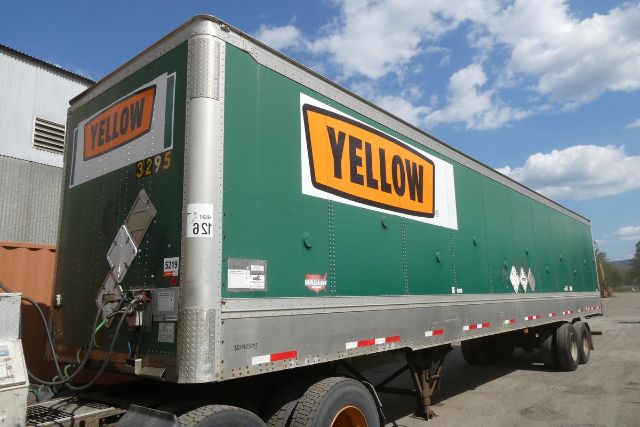
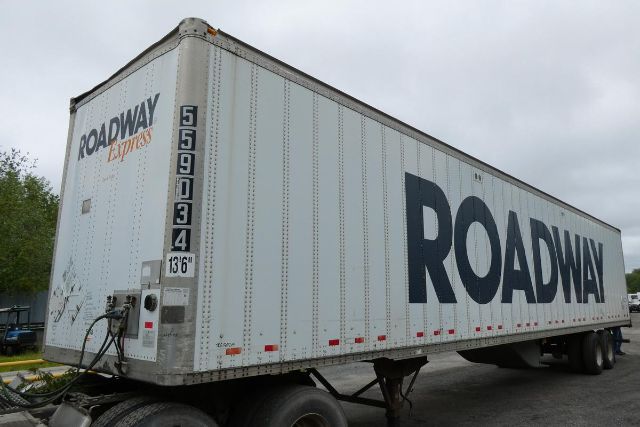
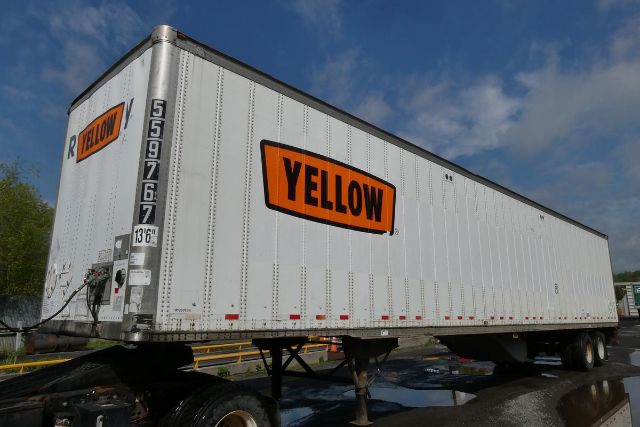
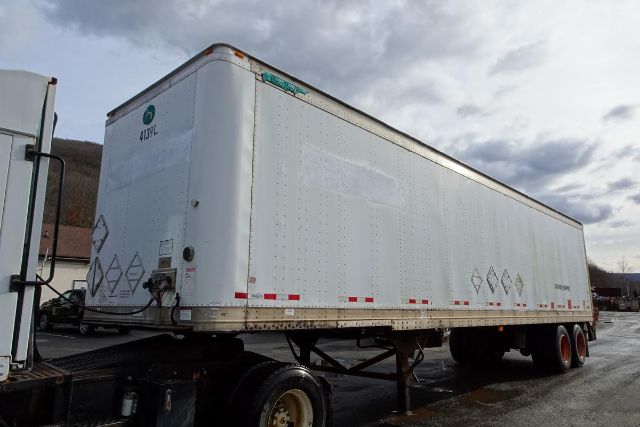
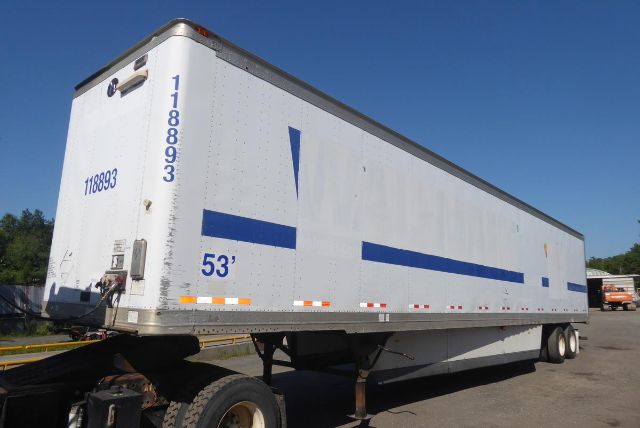
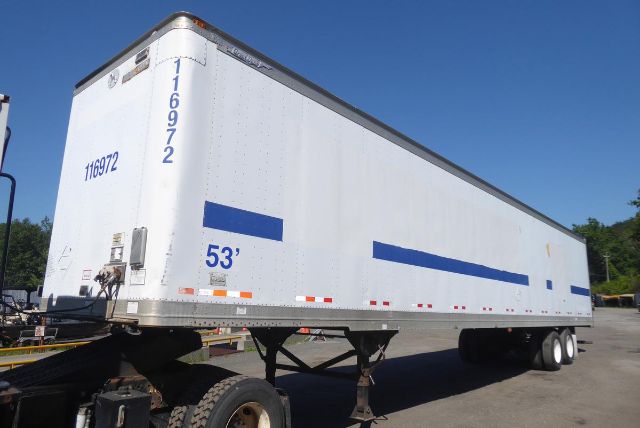
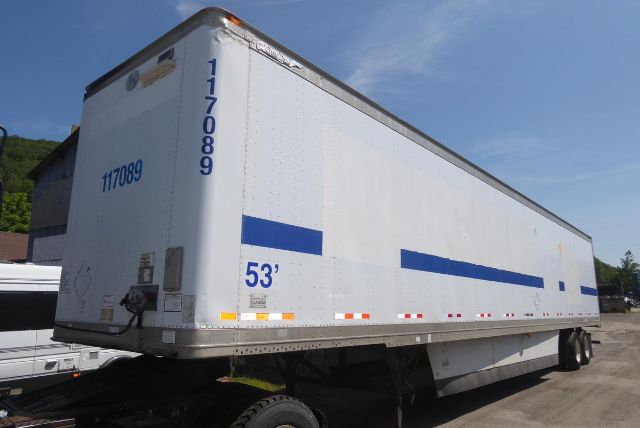
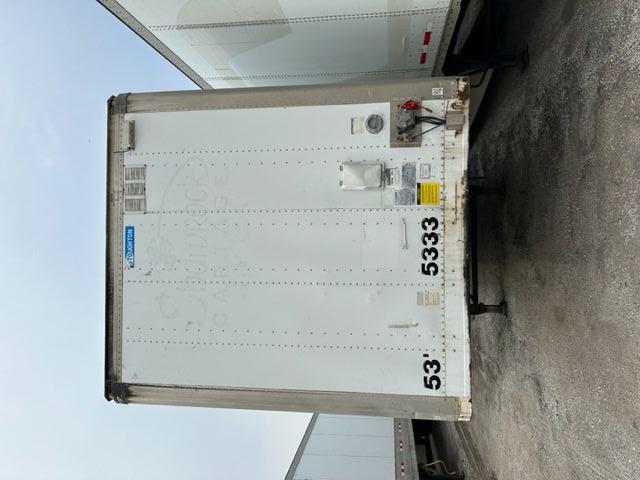
Showing 1 to 24 of 47 results
Have 2007 van trailer to sell? List it here to reach thousands of buyers.
2007 Van Trailers
Floor and wall condition should be checked closely on any 2007 van trailer. Wood floors often hold up well if they were not overloaded by forklifts with concentrated axle weight, but soft spots, patched sections, and rot around threshold plates can turn a low-cost trailer into a shop project. Inside, look for scuff liner damage, broken logistics posts, cracked side panels, light leaks, and signs of previous wall repairs. Outside, pay attention to roof bows, rivet lines, front wall stress, lower rail corrosion, and any buckling near the tandem area. Swing doors are still preferred by many fleets for full opening width and simpler repair, while roll-up doors are more common in city delivery and liftgate applications but add weight and reduce clear opening height.
Running gear matters just as much as the box. On a trailer of this age, suspension type, slider condition, brake setup, wheel-end maintenance, and tire wear will affect operating cost immediately. Air ride is common on road vans and helps protect freight, while spring suspension is still found on some shorter pup and city units. Sliding tandems should move freely and lock square. Check for worn slider rails, cracked hangers, brake chamber age, air system leaks, ABS faults, and uneven tire wear that points to alignment or axle issues. Buyers running in California or other compliance-heavy markets may also want to confirm lighting, mudflap, and emissions-related yard rules if the trailer will be used in fleet service rather than private storage.
A 2007 van trailer is often best suited for dry freight, warehouse overflow, spot market work with lower trailer utilization, or as a cost-controlled addition to a private fleet. It can also be a smart choice for drop-and-hook operations if the doors, floor, and landing gear are dependable. If cubic capacity matters, verify inside height and door opening dimensions, especially on older regional vans and 28-foot pups used in doubles service. Buyers comparing listings should weigh tare weight, repair history, and structural integrity ahead of cosmetic appearance. A clean sidewall helps, but a straight frame, dry roof, solid floor, and healthy running gear are what make an older van trailer earn its keep.
Frequently Asked Questions about 2007 Van Trailers
What should I inspect first on a 2007 van trailer?
Start with the structural items that are expensive to repair. Check the floor for soft spots and patches, inspect the roof for leaks, look at crossmembers and side rails for corrosion or cracks, and examine the rear frame and door jambs for damage from dock impact. After that, move to the running gear, including suspension, brakes, tires, wheel ends, and tandem slider function. Cosmetic issues matter less than structural condition on a trailer in this age range.
Are 2007 dry van trailers still good for over-the-road freight?
They can be, provided the trailer has been maintained and the specification fits the lane. Many 2007 vans are still serviceable for general dry freight, regional hauling, and drop trailer programs. The deciding factors are floor strength, water-tightness, brake and suspension condition, and whether the trailer meets your customer's loading requirements. For high-mileage fleet use, maintenance history becomes especially important.
What lengths are common on 2007 van trailers?
The most common lengths are 48 feet and 53 feet for standard dry van service, with 28-foot pups also appearing in city and doubles applications. Width is typically 102 inches, and overall height is commonly 13 feet 6 inches. Interior dimensions and door opening height can vary by manufacturer and body design, so those measurements should be verified if cube, pallet count, or liftgate compatibility matters.
Is a swing door or roll-up door better on an older van trailer?
Swing doors are usually preferred for linehaul and dock work because they provide a wider clear opening, weigh less, and are generally simpler to maintain. Roll-up doors are useful in route delivery, urban stops, and liftgate service where door clearance behind the trailer is limited. On an older trailer, a roll-up door should be checked carefully for track wear, cable issues, damaged panels, and poor sealing because repairs can add up quickly.
How important is suspension type on a used van trailer?
Suspension type affects freight protection, maintenance cost, and ride quality. Air ride is common on highway dry vans and is usually preferred for more fragile loads and smoother operation. Spring suspension is simpler and still suitable for many applications, especially on shorter trailers and certain local routes. On a 2007 trailer, the condition of the suspension components is often more important than the design itself, so inspect bushings, hangers, shocks, air bags, and axle alignment closely.