
Tank Trailers For Sale in Nebraska
Browse tank trailers for sale in Nebraska, including stainless and aluminum tanker trailers for fuel, liquid bulk, ag, and food-grade hauling.
No exact matches found for your search
Showing Tank Trailers instead.
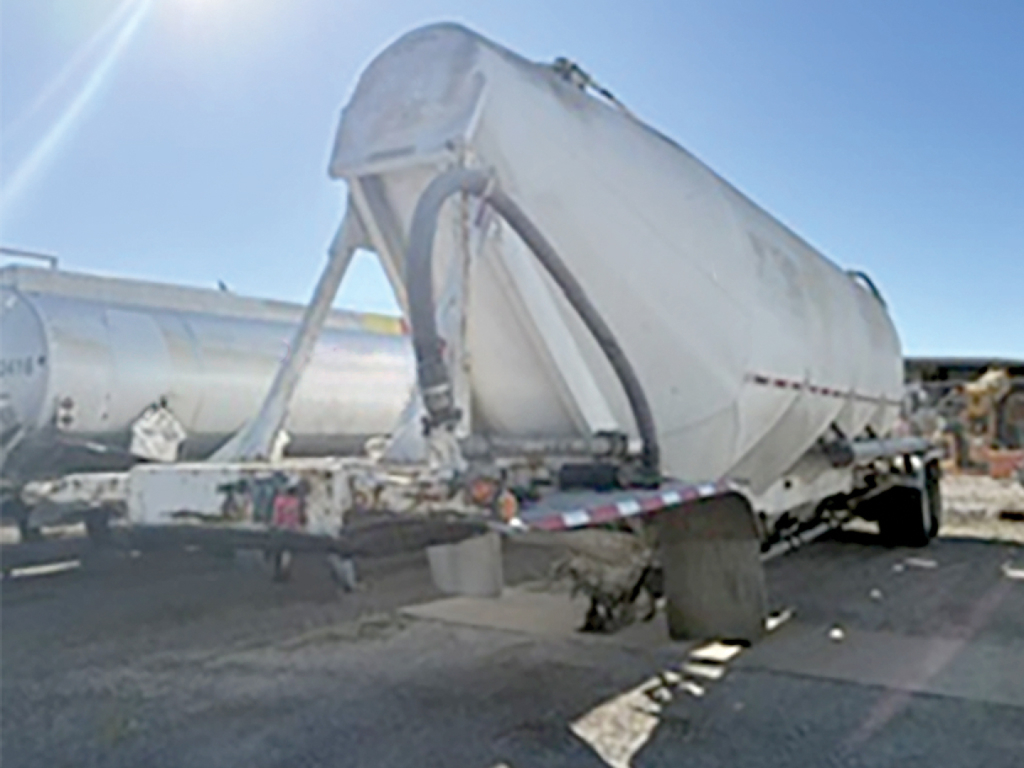
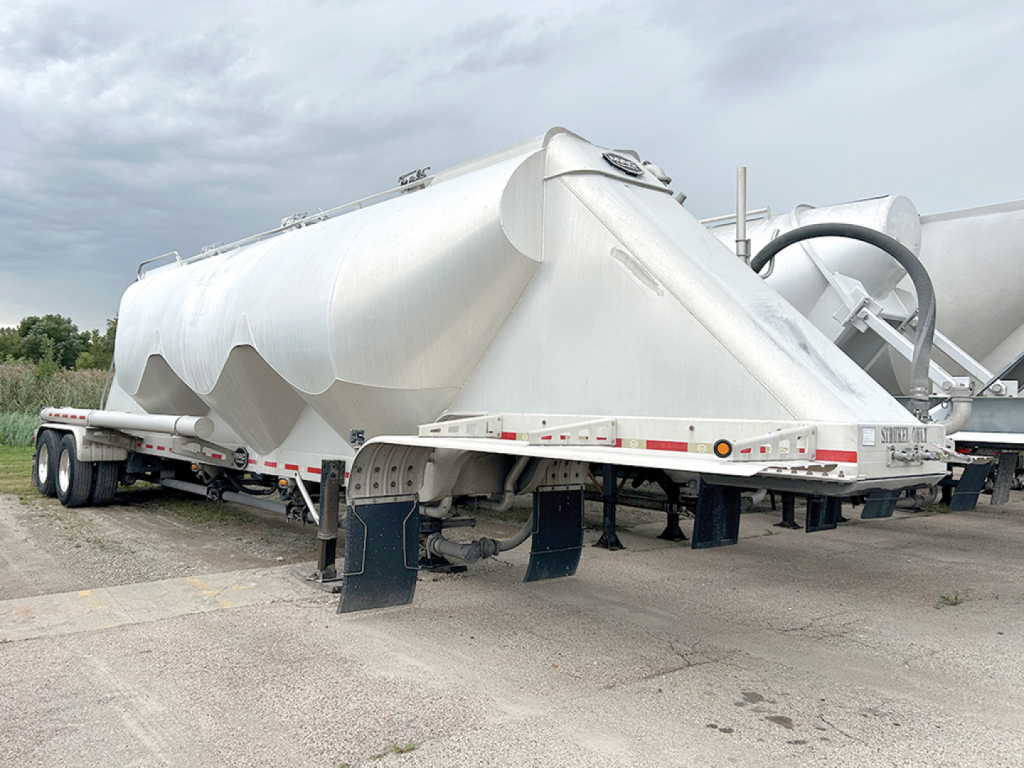
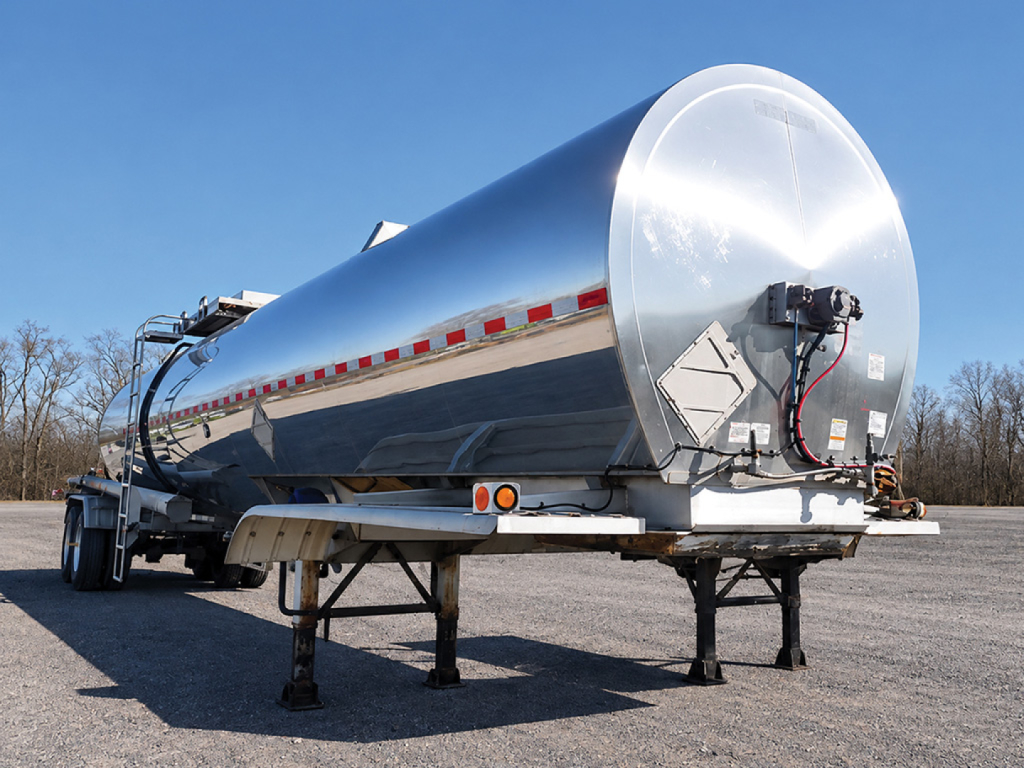
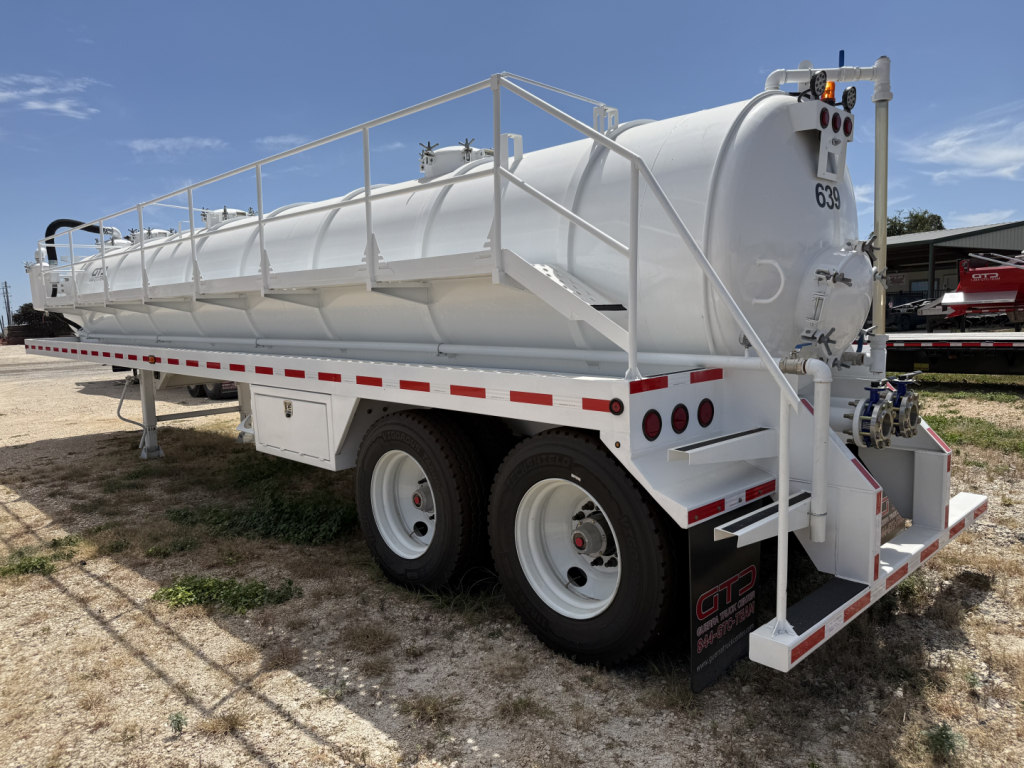
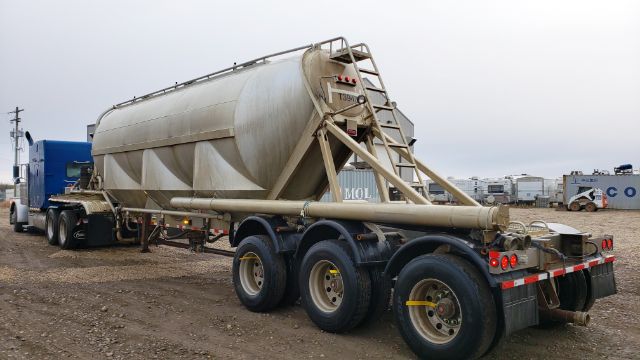
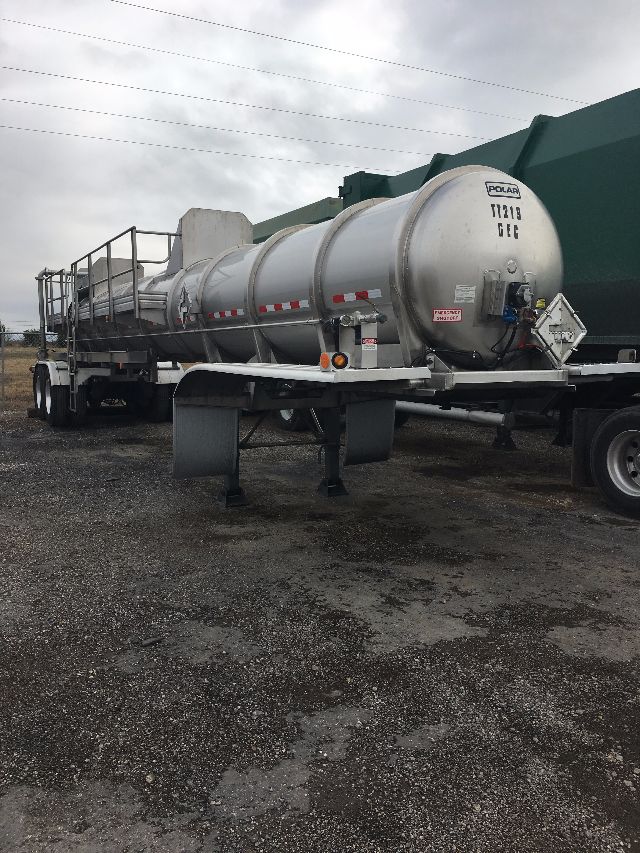

Selling a tank trailer? List your tank trailer for sale and reach thousands of commercial buyers.
Tank Trailers in Nebraska
A buyer should start with barrel construction and code requirements. Stainless steel barrels are common where product compatibility, cleanout, and long-term corrosion resistance matter. Aluminum barrels and frames are widely used in petroleum service because they reduce tare weight and support higher payloads. Depending on the application, you may see MC-306 and similar DOT-spec trailers, baffled or smooth-bore construction, rear or center discharge, and 3-inch or 4-inch stainless or aluminum piping. Manhole count, internal compartment design, overfill protection, vapor recovery provisions, hose tubes, and cabinet storage all influence how practical the trailer is in daily loading and unloading.
Running gear matters just as much as the tank itself. Suspension choice often comes down to route quality and product sensitivity, with spring suspension favored for simplicity and lower repair cost and air ride preferred for ride quality and protection of equipment and load. Wheel and tire package, axle count, brake type, and frame material affect maintenance cost and legal payload. On older used tank trailers, buyers should pay close attention to shell condition, weld integrity, signs of previous repairs, barrel dents, lining or contamination history, current test and inspection status, and the condition of valves, seals, and discharge controls. A clean barrel with documented testing can be more valuable than a newer trailer with incomplete records.
For Nebraska operations, tank trailers often see a mix of highway miles, seasonal agricultural demand, and rural loading or delivery points. That makes durability, serviceability, and proper spec matching especially important. A shorter pup tanker may fit tight terminals or local delivery work, while a full-length semi tank trailer is better suited for higher-volume regional hauling. Buyers comparing tank trailers for sale should focus on product compatibility, legal spec, suspension, discharge setup, and actual usable capacity under local weight laws. Those details determine whether a tanker trailer will be efficient in petroleum, chemical, food-grade, or farm liquid service.
Frequently Asked Questions about Tank Trailers in Nebraska
What is the difference between a stainless steel tank trailer and an aluminum tank trailer?
Stainless steel tank trailers are typically chosen for corrosive products, food-grade service, and applications where cleanout standards are strict. Aluminum tank trailers are common in petroleum hauling because they are lighter and can improve payload within legal gross weight limits. The right choice depends on the commodity, required cleanliness, corrosion exposure, and the trailer code needed for the load.
How important are compartments in a tank trailer?
Compartment layout is critical because it determines how many products can be hauled at one time and how weight can be balanced across the axles. A single-compartment tank is simpler and common for one-product service, while multi-compartment tank trailers are preferred in petroleum delivery and other operations that need split loads. Buyers should also confirm internal plumbing, valve arrangement, and whether each compartment meets the intended loading and unloading process.
What should I inspect first on a used tank trailer?
Start with the tank shell, barrel material, and any visible repairs or dents around weld seams, manways, and discharge points. Then review the trailer's inspection and test records, including any required DOT or pressure-related certifications for the intended service. After that, inspect valves, piping, overfill protection, suspension, brakes, tires, and the condition of hoses, seals, and fittings because those items often drive immediate repair cost.
Are tank trailers for petroleum different from general liquid tank trailers?
Yes. Petroleum tank trailers are usually built to specific code requirements and often include features such as multiple compartments, overfill protection, vapor control provisions, bottom or center discharge systems, and aluminum construction for lighter tare weight. General liquid tank trailers may be configured very differently depending on whether they are hauling water, fertilizer, food products, or industrial liquids.
What tank trailer size is best for Nebraska hauling?
The best size depends on product density, route type, and delivery points. Full-length tank trailers work well for regional bulk movement where maximum volume matters, while pup tankers can be a better fit for local delivery, tighter terminals, and operations with shorter turns. Nebraska buyers should compare rated capacity against actual legal payload, especially when hauling heavier liquid commodities that can gross out before the tank is full.