
Used Hood Parts For Sale in New York
Browse used truck hoods for Freightliner, Mack, Volvo and more. Compare fitment, style, damage points, and interchange by model year.
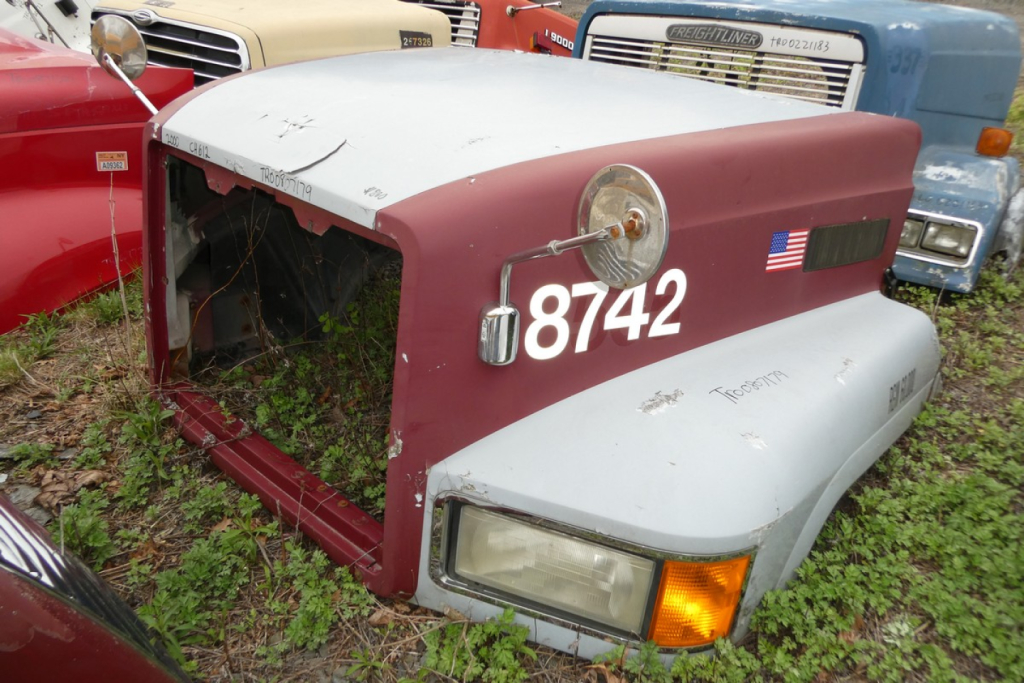
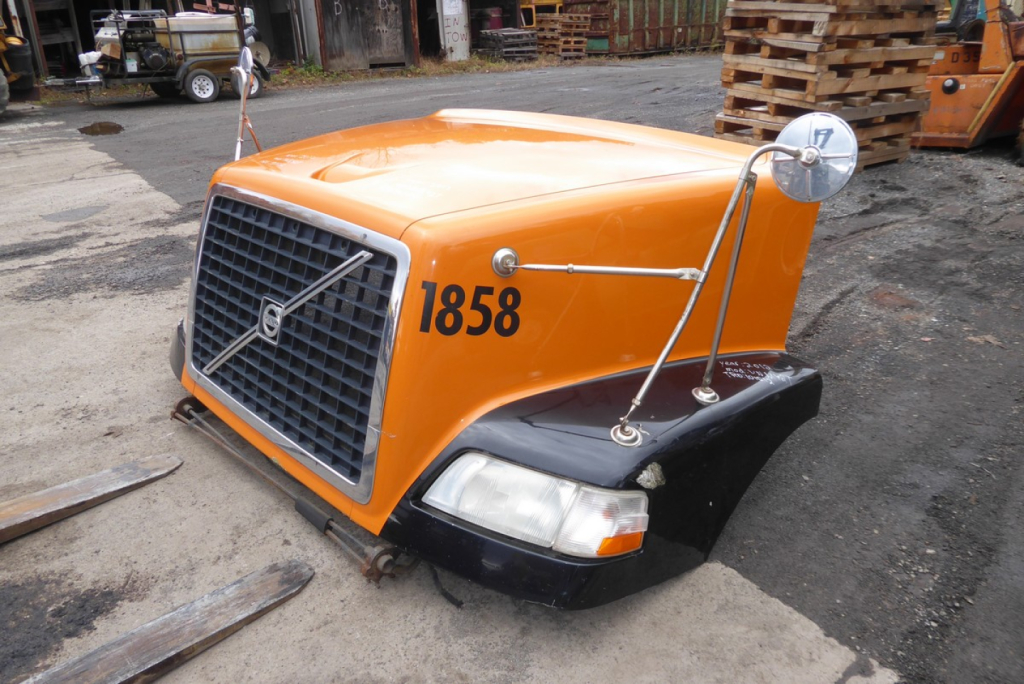
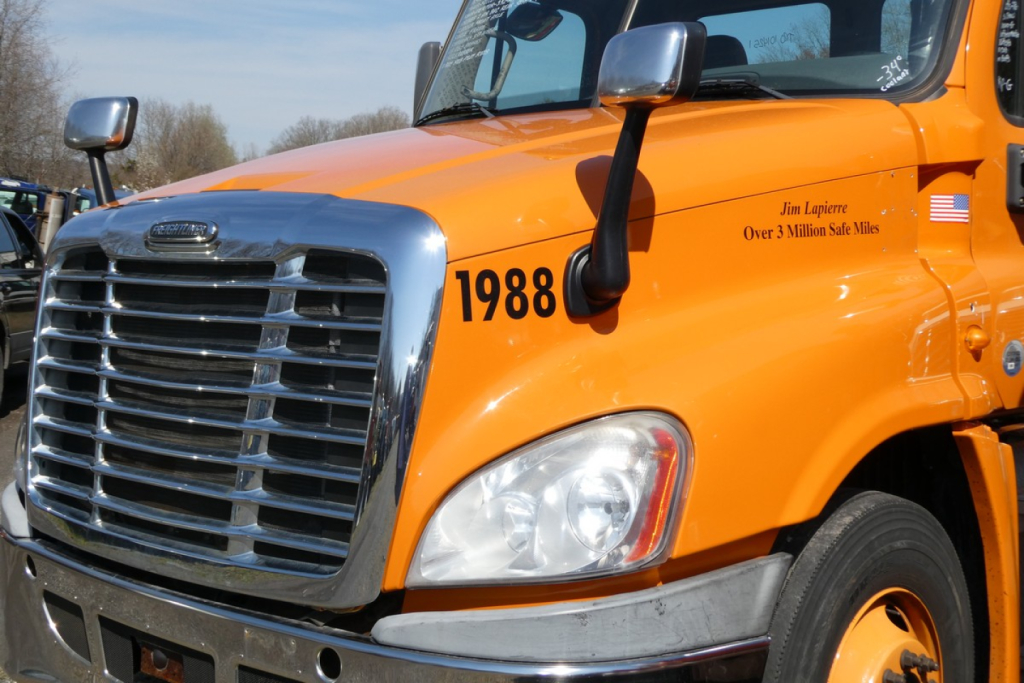
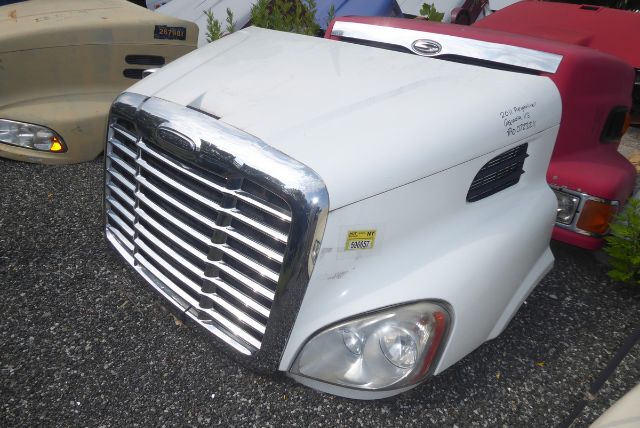
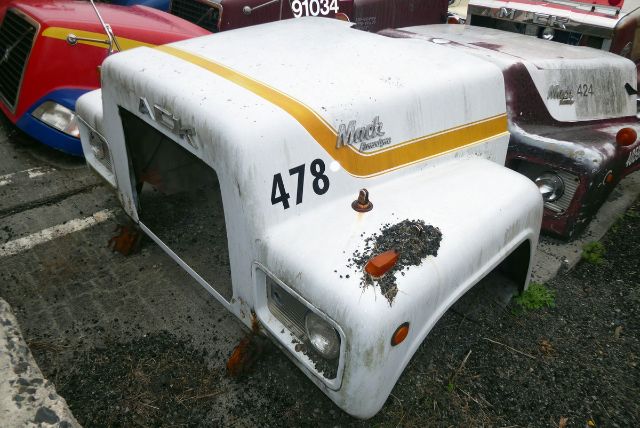
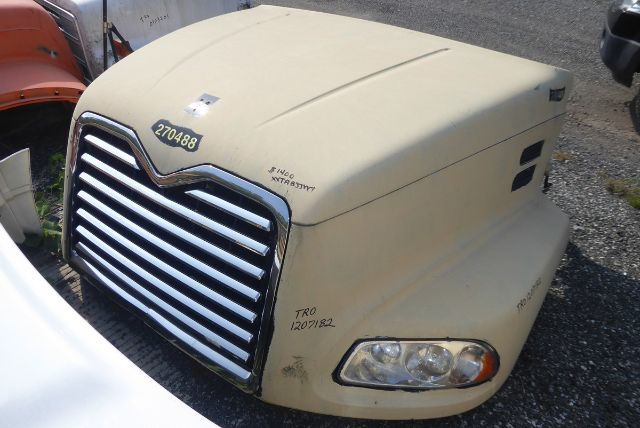
Selling a used hood part? List your used hood part for sale and reach thousands of commercial buyers.
Used Hood Parts in New York
Fitment is the first decision point. Hood interchange can vary by generation, BBC length, headlight style, grille design, and mounting hardware even within the same model family. Freightliner Cascadia 113 and 125 hoods, Mack R-model hoods, Mack CXU series hoods, and Volvo VNM hoods all have their own attachment points and front-end dimensions. A buyer should confirm hinge style, fender contour, hood length, headlamp bucket configuration, and compatibility with the grille, bumper, and cowl. On aerodynamic tractors, small differences in emissions-era updates or facelift changes can affect alignment and latch engagement, so VIN-based verification is often the safest route.
Condition matters more on a hood than many buyers expect. A used hood may be structurally usable but still need fiberglass repair around the hinge mounts, latch areas, rear corners, or headlight openings. Inspect for stress cracks, prior bodywork, spider cracking in the gel coat, mounting tab repairs, and any twist that could create uneven hood gaps. It is also worth checking whether the hood is being sold bare or with accessories such as grille inserts, bezels, headlights, mirrors, or hood latches. For fleets trying to reduce downtime, a complete take-off hood can save labor compared with transferring hardware from a damaged unit.
For buyers in New York and the Northeast, corrosion on adjacent metal supports and winter road exposure should be part of the evaluation, even though many truck hoods themselves are fiberglass. Ask about the underside structure, reinforcement areas, insulation, and any damage caused by front-end impact or tire spray. Older vocational and regional-haul trucks may use more conventional hood designs, while late-model aero tractors rely on tighter panel alignment for appearance and airflow. A well-matched used hood can put a truck back to work quickly, but the best purchase is the one that matches the truck’s exact front-end configuration and minimizes repair labor after installation.
Frequently Asked Questions about Used Hood Parts in New York
How do I know if a used truck hood will fit my tractor?
Start with the truck’s VIN, make, model, and exact model year, then verify hood length, headlight style, grille opening, hinge points, and latch locations. Many hoods interchange across multiple years, but facelift changes, BBC differences, and front-end component revisions can affect fit. Matching only by model name is not enough on trucks like the Freightliner Cascadia, Mack CXU, or Volvo VNM because sub-variants can have different front-end hardware and contours.
What damage should I look for on a used fiberglass hood?
The most common problem areas are hinge mounts, latch points, rear lower corners, headlight openings, and the inner support structure. Look for stress cracks, repaired fiberglass, delamination, spider cracking, broken mounting tabs, and any signs the hood is twisted from impact. Surface blemishes are usually less important than structural damage because poor alignment can create installation problems even if the outer shell looks acceptable.
Are used hoods usually sold complete or bare?
It depends on how the part was removed and how the seller is packaging it. Some used hoods are sold as bare shells, while others include grille sections, headlights, bezels, latches, mirrors, insulation, or other front-end hardware. A complete hood assembly can reduce labor and shorten repair time, but buyers should confirm exactly which components are included because missing mounting hardware or lighting brackets can add cost quickly.
Why does model year interchange matter so much on hood parts?
Truck manufacturers often keep the same model name while changing the hood mold, lamp design, grille shape, or mounting system over several production years. A hood from one year range may bolt onto another truck with modifications, but that does not mean the body lines, latch engagement, and adjacent parts will line up correctly. Interchange information is valuable, but exact configuration still matters if the goal is a clean install with minimal rework.
Is a used hood a good choice for collision repair?
A used hood is often a cost-effective option for collision repair when the replacement matches the truck’s configuration and the shell is structurally sound. It can make particular sense on older tractors, regional units, or fleet trucks where minimizing repair cost matters more than cosmetic perfection. The key is to evaluate repair history, mounting integrity, and included hardware so the installation does not create extra bodywork or downtime.