
Used Hood Parts For Sale
Shop used semi truck hood parts by make and model. Compare fitment, construction, damage points, and interchange details for replacement hoods.
Selling a used hood part? List your used hood part for sale and reach thousands of commercial buyers.
Used Hood Parts
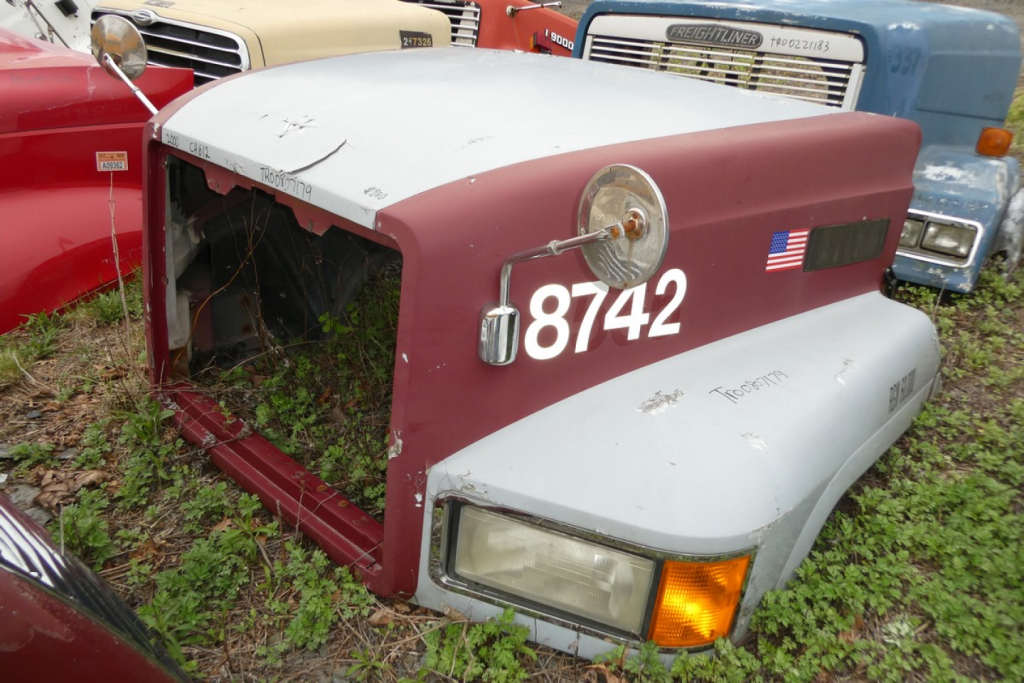
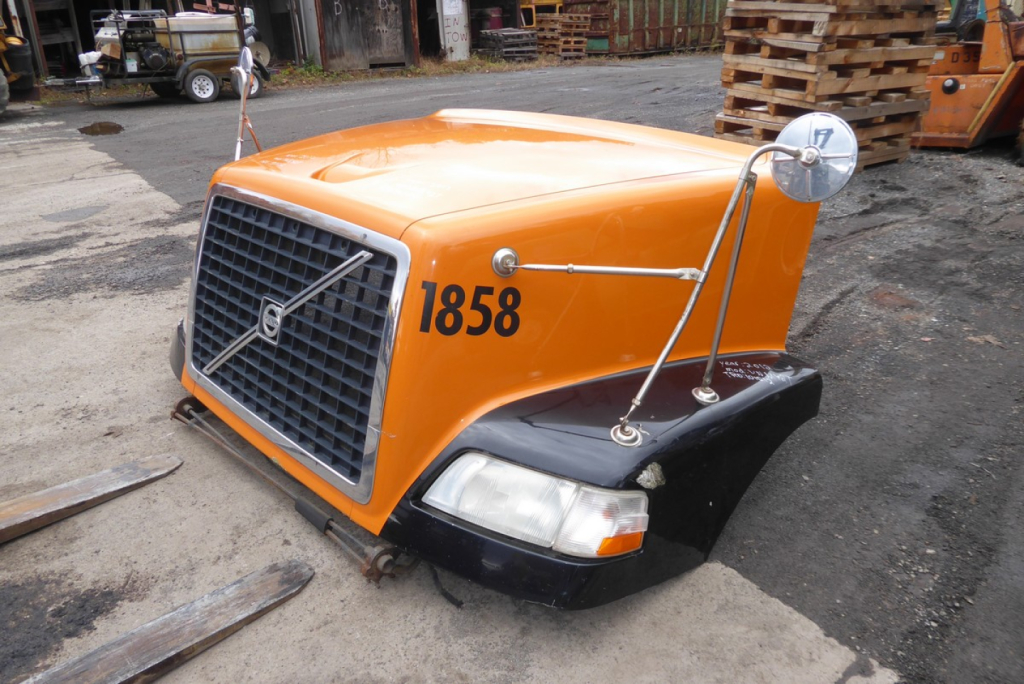
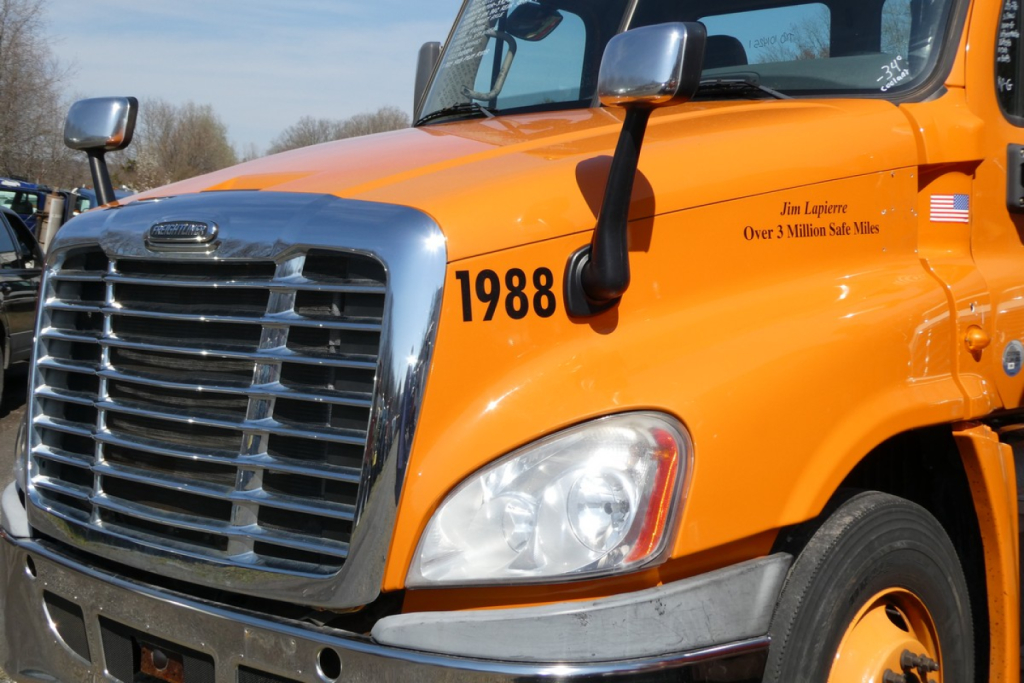
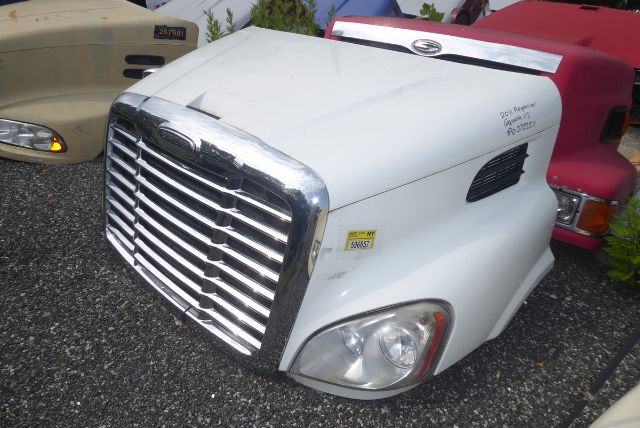
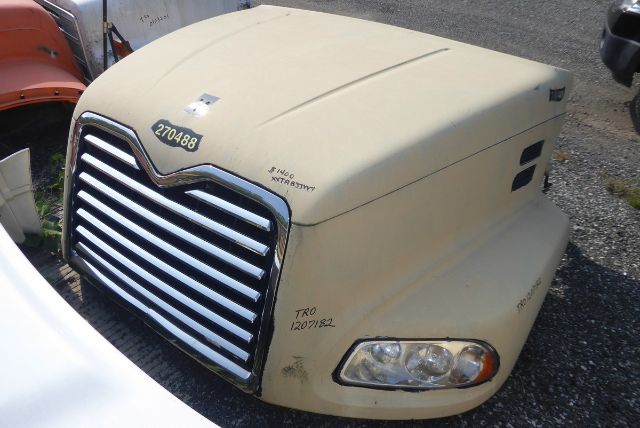
Fitment is the first decision point. Freightliner Cascadia, Volvo VNM, Mack CXU, and Mack R-model hoods all have different mounting layouts, tilt geometry, and front-end trim configurations. Some hoods interchange across a range of years, but that should always be confirmed by hood style, engine set-back, BBC dimension, headlight design, and hinge or latch arrangement. A used hood may be sold as a complete assembly or as a shell only. Buyers should verify whether it includes the grille, bezels, headlights, mirrors, mounting brackets, inner structure, insulation, hood shocks, and latch hardware. Small differences in trim package can add labor and extra parts cost if they are not identified upfront.
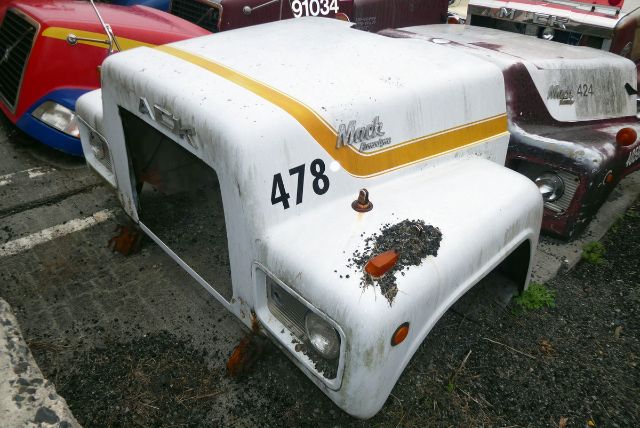
Condition matters more than paint. Most late-model truck hoods are fiberglass or composite, so the key inspection points are stress cracks around hinge mounts, spider cracking near the fender tops, repairs at latch areas, delamination, broken mounting tabs, and edge damage around grille and headlamp openings. On older conventional trucks, hood alignment and prior body repair are especially important because a hood can look usable off the truck but still fit poorly at the cowl, bumper, or fenders. Buyers should also look for wear from tire rub, corrosion on attached hardware, and any distortion that may affect hood closing, panel gaps, or headlight aim.
A good used hood can shorten downtime if the replacement matches the truck correctly and arrives with the right attached components. For fleet repairs, color match is usually secondary to structural condition and interchange, while owner-operators may place more value on straight panels and reduced refinishing time. If the truck has collision damage, it is smart to inspect nearby parts at the same time, including radiator supports, bumper brackets, charge air cooler mounts, hood pivots, and latch supports, because hidden front-end damage can keep even a straight hood from fitting correctly.
Frequently Asked Questions about Used Hood Parts
How do I know if a used truck hood will fit my make and model?
The safest way to confirm fitment is by matching the hood to the truck’s exact make, model, generation, and model year, then verifying details such as headlight style, grille opening, hinge location, latch setup, and BBC measurement if applicable. Some hoods interchange across multiple years, but front-end updates within the same model line can change mounting points or trim. VIN-based parts lookup and visual comparison of the existing hood are both useful before purchase.
What should I inspect on a used fiberglass hood?
Focus on structural areas first. Check for stress cracks near hinges, latch mounts, and mounting tabs, along with spider cracking, previous fiberglass repair, delamination, and broken edges around headlamp or grille openings. Cosmetic paint issues are usually less important than whether the hood opens, closes, and aligns correctly. A hood with hidden structural damage can create ongoing fitment problems even if the exterior looks decent.
Are truck hoods usually sold complete or as a shell only?
Used hood parts can be sold either way. Some come as a bare shell, while others include grille inserts, headlights, bezels, insulation, mirrors, hood shocks, hinges, or latch hardware. The difference matters because transferring components from the original hood can add labor and expose compatibility issues. Buyers should confirm exactly what is included so the total repair cost is clear.
Can a hood from one year range fit another year range of the same truck model?
Sometimes, yes. Certain truck families have multi-year interchange, especially when the cab and front clip remained unchanged for several production years. Freightliner Cascadia, Volvo, and Mack models may have overlap, but interchange should never be assumed from model name alone. Mid-cycle design changes can affect headlights, grille shape, inner bracing, and mounting hardware even when the hood looks similar at a glance.
Is buying a used hood a good option after front-end collision damage?
It can be, especially when the goal is to reduce repair cost and get the truck back in service faster. The main issue is that front-end impacts often damage surrounding components such as the radiator support, bumper mounts, pivots, and latch supports. If those parts are bent, a replacement hood may not align correctly. A used hood makes the most sense when the fitment is verified and the rest of the front structure is inspected at the same time.