
Used Mack Hood Parts For Sale
Used Mack hood parts for CH, CXU, R and other models. Compare fitment, material, mounting points and condition before you buy.
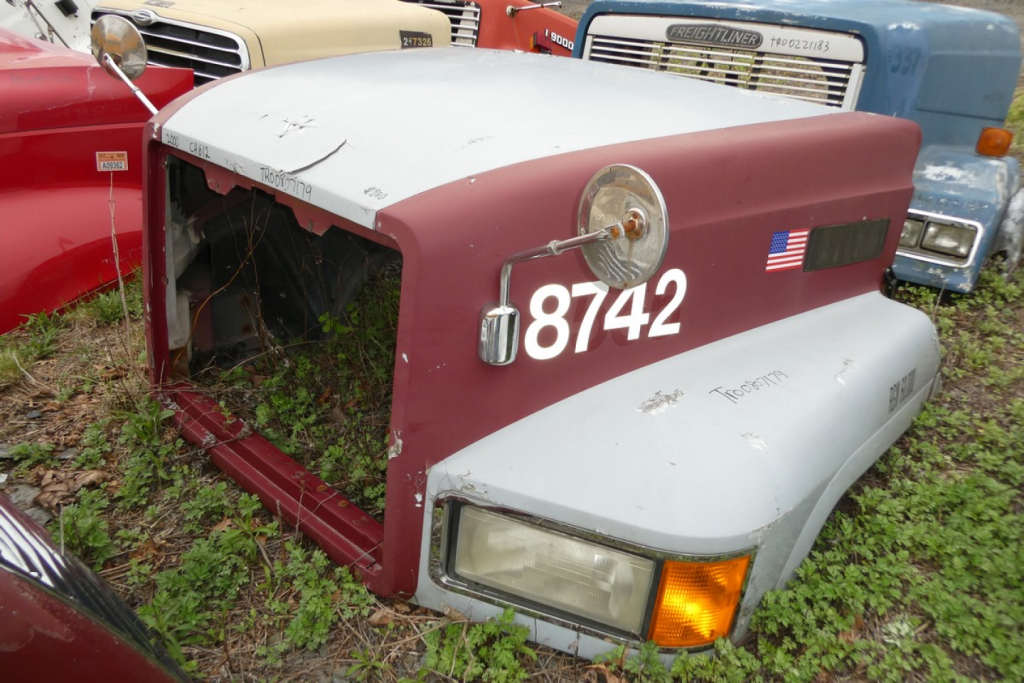
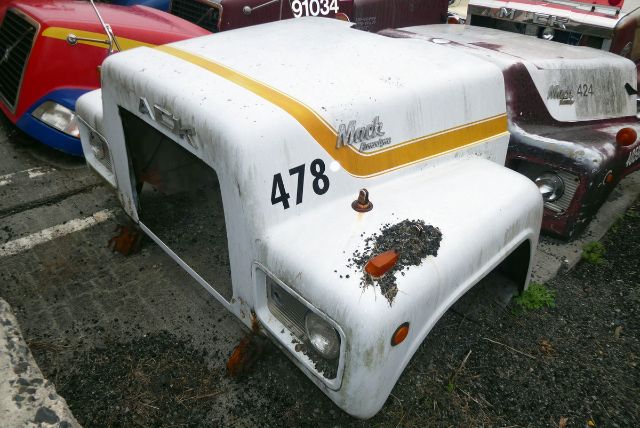
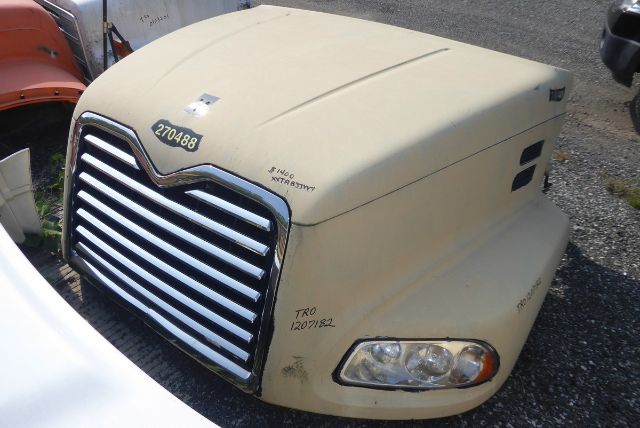
Selling a used mack hood part? List your used mack hood part for sale and reach thousands of commercial buyers.
Used Mack Hood Parts
Material and condition are the two biggest decision points. Many Mack hoods from this era are fiberglass, so buyers should inspect for stress cracks around hinge points, latch areas, and inner structure repairs. A used hood can be perfectly serviceable if the fiberglass work is sound and the mounting surfaces are straight, but poor prior repairs can create alignment issues, uneven panel gaps, and premature cracking after installation. It also pays to confirm whether the hood is being sold complete or as a shell. Some used Mack hoods include grille, bezels, headlight panels, internal bracing, and mounting hardware, while others are stripped down to the outer skin and inner frame.
Fitment details should be verified carefully on CH and CXU series trucks because model-year overlap can still include design changes. Buyers typically compare OEM casting or part numbers when available, then confirm hood length, hinge style, latch placement, and cutouts for headlights, air intake, and external trim. On older Mack R series trucks, availability can be tighter, so repairable used hoods often carry value even when cosmetic refinishing is needed. Color is usually the least important factor since most buyers expect paint work, but structural integrity and correct fit save far more time and money during installation.
For buyers trying to minimize downtime, the best used Mack hood is one that needs the least secondary work after delivery. Ask about cracks, previous fiberglass patches, broken mounting tabs, hinge wear, grille damage, and whether the hood sits square on the donor truck. If possible, review close-up photos of the underside, latch points, and front corners. A straight used hood with honest cosmetic wear is often a better buy than a freshly painted hood hiding repairs, especially on vocational and regional trucks where durability and fit are more important than appearance alone.
Frequently Asked Questions about Used Mack Hood Parts
How do I confirm a used Mack hood will fit my truck?
Start with the truck’s model and production year, then verify hood-specific details such as hinge style, latch location, headlight openings, grille design, and overall hood length. Mack CH, CXU, and R model hoods can look similar in photos but still differ at the mounting points or front clip. OEM part numbers, donor VIN information, and measurements from the cowl to the nose are the best way to avoid a mismatch.
What should I inspect on a used fiberglass Mack hood before buying?
Focus on structural areas first. Check hinge mounts, latch areas, inner bracing, front corners, and the rear edge near the cowl for cracks, delamination, or fiberglass patchwork. Cosmetic chips and paint fade are normal on used hood parts, but stress damage around high-load points can lead to poor alignment and recurring failure after installation. Underside photos usually tell more than exterior shots alone.
Are Mack CH and CXU hoods interchangeable?
Not always. Some Mack hood parts may appear close across CH and CXU applications, but interchange depends on the exact year range, front-end layout, lighting configuration, and mounting design. Even when a hood can be adapted, the labor and extra parts required may erase any savings. Direct fit should always be confirmed before purchase.
Is it better to buy a complete Mack hood assembly or a bare hood shell?
A complete hood assembly can reduce repair time because it may include grille components, headlight buckets, trim panels, latches, and internal supports. A bare shell can still be the right choice if your existing hardware is reusable or if you are rebuilding a truck with salvageable front-end parts. The better value depends on how many pieces are missing or damaged on your original hood.
Do cosmetic flaws matter on a used Mack hood?
Cosmetic flaws matter less than structural condition. Scratches, faded paint, and minor surface imperfections are expected on used hood parts and are usually corrected during prep and paint. Cracks at hinge points, warped mounting surfaces, broken tabs, and poor prior repairs are more serious because they affect fit, function, and long-term durability.