
Mack Hood Parts For Sale in New York
Shop Mack hood parts for CH, CXU, R and other models. Compare fitment, material, grille and headlight setup, and mounting condition.
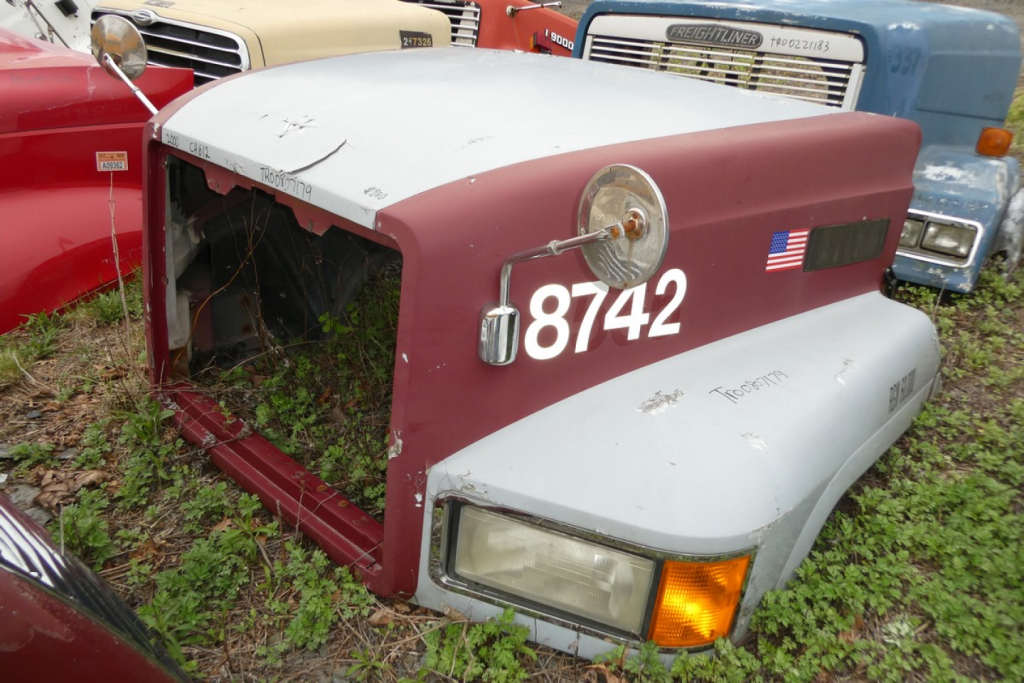
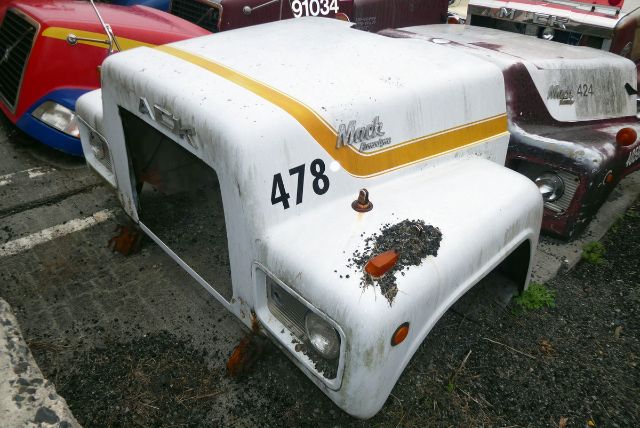
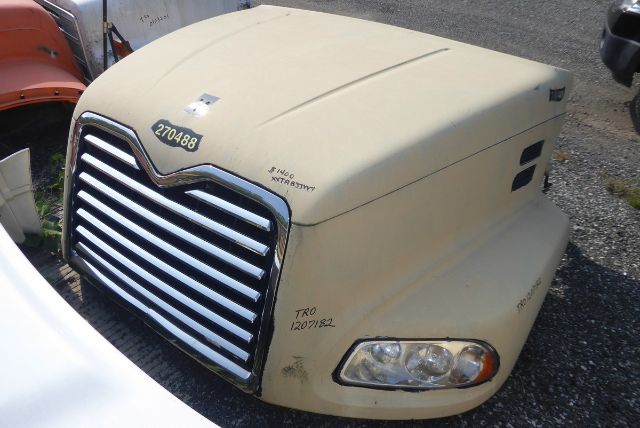
Selling a mack hood part? List your mack hood part for sale and reach thousands of commercial buyers.
Mack Hood Parts in New York
Fitment is the first decision point. A replacement hood has to match the cab style, radiator and charge air cooler layout, bumper relationship, and hinge setup used on that chassis. On many used Mack hood parts, the key inspection areas are stress cracks near the rear hinges, spider cracking in the fiberglass, repairs around latch pockets, and wear at mounting holes. If the hood is being purchased as a complete assembly, check whether it includes the grille, hood springs or shocks, insulation, wiring for lights, and mounting hardware. If it is a shell only, confirm that your existing trim, lamps, and brackets will transfer over without modification.
Material and condition matter as much as fit. Many Mack hoods from vocational and highway models are fiberglass, which keeps weight reasonable and is repairable, but prior damage can hide beneath paint or filler. Buyers should look closely at edge straightness, panel symmetry, latch alignment, and the condition of inner reinforcements. For a truck working in New York and other northern states, corrosion on attached steel supports, hinge brackets, and fasteners is common even when the outer hood skin looks presentable. A straight hood with clean mounting points usually saves substantial labor compared with a lower-priced part that needs fiberglass work, bracket repair, and finish work before installation.
Mack hoods are commonly sourced for collision repair, front-end rebuilds, restoration of older R Model trucks, or replacement of worn highway tractor body panels on CH and CXU platforms. Also search under terms like hood assembly, fiberglass hood, front clip component, or front engine hood depending on the seller's terminology. Matching the hood to the truck's VIN, model designation, and original lighting layout is the safest way to avoid costly fit issues. For many buyers, the best value is not just a hood that looks right from the front, but one with correct hinge geometry, solid inner structure, and minimal repair history.
Frequently Asked Questions about Mack Hood Parts in New York
How do I make sure a Mack hood will fit my truck?
Match the hood by Mack model, year range, cab configuration, and front-end layout. A CH, CXU, and R Model hood can have different length, width, hinge placement, grille opening, and headlight mounting. The safest approach is to compare part numbers when available and verify the truck's VIN, hood mounting style, and lamp arrangement before purchase.
What should I inspect on a used Mack hood?
Focus on hinge areas, latch pockets, inner supports, and the fiberglass around mounting points. Cracks, previous repairs, filler, distorted edges, and misaligned latch surfaces can turn a simple swap into a bodywork project. Also inspect any attached steel brackets for rust, especially on trucks that have operated in snow and road salt conditions.
Are Mack hoods usually fiberglass or steel?
Many Mack hood assemblies in this class are fiberglass or composite-based rather than heavy formed steel. Fiberglass keeps weight down and can be repaired, but repair quality varies widely. A hood with a clean inner structure and no hidden fracture lines is generally more desirable than one with multiple patched sections.
Should I buy a complete hood assembly or a hood shell only?
A complete assembly can reduce downtime because it may include grille pieces, lighting mounts, insulation, shocks, and hardware. A shell-only hood can still be a good option if your existing components are reusable and the shell is straight. The right choice depends on how much of the damaged front-end equipment you can transfer over and how quickly the truck needs to return to service.