
Other Trucks For Sale in Colorado
Browse other trucks for sale in Colorado, including specialty, vocational, and unconventional truck configurations for varied fleet needs.
No exact matches found for your search
Showing Other Trucks instead.
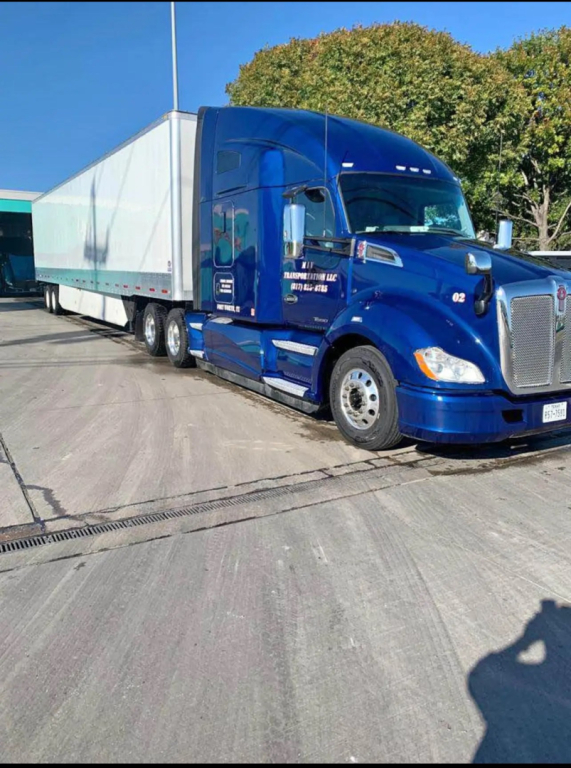
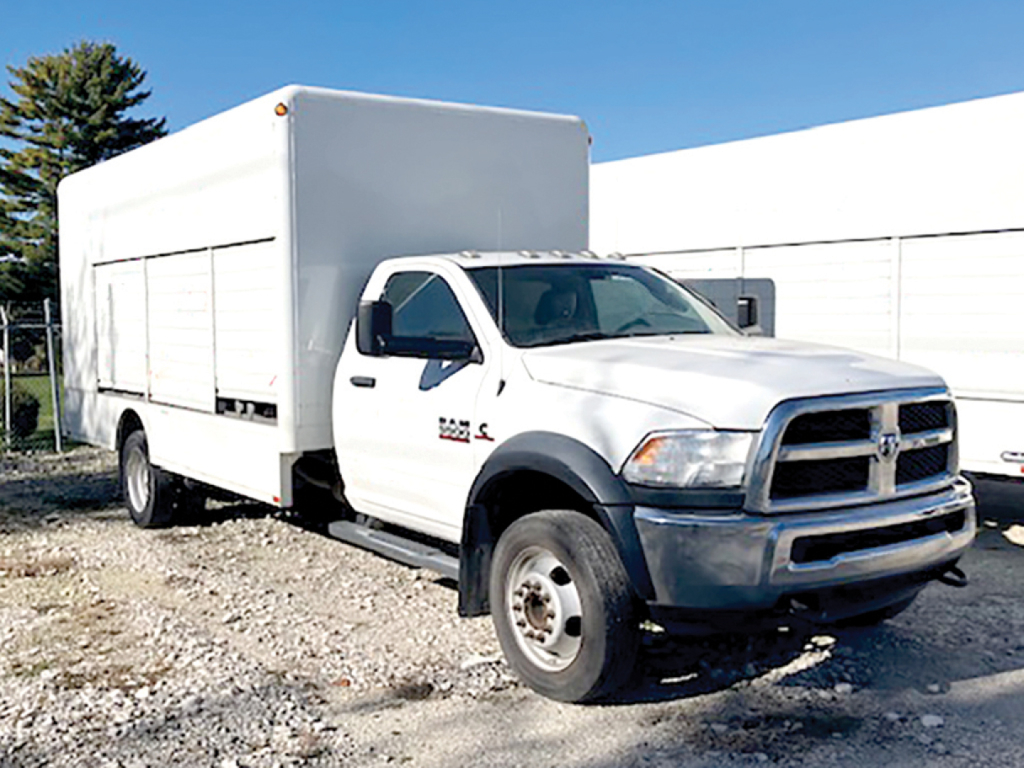
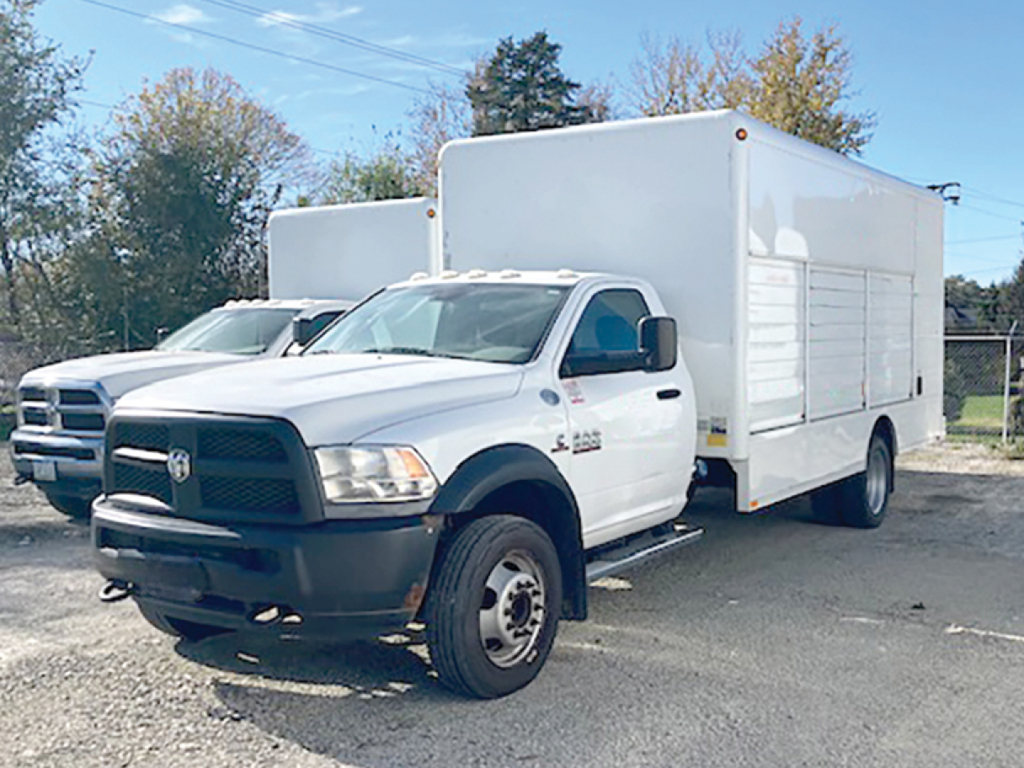
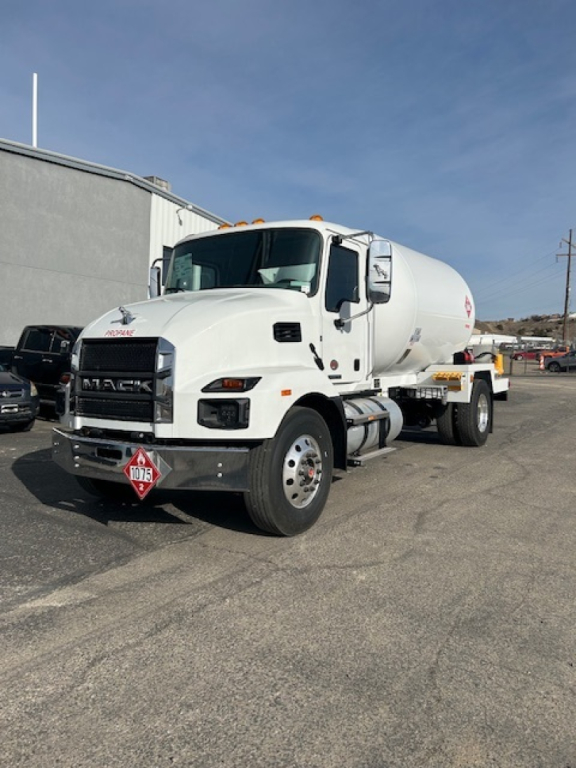
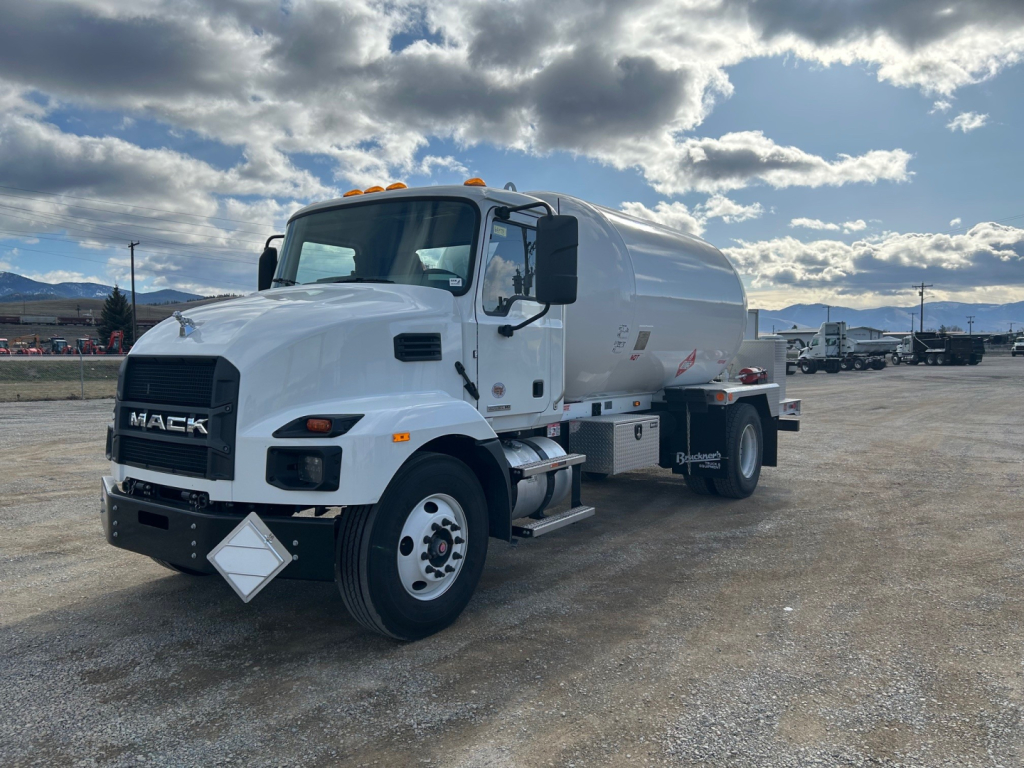
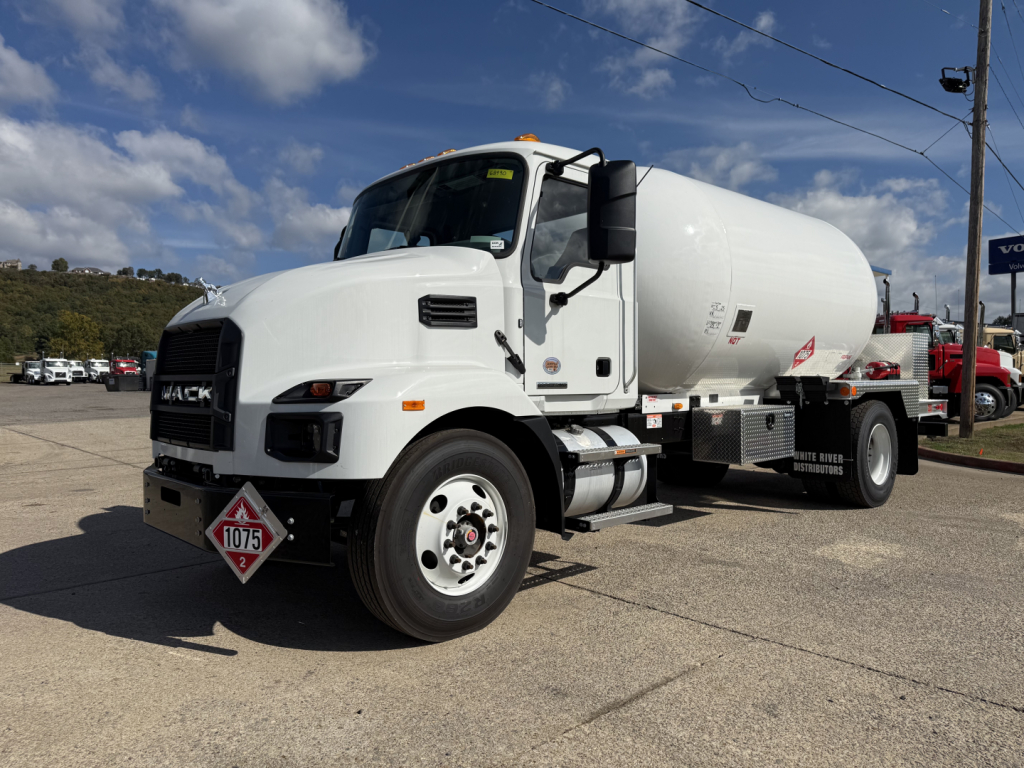
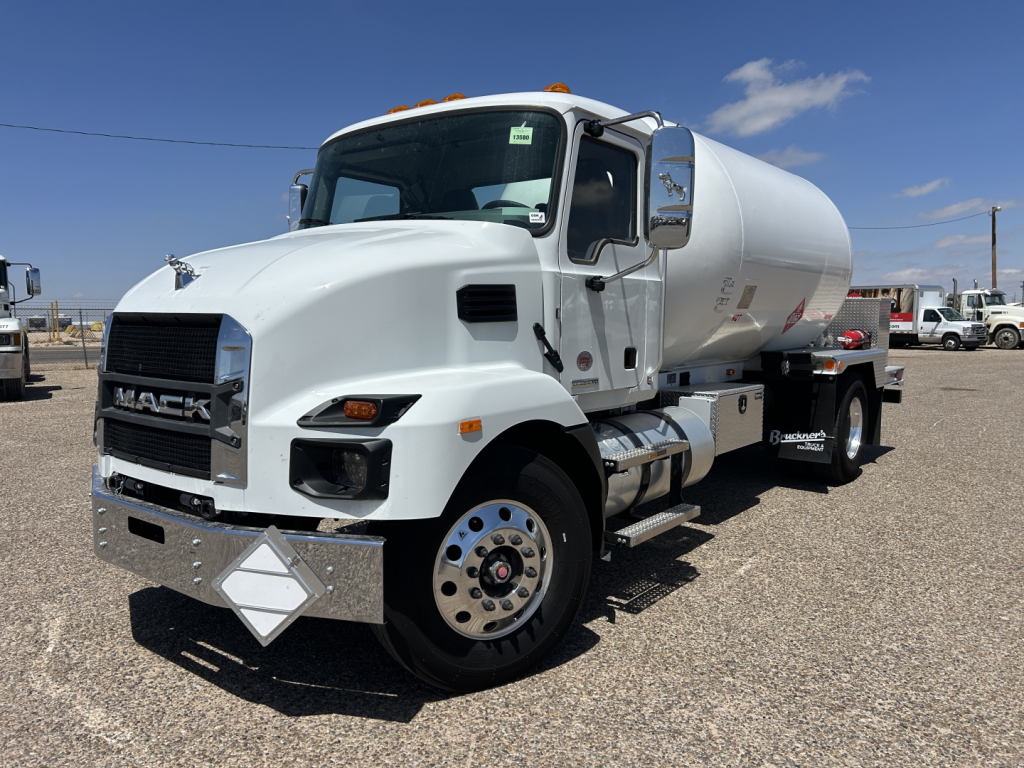
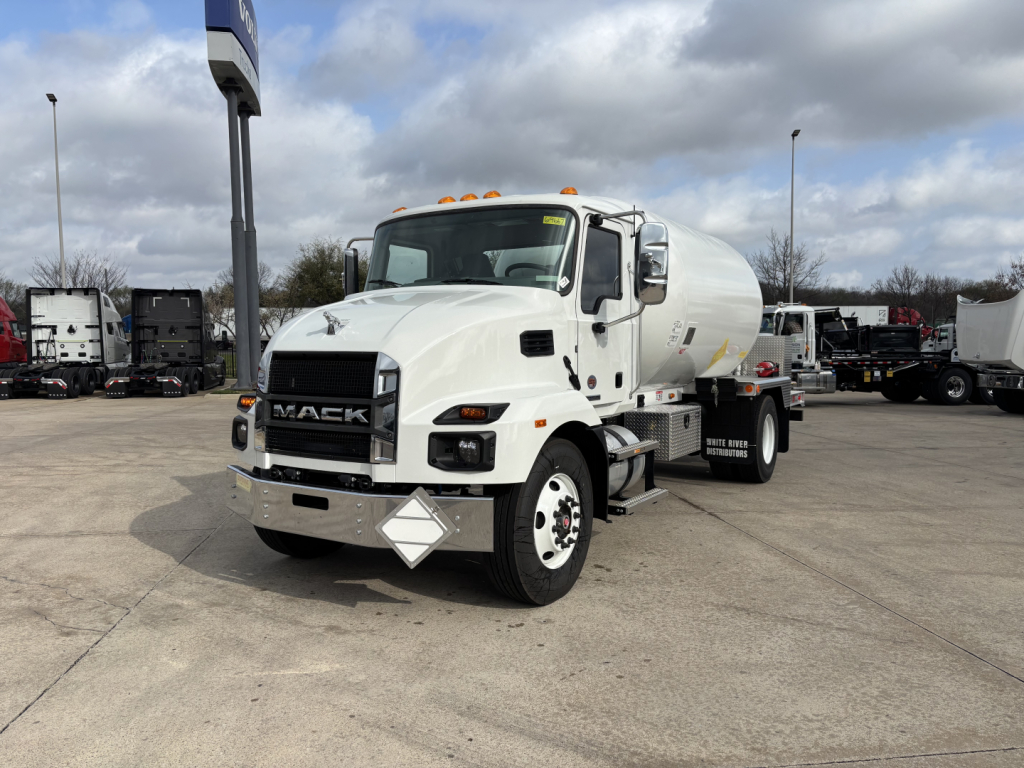

Selling a other truck? List your other truck for sale and reach thousands of commercial buyers.
Other Trucks in Colorado
Specs can vary widely, so it pays to read these trucks from the frame rails up. Engine ratings may range from medium-duty power to 450-plus horsepower heavy-duty platforms. Transmissions can be manual, automated manual, or full automatic depending on the intended duty cycle. Rear axle capacities, gear ratios, and suspension setups matter more in this category because many units were ordered for a narrow task. A highway-style sleeper tractor listed under "other" might carry fleet-friendly specs like a 40,000 lb rear, air ride suspension, aerodynamic fairings, and an automated transmission, while another truck in the same category could be geared for low-speed maneuvering, PTO work, or severe-service operation.
Colorado buyers should also factor in terrain, altitude, and seasonal operating conditions. Trucks working the Front Range, mountain corridors, or oilfield and construction areas often need the right balance of horsepower, torque, engine brake performance, cooling capacity, and axle ratio. If the truck will see grades, winter roads, or mixed pavement and yard conditions, look closely at tire size, locking differential availability, wheelbase, and suspension travel. Cab equipment also matters on specialty units, especially if drivers will spend long shifts in the truck. Air ride seats, visibility, steering wheel adjustment, HVAC performance, and sleeper or bunk layout can make a real difference in regional and overnight use.
Condition is especially important in this class because "other" often includes trucks with non-standard histories, custom upfits, or incomplete descriptions. Verify operating status, body and frame modifications, emissions equipment, and compatibility with any trailer, body, or auxiliary equipment you plan to run. Check for PTO plumbing, hydraulic lines, electrical connections, fifth wheel type, and any signs the truck was purpose-built for a previous operation that may not match yours. A careful review of wheelbase, frame spacing, driveline setup, and service records will usually tell you more than the category label. The best buy in this segment is the truck whose configuration already matches the job, not the one that only looks close on paper.
Frequently Asked Questions about Other Trucks in Colorado
What kinds of vehicles are usually listed under other trucks for sale?
This category usually includes trucks with specialized, uncommon, or mixed-use configurations that do not fit standard groups like day cab tractors, dump trucks, or box trucks. It can include specialty sleepers, yard spotters, service trucks, custom chassis, vocational units with unusual bodies, or heavy-duty tractors listed outside their typical classification. The exact configuration matters more than the category name, so buyers should evaluate each truck by its frame, axles, drivetrain, cab, and intended application.
How should I evaluate an other truck if the listing details are limited?
Start with the core specifications that determine usability: GVWR or axle ratings, wheelbase, engine model and horsepower, transmission type, rear axle ratio, suspension, brake setup, PTO provision, and tire size. Then confirm the truck's current operating condition, emissions system status, and any body or frame modifications. On specialty units, photos of the frame, rear of cab, hydraulics, fifth wheel, and control interfaces are often just as important as odometer reading because they reveal how the truck was built and how easily it can be repurposed.
Are other trucks a good choice for Colorado operations?
They can be, provided the spec matches the route and duty cycle. Colorado operations often involve altitude, long grades, winter weather, and mixed on-road and off-road use. That makes horsepower, torque curve, engine brake performance, axle ratio, suspension type, and traction features especially important. A truck set up for flatland linehaul may not perform the same way in mountain service, while a purpose-built vocational unit may be ideal for local construction, energy, municipal, or property-based work.
What is the biggest risk when buying a truck in this category?
The biggest risk is assuming the truck is versatile when it was actually ordered for a very specific job. Specialty gearing, non-standard wheelbase, custom hydraulic plumbing, unusual electrical systems, or limited frame space can all affect how useful the truck will be in a different operation. Buyers should verify that the existing configuration supports their trailer, body, payload, turning radius, and compliance requirements before purchase. A truck with the wrong spec can cost more to rework than a better-matched unit would cost upfront.
Can a highway tractor appear in the other trucks category?
Yes. A highway tractor may be listed here if the seller used a broad category, if the truck has an unconventional spec, or if it does not align neatly with a site's standard classifications. For example, a sleeper tractor with a heavy-duty drivetrain, automated transmission, air ride suspension, and fleet trim may still appear under other trucks. In that case, buyers should ignore the label and judge the unit by sleeper size, axle capacity, ratio, wheelbase, and overall suitability for regional or over-the-road use.