
New Trailers For Sale in Texas
Shop new trailers for sale in Texas, including flatbeds, dumps, lowboys, and specialty trailers built for heavy haul, aggregate, and freight work.
Learn morePopular Trailers Categories
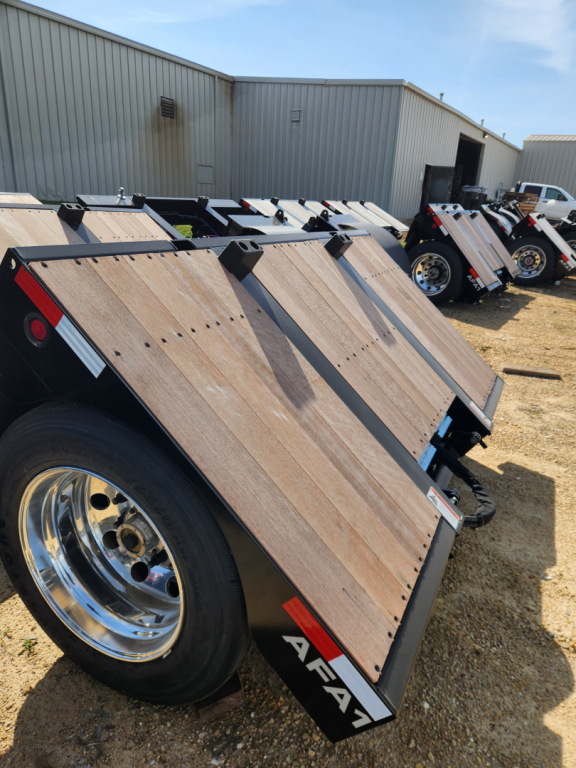
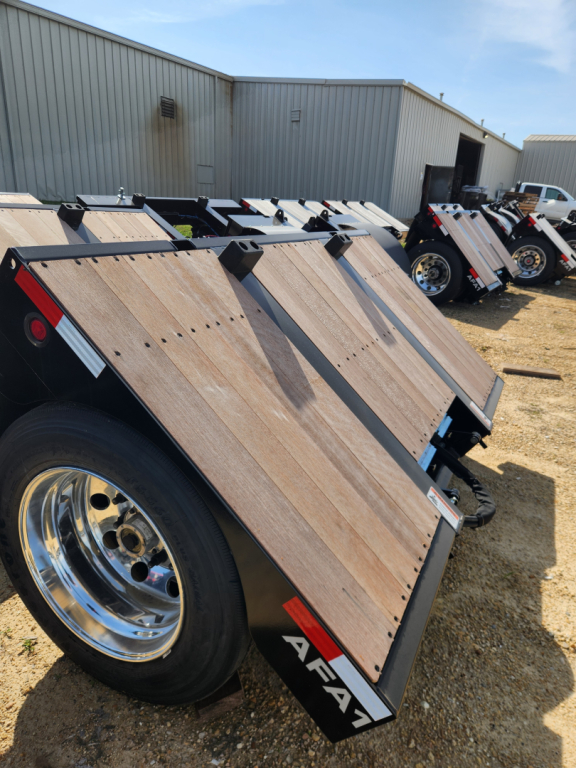
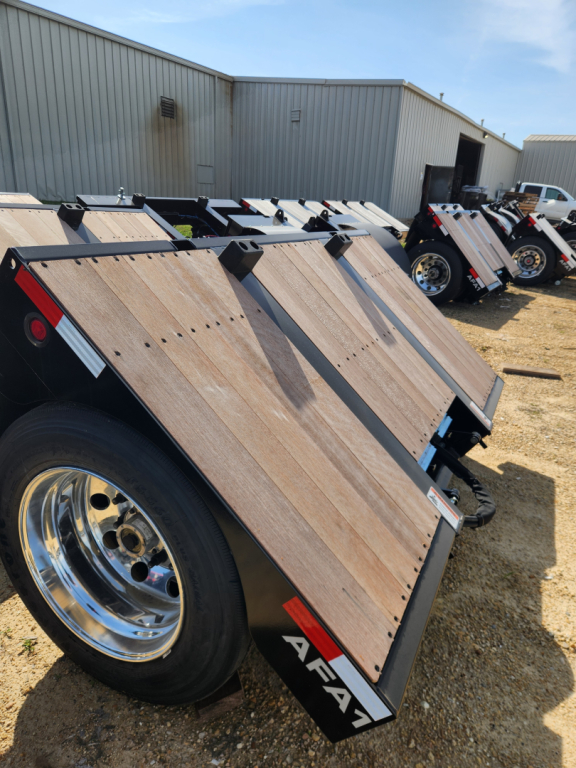
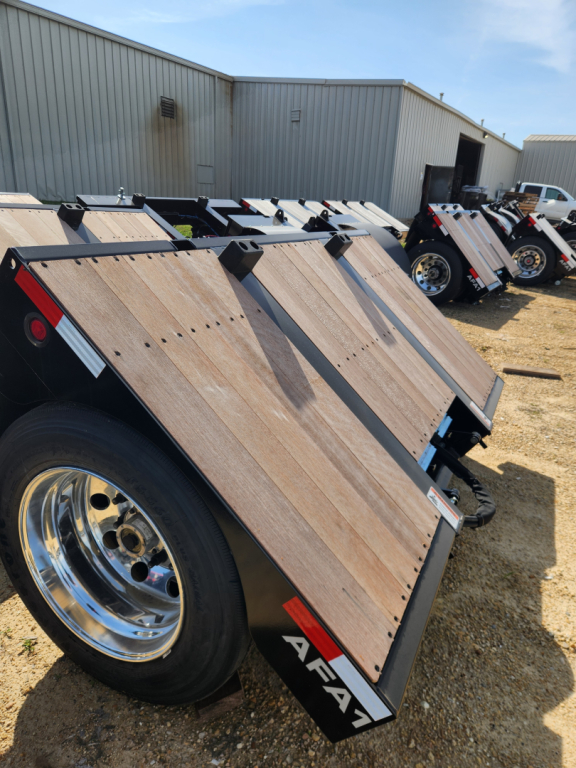

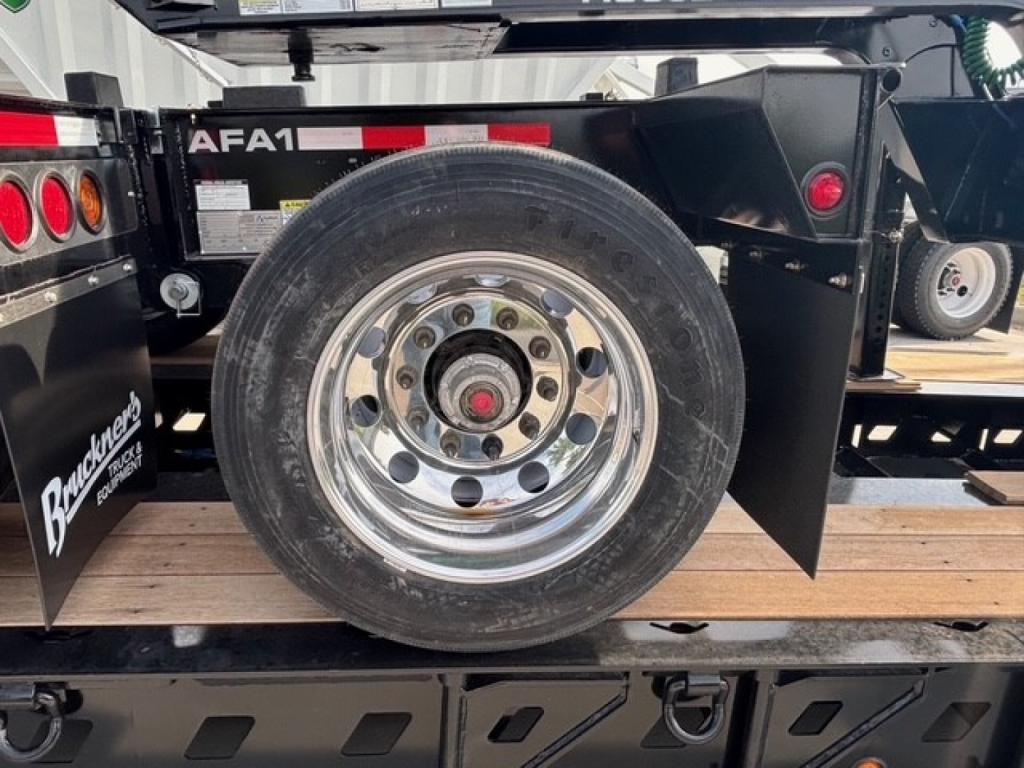
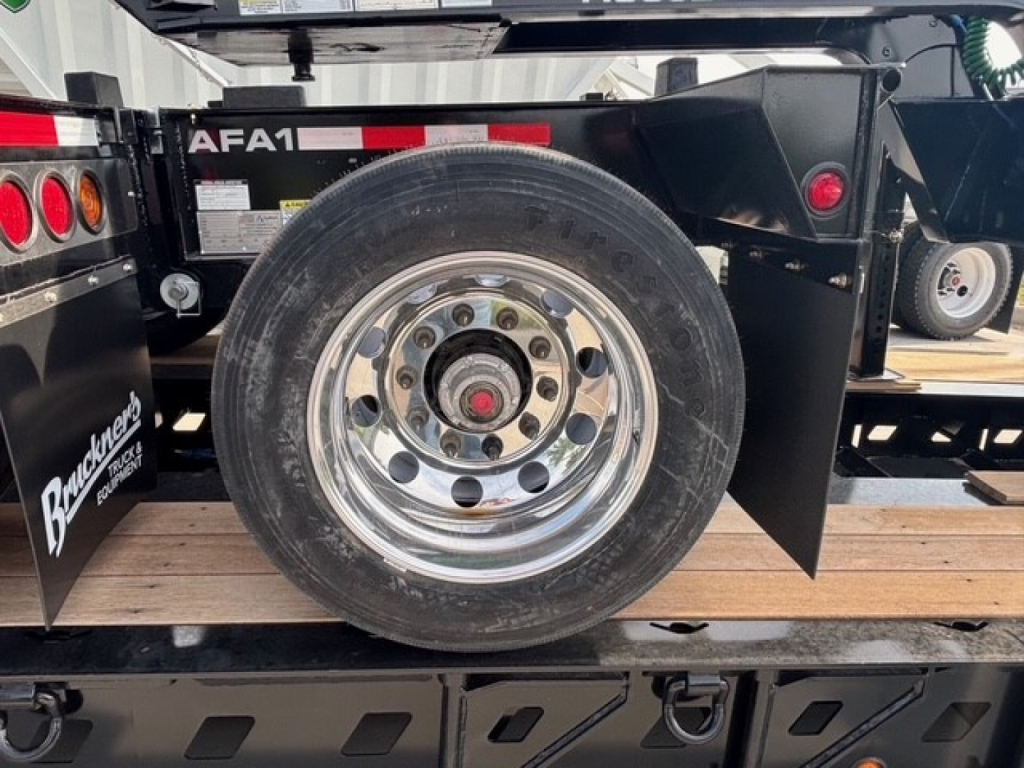
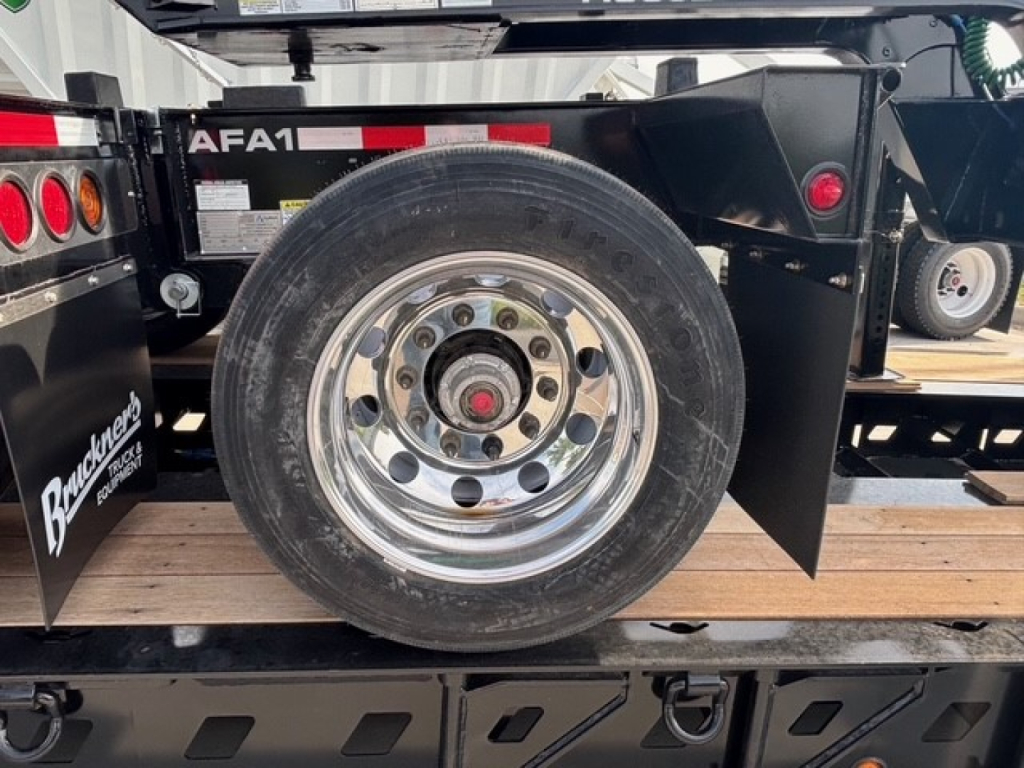
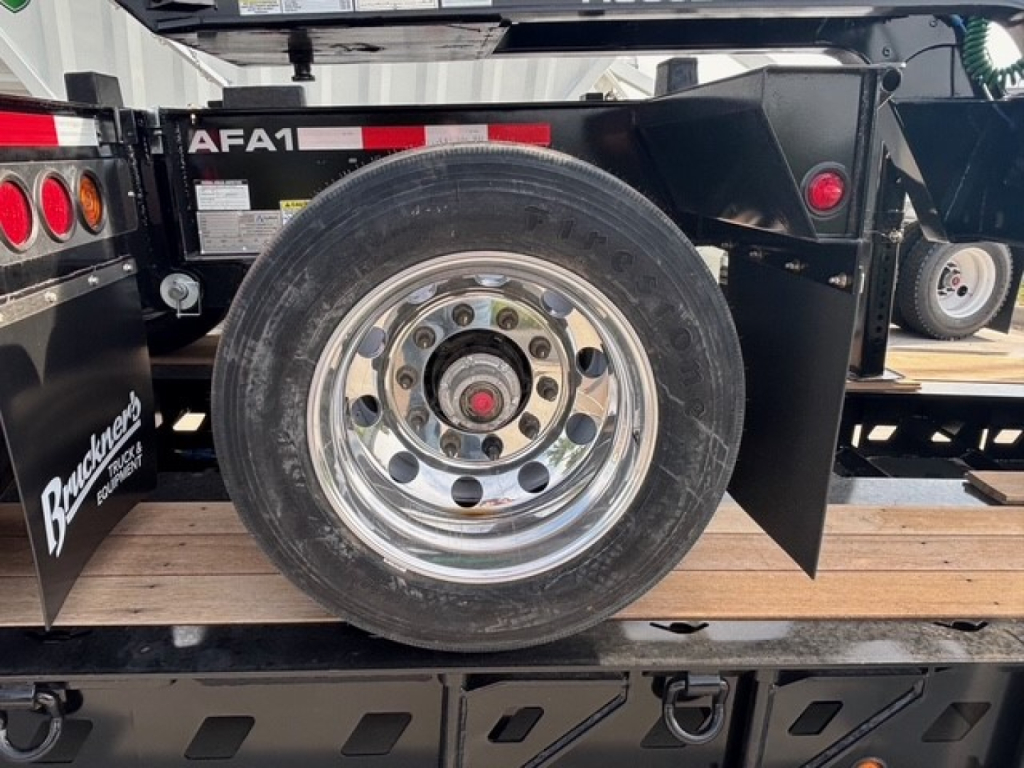
Showing 1 to 12 of 207 results
Have new trailer to sell? List it here to reach thousands of buyers.
About New Trailers in Texas
Flatbed trailers remain one of the most versatile categories in Texas. Common specs include 48-foot and shorter regional lengths, 102-inch width, combo steel-aluminum construction, air ride suspension, sliding tandems, coil packages, stake pockets, sliding winches, and forklift kits. Buyers moving building materials, steel, palletized freight, or jobsite deliveries often pay close attention to crossmember spacing, bulkhead design, floor composition, kingpin setting, and whether the trailer is set up for a truck-mounted or piggyback forklift. Features such as removable or fixed bulkheads, aluminum toolboxes, weight-sensing lift axles, and forklift counterweight packages can materially affect legal payload and day-to-day usability.
For heavier equipment and off-road machines, lowboy and detachable gooseneck trailers are usually chosen for deck height, concentrated load capacity, and axle flexibility. Texas buyers often focus on rated capacity in tons, loaded deck height, deck length, ramp style, bucket wells, D-ring placement, axle spacing, and whether a lift axle or flip axle is included. Suspension type, tire size, wheel material, and hydraulic or pony motor setup also matter because they affect serviceability and uptime under severe use. A low-profile deck and proper load angle can make a major difference when transporting taller iron, tracked machines, or specialized construction equipment.
Dump trailers and other vocational trailer types are often selected around body material, cubic yard capacity, side height, suspension, tarp system, and intended material. For aggregate, scrap, demolition, or asphalt-related work, buyers typically compare steel versus aluminum construction, spring ride versus air ride, liner options, gate style, and hoist configuration. Across all new trailer categories, it is worth checking brake specification, tire size, wheel package, federal excise tax treatment, and compatibility with existing tractors. A new trailer should fit the freight first, but it also needs to fit the operation's maintenance practices, driver preferences, and the legal environment it will run in across Texas and surrounding states.
Frequently Asked Questions
What types of new trailers are most common in Texas?
Texas buyers commonly shop for new flatbed trailers, dump trailers, lowboys, detachable goosenecks, and specialty heavy haul components such as jeeps and flip axles. The mix reflects the state's strong demand from construction, oilfield support, agriculture, machinery transport, steel hauling, and bulk material work. Flatbeds are widely used for general freight and building products, while lowboys and heavy haul configurations are more common where equipment weight, height, and axle distribution are critical.
What should I look at first when comparing new trailers for sale?
Start with the freight and the legal load requirements, then compare capacity, tare weight, deck dimensions, axle configuration, and suspension. After that, focus on the details that affect daily use, such as crossmember spacing, tie-down equipment, ramp design, tarp systems, kingpin setting, and tire size. Buyers often spend too much time on brand first and not enough on whether the trailer is properly spec'd for the work, which is what ultimately determines payload, loading efficiency, and long-term operating cost.
Is air ride or spring ride better on a new trailer?
Air ride is generally preferred for freight that benefits from a smoother ride and for applications where cargo protection and driver acceptance matter. It is common on flatbeds and many heavy haul setups because it can improve ride quality and allow more flexibility in certain loading conditions. Spring ride remains popular on some dump and vocational trailers because it is simple, durable, and familiar in severe-service applications. The better choice depends on cargo sensitivity, terrain, maintenance preferences, and how rough the jobsite conditions are.
Why do flatbed buyers pay attention to forklift kits and bulkheads?
A factory-installed forklift kit changes how a flatbed can be used for delivery work because it allows the trailer to carry a piggyback forklift safely within the trailer's design limits. That can be important for building materials, jobsite deliveries, and regional distribution. Bulkheads matter because they can serve as cargo protection and, on some forklift-equipped combinations, as part of the counterweight system. Buyers should verify maximum forklift weight, mounting design, and any restrictions on removing bulkhead components.
How do I choose the right lowboy capacity?
Choose a lowboy based on the heaviest machine you expect to haul, the load's axle spacing, overall dimensions, and the states where the trailer will operate. A 55-ton class trailer may be appropriate for many construction and equipment-hauling applications, but the practical match depends on deck length, loaded deck height, number of axles, and whether additional axle options such as a flip axle are needed. Capacity alone does not tell the whole story. Load concentration, bridge law compliance, and loading geometry are just as important.