
New Vacuum Trailers For Sale in Texas

Have new vacuum trailer to sell? List it here to reach thousands of buyers.
New Vacuum Trailers in Texas
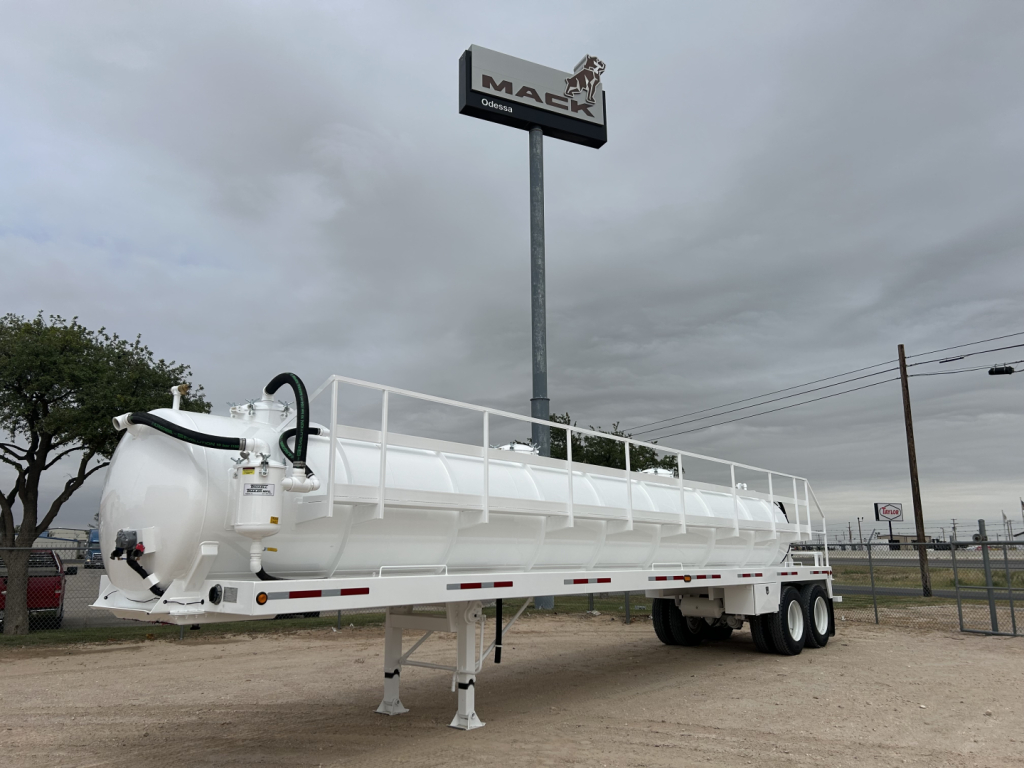
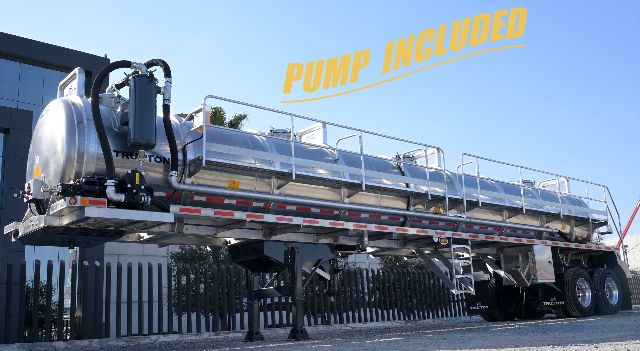
Capacity, tank material, and suspension usually drive the buying decision first. Aluminum tanks reduce tare weight and help maximize legal payload, while steel configurations are often chosen for durability and lower upfront cost. Common specs include tandem axle layouts, air or spring suspension, 11R22.5 or 11R24.5 tires, Jost-style landing gear, rear sight glass, full walkways with handrails, and rear-mounted charge or discharge plumbing. Buyers should pay close attention to shell thickness, internal baffles, operating pressure and vacuum ratings, and whether the trailer is lined for corrosive or abrasive service. A vacuum trailer used in produced water service has different needs than one pulling sludge, drilling fluids, or septic-type waste.
Pump setup and plumbing details matter as much as tank size. Many vacuum trailers use hydraulic-driven pump systems with a primary and secondary shutoff, relief valves, rear sump connections, and 4-inch butterfly or similar suction and discharge valves. On a new trailer, it is worth checking the exact pump model, vacuum performance, hose connection layout, and how easily the trailer can be serviced in the field. A full-length walkway, manholes in usable positions, anti-slip deck material, and accessible tool storage can make daily loading, washout, and inspection work safer and faster. Buyers running long West Texas routes also tend to look closely at tire spec, wheel material, brake configuration, and ABS compliance because uptime matters more than small spec differences on paper.
The best new vacuum trailer for a fleet depends on product type, legal weight targets, and the jobs it will see every week. Non-code units are common in oilfield applications, but buyers should verify jobsite and regulatory requirements before assigning a trailer to a specific commodity. It also helps to compare kingpin settings, frame construction, interior coating or lining, relief protection, and lighting package quality, especially for units that will spend time on lease roads and around-the-clock operations. A well-matched vacuum trailer should be easy to load, easy to drain, stable under variable fluid movement, and spec'd for the actual service conditions in Texas rather than just the advertised barrel count.
Frequently Asked Questions about New Vacuum Trailers in Texas
What is a vacuum trailer used for?
A vacuum trailer is used to load, transport, and unload liquids, sludge, drilling fluids, produced water, and other waste streams by creating suction through a vacuum pump system. In Texas, these trailers are especially common in oilfield service, environmental remediation, and liquid waste operations. The exact application depends on whether the trailer is code or non-code, its tank material, pressure and vacuum rating, and the type of plumbing installed.
What does 130 BBL or 150 BBL mean on a vacuum trailer?
BBL refers to barrels, a standard oilfield volume measurement. A 130 BBL vacuum trailer holds about 5,460 gallons, while a 150 BBL unit holds about 6,300 gallons. Barrel capacity is important, but it should be considered along with tare weight, axle rating, tank material, and legal gross vehicle weight, because a larger trailer does not always translate into a better legal payload for every fluid type.
What is the difference between a code and non-code vacuum trailer?
A code vacuum trailer is built to a specific DOT or ASME standard for approved pressure or hazardous service, while a non-code vacuum trailer is generally intended for applications that do not require that certification. Non-code trailers are very common in oilfield and waste hauling, but they are not suitable for every commodity or route. Buyers should always confirm the regulatory and customer requirements for the material being hauled before selecting a non-code unit.
Is an aluminum or steel vacuum trailer better?
Aluminum vacuum trailers are typically chosen for lower empty weight and corrosion resistance, which can improve payload and long-term operating efficiency. Steel trailers are often selected for rugged service and lower purchase cost, and some operators prefer them in harsh field conditions where repairs are more straightforward. The better choice depends on commodity type, expected duty cycle, maintenance practices, and how important weight savings are to the operation.
What specs matter most on a new vacuum trailer?
The most important specs usually include tank capacity, shell thickness, tank material, vacuum pump model, relief valve setup, suspension type, axle capacity, tire size, discharge plumbing, lining or coating, and manhole access. Buyers should also evaluate baffle design, kingpin setting, walkway safety, sight glass location, and whether the trailer is configured for the actual loading and unloading methods used in the field. A trailer that is easy to service and properly matched to the commodity will usually outperform a larger but poorly spec'd unit.