
New Drop Deck Trailers For Sale in Texas
New drop deck trailers for sale in Texas, including 48' and 53' models with air ride, winches, ramps, beavertails, and tandem or spread axles.
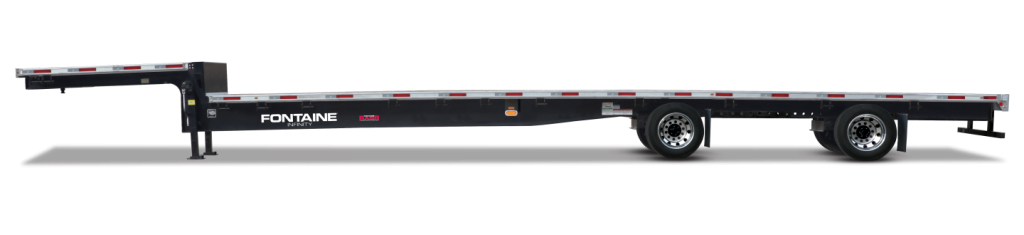
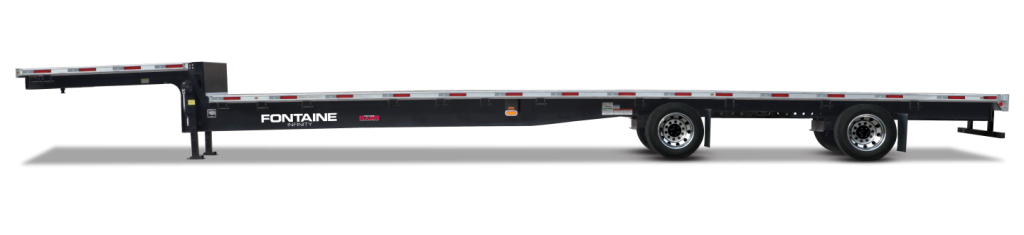
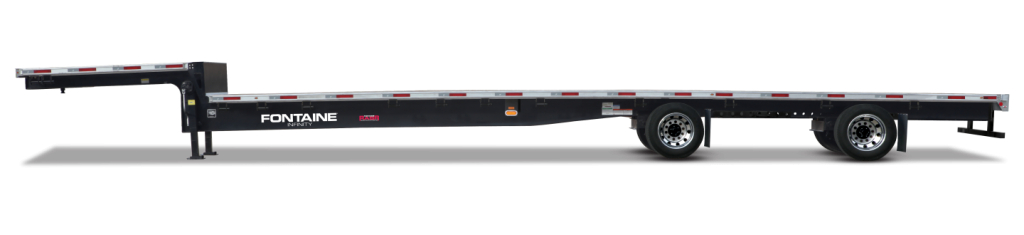
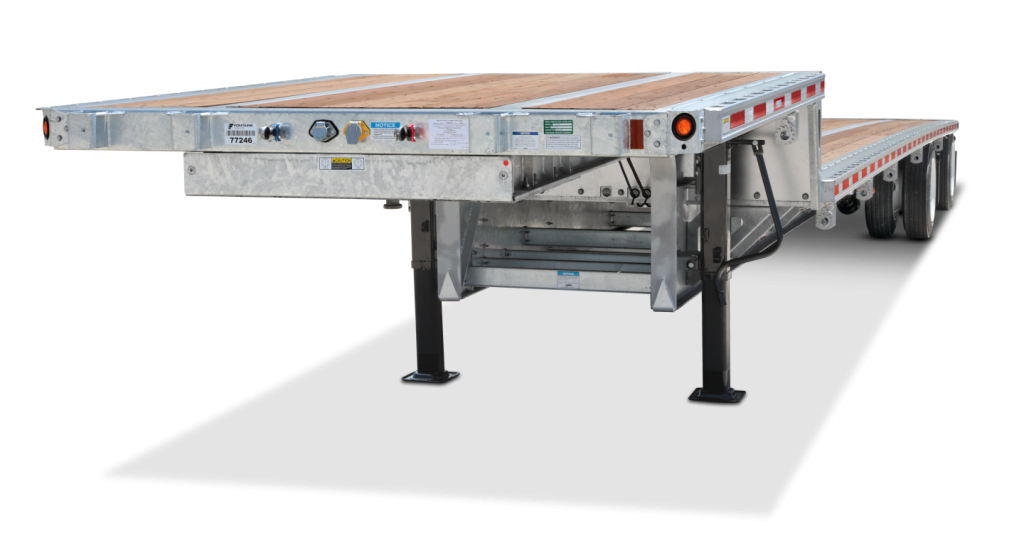
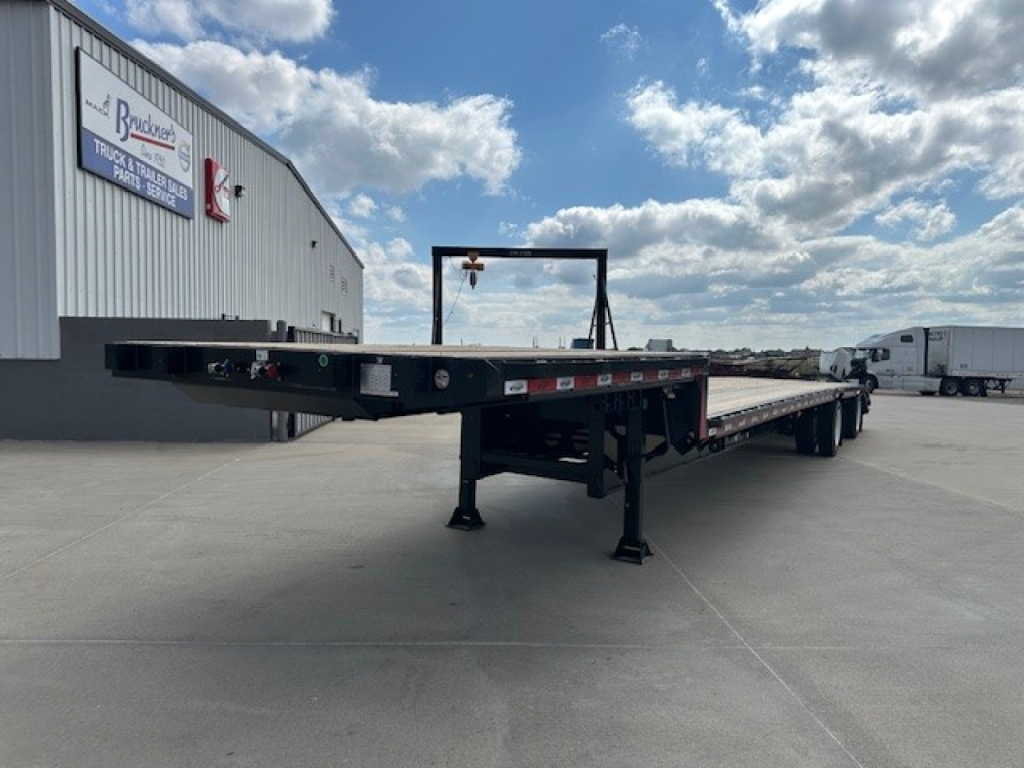
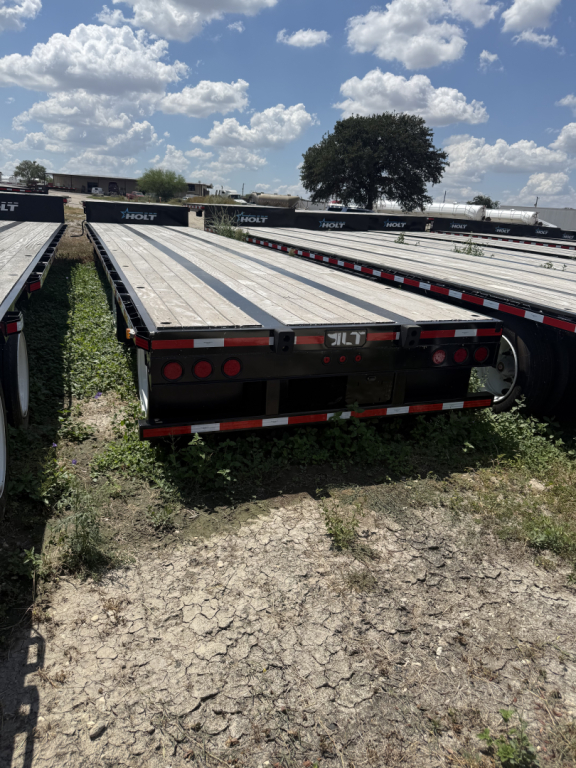
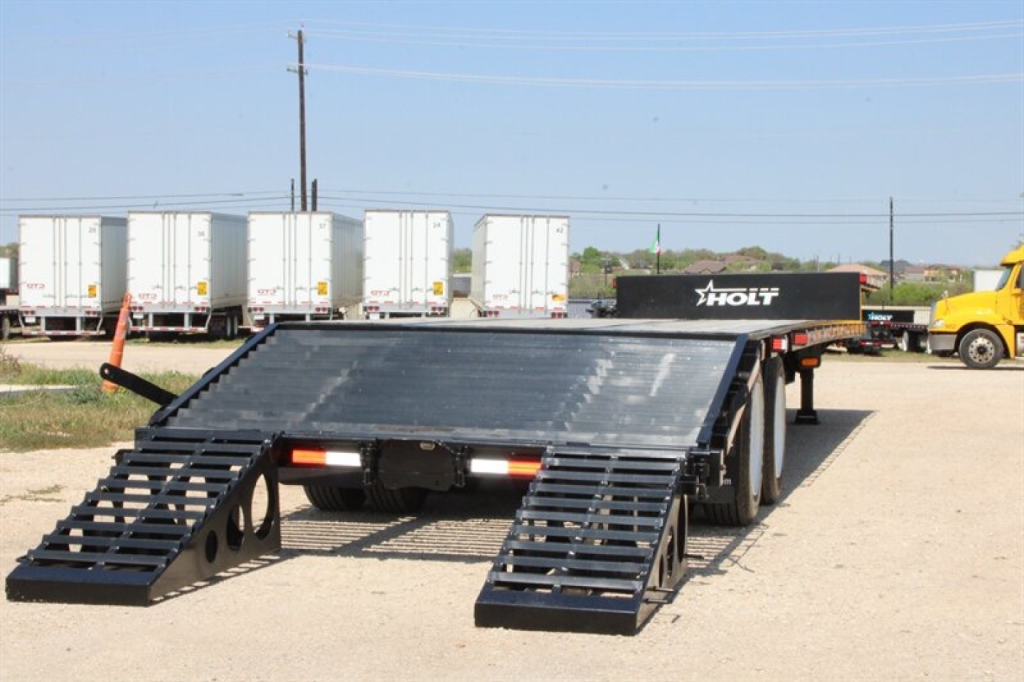
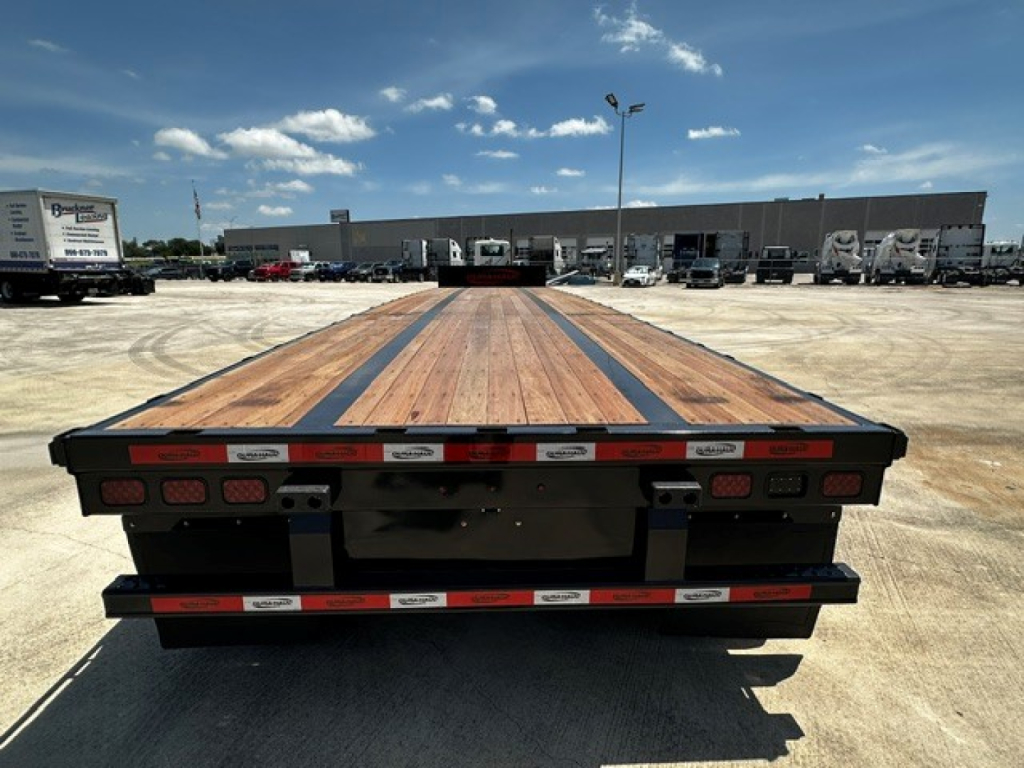
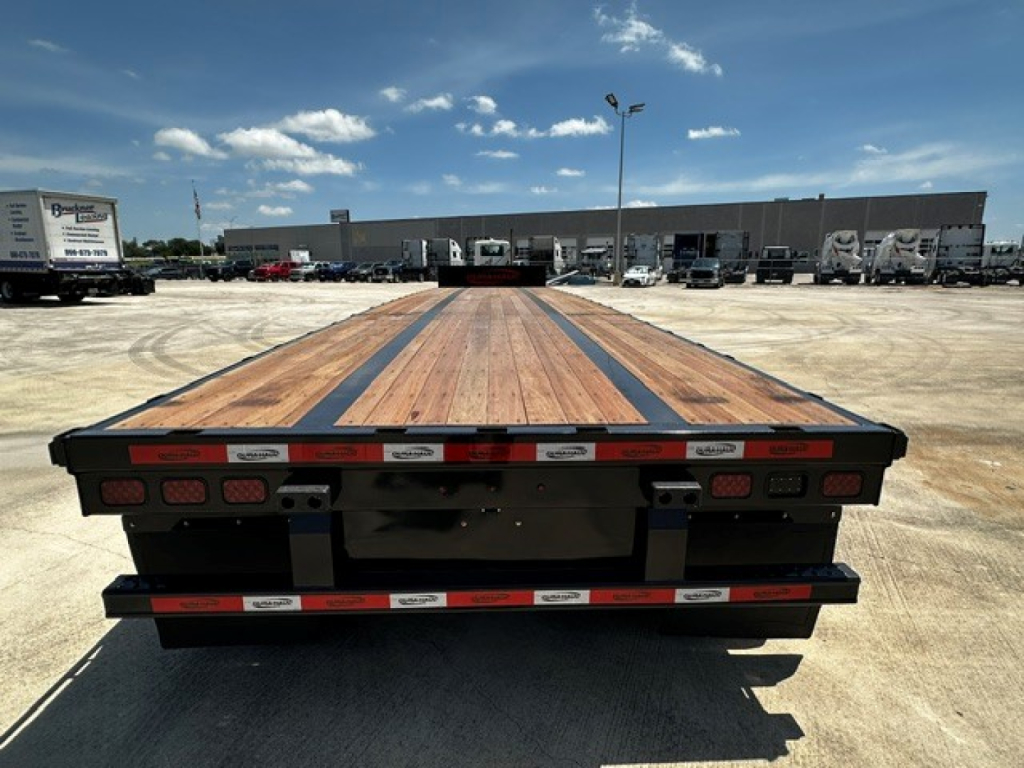
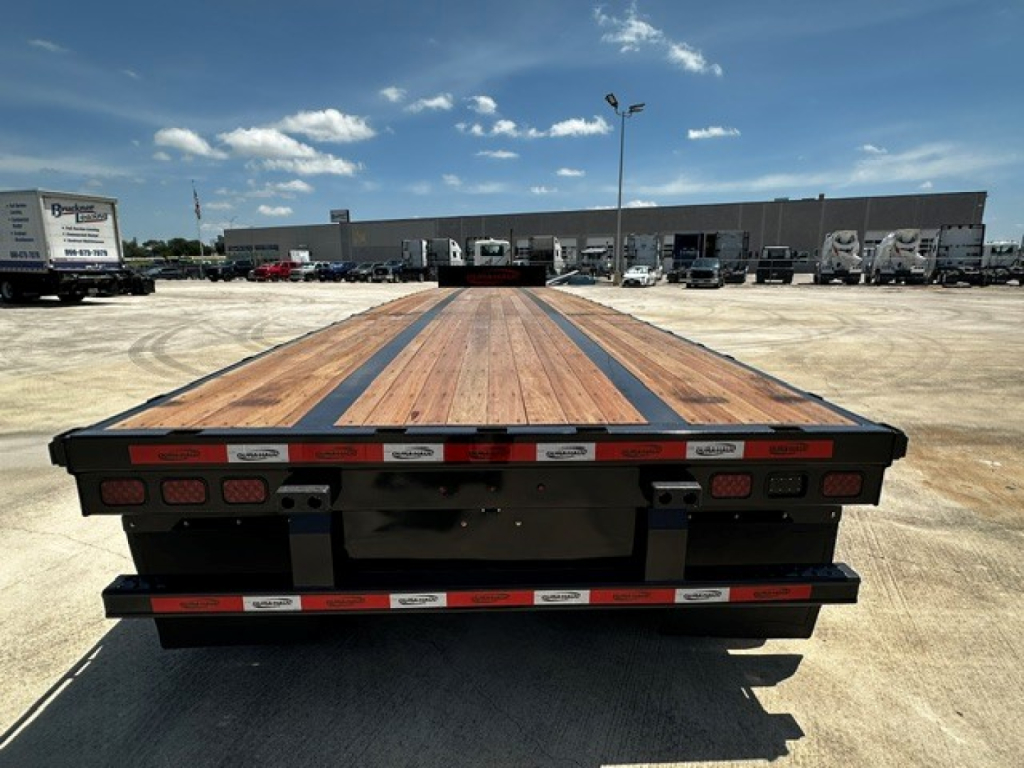
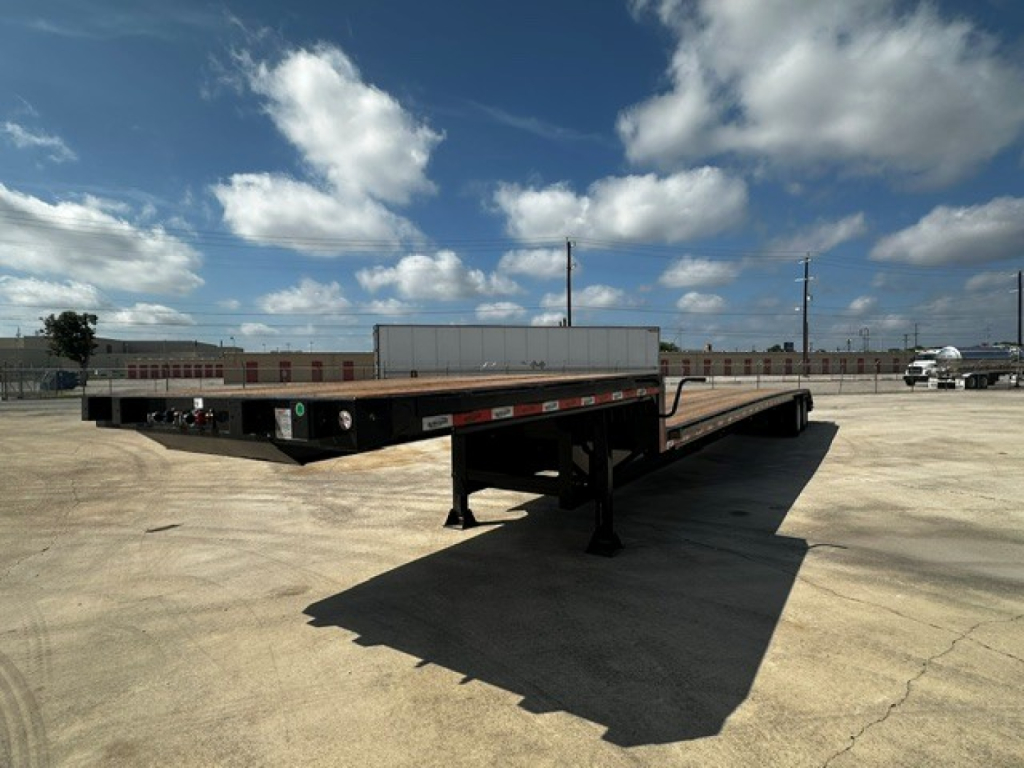
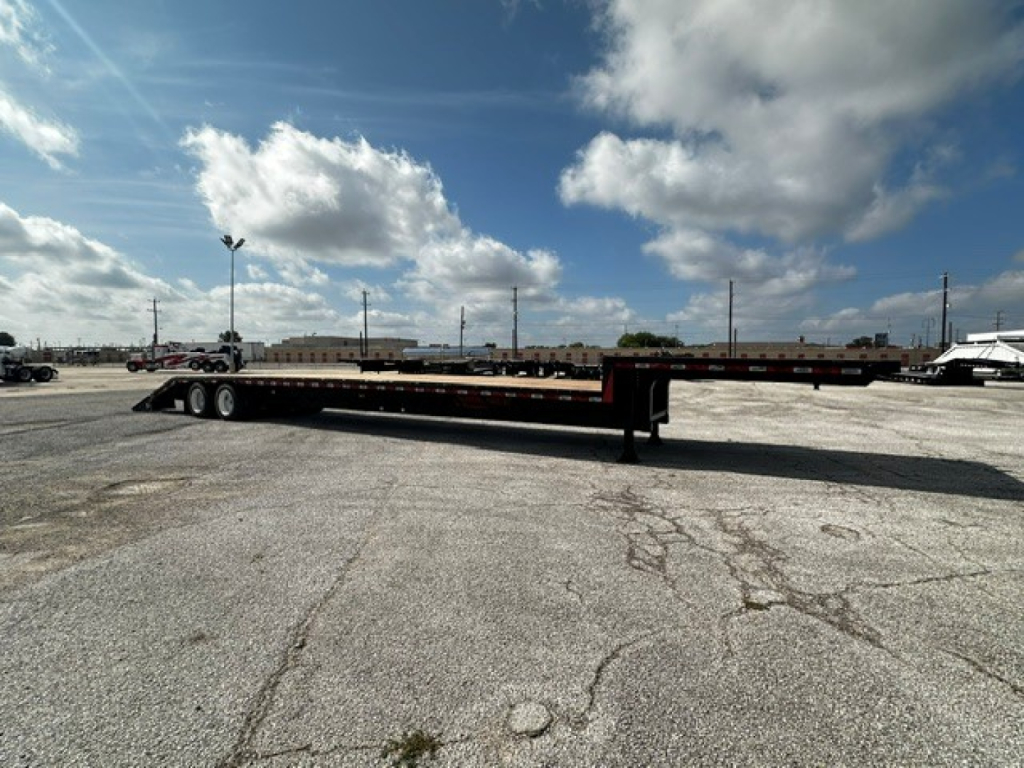
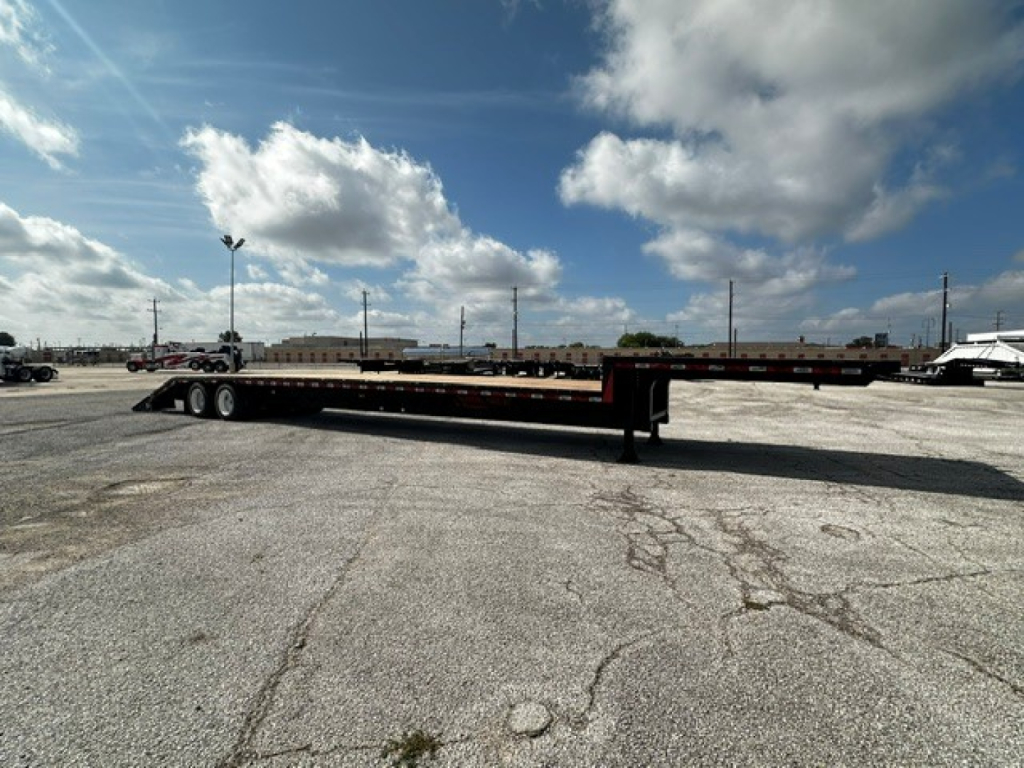
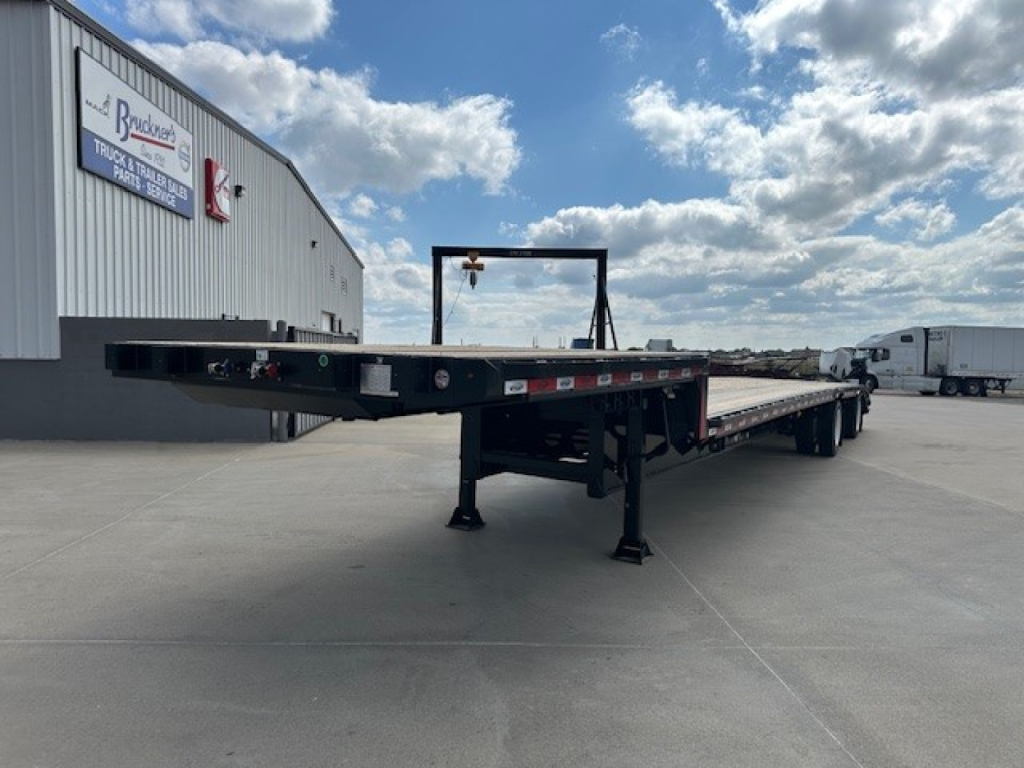
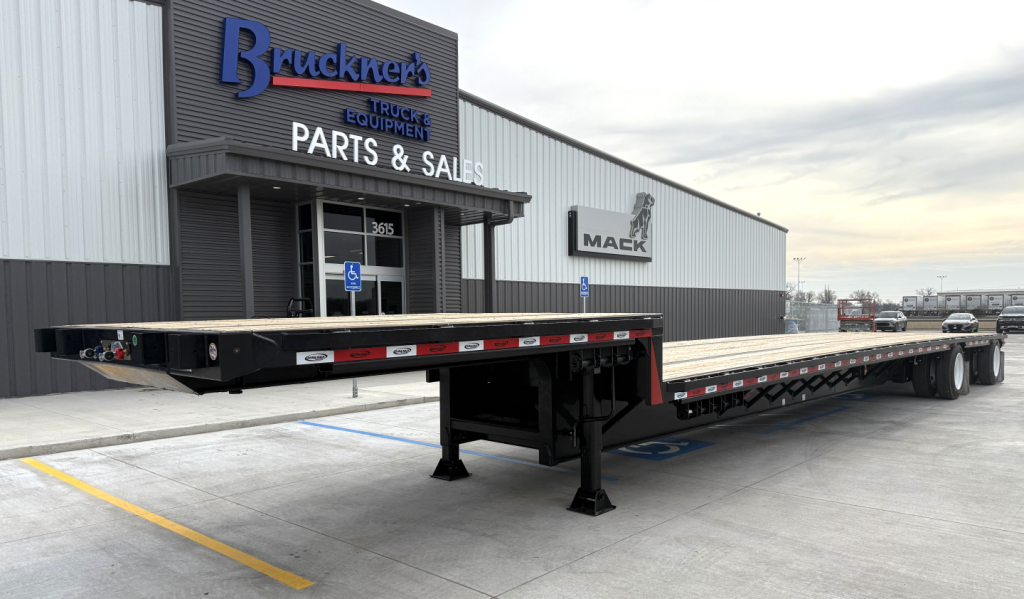

Selling a new drop deck trailer? List your new drop deck trailer for sale and reach thousands of commercial buyers.
New Drop Deck Trailers in Texas
A typical new drop deck in this class uses a steel frame, wood decking such as apitong, air ride suspension, and heavy-duty landing gear. Crossmember spacing is a major durability point. Tighter spacing, such as 12-inch centers, generally gives better deck support for concentrated loads and frequent forklift traffic. Cargo securement equipment is equally important. Sliding winches, stake pockets, chain spools, and rub rails affect how quickly a driver can adapt to mixed freight. If your work includes self-loading equipment, a beavertail with spring-assisted ramps can be a practical upgrade over a straight rear deck, especially for skid steers, compact tractors, scissor lifts, and other rubber-tracked or wheeled machines.
Axle setup deserves close attention. A closed tandem is common for general freight and can be simpler for operations that do not need the bridge spacing benefits of a spread axle. A spread axle drop deck can improve weight distribution and help with certain loads, but it may also change tire scrub, turning characteristics, and state-by-state compliance considerations. In Texas, buyers often compare spread and tandem setups based on the lanes they run, the weight of their typical cargo, and how often they load on uneven job sites. Tire size, wheel type, suspension dump valves, and visible air gauges are not minor details on a working trailer. They affect loading angle, maintenance access, and daily drivability.
The best new drop deck trailer is the one matched to your freight profile, not just the one with the highest published capacity. Look at lower deck length if you haul long pallets or crated freight, look at ramp and beavertail design if you move equipment, and look at deck construction and securement hardware if your loads are dense or irregular. Buyers comparing new units should also confirm loaded deck height, kingpin setting, GVWR, concentrated load ratings, and the layout of winches and tie-down points. Those details matter more than brochure claims because they determine how versatile the trailer will be over the long haul.
Frequently Asked Questions about New Drop Deck Trailers in Texas
What is a drop deck trailer used for?
A drop deck trailer is used for freight that needs more loading height than a standard flatbed can provide. The upper deck sits over the tractor frame, while the lower deck drops down behind it, allowing taller cargo to stay within legal height limits. Common uses include machinery, construction materials, crated equipment, steel, pipe, and palletized freight that would be too tall on a regular flatbed.
What is the difference between a drop deck and a flatbed trailer?
The main difference is deck height. A flatbed has a single deck level from front to rear, while a drop deck has an upper deck and a lower deck. That lower section gives more legal cargo height, which is why step decks are often chosen for taller freight. A flatbed can still be the better choice for some side-loading applications, but a drop deck is usually the more flexible option when height is the limiting factor.
Should I choose a spread axle or closed tandem drop deck trailer?
A spread axle drop deck can offer better weight distribution and may help with certain bridge and load placement requirements, especially on longer or heavier freight. A closed tandem is often preferred for general freight, tighter maneuvering, and simpler tire wear management. The right choice depends on your common payloads, the states you run, and how often you load in confined spaces or rough job site conditions.
Are ramps and a beavertail worth it on a new drop deck trailer?
Ramps and a beavertail are worth considering if you regularly haul self-propelled equipment such as skid steers, compact loaders, small tractors, or lifts. They reduce the need for outside loading equipment and make the trailer more versatile for job site freight. If your work is mostly palletized or crane-loaded cargo, a straight rear deck may give you a little more usable flat loading space and less rear complexity.
What specs matter most when comparing new drop deck trailers?
The most important specs are overall length, upper and lower deck length, loaded deck height, axle configuration, suspension type, crossmember spacing, deck material, and cargo securement layout. Buyers should also check for features like sliding winches, chain spools, rub rail strength, landing gear quality, and dump valves. These are the details that affect how the trailer loads, how long it holds up, and how many different types of freight it can handle.