
New Fontaine Drop Deck Trailers For Sale in Texas
New Fontaine drop deck trailers for sale in Texas. Compare 48' and 53' combo models, axle spreads, deck height, securement, and specs.

Selling a new fontaine drop deck trailer? List your new fontaine drop deck trailer for sale and reach thousands of commercial buyers.
New Fontaine Drop Deck Trailers in Texas
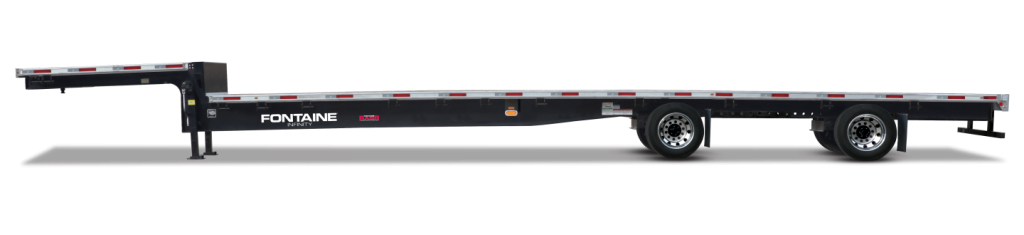
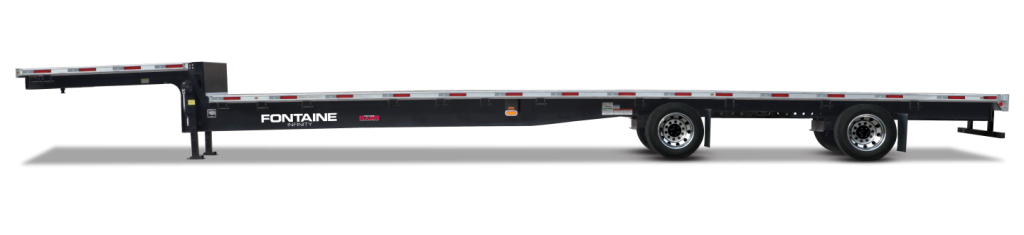
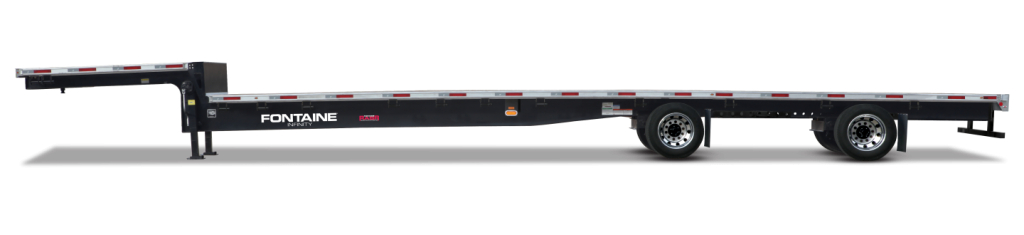
Two of the biggest buying decisions are trailer length and axle configuration. Common Fontaine drop deck layouts include 48-foot and 53-foot combo designs with a 10-foot upper deck and a longer lower deck, often around 38 to 43 feet. Buyers should pay close attention to loaded rear deck height, kingpin setting, and fifth wheel height because those dimensions affect bridge compliance, tractor pairing, and the real-world height of the freight once it is chained down. A tandem with rear axle slide adds flexibility for state regulations and dock positioning, while a wide spread air-ride tandem can help with weight distribution and ride quality on longer runs.
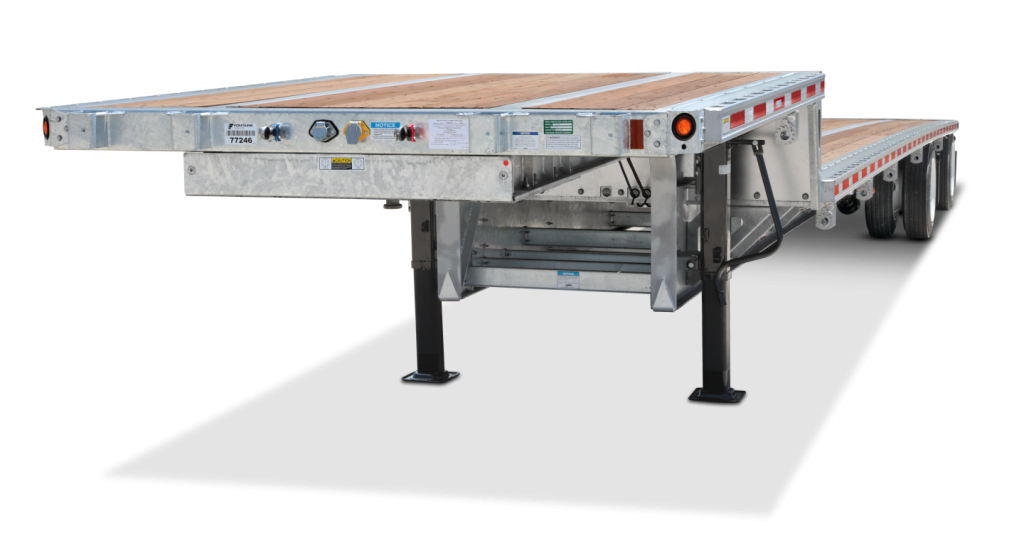
Fontaine combo drop decks are often spec'd to balance strength and tare weight. Typical features include aluminum flooring with wood nailer strips, aluminum side rails with integrated rub rails, stake pockets on 24-inch centers, recessed chain tie downs, full-length winch tracks, and sliding winches. That combination gives the trailer a broad securement envelope for mixed freight, including tarped shipments, crated machinery, coils, and irregular loads. Air ride suspension, 4S/2M ABS, spring brakes, LED lighting, dump valves, and spare carriers are common practical specs buyers expect on a new trailer that will be worked hard from day one.
Material choice deserves a close look. Galvanized beams and crossmembers can be attractive for corrosion resistance and long-term appearance, while painted steel components may lower upfront cost depending on the spec. Buyers comparing new Fontaine drop deck trailers should also look at main beam ratings, concentrated load capacity, coil package details, axle spread, tire size, and empty weight. A trailer with an 80,000-pound distributed rating and strong concentrated load capability can cover a wide range of legal freight, but the best spec is the one that matches the lanes, permits, load profile, and tractor height your operation actually runs.
Frequently Asked Questions about New Fontaine Drop Deck Trailers in Texas
What is a drop deck trailer used for?
A drop deck trailer, also called a step deck trailer, is used to haul freight that is too tall for a standard flatbed but does not require a lowboy. The lower deck provides additional loading height, which makes it a common choice for equipment, building products, palletized materials, steel, and machinery. It is one of the most versatile open-deck trailer types for carriers that handle mixed freight.
What should I compare first on a new Fontaine drop deck trailer?
Start with overall length, lower deck length, rear deck height, axle setup, and securement package. Those items determine what freight the trailer can legally and efficiently haul. After that, compare tare weight, main beam construction, concentrated load rating, flooring, and whether the trailer uses galvanized or painted structural components.
Is a 48-foot or 53-foot drop deck better?
A 48-foot drop deck can be a strong fit for operations focused on maneuverability, regional freight, and customers with tighter jobsite access. A 53-foot drop deck offers more lower deck length and often more flexibility for longer freight or maximizing deck space across mixed loads. The better choice depends on your typical commodity, route restrictions, and how often you need extra lower deck capacity.
Why does axle spread or rear axle slide matter on a drop deck?
Axle configuration affects bridge law compliance, weight distribution, and how easily the trailer can be adapted for different states and load types. A rear axle slide can help adjust for legal settings and operational flexibility, while a wide spread tandem may improve load placement options and ride quality. It is an important spec for carriers running multi-state lanes or hauling freight with shifting weight profiles.
What securement features are important on a step deck trailer?
Look for stake pockets, chain tie downs, rub rails, winch tracks, sliding winches, and coil package provisions. These features determine how easily the trailer can handle different cargo shapes and securement methods. A well-equipped step deck reduces setup time, broadens the kinds of freight you can accept, and supports safer legal securement across steel, machinery, lumber, and palletized loads.