
New Flatbed Trailers For Sale in Texas
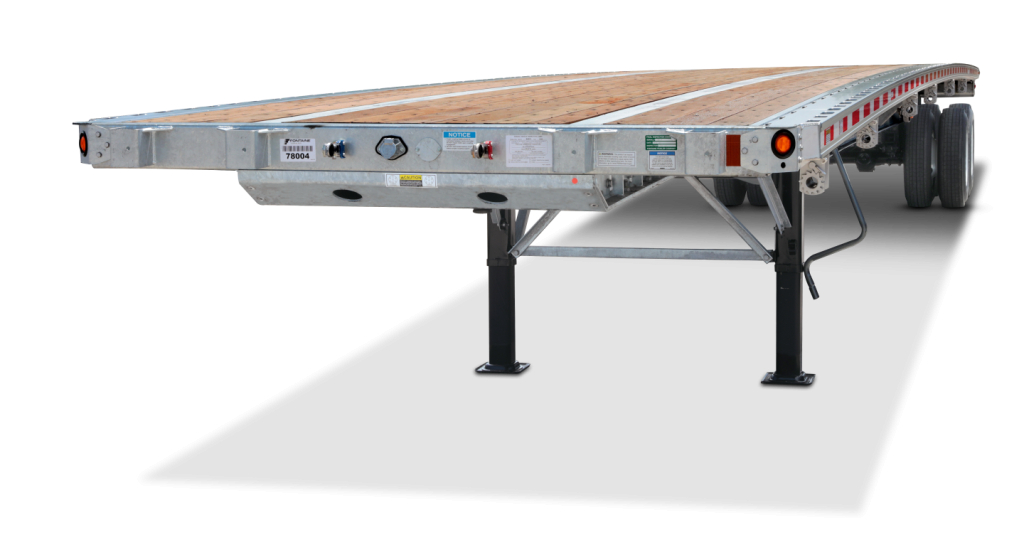
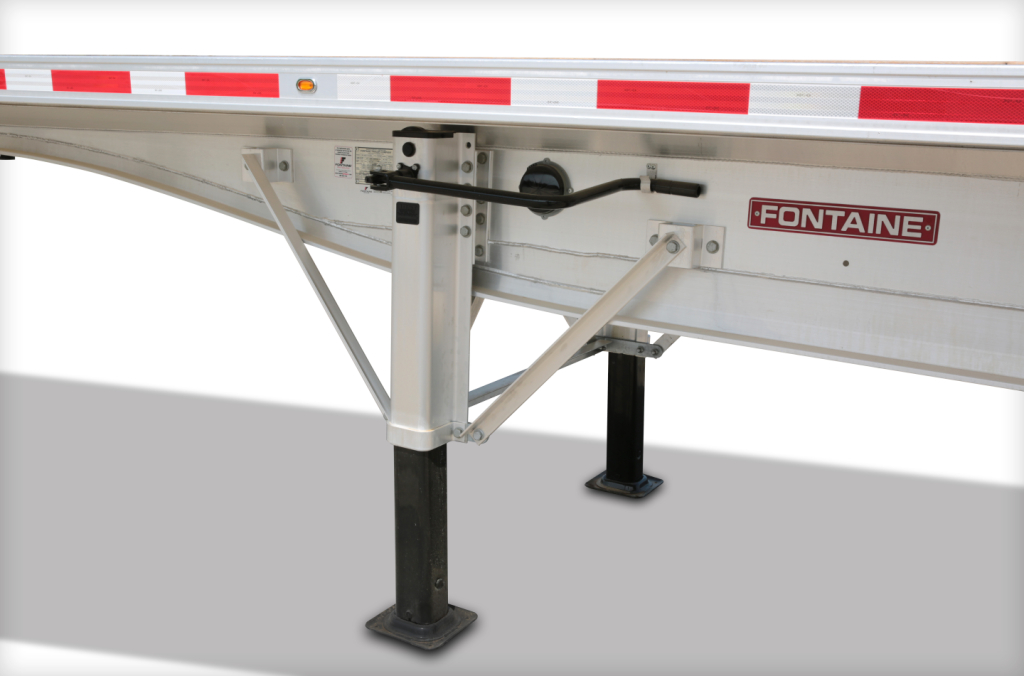
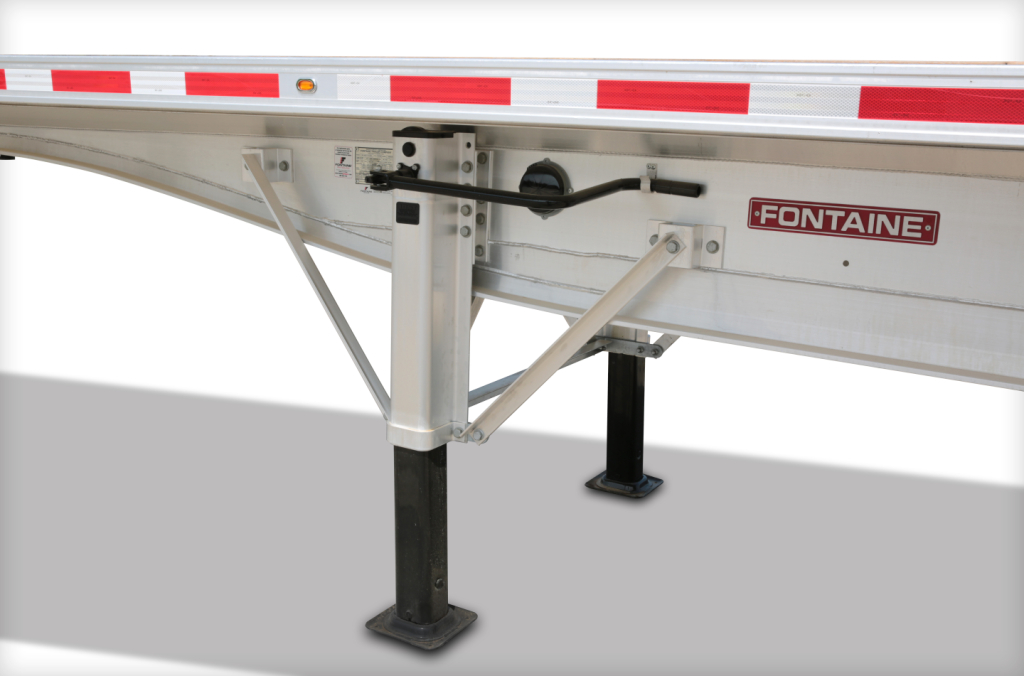
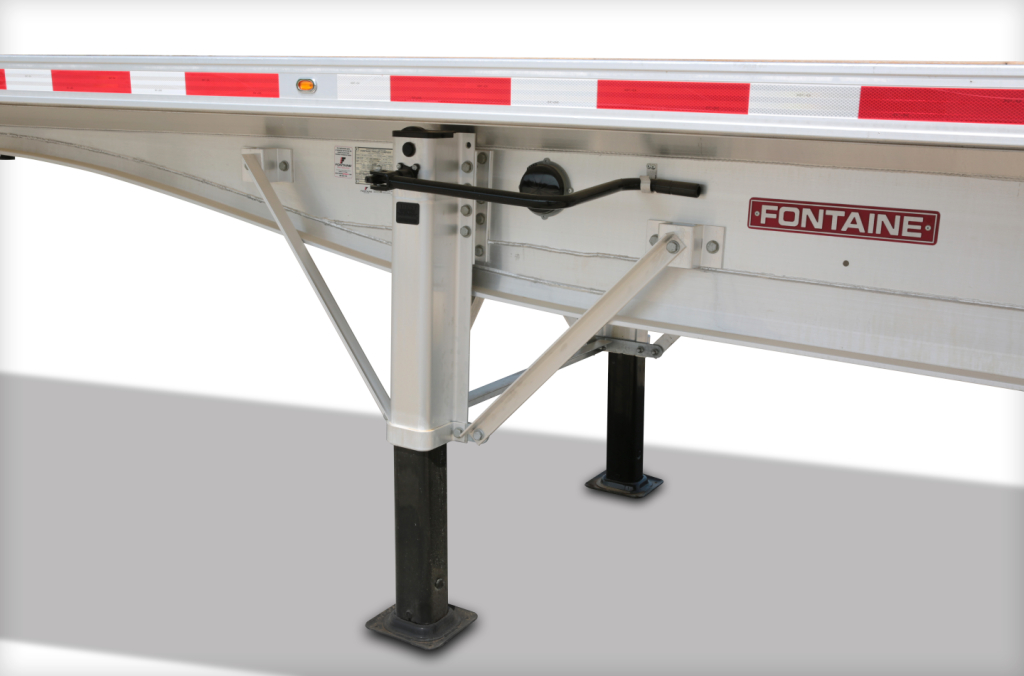
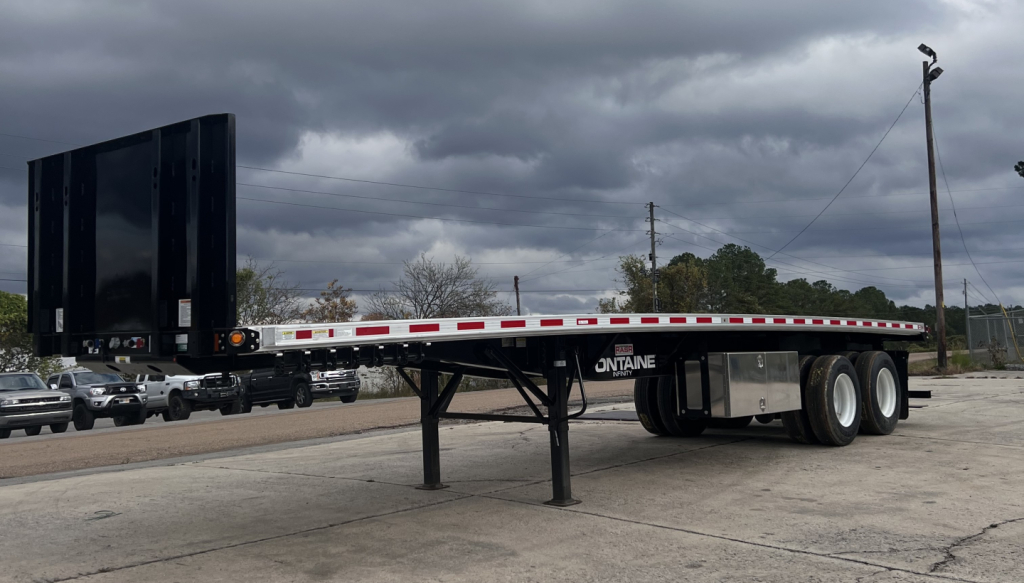
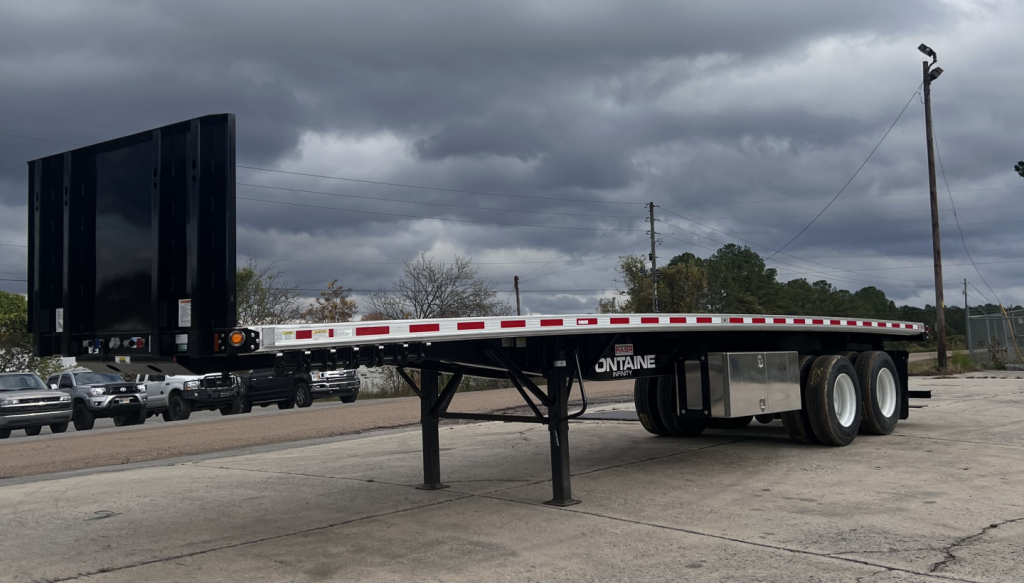
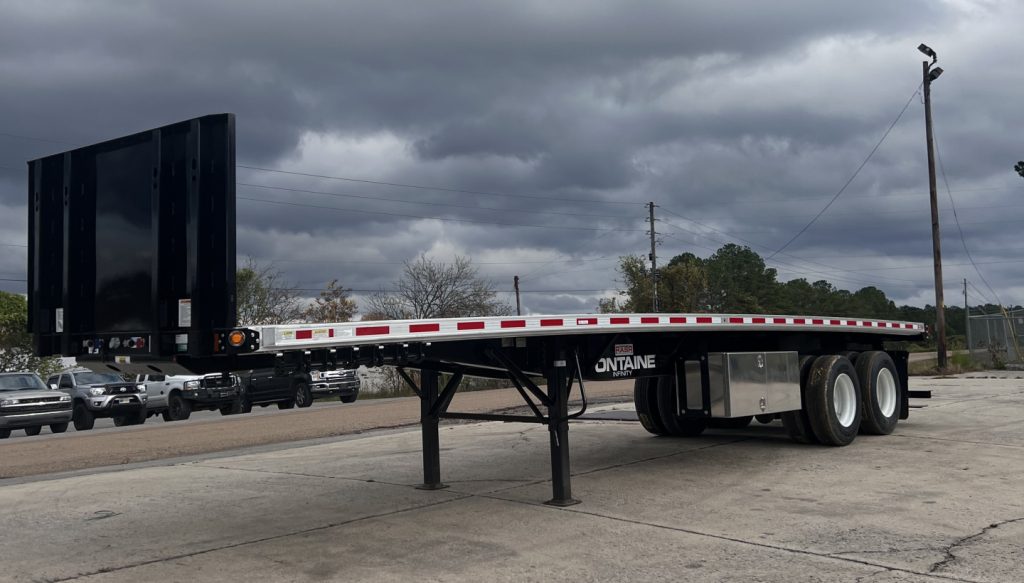
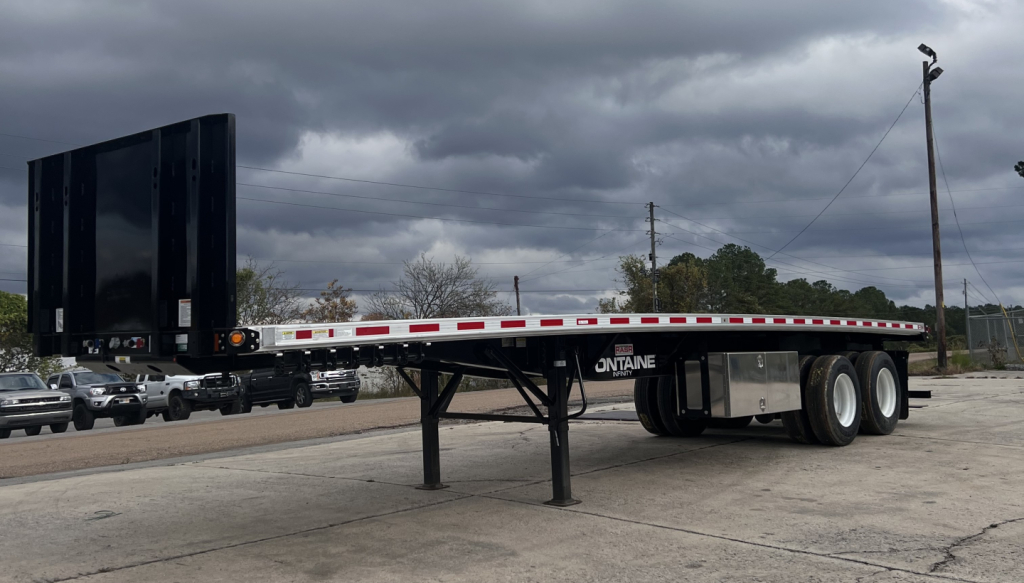
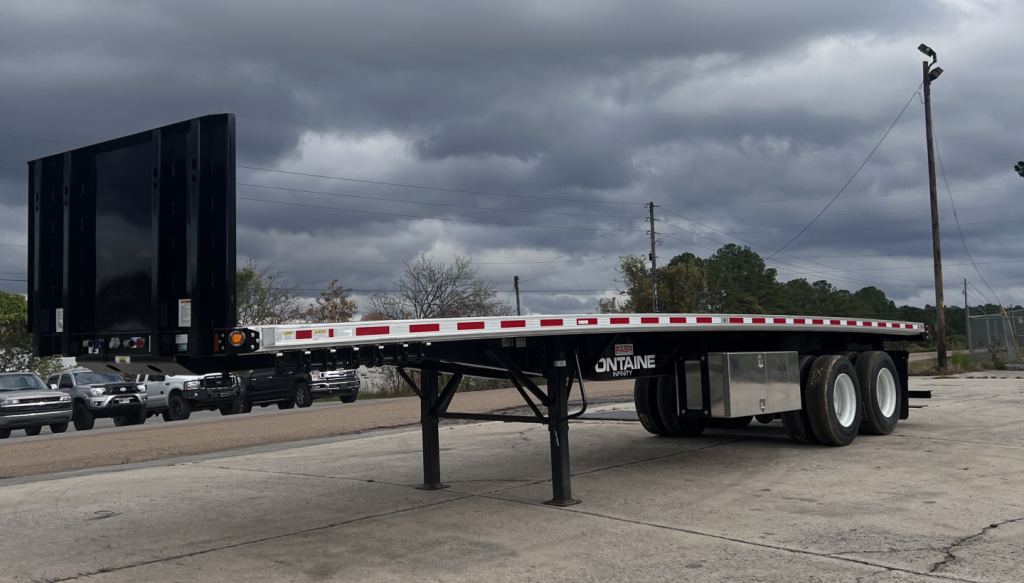
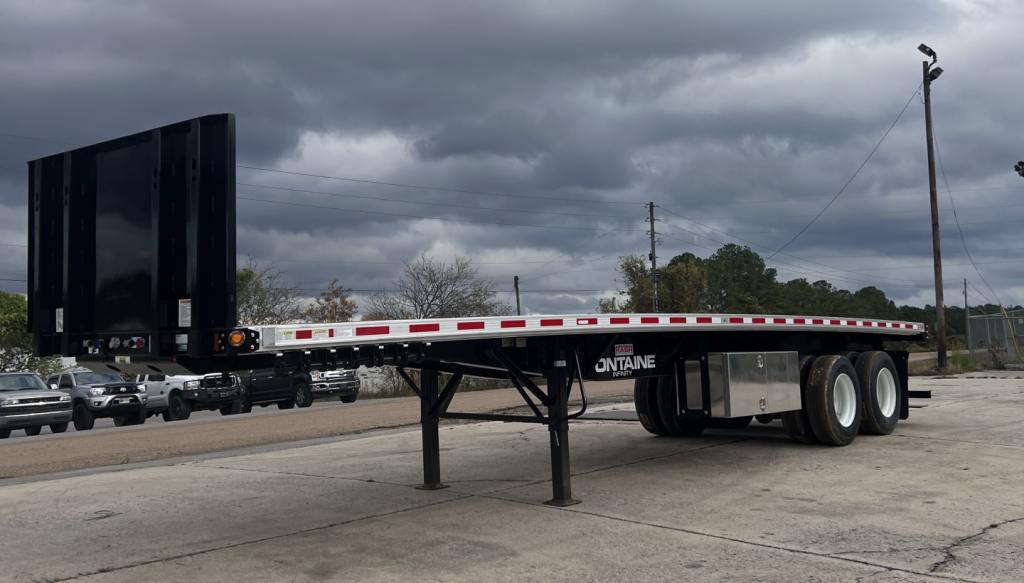
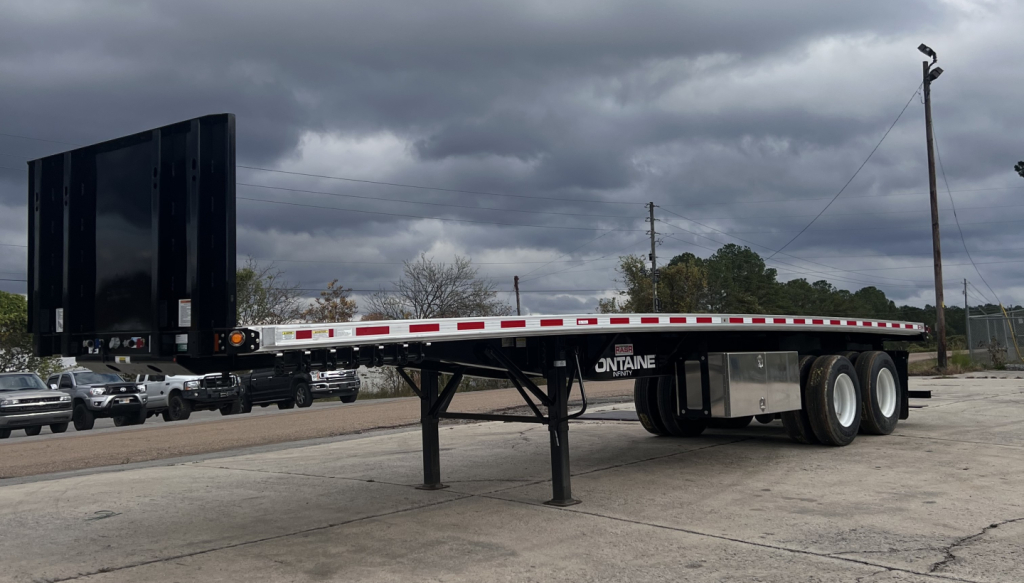
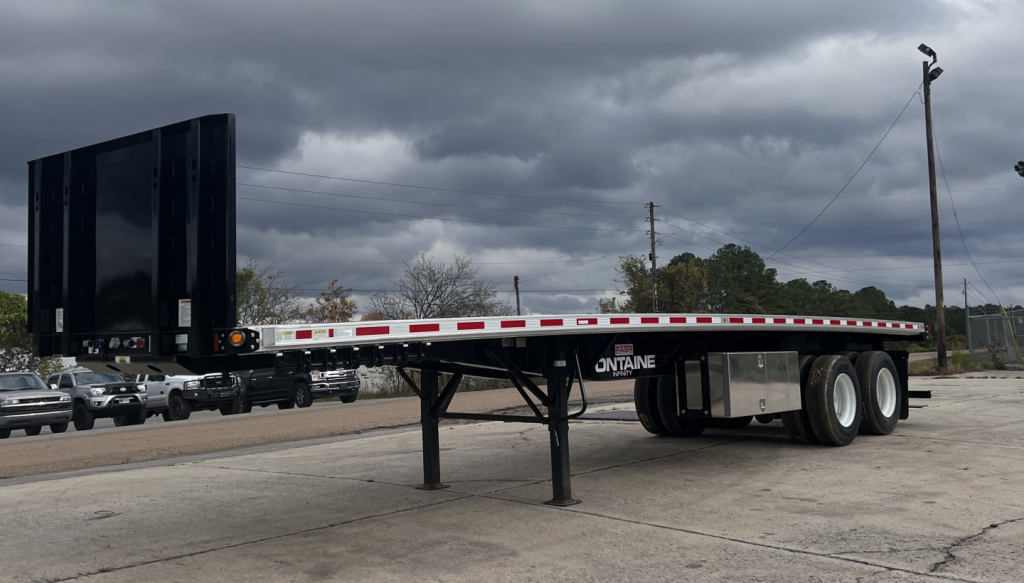
Shop new flatbed trailers for sale in Texas, including aluminum and combo models with air ride, winch tracks, spread axles, and coil packages.
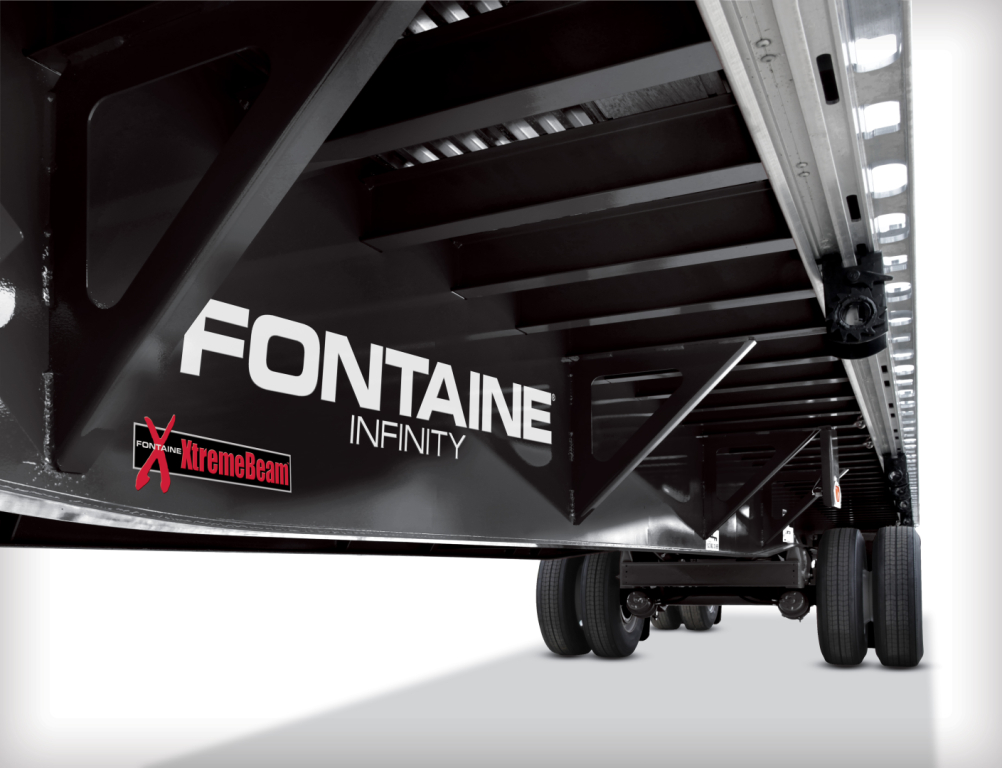
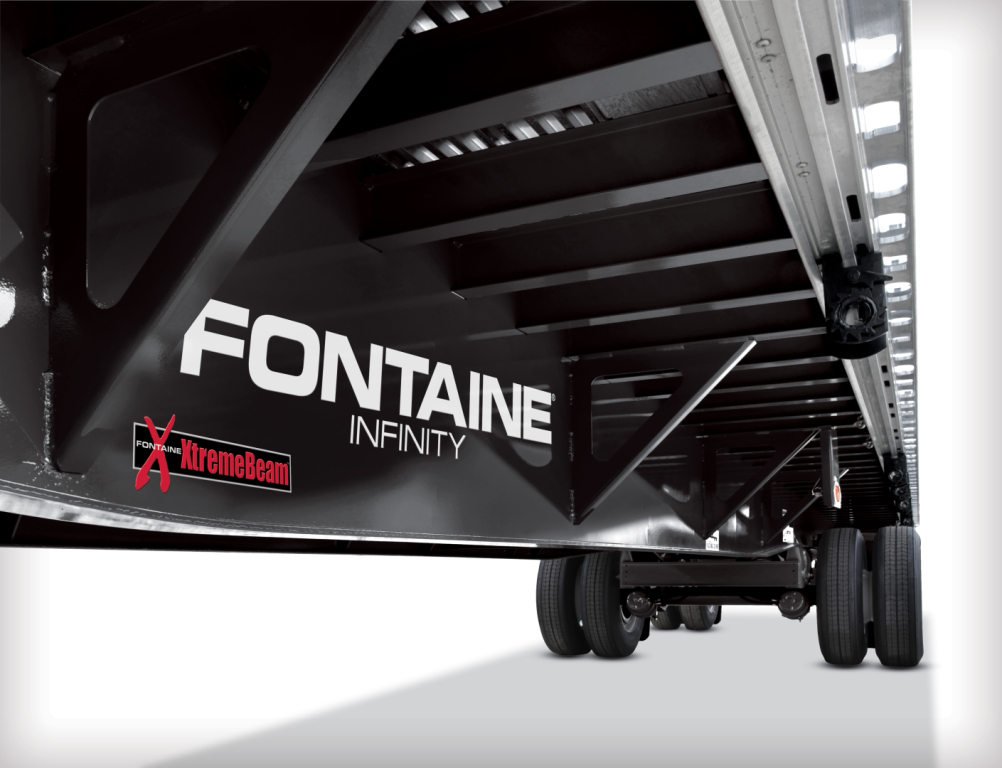
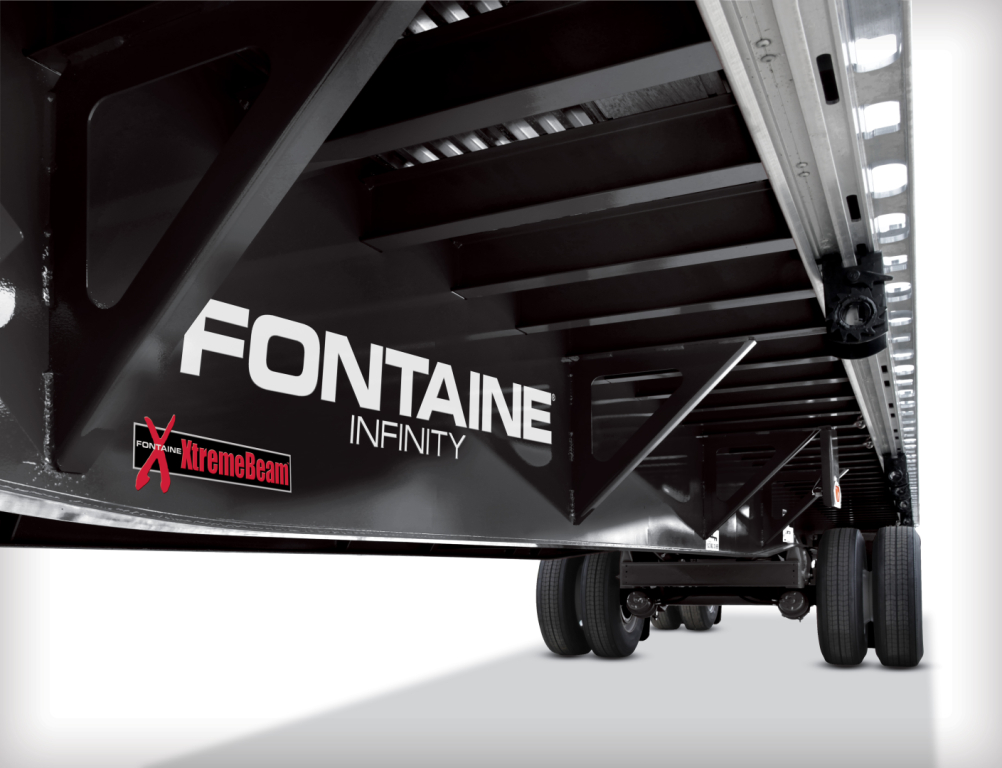
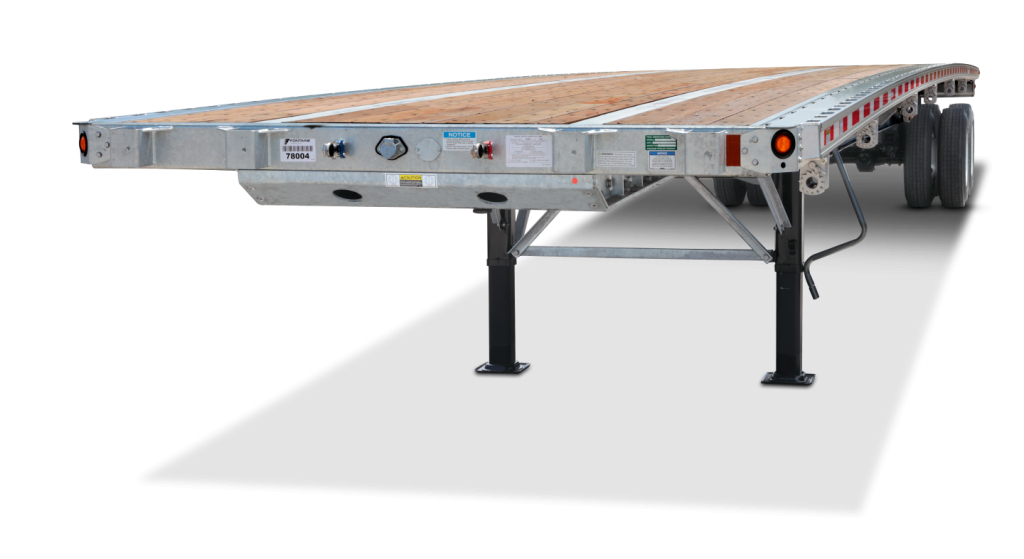
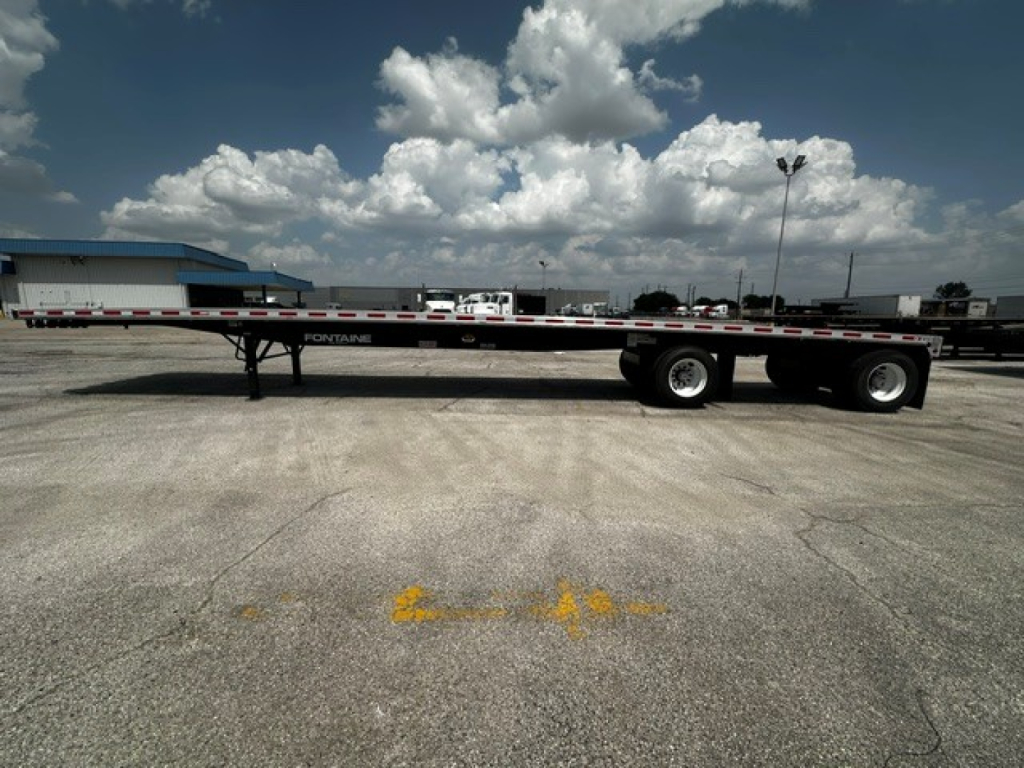
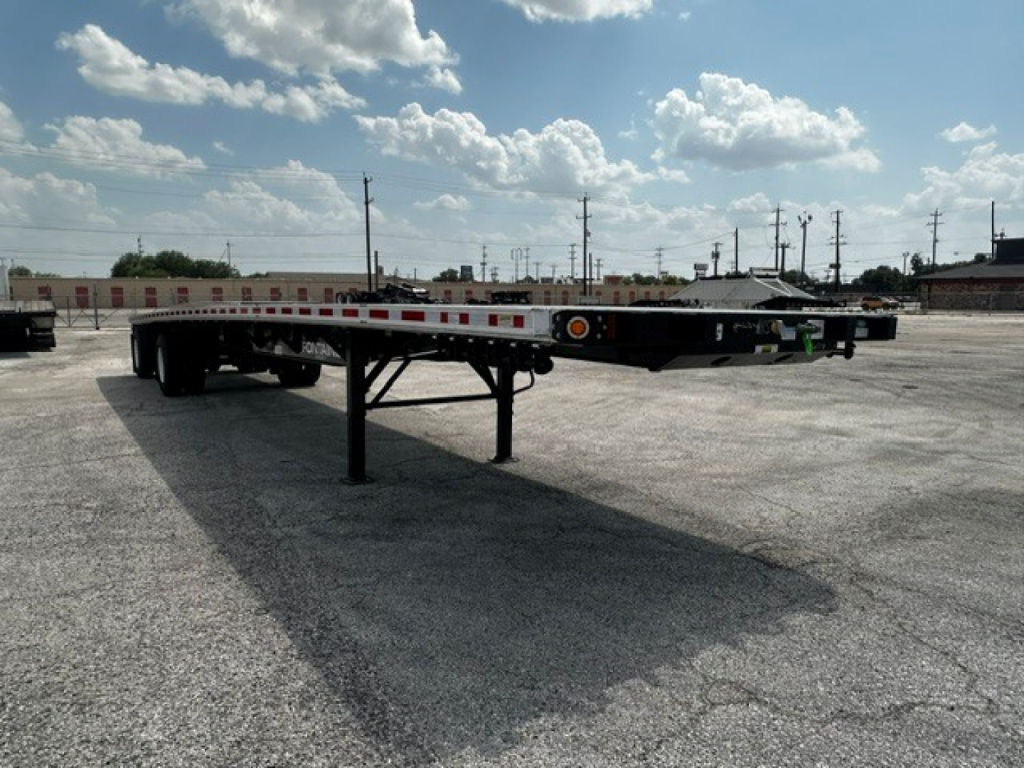
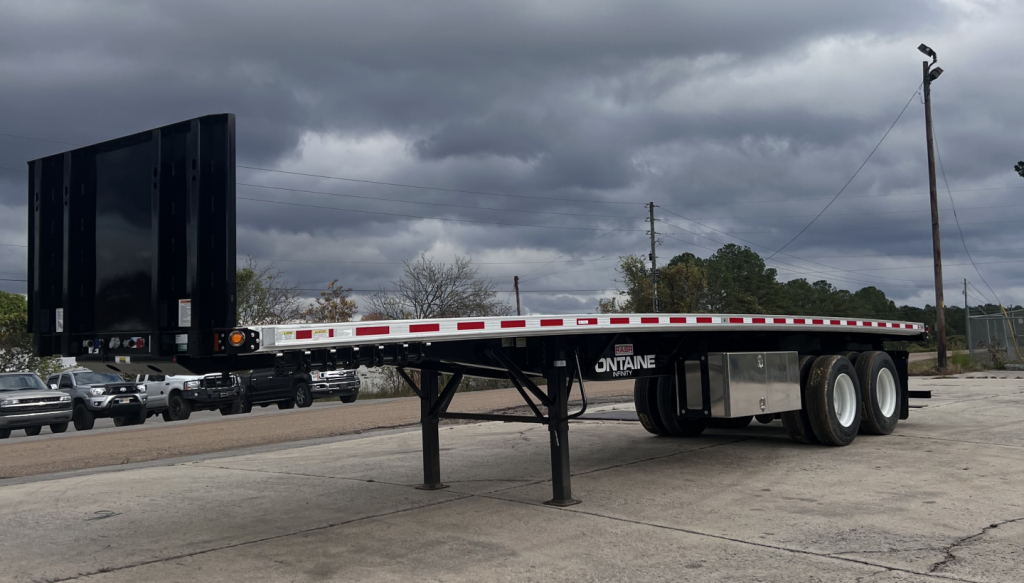
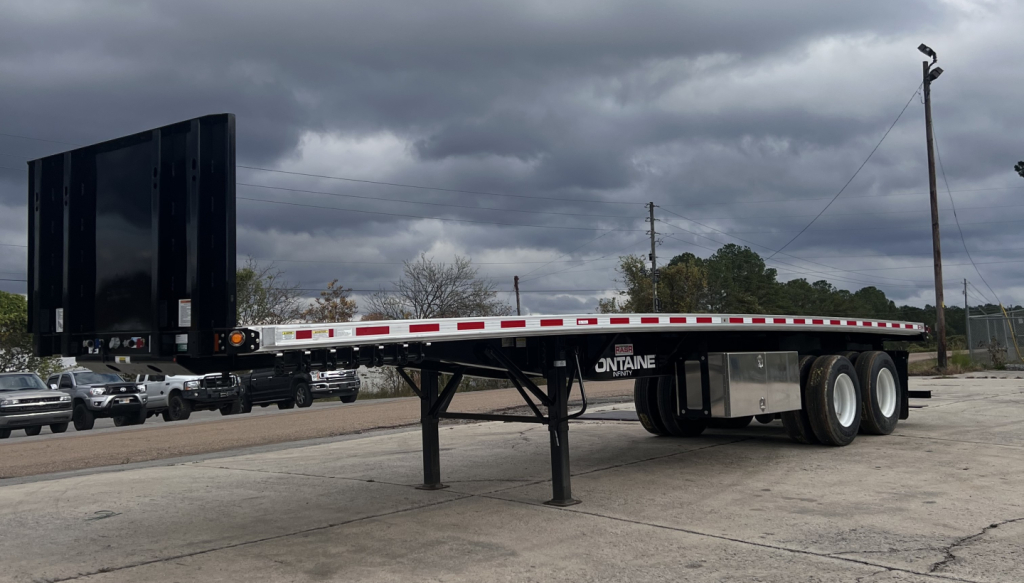
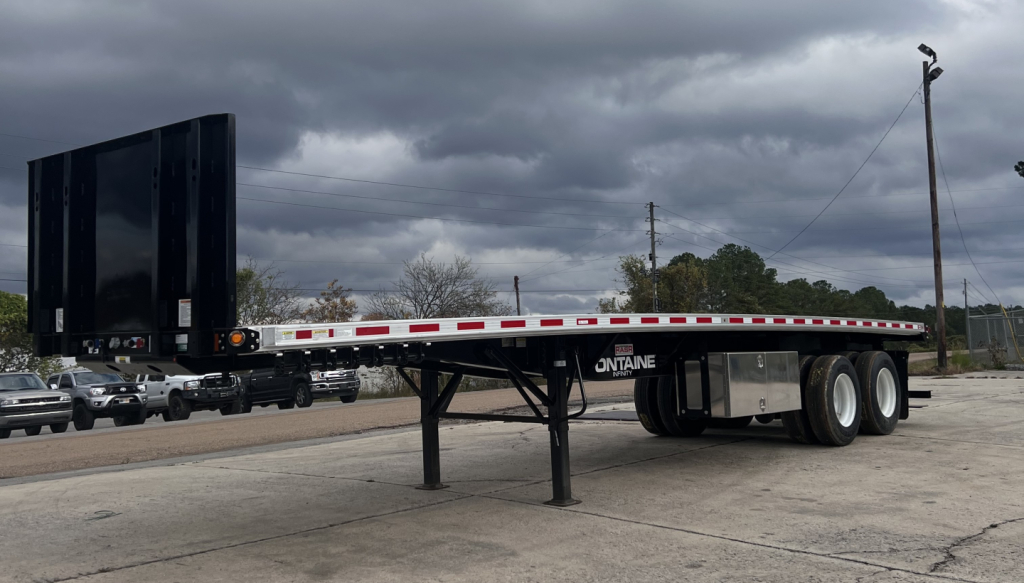
Selling a new flatbed trailer? List your new flatbed trailer for sale and reach thousands of commercial buyers.
New Flatbed Trailers in Texas
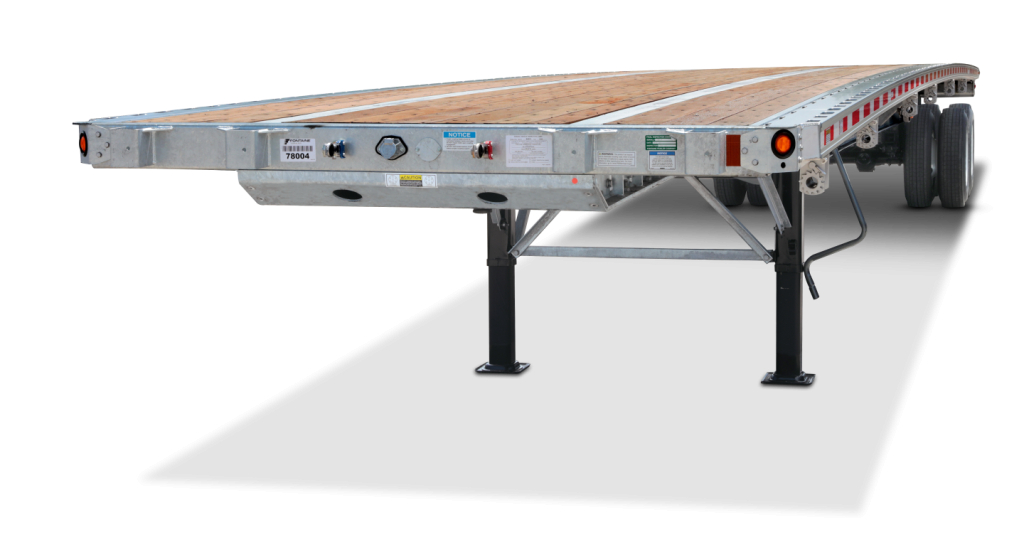
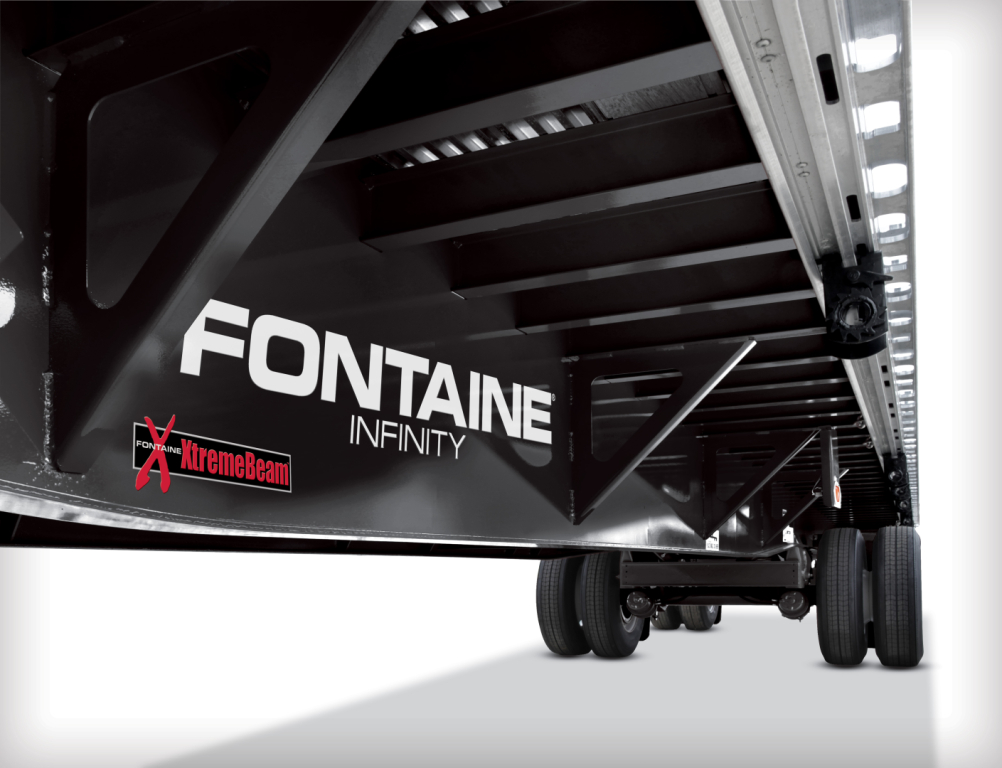
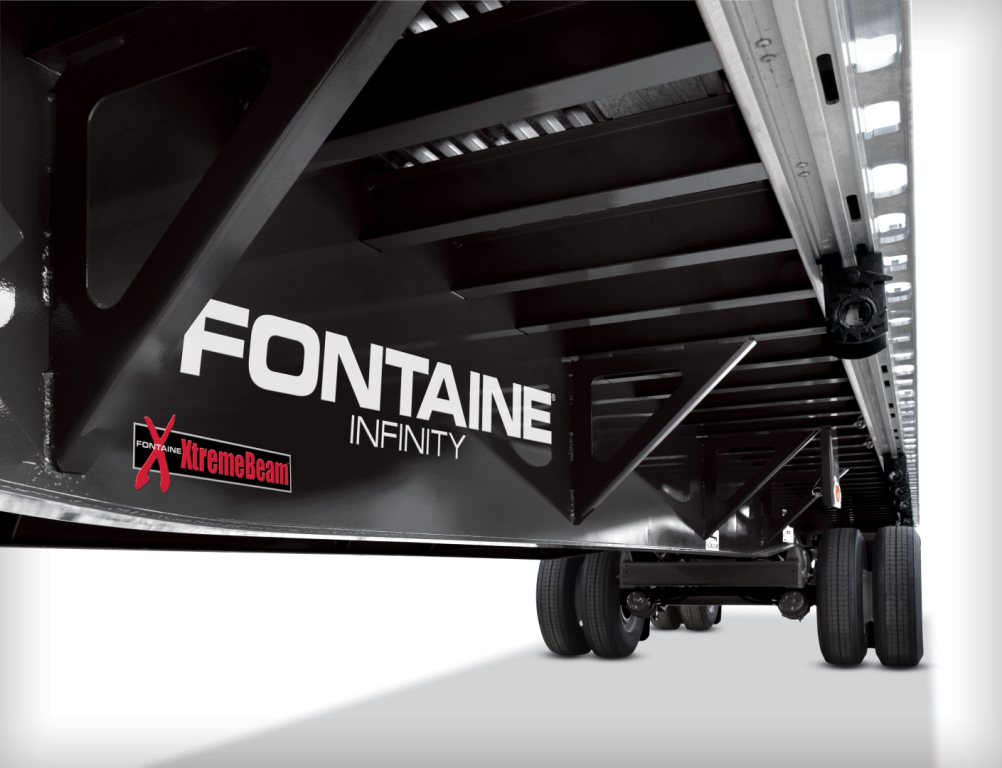
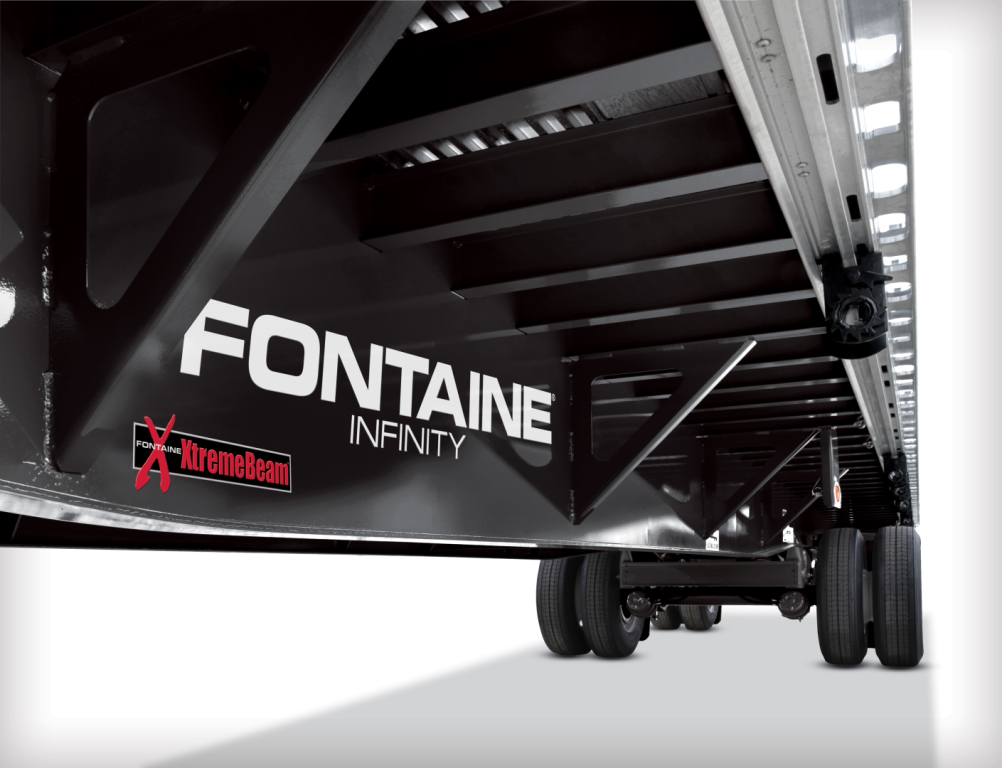
A major buying decision is aluminum flatbed versus combo construction. Aluminum trailers cut tare weight and help maximize payload, which matters on dense freight and longer runs. Combo flats use steel where extra strength and durability are needed, often around the neck or key structural areas, while still keeping weight reasonable. Many new flatbeds in this class come with 102-inch wide decks, air ride suspension, 30-inch kingpin settings, and 49-inch loaded fifth wheel heights. In Texas, spread axle and rear axle slide configurations are both relevant depending on bridge law needs, turning requirements, and the lanes you run. A wide spread air ride setup can improve weight distribution, while a sliding rear axle adds flexibility for state compliance and dock positioning.
Securement equipment deserves close attention because it affects how many load types the trailer can handle without modification. Look for stake pockets on 24-inch centers, integrated rub rails, chain tie-downs recessed into the siderails, and full-length winch tracks with sliding winches. Coil package options are important if steel is part of your freight mix, and bulkhead pockets can add versatility for specialized loads. Flooring also changes how the trailer performs. Knurled aluminum flooring helps traction and wear, while wood nailer strips make it easier to fasten dunnage and load securement accessories. Toolboxes, dock bumpers, LED lighting, ABS, spring brakes, and dump valves are standard details that still deserve review because they affect daily usability and maintenance.
If forklift loading is part of your operation, a shorter combo flat with a forklift kit and counterweight package can make sense for jobsite delivery, building supply work, and route-based freight. Buyers should also compare concentrated load ratings, not just gross distributed capacity. A trailer rated for 80,000 pounds distributed may also carry a separate 4-foot concentrated rating that matters more for steel coils, machinery, or point-loaded cargo. On a new flatbed trailer, the best value usually comes from matching deck length, axle setup, floor type, and securement layout to the freight you haul every week, not just the highest published capacity.
Frequently Asked Questions about New Flatbed Trailers in Texas
What length flatbed trailer is most common for Texas freight?
The most common lengths are 48-foot and 53-foot. A 48-foot flatbed is a strong fit for general freight, steel, and regional work where maneuverability matters. A 53-foot flatbed offers more deck space for lighter or longer freight and can improve load flexibility, but axle placement and bridge compliance become more important as trailer length increases.
What is the difference between an aluminum flatbed and a combo flatbed?
An aluminum flatbed is built primarily to reduce trailer weight and increase payload capacity. A combo flatbed uses a mix of aluminum and steel to balance lighter weight with added structural strength in high-stress areas. Buyers hauling dense freight often compare tare weight closely, while buyers working in rougher conditions may prefer the durability of a combo design.
Why do spread axles and sliding axles matter on a flatbed trailer?
Axle configuration affects weight distribution, bridge law compliance, tire scrub, and maneuverability. A spread axle flatbed can carry weight efficiently and is common in many open-deck applications, but it may be less maneuverable in tight areas. A rear axle slide adds flexibility by allowing axle spacing changes for state requirements, specific freight setups, and loading dock conditions.
What securement features should I look for on a new flatbed trailer?
Key securement features include stake pockets, integrated rub rails, recessed chain tie-downs, load securement openings, and full-length winch tracks with sliding winches. If you haul steel, a coil package is important. If your loads vary often, a trailer with a dense securement layout gives drivers more tie-down options and reduces the need for workarounds in the field.
How important is concentrated load rating on a flatbed trailer?
Concentrated load rating is critical when hauling cargo that places weight in a short section of the deck, such as coils, equipment, or machinery. Distributed capacity tells you the trailer's overall rating, but concentrated rating shows how much weight the deck can handle in a limited area. Buyers hauling dense or point-loaded freight should verify both ratings before choosing a trailer.