
New Fontaine Flatbed Trailers For Sale in Texas
New Fontaine flatbed trailers for sale in Texas, including aluminum and combo models with air ride, winch tracks, coil packages, and spread axles.
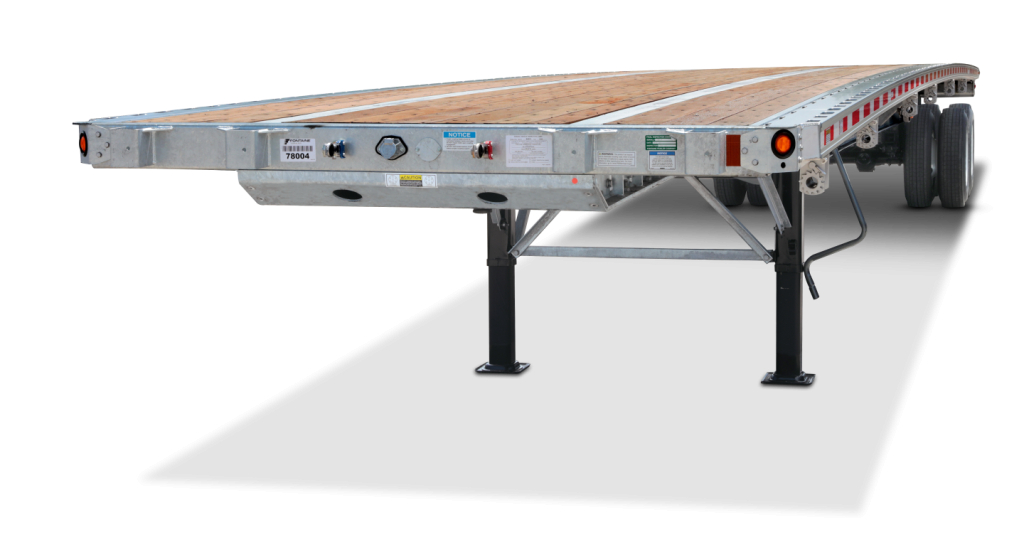
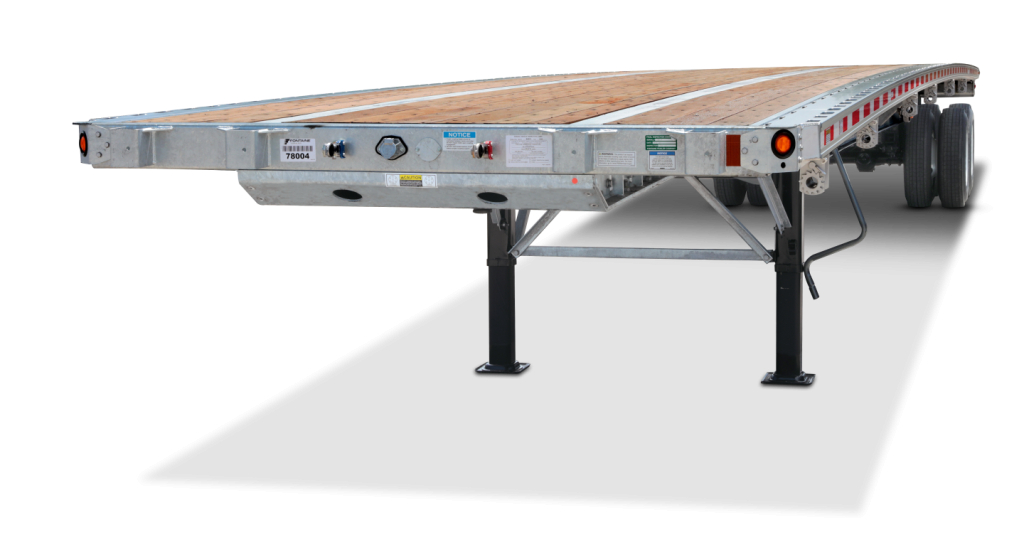
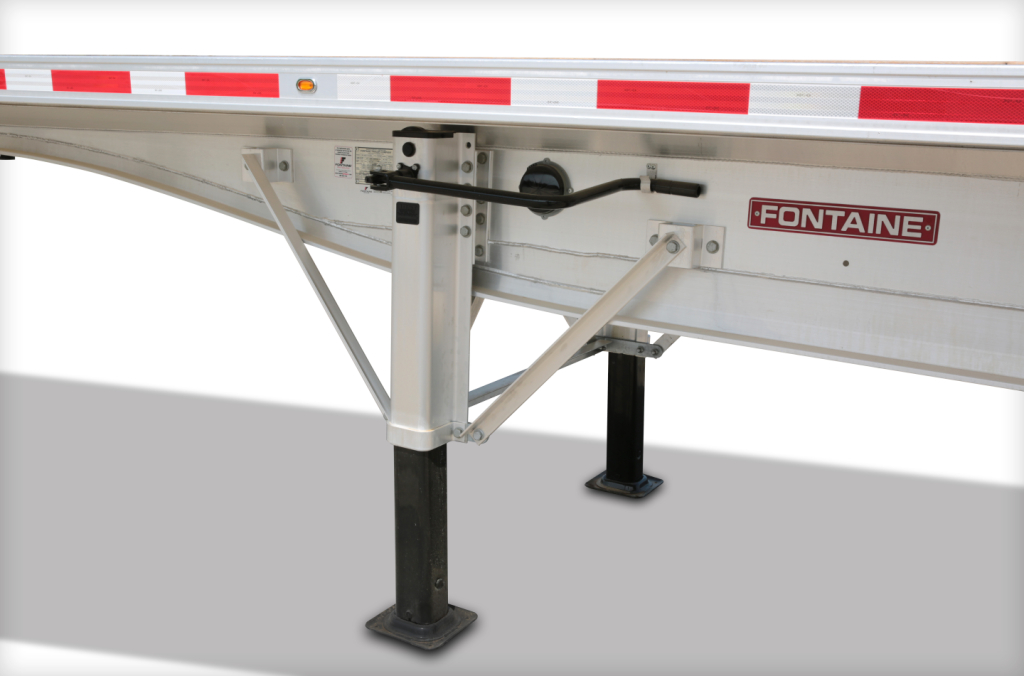
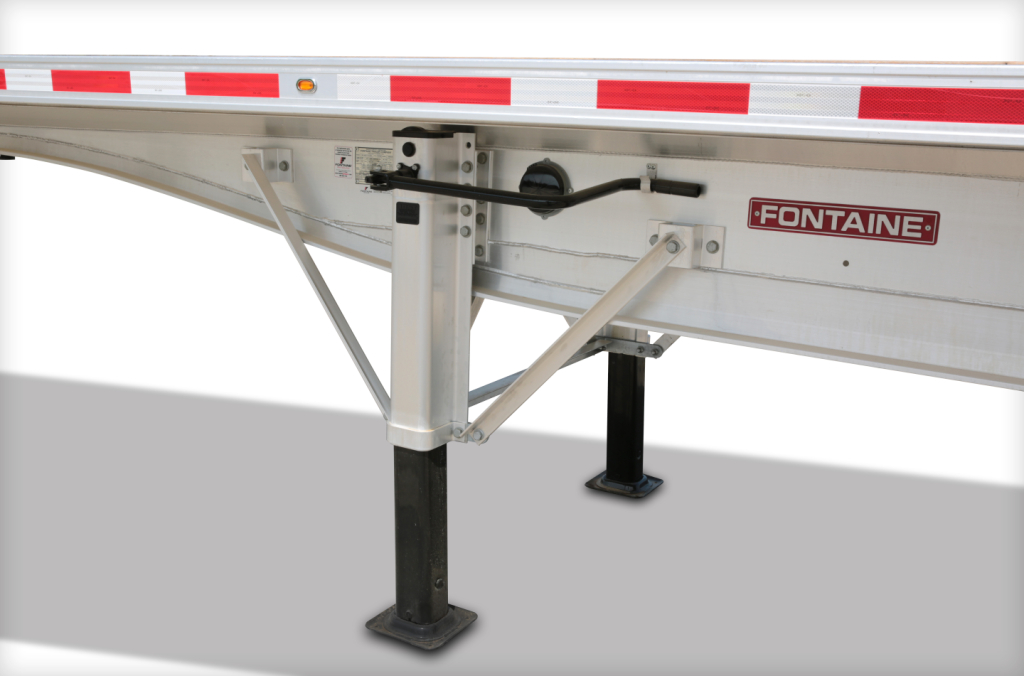
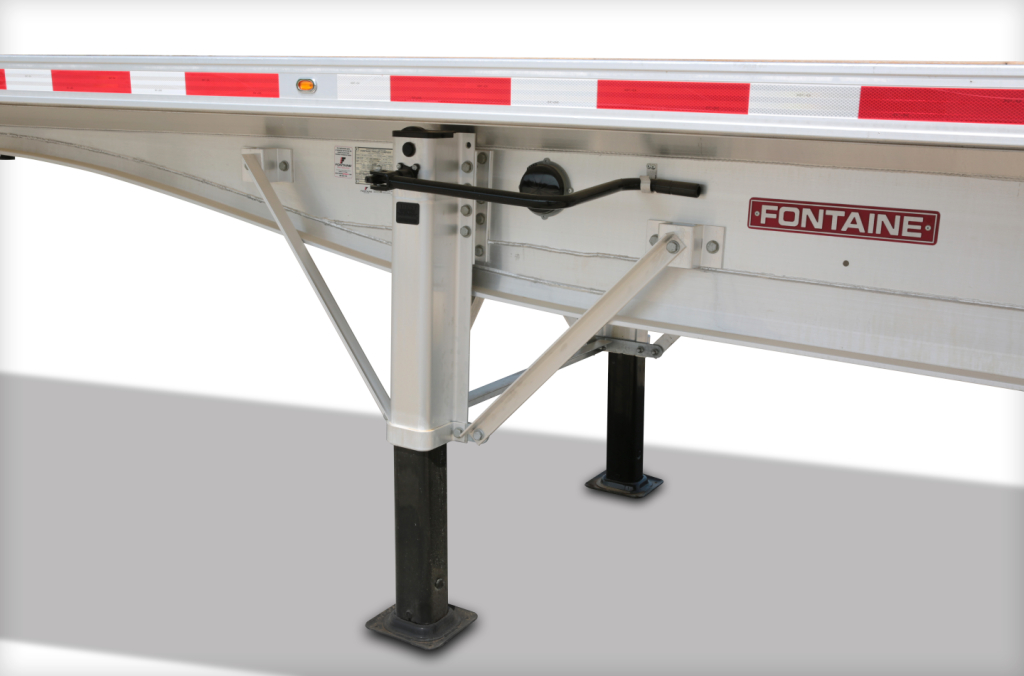
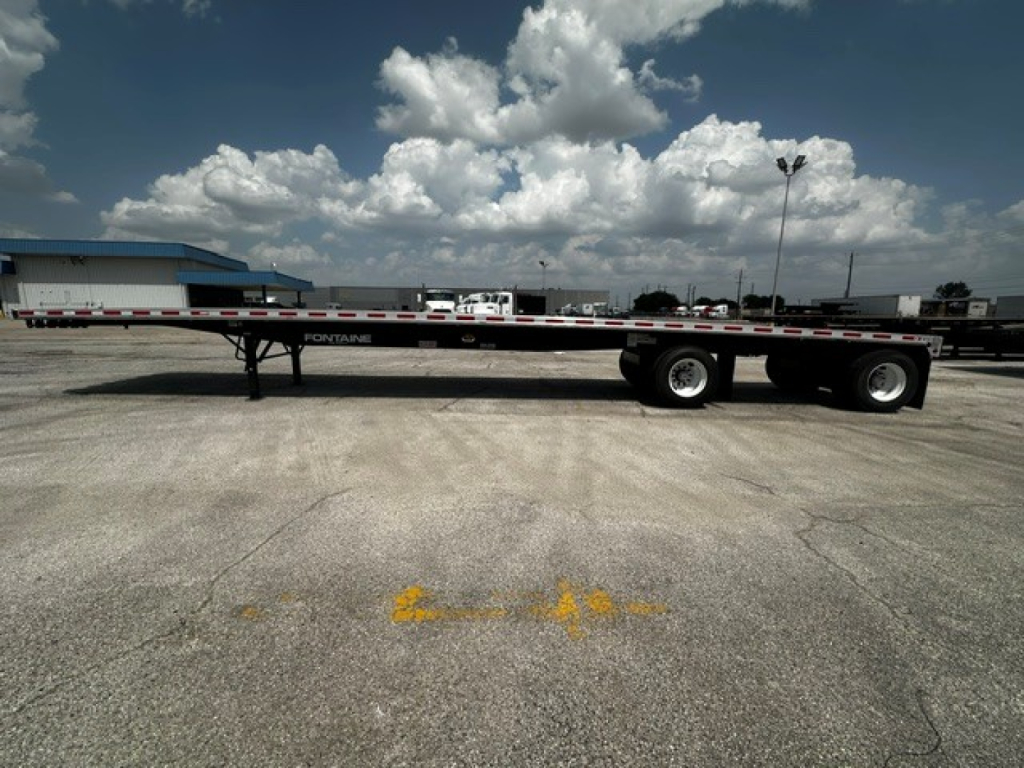
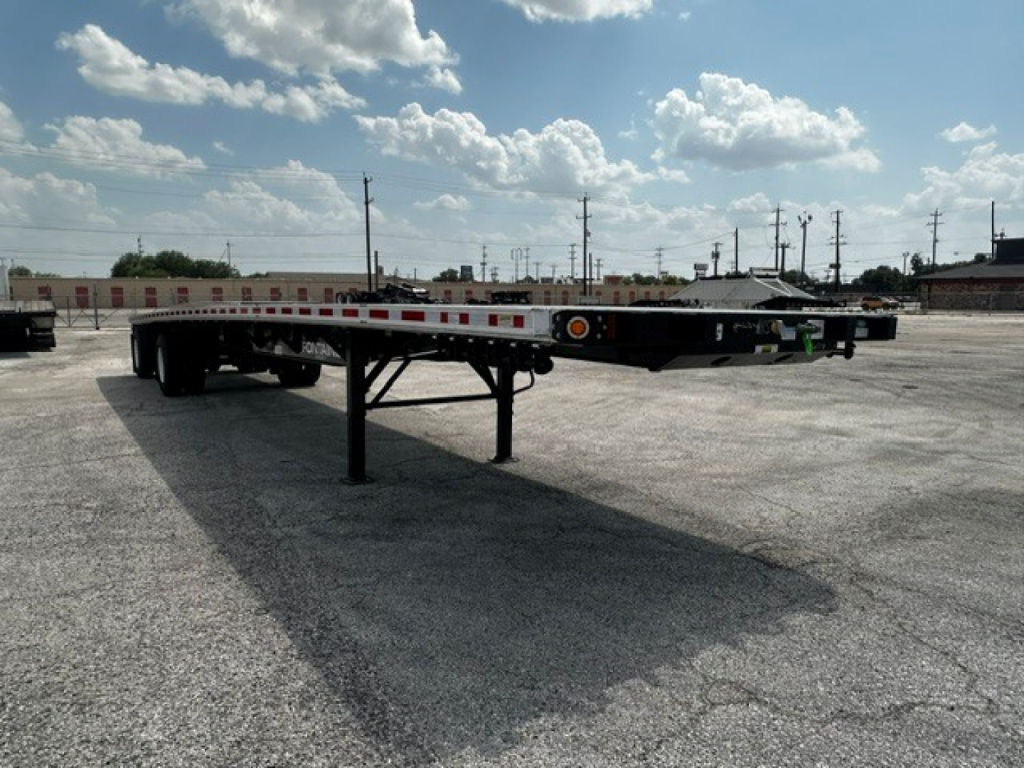
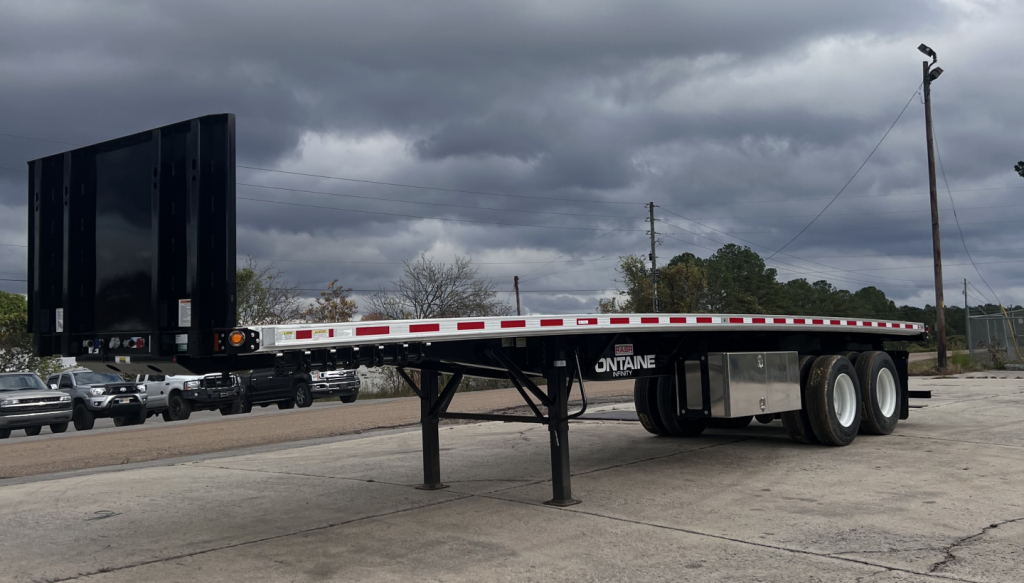
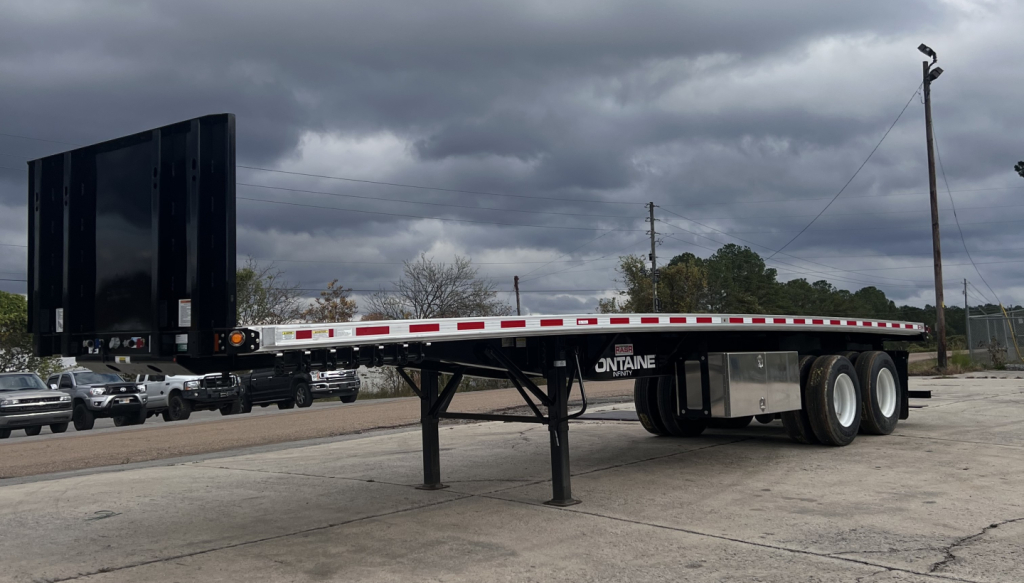
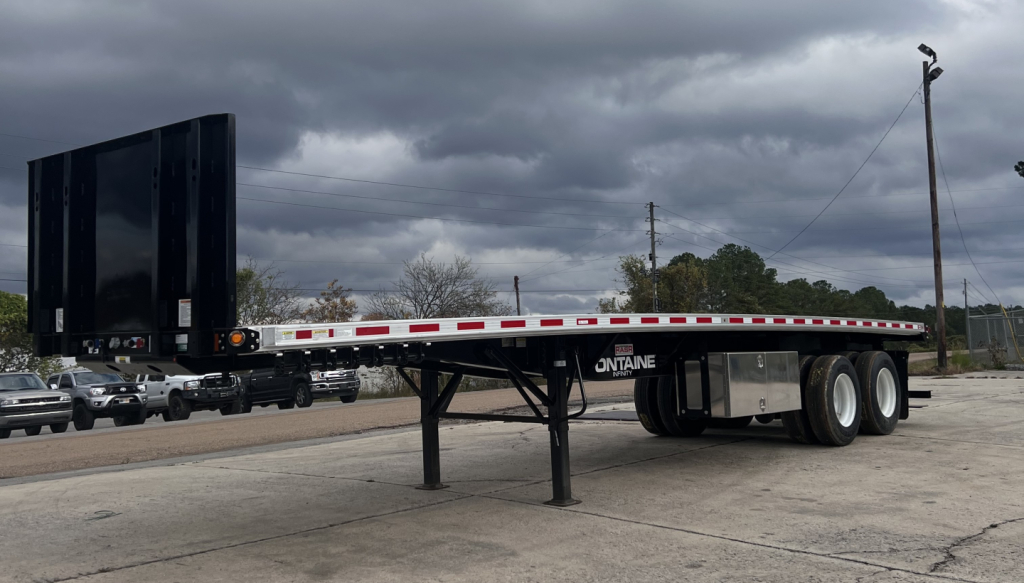
2027 Fontaine 53' Combo Flat - Rear Axle Slide
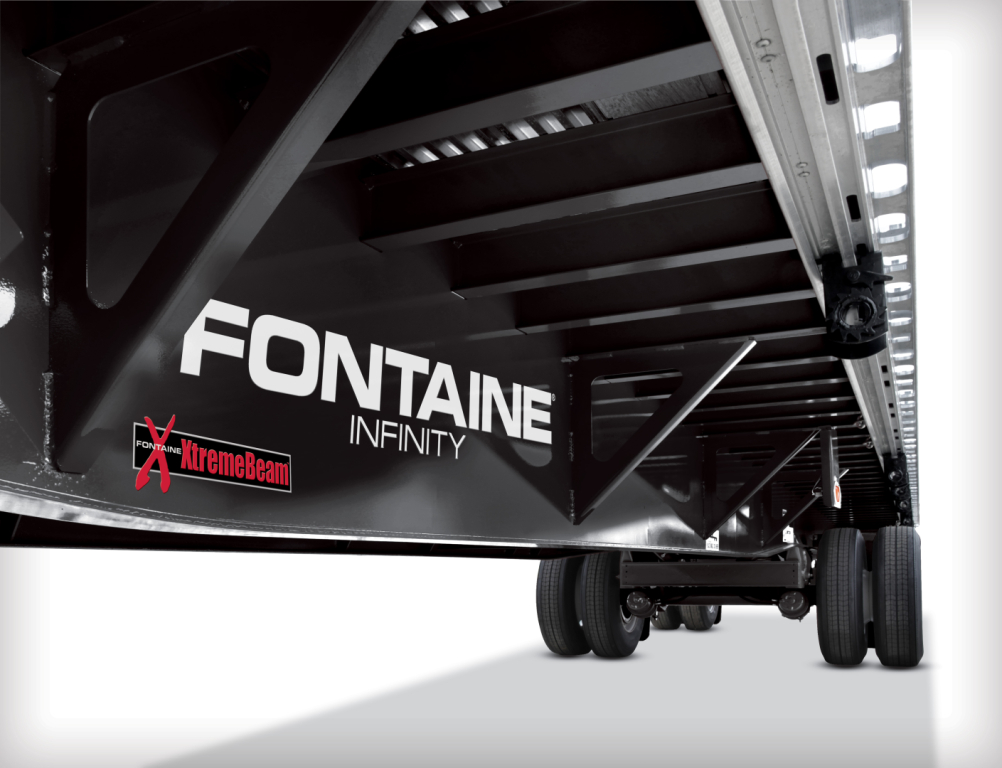
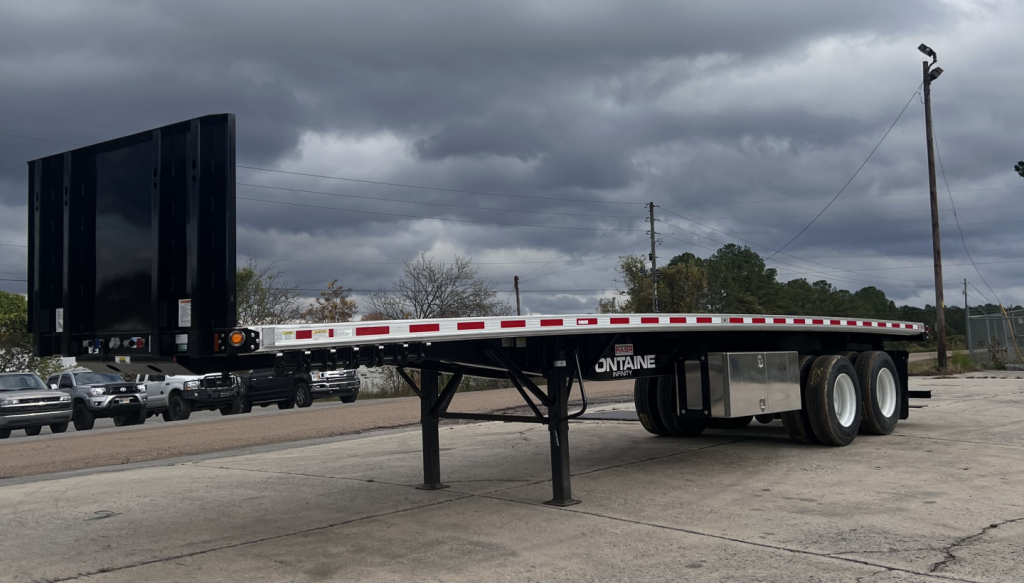
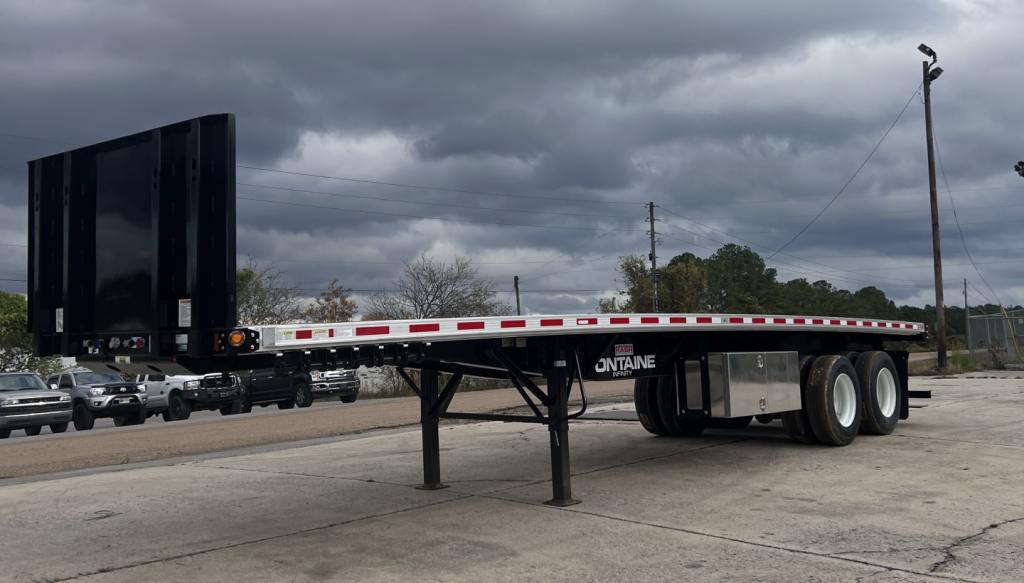
2027 Fontaine 53' Combo Flat - Rear Axle Slide
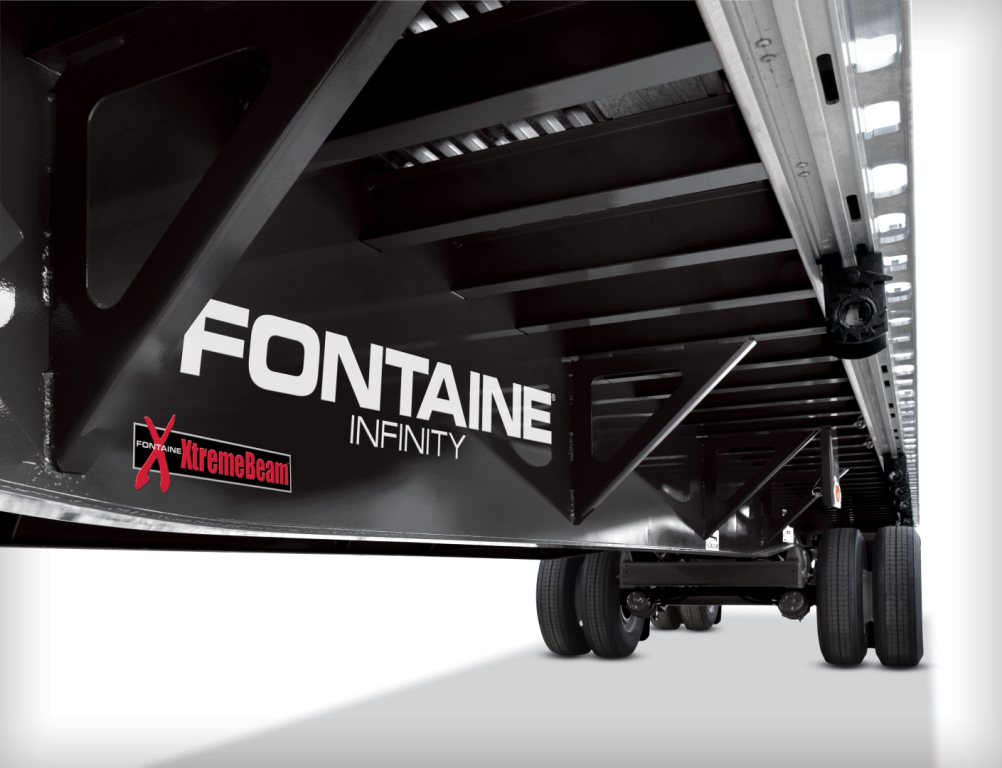
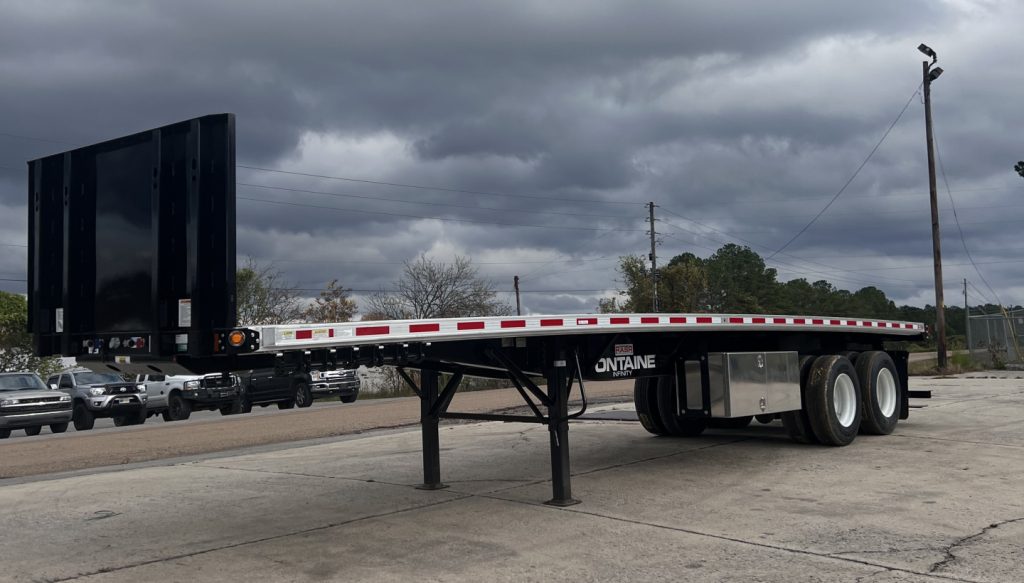
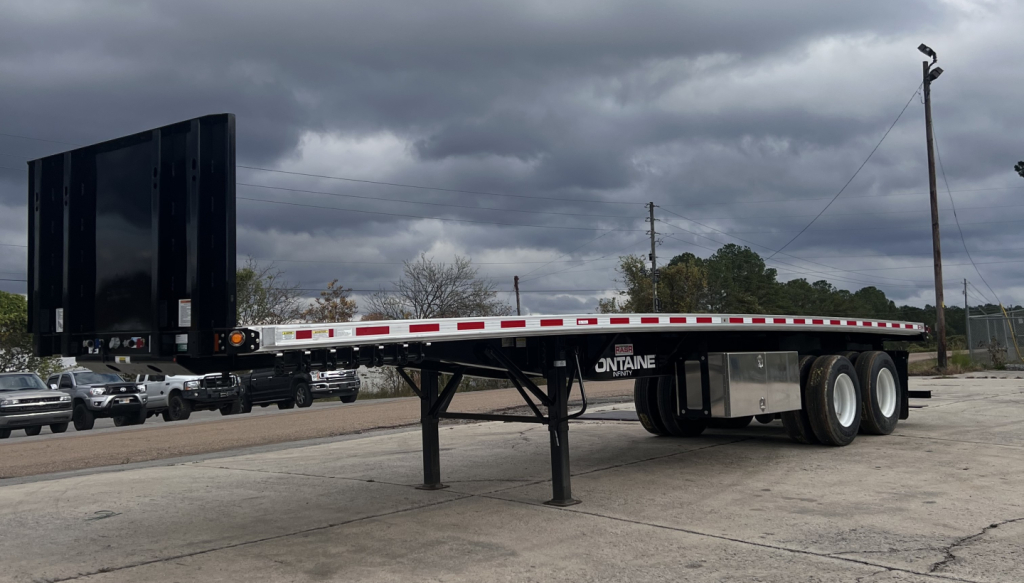
2027 Fontaine 53' Combo Flat - Rear Axle Slide
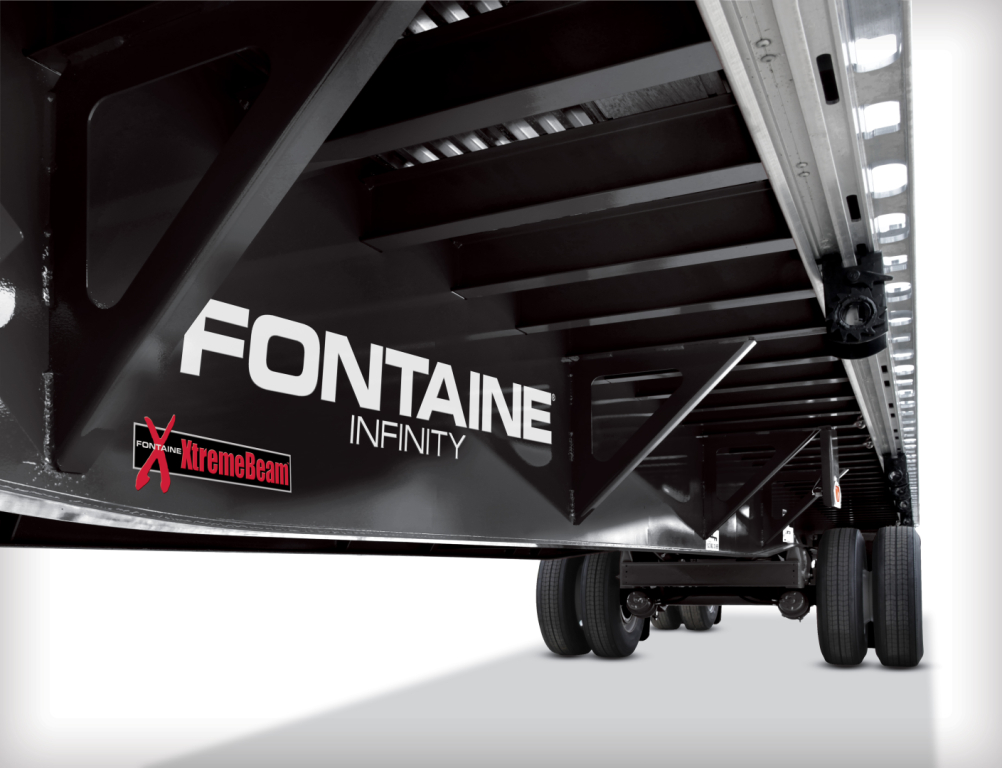
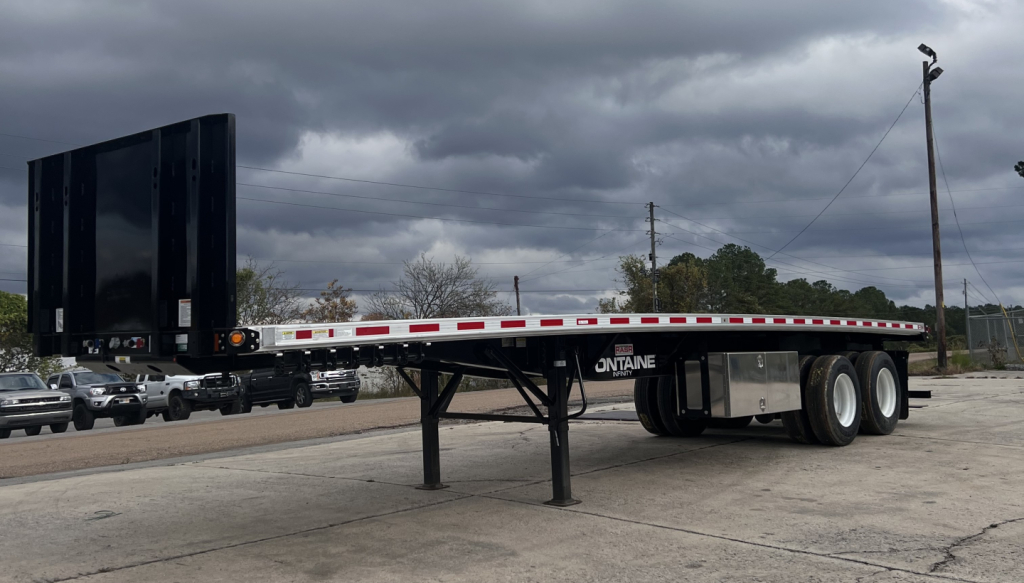
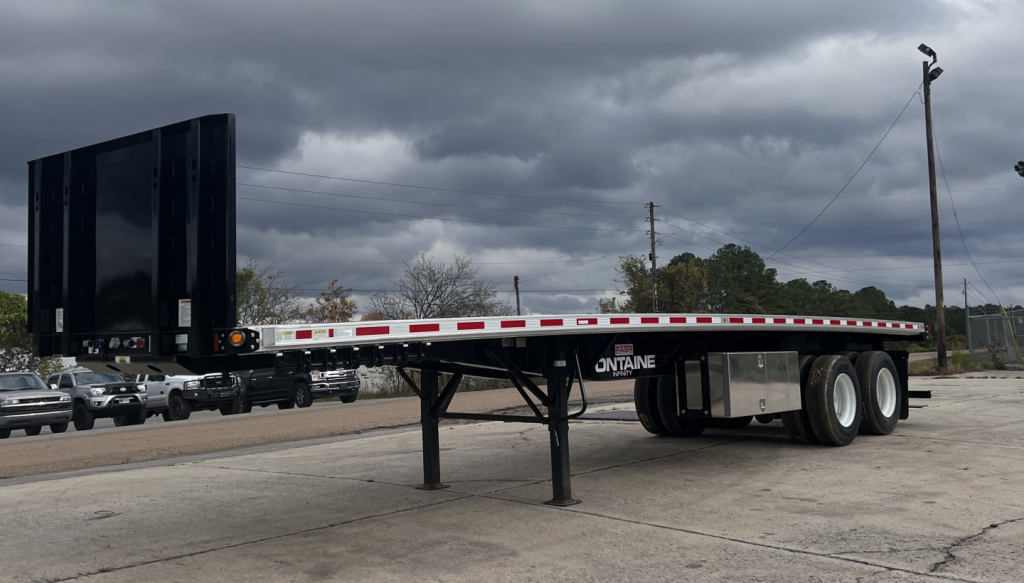
2027 Fontaine 53' Combo Flat - Rear Axle Slide
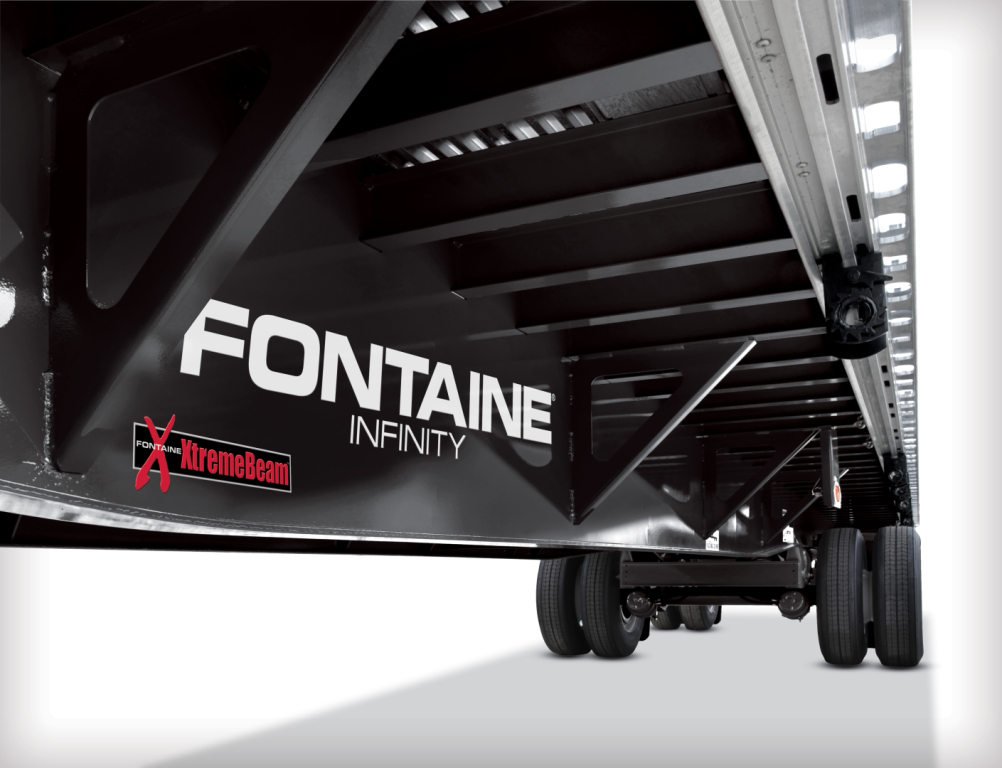
2027 Fontaine 53' Combo Flat - Rear Axle Slide
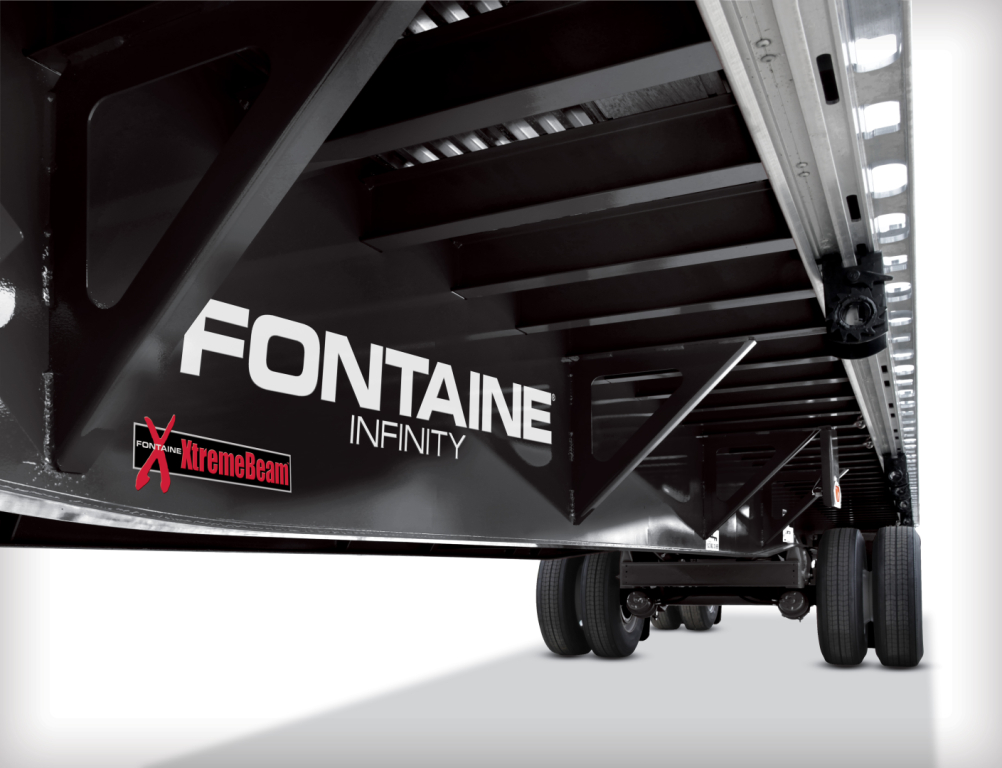
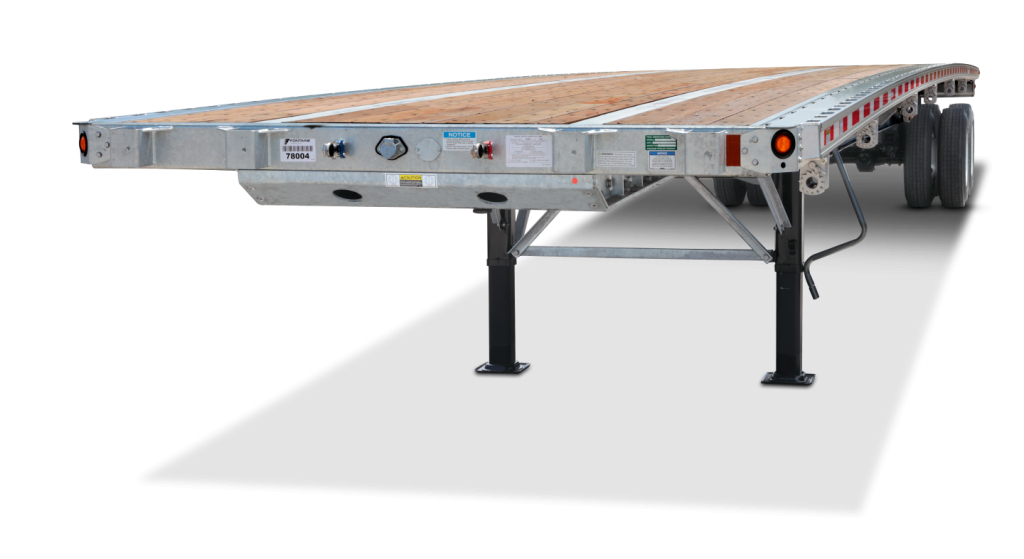
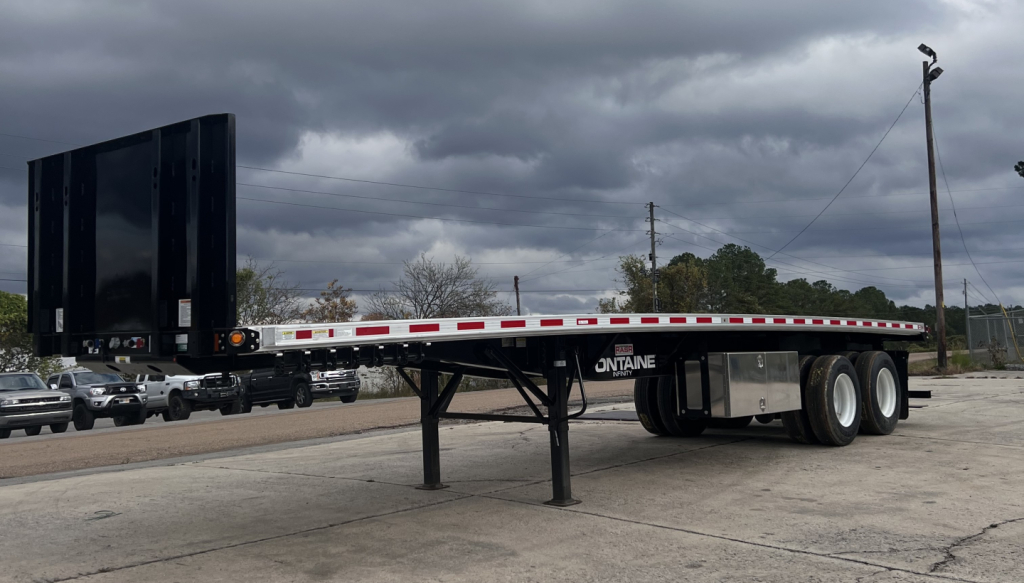
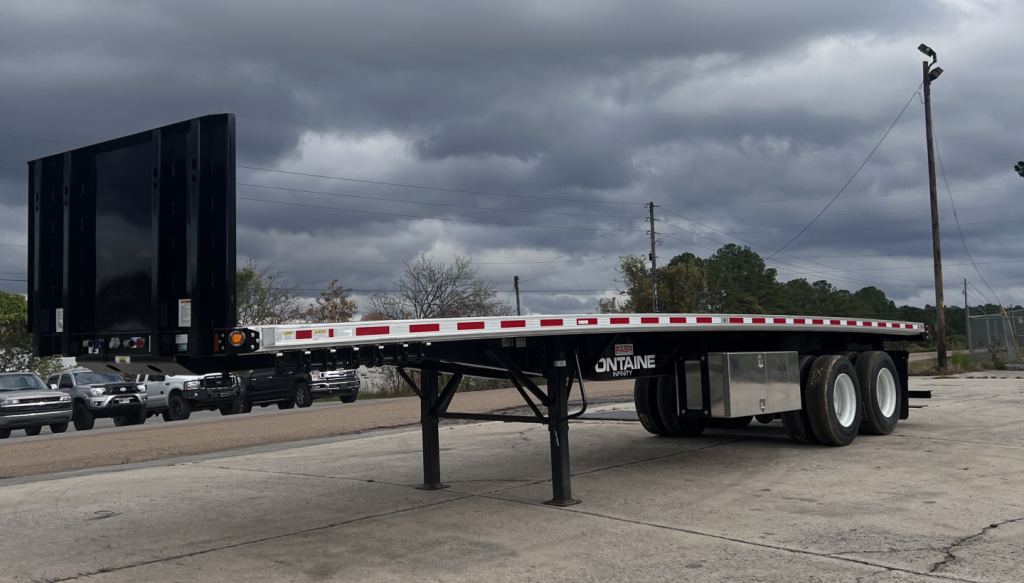
Selling a new fontaine flatbed trailer? List your new fontaine flatbed trailer for sale and reach thousands of commercial buyers.
New Fontaine Flatbed Trailers in Texas
The first decisions usually come down to deck length, frame material, and axle layout. A 48-foot aluminum flatbed is a common choice for regional and general commodity hauling where lighter trailer weight and corrosion resistance are priorities. A 53-foot combo flatbed gives more deck space and flexibility for longer freight while still balancing durability and tare weight. Buyers running Texas and multi-state lanes should pay close attention to kingpin setting, loaded deck height, axle spread, and whether the trailer has a fixed tandem, wide spread, or rear axle slide. A spread axle can help with bridge compliance and load distribution, while a sliding rear axle adds flexibility for state requirements and changing freight profiles.
Securement setup is where a flatbed trailer either fits your operation or slows it down. Many Fontaine flats are spec'd with integrated rub rails, stake pockets on 24-inch centers, chain tie-downs recessed into the siderails, and full-length winch tracks with sliding winches. Coil package provisions are important for steel haulers, and wood nailer strips in aluminum flooring matter if your operation frequently mounts dunnage, brackets, or specialized freight supports. Bulkhead pockets, dock bumpers, toolboxes, LED lighting, and air ride suspension are also practical spec points, not cosmetic ones. Air ride helps protect more sensitive freight and can improve ride quality over rougher lanes, while features like electric dump valves and ABS support day-to-day control and safety.
For buyers considering a new Fontaine flatbed trailer, the goal is to match the trailer to the freight, loading method, and legal requirements of the lanes you run most. Shorter combo trailers with forklift kits are purpose-built for deliveries where truck-mounted forklift use is part of the job, and those specs affect counterweight design, axle behavior, and overall trailer balance. Longer all-aluminum or combo flats are typically chosen for versatile open-deck work where payload, durability, and securement density all matter. A good flatbed spec is not just about rated capacity. It is about concentrated load capability, securement points per side, deck composition, axle configuration, and how easily the trailer works with your daily freight mix.
Frequently Asked Questions about New Fontaine Flatbed Trailers in Texas
What is the difference between an aluminum flatbed and a combo flatbed trailer?
An aluminum flatbed trailer uses aluminum for more of the primary structure, which usually reduces tare weight and improves corrosion resistance. A combo flatbed trailer typically combines aluminum components with steel in key structural areas to balance weight savings with added durability. For many buyers, the choice comes down to payload goals, freight type, loading conditions, and how hard the trailer will be used in daily service.
Why does axle configuration matter on a Fontaine flatbed trailer?
Axle configuration affects bridge compliance, weight distribution, maneuverability, and where the trailer can legally operate. Tandem axles are common for straightforward flatbed work, while spread axles can improve load distribution and help on certain weight applications. A rear axle slide adds flexibility for state regulations and changing freight lengths, but it also changes how the trailer handles and how loads need to be positioned.
What securement features should I look for on a new flatbed trailer?
The most useful securement features depend on your freight, but many buyers look for stake pockets on 24-inch centers, integrated rub rails, chain tie-downs, full-length winch tracks, and enough sliding winches to handle mixed loads efficiently. Coil package specs are important for steel hauling, and wood nailer strips can be useful when mounting blocking or load-specific hardware. The right securement layout saves time at every stop and gives drivers more flexibility to build a legal, stable load.
How important is concentrated load rating on a flatbed trailer?
Concentrated load rating is critical if you haul dense freight such as steel coils, machinery, lumber packs, or building products that place a lot of weight in a short section of the deck. A trailer may have an 80,000-pound distributed rating, but concentrated load capacity tells you more about how it performs with heavy freight over a limited area. Buyers should compare this rating carefully to their typical load profile, not just the gross trailer rating.
When does a forklift kit make sense on a flatbed trailer?
A forklift kit makes sense when deliveries require a truck-mounted forklift as part of the operation. These trailers are designed to account for the additional rear-mounted weight, counterbalance requirements, and axle behavior that come with carrying a forklift. That setup is common in building materials, jobsite delivery, and other operations where unloading support is needed at locations without dock equipment.