
International Digger - Derrick Trucks For Sale in New York
International digger derrick trucks in New York, compare boom reach, auger torque, GVWR, 6x4 or 6x6, tare weight, corrosion protection, and PTO specs.
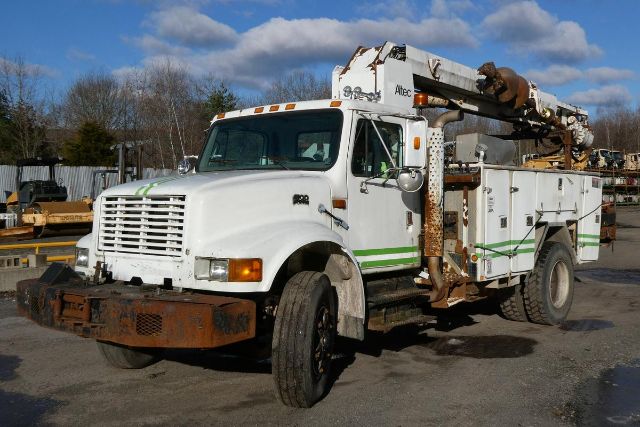
Selling a international digger - derrick truck? List your international digger - derrick truck for sale and reach thousands of commercial buyers.
International Digger - Derrick Trucks in New York
Boom and hydraulic performance define productivity. Common specs include 20,000 to 30,000 ft lb auger torque, 10,000 to 15,000 lb line pull, and 40 to 65 ft sheave height. Insulated categories are often C or D, important when working near energized lines. Thermal integrity is critical for cycle speed and seal life, so prioritize hydraulic oil coolers sized for summer heat, return line filtration, and cold weather kits with tank heaters and low temp fluids for Northeast winters. A26 or Cummins L9 engines with Allison automatics and live PTO deliver steady flow at low rpm, and dual stage pumps with proportional controls provide precise feathering around congested streets and rights‑of‑way.
Tare weight drives payload and compliance. Steel bodies and full ladder racks are rugged, but aluminum beds, composite toolboxes, and polymer outrigger pads can cut 800 to 1,200 lb while resisting corrosion. Balance weight savings against stability, heavier subframes and wider outrigger spreads improve chart capacity but add mass. Place accessories low and centered to reduce sway, and verify axle ratings, suspension capacity, and tire load indexes match the gross rating of the derrick. Corrosion resistance is a high priority in New York, look for e‑coated frames, hot dip galvanized subframes, stainless fasteners, sealed Deutsch connectors, underbody wax or epoxy coatings, and gelcoat fiberglass with UV inhibitors. Pay close attention to outrigger housing seams, step wells, and tool drawer slides, these are common rust points.
Spec to your work mix and New York conditions. Urban work favors 6x4 with shorter wheelbase, tight curb‑to‑curb turn, and lower overall height under 13 ft 6 in. Off‑road or storm response may justify 6x6, front axle drive, full‑locking diffs, and higher ground clearance. Check bridge law spacing, axle group weights, and bumper‑to‑axle distance to stay legal without permits, and confirm overall length with the chosen sheave height and pole claw stow. For reliability, choose factory PTO provisions, high capacity cooling, idle management, and telematics for remote diagnostics. Maintain dielectric integrity with periodic testing, follow ANSI A10.31 inspections, and schedule torque checks on pedestal bolts and outrigger pins to keep the chart in spec over the life of the truck.
Frequently Asked Questions about International Digger - Derrick Trucks in New York
What boom and auger specs are typical for International digger derrick trucks used in New York utility work?
Most fleet builds target 20,000 to 30,000 ft lb of auger torque, 10,000 to 15,000 lb main winch pull, and 40 to 65 ft sheave height. Urban distribution work often uses mid height charts around the low 50s for easier clearance and stow, while rural or storm roles may step up to higher sheave heights for longer poles. Verify pole claw capacity, dig depth with common 12 to 24 in flighting, and line speeds suitable for your crew’s workflow.
How should I balance tare weight and stability on a derrick body and subframe?
Use aluminum beds or composite toolboxes to reduce tare, but keep the derrick subframe, pedestal base, and outrigger boxes in heavy steel or galvanized assemblies for rigidity. Concentrate mass low and centered, specify wider outrigger spread where practical, and match suspension and axle ratings to the gross derrick load. This approach preserves chart performance while keeping payload for poles, pads, and tooling.
What corrosion protection is most important for New York road salt conditions?
Look for e‑coated or galvanized subframes, epoxy or wax undercoating, stainless hardware, sealed harness connectors, and powder coated or gelcoat surfaces with UV protection. Pay special attention to outrigger boxes, pedestal bases, step wells, and tool compartments, these trap salt brine. Drains, seam sealing, and regular freshwater rinsing extend service life. Aluminum beds and composite boxes add additional resistance to rust.
Should I choose 6x4 or 6x6 for mixed urban and off‑road work in the Northeast?
A 6x4 is lighter and turns tighter, ideal for city streets and bridge approaches. A 6x6 adds traction and ground clearance for right‑of‑way access, storm restoration, and winter sites, but increases tare and ride height. If you split time, consider 6x4 with full‑locking rears, on‑spot chains, and aggressive tread, or move to 6x6 when soft ground and grades routinely limit production.
How does the International chassis support PTO and hydraulic thermal integrity on a derrick?
International offers factory PTO provisions on Allison automatics and manual transmissions, high capacity cooling packages, and programmable idle management to maintain hydraulic flow without excessive fuel burn. Pair the chassis with a derrick package that includes correctly sized pumps, oil coolers, return filtration, and cold weather kits so fluid temperatures stay in range, boom speeds remain consistent, and seals last longer in both summer heat and winter cold.