
Hooklift Trucks For Sale in Colorado
Browse hooklift trucks for sale in Colorado. Compare hoist capacity, container lengths, GVWR, PTO setup, tarp systems, and CDL class needs.
No exact matches found for your search
Showing Hooklift Trucks instead.
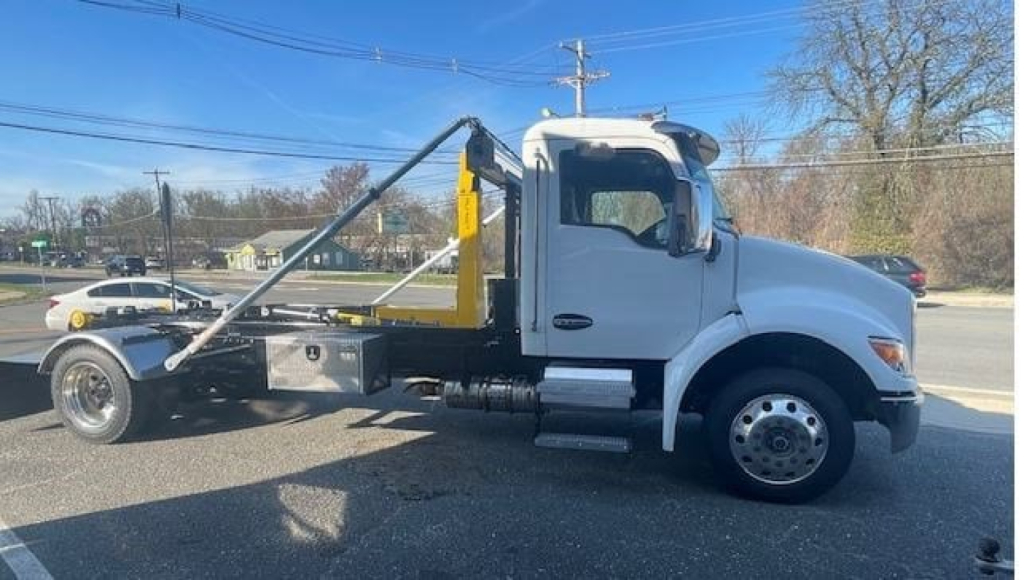
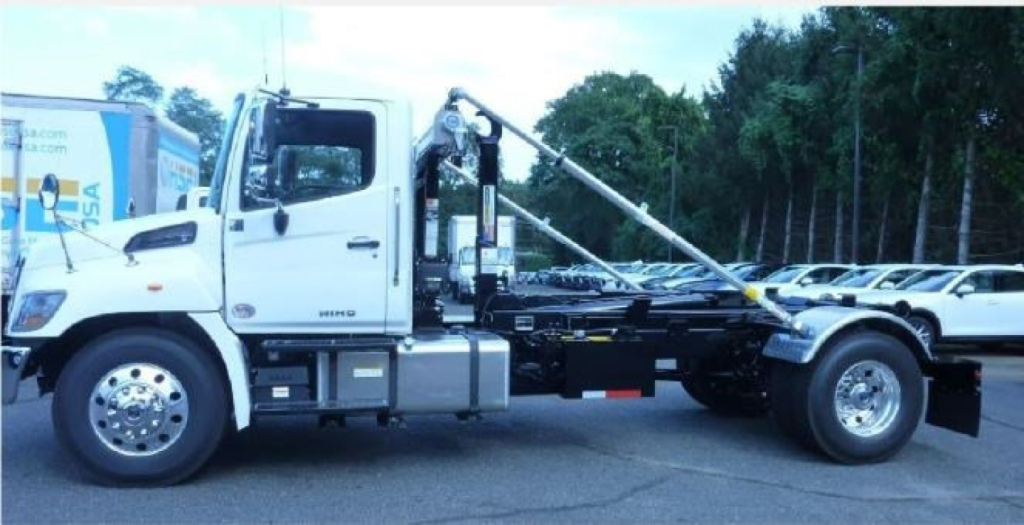
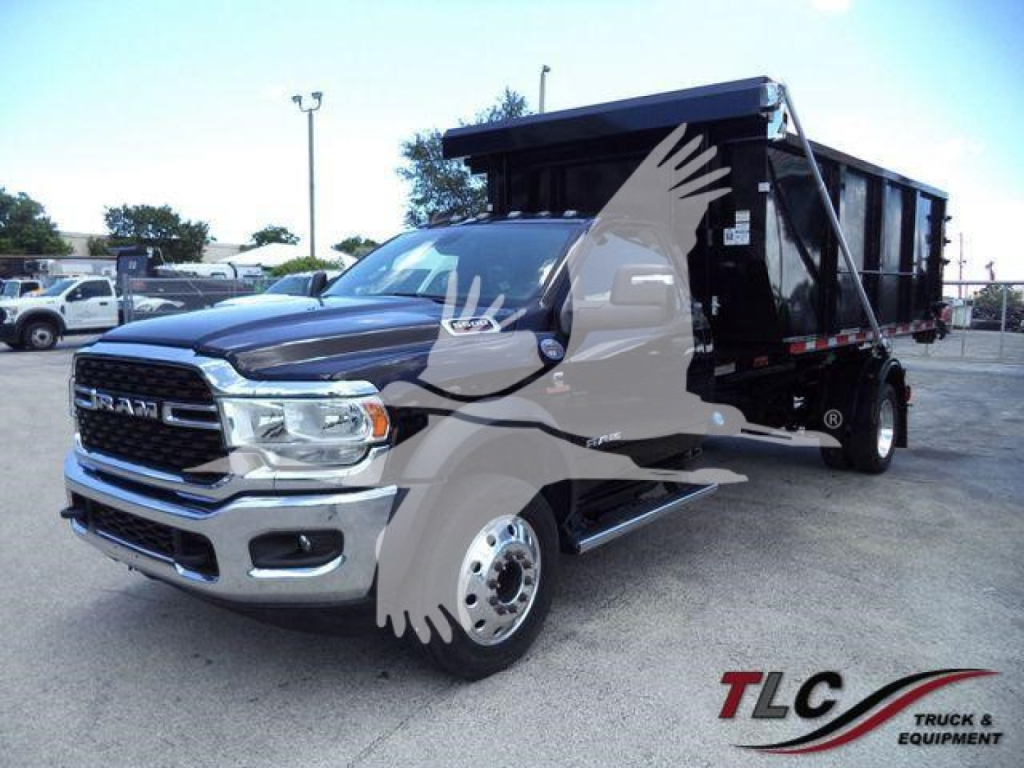
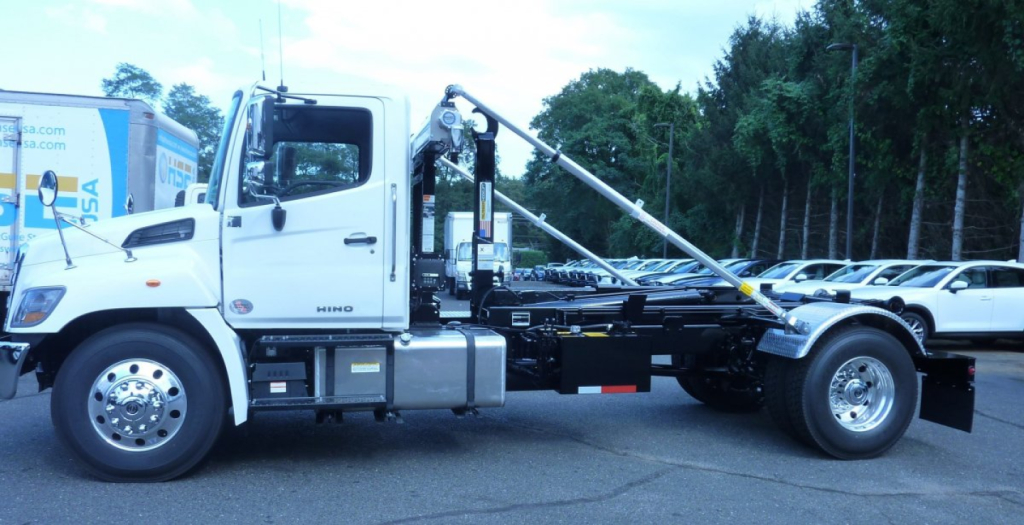
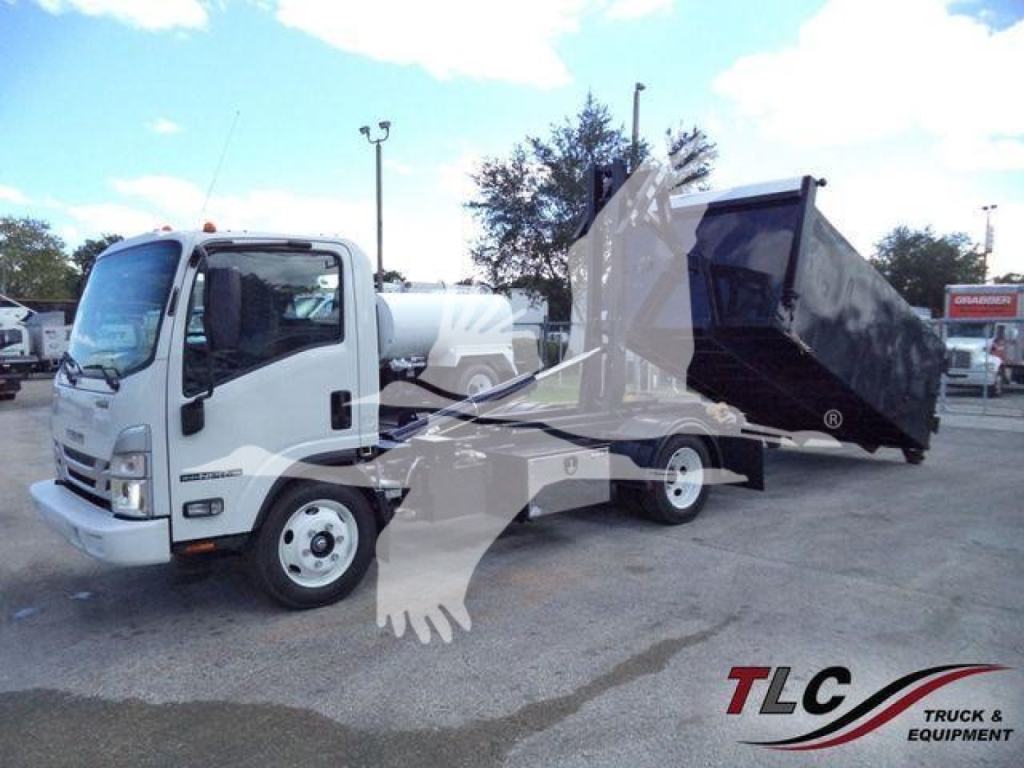
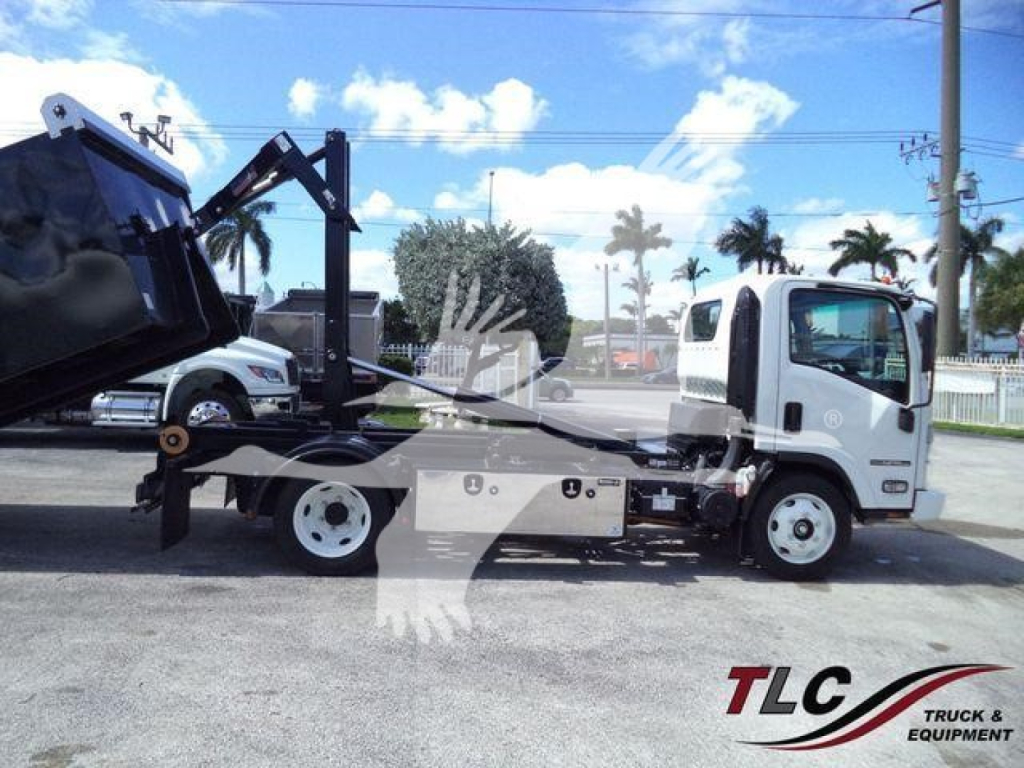
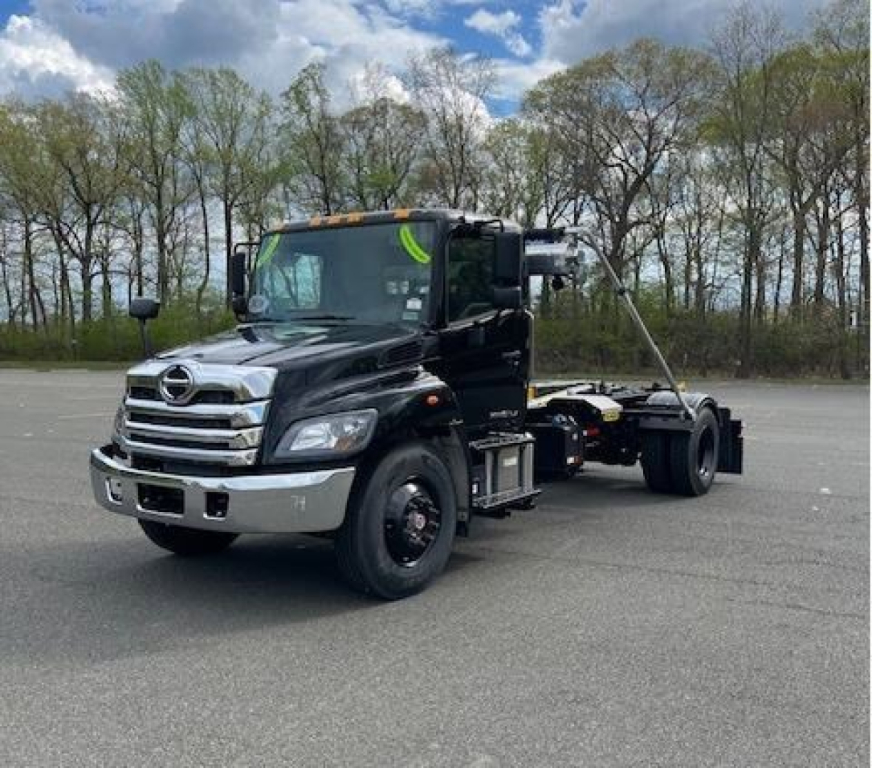
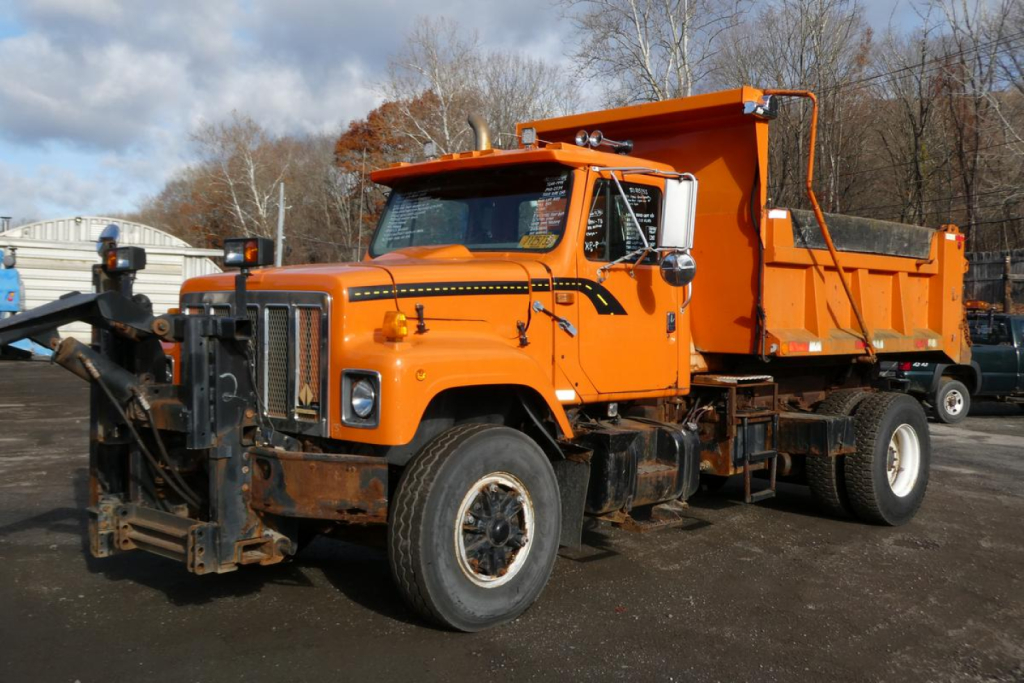
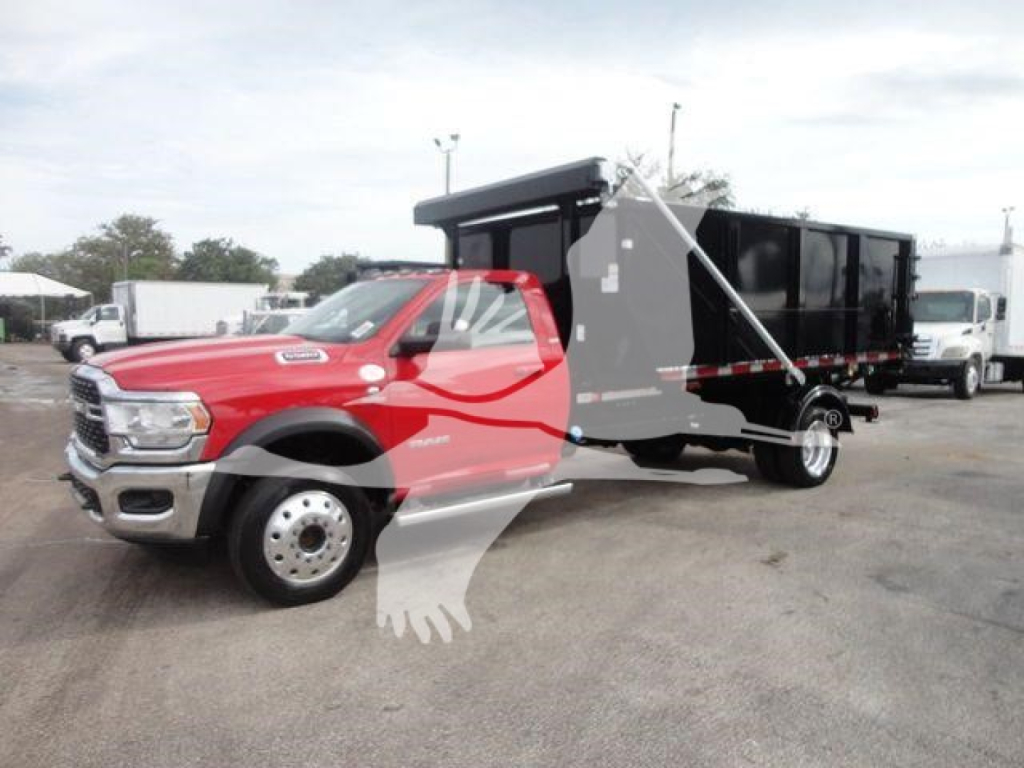
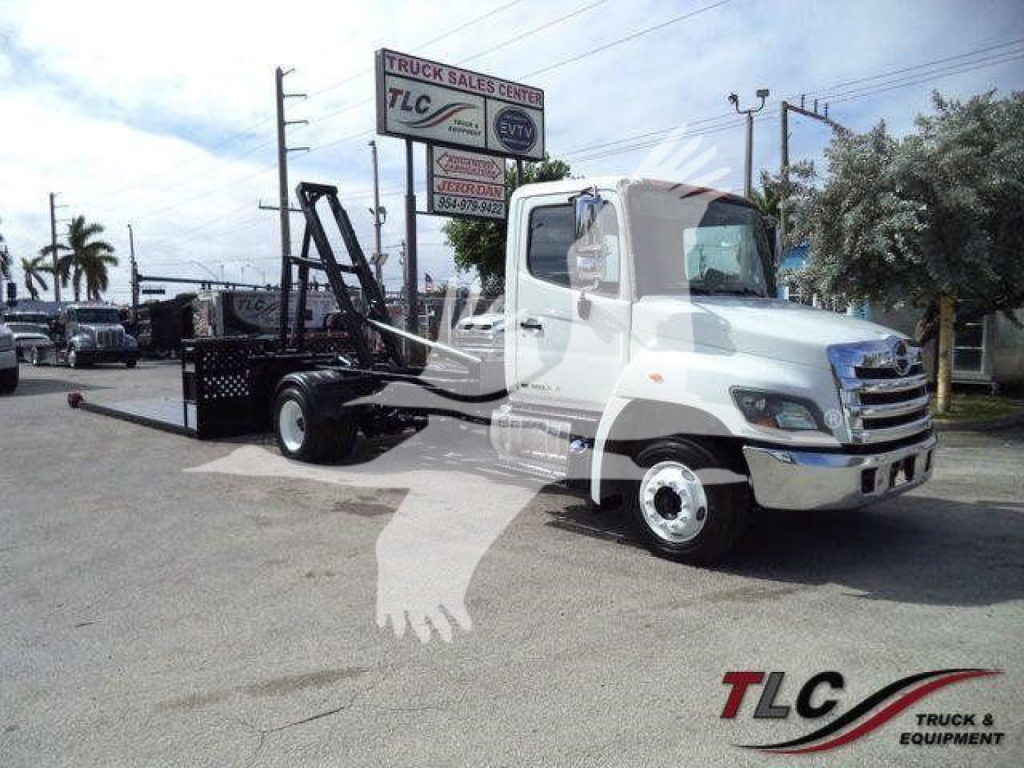
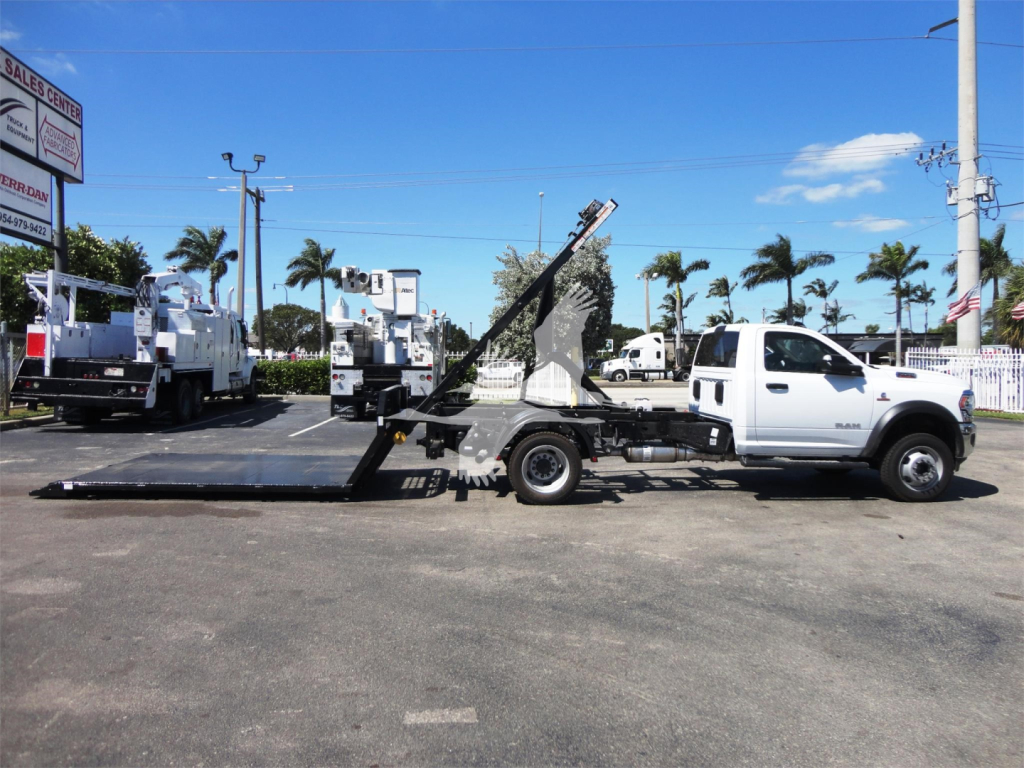
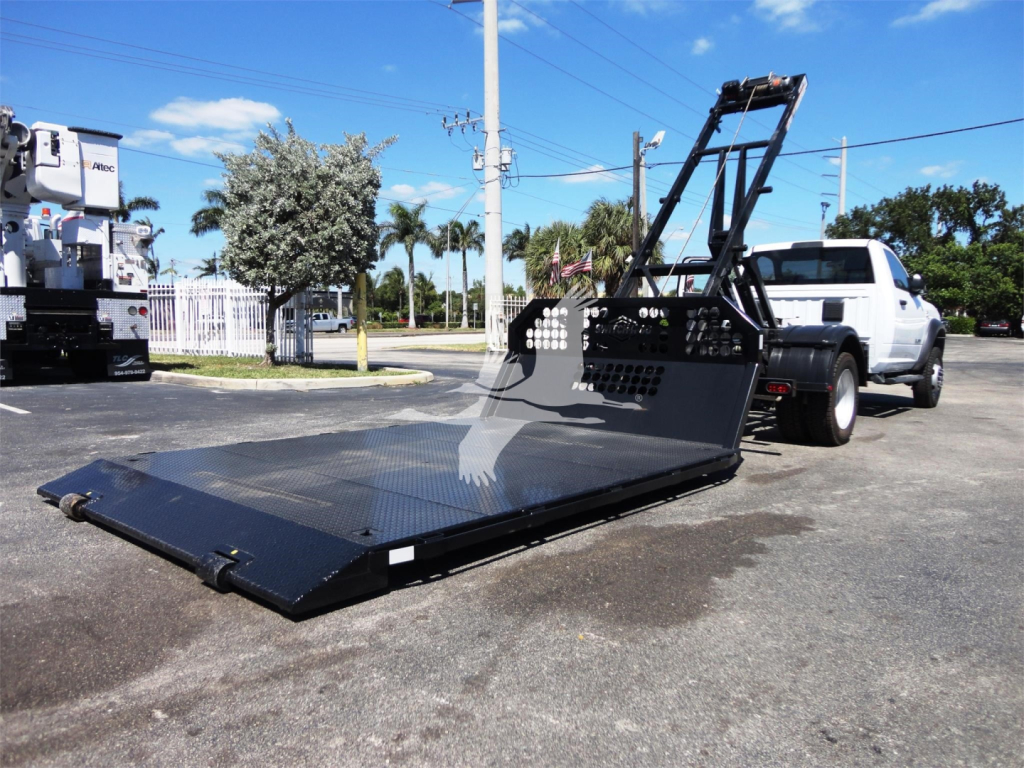

Selling a hooklift truck? List your hooklift truck for sale and reach thousands of commercial buyers.
Hooklift Trucks in Colorado
One of the first decisions is matching hoist capacity and usable container length to the work. Common medium-duty hooklift trucks are set up around Class 6 and Class 7 chassis with GVWRs near 26,000 to 33,000 pounds, often on single-axle configurations. Non-CDL 33,000-lb GVWR setups are especially popular because they maximize legal capacity while avoiding the next license step in many operations. Buyers should look closely at hook capacity, wheelbase, cab-to-axle dimension, and intended body lengths. A short wheelbase improves maneuverability on tight jobsites and alleys, while a longer frame may be better for longer cans or flatbed attachments. PTO-driven hydraulic systems, automatic transmissions, and diesel engines in the 260 to 330 horsepower range are common on this class.
Body compatibility matters as much as chassis spec. Hook height, body rail width, container length range, and rear roller setup all need to match the bodies you plan to use. Many buyers also prioritize tarp systems for debris containment, toolboxes for chain and binder storage, backup or body cameras, and lighting packages for early-morning or winter operations. If the truck will spend time in mountain corridors or on Front Range stop-and-go routes, pay attention to rear axle rating, suspension, gearing, brake type, and cooling performance. Colorado fleets often value durable spring suspensions, strong low-speed gradeability, and simple hydraulic systems that are easy to service in mixed urban and off-pavement conditions.
The main advantage of a hooklift truck is utilization. One truck can handle a dumpster route in the morning, a material body in the afternoon, and a flatbed attachment when needed, which can lower total fleet count and improve asset turnover. For buyers comparing listings, the most important details are the actual hoist model, rated lifting capacity, inside and outside body length range, hydraulic and PTO configuration, axle ratings, and whether the truck is set up for CDL or non-CDL operation. A well-matched hooklift package delivers fast body changeovers, better jobsite independence, and more revenue options from a single truck platform.
Frequently Asked Questions about Hooklift Trucks in Colorado
What is a hooklift truck used for?
A hooklift truck is used to load, unload, and swap interchangeable bodies or containers on a single chassis. Common uses include waste hauling, recycling, scrap, construction debris, landscape supply delivery, municipal maintenance, and snow or ice control. The main benefit is that one truck can perform several jobs by changing bodies instead of dedicating a separate truck to each application.
What should I check to make sure a hooklift truck will fit my containers?
The key fit points are hook height, container or body length range, rail width, rear roller compatibility, and the hoist’s rated capacity. Wheelbase and cab-to-axle dimension also affect which bodies the truck can safely handle. A truck may have enough lifting power but still be a poor match if the body geometry does not align with the hoist system. Buyers should confirm the truck and body specifications together before purchase.
Are hooklift trucks available in non-CDL configurations?
Yes. Many medium-duty hooklift trucks are built to a 33,000-lb GVWR, which is a common non-CDL threshold for straight trucks in many operations. This setup is popular because it balances payload, body flexibility, and driver availability. Actual legal requirements depend on total vehicle rating, body weight, payload, and state or federal rules, so buyers should verify compliance for their specific operation.
What chassis specs matter most on a hooklift truck in Colorado?
In Colorado, buyers often focus on GVWR, front and rear axle ratings, suspension type, rear axle ratio, transmission, and brake system because elevation changes and mixed terrain put more demand on the truck. A properly geared truck with adequate cooling, strong low-speed pulling power, and stable suspension will perform better on grades, in stop-and-go traffic, and on uneven jobsites. Ground clearance and traction are also important for fleets that work outside paved urban routes.
What are the advantages of a hooklift truck compared with a dedicated roll-off or dump truck?
A hooklift truck offers more versatility because it can use different bodies on the same chassis. That can improve truck utilization, reduce idle equipment, and let a fleet respond to seasonal or changing work without buying a separate unit for each task. Dedicated trucks can still make sense for very high-volume single-purpose operations, but a hooklift is often the more flexible choice for contractors, municipalities, and mixed-service fleets.