
Hino Refrigerated Trucks For Sale in New York
Shop Hino refrigerated trucks with insulated van bodies, diesel power, and reefer units suited for food, floral, and cold-chain delivery.
No exact matches found for your search
Showing Refrigerated Trucks in New York instead.
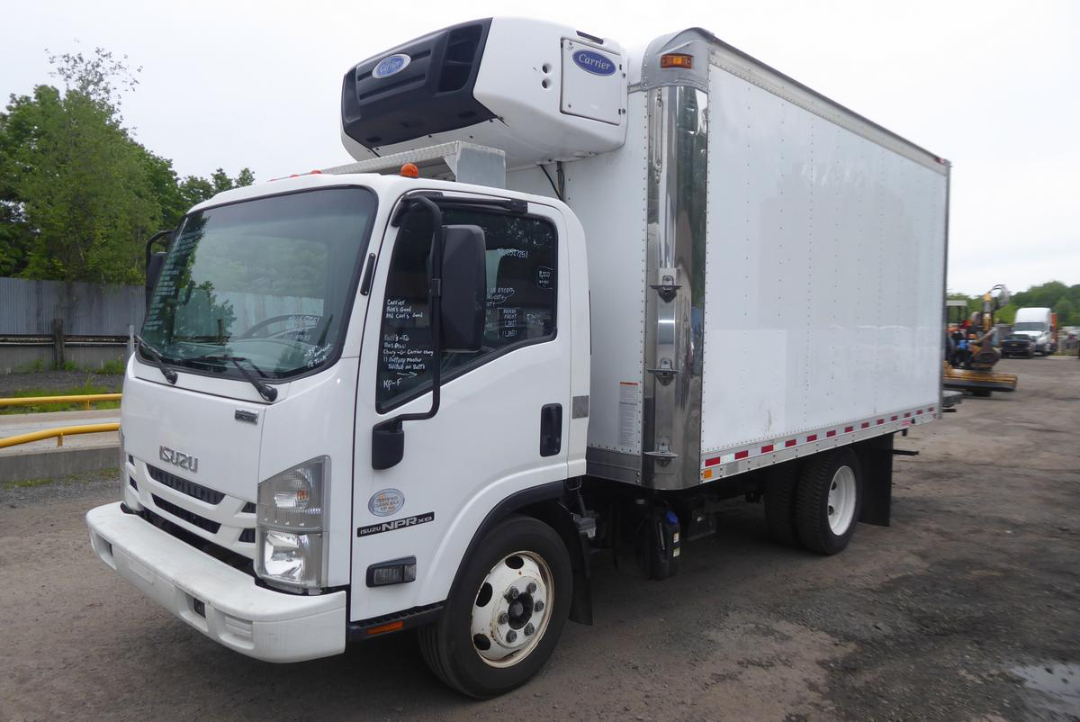

Selling a hino refrigerated truck? List your hino refrigerated truck for sale and reach thousands of commercial buyers.
Hino Refrigerated Trucks in New York
A lot of the buying decision comes down to body and reefer specs, not just the chassis. Look closely at box length, wall thickness, door configuration, floor construction, and unit temperature range. A 12-foot to 18-foot refrigerated body is common in this class, with features such as duct floors, scuff liners, stainless door frames, interior bulkheads, and roll-up rear doors or side doors depending on stop frequency and product type. Reefer performance matters most when the truck spends all day opening and closing in traffic. Pay attention to operating hours on the refrigeration unit, electric standby capability, multi-temp capability if needed, and whether the body is set up for frozen, chilled, or dual-zone service.
On the chassis side, Hino trucks are known for efficient diesel engines, straightforward serviceability, and driver-friendly cabs. Buyers often compare horsepower, GVWR, wheelbase, and rear axle ratio to match the route. For city delivery, an automatic transmission, tighter wheelbase, and single-axle setup are common. For heavier payloads or denser product, rear axle rating and suspension type become more important. In New York, route density, bridge laws, and tight urban access can push buyers toward compact cabover-style refrigerated trucks that still offer enough cube for profitable multi-stop delivery. Tire size, liftgate fitment, dock height, and reefer fuel tank capacity also deserve attention because they affect daily usability more than brochure specs suggest.
Condition matters differently on a refrigerated truck than on a dry van straight truck. The reefer unit, insulation integrity, door seals, floor wear, and evaporator condition are just as important as engine and transmission health. A pre-purchase inspection should include a pull-down test, temperature hold test, and a close check for moisture intrusion, patched panel damage, and corrosion around the body openings. Service records for both the truck and the refrigeration unit carry real value. A well-matched Hino refrigerated truck can be a dependable platform for high-frequency delivery routes, especially when the chassis, body, and cooling system are spec'd together for the cargo profile and stop pattern.
Frequently Asked Questions about Hino Refrigerated Trucks in New York
What should I check first on a used Hino refrigerated truck?
Start with the refrigeration system and the insulated body, then move to the chassis. A reefer unit should pass a pull-down test and hold temperature under load conditions. Check operating hours, service history, compressor condition, evaporator performance, and door seal integrity. On the body, inspect the floor, corners, roof, and door frames for moisture intrusion, soft spots, delamination, and impact damage. After that, review normal truck items like engine health, transmission operation, suspension, brakes, and tire wear.
Are Hino refrigerated trucks good for city delivery in New York?
Yes, many Hino refrigerated trucks are well suited for urban delivery because they are commonly built as medium-duty straight trucks with compact dimensions, strong visibility, and good maneuverability. Cabover and low-cab-forward configurations are especially useful in tight borough streets, alleys, and crowded loading zones. Buyers should still confirm overall height, body length, axle ratings, and liftgate clearance to make sure the truck fits the route and any building access restrictions.
What reefer body features matter most on a Hino refrigerated truck?
The most important body features depend on the cargo, stop count, and temperature target. Buyers usually focus on box length, insulation thickness, floor design, and door setup first. Duct floors help airflow, scuff liners protect the walls, and stainless door frames hold up better in frequent-use applications. If the route includes frozen goods or mixed loads, look closely at unit capacity, bulkhead setup, and whether the truck has multi-temp capability or electric standby.
How do I choose the right size Hino refrigerated truck?
Match the truck to both payload and cube, not just one or the other. Dense products like dairy, meat, or beverages can max out axle ratings before the body is full, while lighter packaged foods may require more cube than weight capacity. Wheelbase, GVWR, rear axle rating, and body length all need to work together. For multi-stop urban work, a shorter body may improve access and turnaround time, while regional routes may justify more box length and reefer fuel capacity.
Do reefer unit hours matter as much as engine miles?
Yes, reefer hours are a major value factor because the refrigeration unit is doing its own work separate from the truck engine. A truck can have acceptable chassis miles but still need reefer repairs if the unit has high hours or poor maintenance history. Buyers should compare reefer hours, verify service intervals, and ask whether major components such as the compressor, condenser, evaporator, and control system have been repaired or replaced. A refrigerated truck is only as dependable as its cooling system.