
Fuso Cabover Trucks For Sale
Browse Fuso cabover trucks built for tight routes, urban delivery, and efficient body upfitting with diesel power and compact maneuverability.
No exact matches found for your search
Showing Cabover Trucks instead.
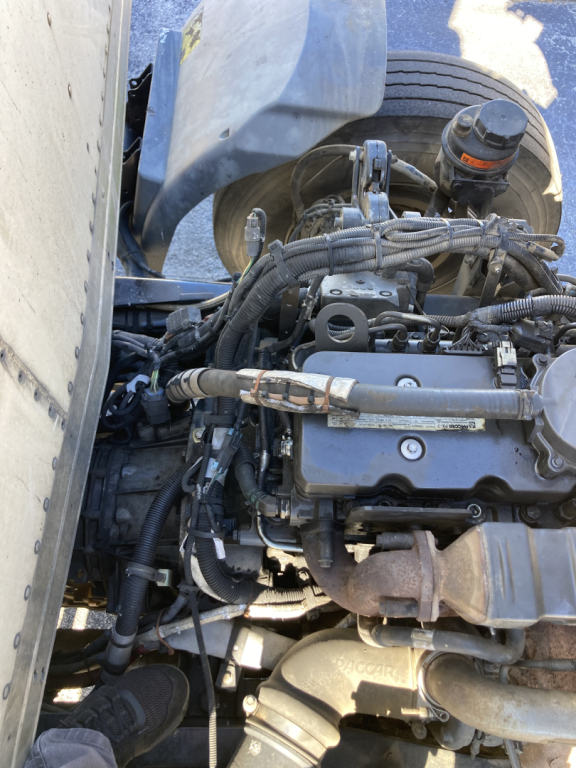
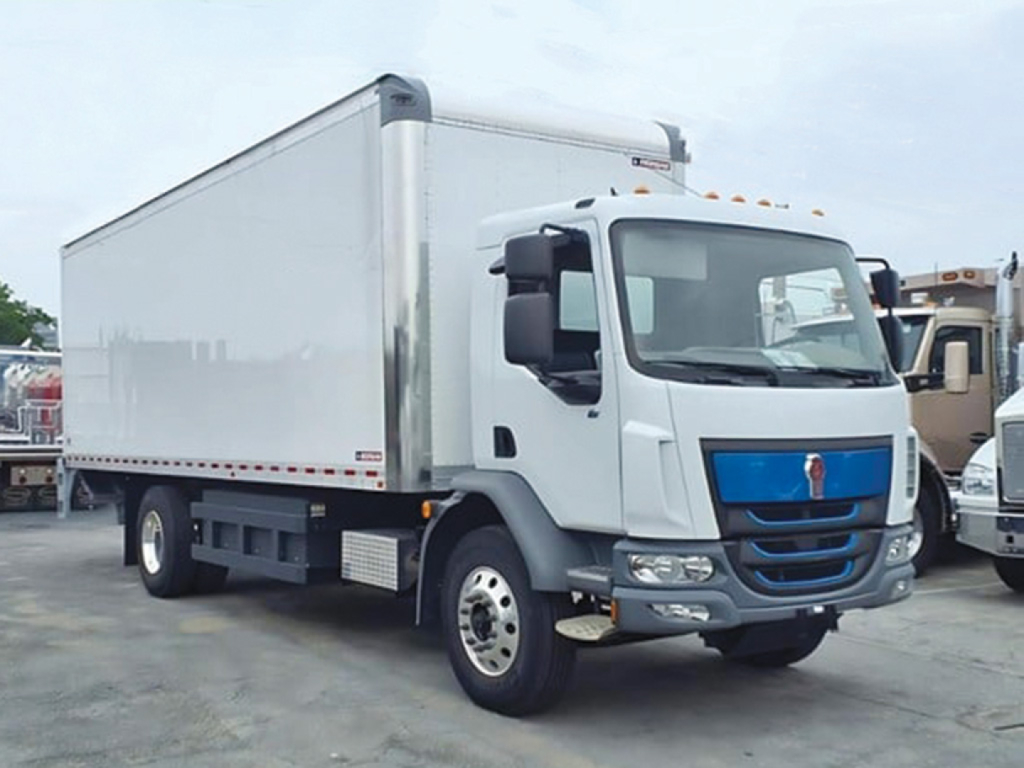
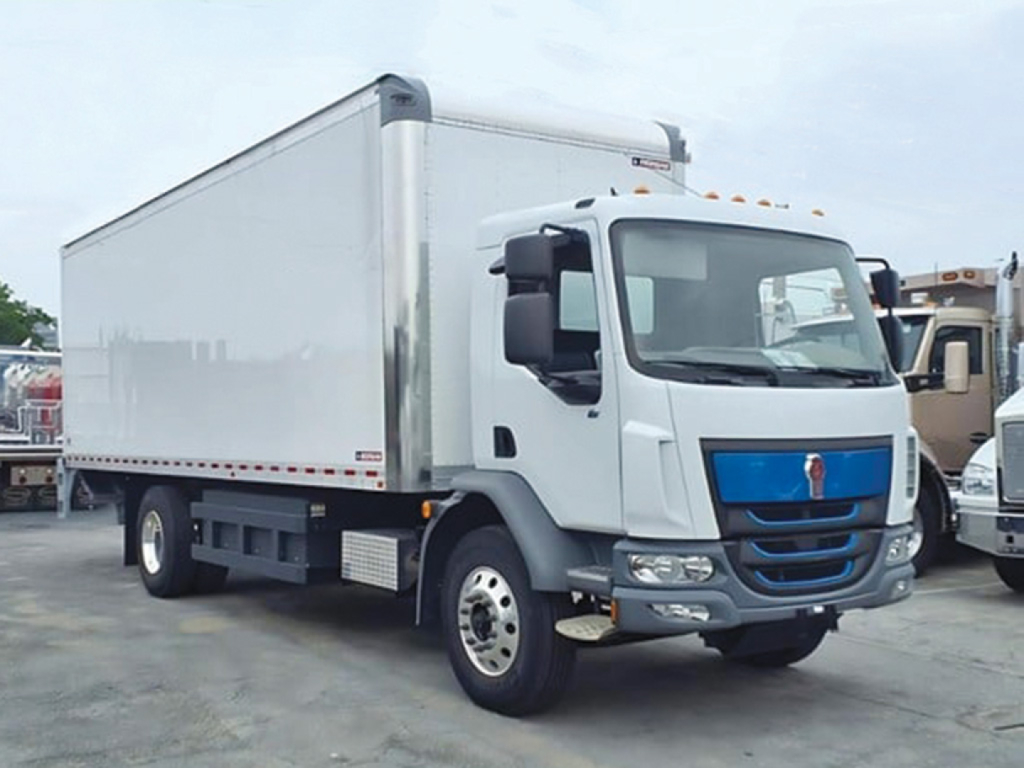
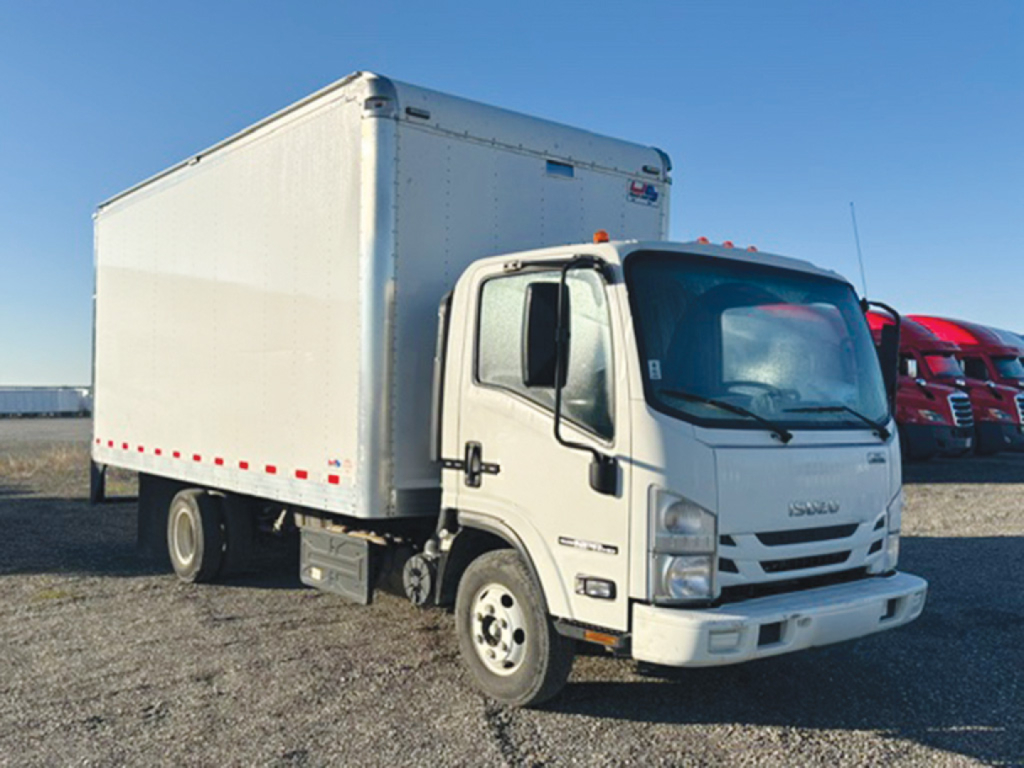
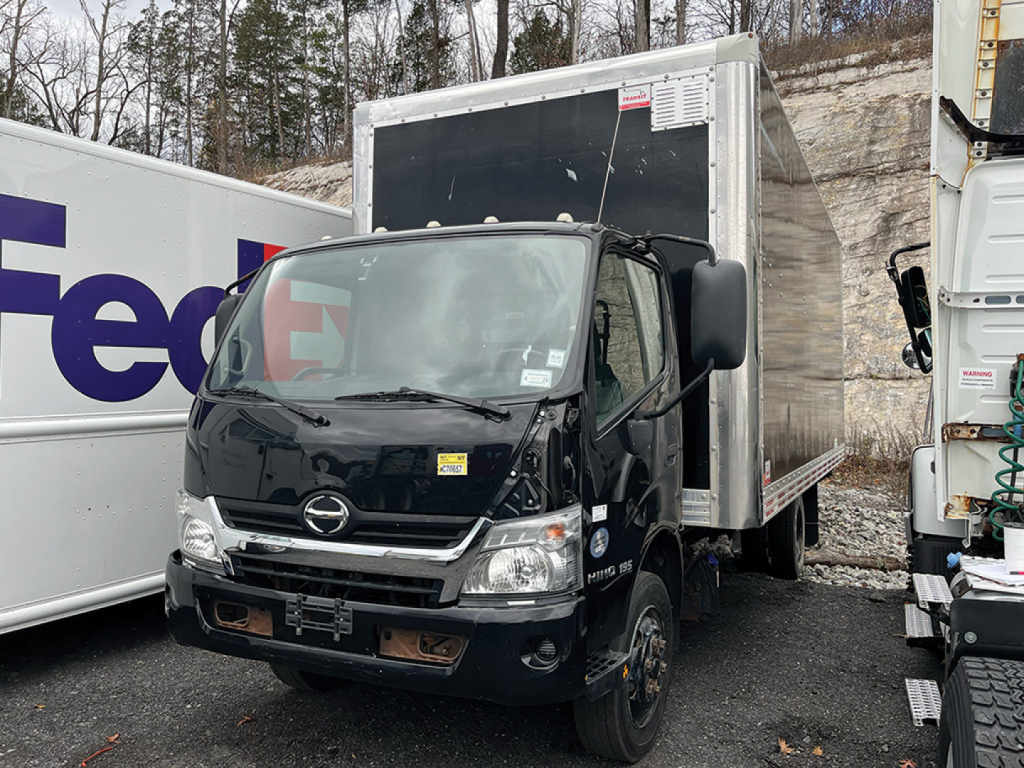
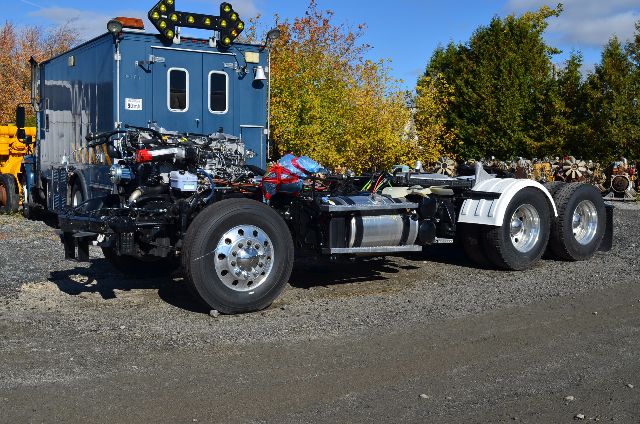
Selling a fuso cabover truck? List your fuso cabover truck for sale and reach thousands of commercial buyers.
Fuso Cabover Trucks
Buyers usually start with GVWR, wheelbase, and body compatibility. Common Fuso FE-series configurations are used for van bodies, refrigerated boxes, stake beds, flatbeds, dump bodies, and service bodies. Diesel models are popular for stop-and-go regional work because they balance payload, fuel economy, and durability, while automatic transmissions are common in fleet service due to easier driver onboarding and reduced fatigue in urban routes. If the truck already has a box or specialized upfit, check inside dimensions, door style, liftgate rating, floor condition, e-track, scuff liners, and whether the wheelbase is well matched to the body length.
Cabover design changes the ownership equation in a few practical ways. Service access is typically handled through a tilting cab, which can simplify engine access compared with some conventional medium-duty trucks. The short hoodless layout also improves curb-to-curb maneuverability, but ride feel and cab entry are different from a conventional chassis, so driver preference matters if the truck will run longer suburban or regional routes. Pay close attention to axle ratings, rear gear ratio, suspension type, brake setup, tire size, and PTO or auxiliary equipment needs if the truck will carry a dump, reefer unit, or hydraulic lift.
A well-matched Fuso cabover truck can be a strong fit for operations that need body capacity without giving up maneuverability. The best buying decision usually comes down to route type, payload profile, and body spec more than model year alone. For delivery fleets, final-mile contractors, and specialty body users, the key questions are simple: does the chassis have the right GVWR, does the wheelbase support the intended body correctly, and does the cabover layout improve efficiency on the streets and job sites where the truck will actually work.
Frequently Asked Questions about Fuso Cabover Trucks
What are Fuso cabover trucks best used for?
Fuso cabover trucks are commonly used for urban and regional delivery, box truck service, refrigerated distribution, moving, landscaping, and other applications where maneuverability is critical. Their cab-over-engine layout allows more body length within a shorter overall truck length, which is valuable on tight streets, alleys, loading docks, and crowded commercial areas.
What should I check when buying a used Fuso cabover truck?
Focus first on GVWR, wheelbase, axle ratings, and the condition of the body or upfit. On van bodies and reefers, inspect the floor, scuff plates, e-track, door hardware, roof, and liftgate capacity. On the chassis side, review engine service history, transmission operation, cab tilt function, suspension wear, brake condition, tire wear patterns, and any signs that the truck has been overloaded or poorly matched to its body length.
Are Fuso cabover trucks easier to maneuver than conventional trucks?
Yes. A Fuso cabover typically has a shorter bumper-to-back-of-cab measurement than a conventional medium-duty truck, which helps reduce overall length and improve turning in tight spaces. That makes them especially useful for multi-stop delivery routes, downtown work, and facilities with restricted yard space or difficult dock approaches.
What body types are commonly mounted on a Fuso cabover chassis?
Common body types include dry van bodies, refrigerated bodies, flatbeds, stake beds, dump bodies, and service or utility bodies. The right chassis depends on body length, payload, center-of-gravity requirements, and any auxiliary systems such as liftgates, refrigeration units, or PTO-driven equipment. Matching the wheelbase and frame capacity to the body is one of the most important parts of the purchase decision.
Do Fuso cabover trucks make sense for fleet delivery work?
They often do, especially in metro and suburban delivery fleets. Automatic transmissions, compact dimensions, strong visibility, and efficient body packaging make them practical for stop-and-go operations with frequent driver entry and exit. Fleet buyers should still compare maintenance support, parts availability, payload needs, and driver acceptance against the route profile before standardizing on any cabover platform.