
Used 1993 Caterpillar Wheel Loaders For Sale in New York
Browse used 1993 Caterpillar wheel loaders for sale in New York. Compare IT28F specs, bucket setups, hours, tires, hydraulics, and cab features.
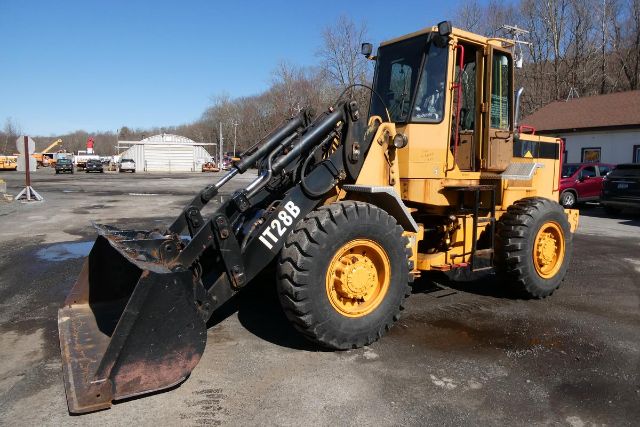
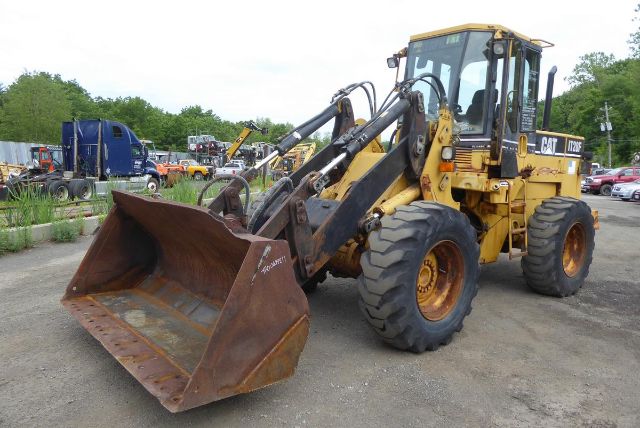
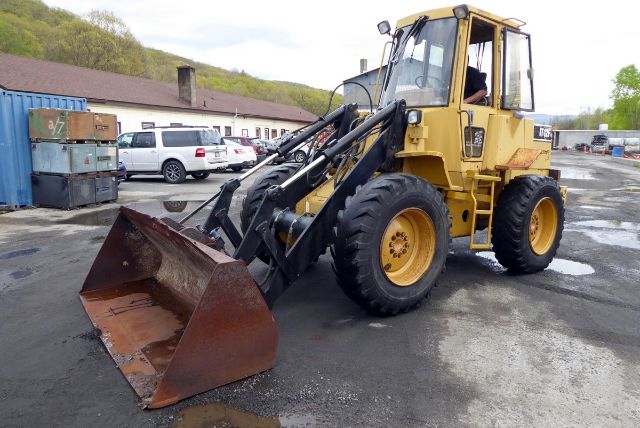
Selling a used 1993 caterpillar wheel loaders? List your used 1993 caterpillar wheel loaders for sale and reach thousands of commercial buyers.
Used 1993 Caterpillar Wheel Loaders in New York
On a 1993 Caterpillar wheel loader, expect operating weights in the mid-20,000-pound range on larger toolcarrier models, with diesel engines around the 125 hp class and automatic transmissions commonly configured as 4-speed units. Tire size, bucket width, and coupler dimensions matter more than many buyers expect because these machines are often purchased to fit into an existing attachment fleet. Listings in this category commonly show general purpose buckets, hydraulic quick disconnects, enclosed cabs, and occasionally a 3rd valve for grapples or other hydraulic tools. In New York, an enclosed cab with working heat carries real value for winter snow and cold-weather material handling. Tire type is also worth checking closely, since air-filled and foam- or fluid-filled tires change ride quality, stability, and replacement cost.
Condition on a used 1993 Caterpillar loader should be judged by wear points, not just by hour meter reading. Look closely at boom pins and bushings, center articulation, loader arm cracks or repairs, cylinder seepage, and bucket edge wear. On older Caterpillar machines with mechanical diesel engines, many buyers like the serviceability and simpler electronics, but that advantage only holds if the machine starts cleanly, builds hydraulic power properly, and moves through gears without hesitation. A loader that runs well but has loose pins, weak brakes, or poor tires can become expensive quickly. Cab condition also matters more than it seems. Broken glass, weak HVAC, nonworking gauges, and seat wear often point to the overall level of care the machine received.
For buyers comparing multiple used Caterpillar wheel loaders, the best approach is to match the machine to the material and duty cycle. A toolcarrier-style loader can be more versatile than a straight bucket machine if fork work, pallet handling, or seasonal attachment changes are part of the job. Bucket capacity, lift geometry, breakout force, turning radius, and transport width should all be checked against your site conditions. In tighter New York yards, width and overall height may matter as much as lift capacity. Caterpillar wheel loaders from this era remain popular because parts support is generally strong, the machines are straightforward to service, and a well-kept unit can still deliver productive loading performance in construction, agriculture, recycling, municipal, and snow-removal applications.
Frequently Asked Questions about Used 1993 Caterpillar Wheel Loaders in New York
What should I inspect first on a used 1993 Caterpillar wheel loader?
Start with the articulation joint, boom pins and bushings, transmission operation, hydraulic cylinder condition, and tire wear. These areas usually tell you more about actual machine condition than the paint or the hour meter alone. On a 1993 Caterpillar loader, also check for frame repairs, bucket or coupler wear, brake performance, and cold-start behavior. A machine that starts easily, shifts cleanly, and has tight front-end components is generally a stronger candidate than one with lower indicated hours but obvious structural or hydraulic wear.
What is the difference between a Caterpillar wheel loader and a Caterpillar integrated toolcarrier like the IT28F?
A standard wheel loader is usually optimized around bucket loading and material movement, while an integrated toolcarrier is designed to use a wider range of attachments efficiently. Models such as the Caterpillar IT28F are commonly equipped with a quick coupler and can switch between buckets, forks, grapples, and other tools. For buyers who handle pallets, bulk material, and seasonal work with one machine, the toolcarrier layout can offer better versatility than a conventional loader setup.
Are 1993 Caterpillar wheel loaders still practical for snow and yard work in New York?
Yes, if the machine is mechanically sound and equipped for the job. In New York, older Caterpillar wheel loaders are often used for snow removal, salt handling, yard loading, and landscape material work because they combine good pushing power with attachment flexibility. An enclosed cab with functioning heat is especially important in this region. Buyers should also pay attention to tire condition, visibility, hydraulic response, and bucket or pusher compatibility before putting an older loader into winter service.
How important are bucket and coupler dimensions on a used Caterpillar wheel loader?
They are critical because attachment compatibility directly affects productivity and ownership cost. On older Caterpillar wheel loaders, many buyers assume a bucket or fork setup will interchange easily, but coupler measurements, pin diameters, and plate dimensions can vary. Confirming bucket width, cubic-yard capacity, cutting edge style, and coupler geometry helps avoid extra fabrication or the cost of replacing otherwise usable attachments. This is especially important on toolcarrier models that are bought specifically for multi-attachment use.
What are common advantages of older Caterpillar wheel loaders with mechanical diesel engines?
Older Caterpillar wheel loaders are often valued for simpler mechanical fuel systems, straightforward service access, and broad familiarity among independent mechanics and owner-operators. Machines from the early 1990s can be easier to troubleshoot than later electronically controlled units, especially in seasonal or lower-hour applications. That said, simplicity does not eliminate wear-related costs, so the real advantage comes when the engine, hydraulics, driveline, and front linkage have been maintained well over time.