
Used 1993 Caterpillar Wheel Loaders For Sale
Shop used 1993 Caterpillar wheel loaders. Compare Cat loader specs, bucket setups, drivetrain, tire size, cab options, and application fit.
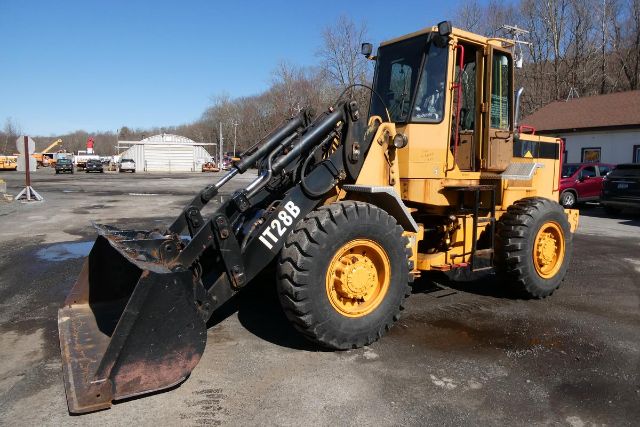
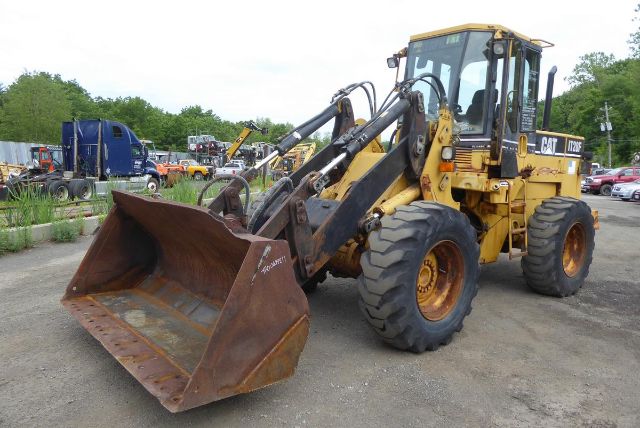
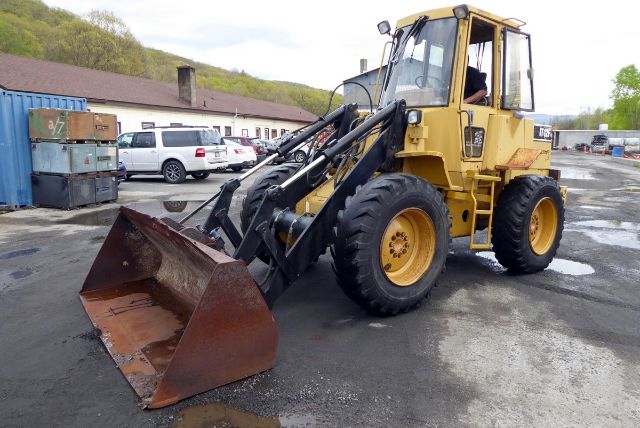
Selling a used 1993 caterpillar wheel loaders? List your used 1993 caterpillar wheel loaders for sale and reach thousands of commercial buyers.
Used 1993 Caterpillar Wheel Loaders
The biggest buying decision is usually configuration, not brand reputation. A standard wheel loader setup is best for bulk loading and stockpile work, while an integrated tool carrier model can be more versatile for operations that switch between buckets, forks, and other hydraulic attachments. Quick couplers, third-valve plumbing, and fork compatibility add real value if the machine will be used around pallets, pipe, feed, or yard materials. Bucket width, edge condition, and linkage wear deserve close attention because a worn bucket, loose pins and bushings, or a poor center pin can turn a good-running loader into an expensive reconditioning project. On a 1993 machine, attachment flexibility and front linkage condition often matter as much as engine hours.
Powertrain condition is where older Caterpillar wheel loaders separate themselves. Many 1993-era Cat machines use mechanical diesel engines and proven powershift or automatic transmissions, which can be an advantage for owners who prefer simpler diagnostics and field-serviceable systems. Buyers should still inspect for transmission seepage, axle noise, weak brakes, steering cylinder leaks, articulation joint wear, and hydraulic drift under load. Tire condition is another major cost point. A loader on 17.5-25 rubber may look affordable until replacement tire cost is factored in, especially if the tires are mismatched, foam-filled, or heavily weather-checked. Cab condition also matters more than it seems, since poor floors, weak heat, non-working A/C, or damaged glass can point to harder overall use.
A well-bought 1993 Caterpillar wheel loader can still deliver dependable service if the machine is matched to the job and inspected with age-related wear in mind. Focus on cold starts, blow-by, loader arm response, brake performance, articulation play, hydraulic quick-coupler function, and whether the machine carries the right bucket or fork package for your work. For buyers comparing older Cat loaders, the best value is usually the machine with documented maintenance, tight pins, usable tires, dry cylinders, and a clean operating history, not simply the lowest hour meter reading.
Frequently Asked Questions about Used 1993 Caterpillar Wheel Loaders
What should I check first on a used 1993 Caterpillar wheel loader?
Start with articulation and linkage wear, engine cold-start behavior, transmission engagement, brake function, and hydraulic response. On a 1993 loader, the center pin, bucket pins and bushings, steering cylinders, and quick-coupler components can tell you a lot about overall use. Tire condition is also critical because replacing 17.5-25 loader tires can add a substantial cost after purchase. A machine that starts clean, shifts correctly, holds hydraulic pressure, and feels tight in the front end is usually a better buy than one with a lower displayed hour reading but obvious structural wear.
Are 1993 Caterpillar wheel loaders good for pallet forks as well as bucket work?
Yes, but the right configuration matters. A 1993 Caterpillar integrated tool carrier or loader with hydraulic quick coupler and third-valve plumbing is much better suited for switching between a bucket and forks. That setup is useful for feed yards, pipe handling, lumber, supply yards, and mixed material operations. If the machine will spend a lot of time on forks, check lift geometry, fork carriage compatibility, front tire condition, and how much play is in the linkage, because looseness becomes more noticeable when handling palletized loads.
What engines are common in 1993 Caterpillar wheel loaders?
Common engines in this period include mechanical Caterpillar diesels such as the 3116 and 3204, depending on model size and configuration. These engines are popular with buyers because they are simpler than later emissions-era platforms and generally easier to diagnose without advanced electronic controls. Condition still matters more than engine model alone, so inspect for hard starting, excessive blow-by, oil seepage, coolant contamination, and uneven running under load.
How important are hours on a 1993 Caterpillar wheel loader?
Hours matter, but they are only one part of the evaluation on a machine this old. A loader with higher hours and strong maintenance history can be a safer purchase than a lower-hour unit with worn pins, weak brakes, poor tires, and hydraulic leaks. Hour meters on older equipment may not tell the full story, so buyers should judge wear at the articulation joint, pedals, cab interior, bucket edge, coupler, and loader linkage along with service records if available. Overall condition and evidence of upkeep usually carry more weight than the meter alone.
What size and class of work fits a 1993 Caterpillar wheel loader best?
Most 1993 mid-size Cat wheel loaders fit general loading, trucking yards, aggregate piles, farm and feed operations, snow removal, recycling, and light production work. Machines in the roughly 20,000 to 28,000-pound class with buckets around the 2 to 2.5 cubic yard range are versatile enough for many owner-operator and municipal applications. The best fit depends on lift needs, travel distance on site, attachment use, and whether the machine needs to prioritize breakout force or multi-purpose tool carrier capability.