
Used Equipment For Sale in Florida
Browse used equipment for sale in Florida including cranes, utility trucks, and work-ready machines with common specs, applications, and buying tips.
Selling a used equipment? List your used equipment for sale and reach thousands of commercial buyers.
Used Equipment in Florida
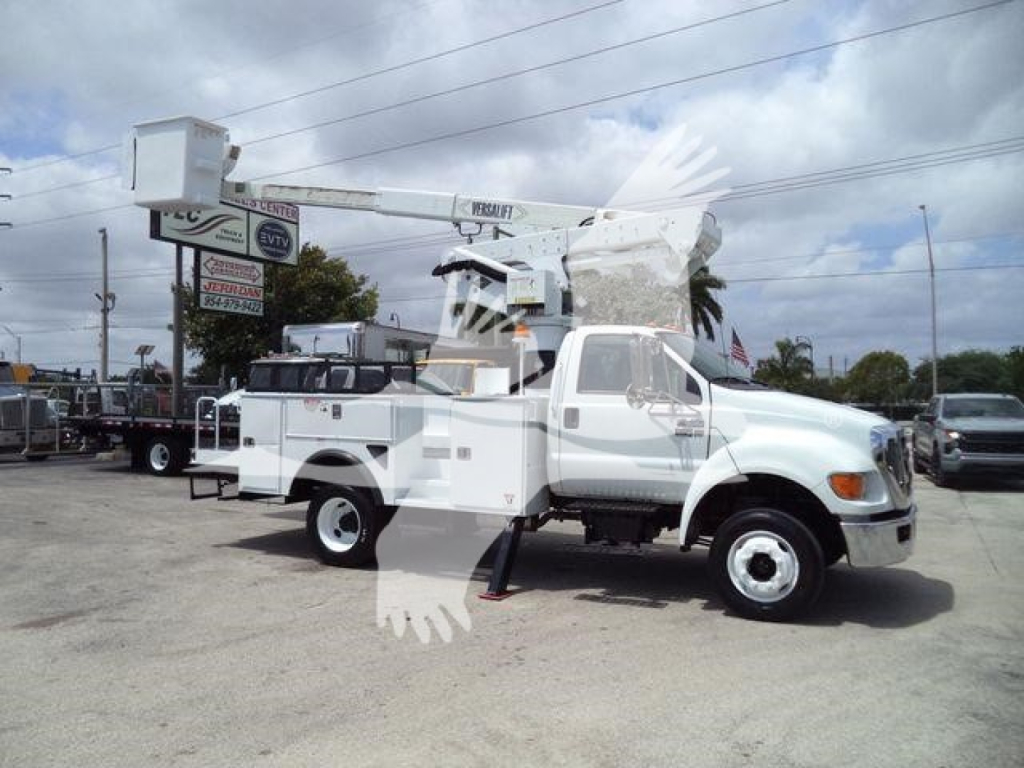
On used crane and aerial utility equipment, the most important decisions are often GVWR, CDL status, PTO configuration, and boom type. Many buyers target 26,000 GVWR non-CDL units for easier staffing and lower operating complexity, while heavier 33,000 GVWR-class trucks can offer more body capacity, stronger front axle ratings, and larger rear-mounted equipment. Common powertrains in this class include Cummins diesel engines paired with Allison automatic transmissions, along with gas-powered medium-duty chassis in some lighter bucket applications. Florida buyers should also pay attention to air brake versus hydraulic brake setups, wheelbase, rear axle ratio, and whether the body layout leaves enough room for tools, reels, material racks, and job-specific accessories.
Condition matters more than model year on specialized equipment. On a used boom or crane truck, buyers should look closely at maintenance records, annual dielectric testing on insulated units, hydraulic hose condition, cylinder seepage, turret operation, PTO engagement, and the structural condition of the boom, subframe, and outriggers. Utility bodies should be checked for compartment corrosion, latch wear, and floor damage from years of loading transformers, conduit, signs, or hardware. In Florida, coastal exposure can accelerate rust on hardware, outriggers, pins, and electrical connections even when the truck presents well cosmetically, so underbody inspection is worth the time.
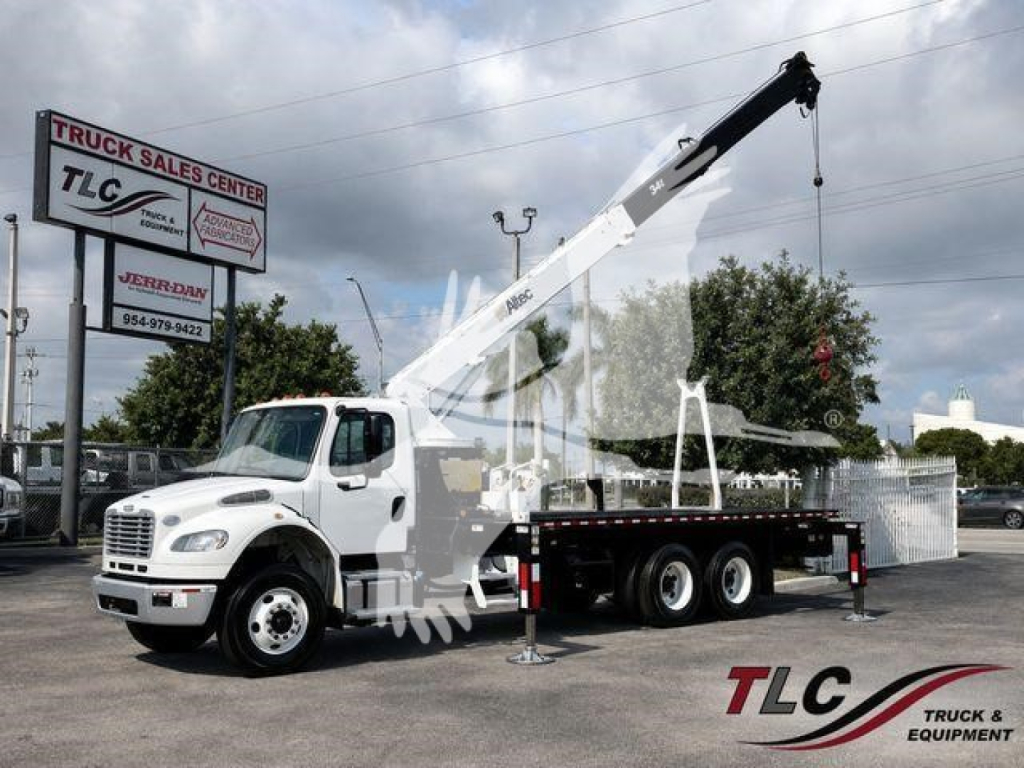
A good used equipment purchase is usually the one that matches reach, lifting ability, storage, and roadability to the work mix without carrying more truck than the job requires. For crane and service applications, that means comparing working height, platform height, winch rating, bed length, axle ratings, and outrigger footprint against the sites you service most often. Units built by Altec, Terex, Versalift, and similar vocational manufacturers are common because parts networks, operator familiarity, and body serviceability remain important long after the original sale. Buyers who focus on inspection history, job fit, and chassis serviceability typically end up with equipment that stays productive instead of sitting for repairs.
Frequently Asked Questions about Used Equipment in Florida
What should I check first when buying used crane or utility equipment in Florida?
Start with the inspection and service history for both the chassis and the mounted equipment. On crane, digger derrick, and bucket units, key items include PTO operation, hydraulic leaks, outrigger function, boom wear, pin and bushing condition, winch operation, and any required dielectric test records for insulated equipment. In Florida, salt air and humidity can create corrosion issues on electrical connections, hardware, and underbody components, so cosmetic appearance alone is not enough.
Is a 26,000 GVWR used unit better than a heavier truck?
A 26,000 GVWR truck is often attractive because it can be configured as non-CDL in many applications, which can simplify hiring and routing. The tradeoff is reduced payload, body capacity, and sometimes lower mounted equipment capacity compared with 33,000 GVWR-class or heavier units. The better choice depends on whether your work prioritizes staffing flexibility and lighter urban access or greater lifting performance and storage capacity.
What is the difference between platform height, working height, and reach?
Platform height is the height of the bucket floor from the ground, while working height is the approximate height an operator can reach above the platform. Reach usually refers to horizontal side reach from the centerline of the truck or turret, depending on manufacturer terminology. Buyers should compare all three measurements because two units with similar advertised heights can perform very differently once positioned on a real jobsite with setbacks, poles, fences, or shoulder limitations.
Why does boom type matter so much on used equipment?
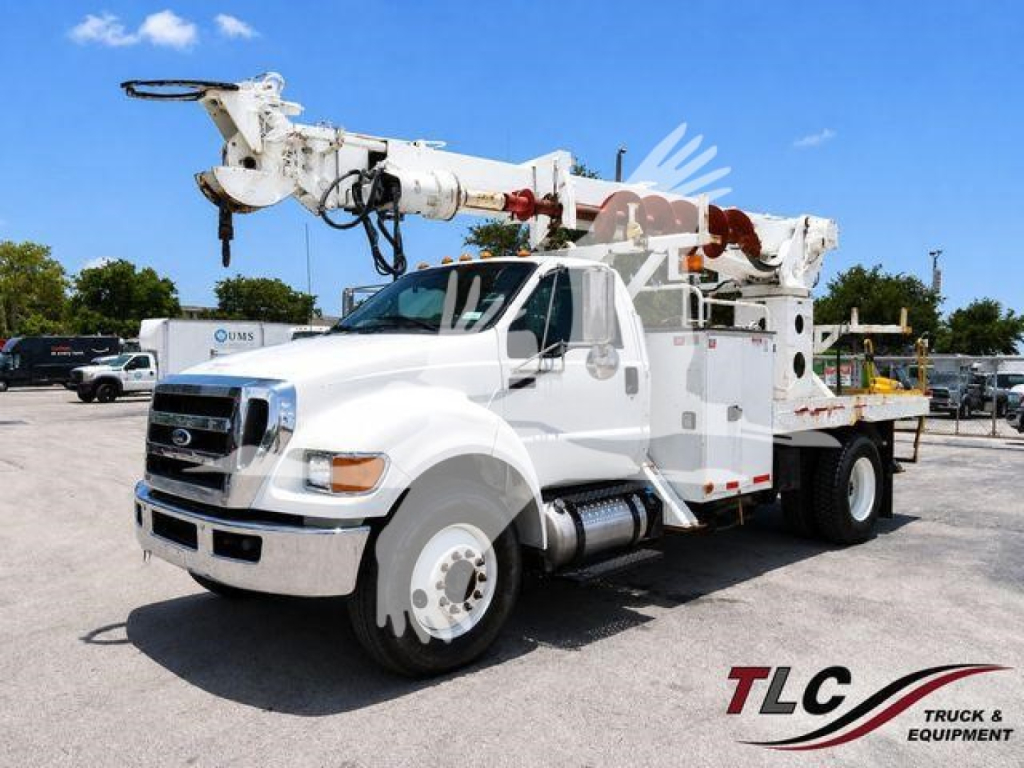
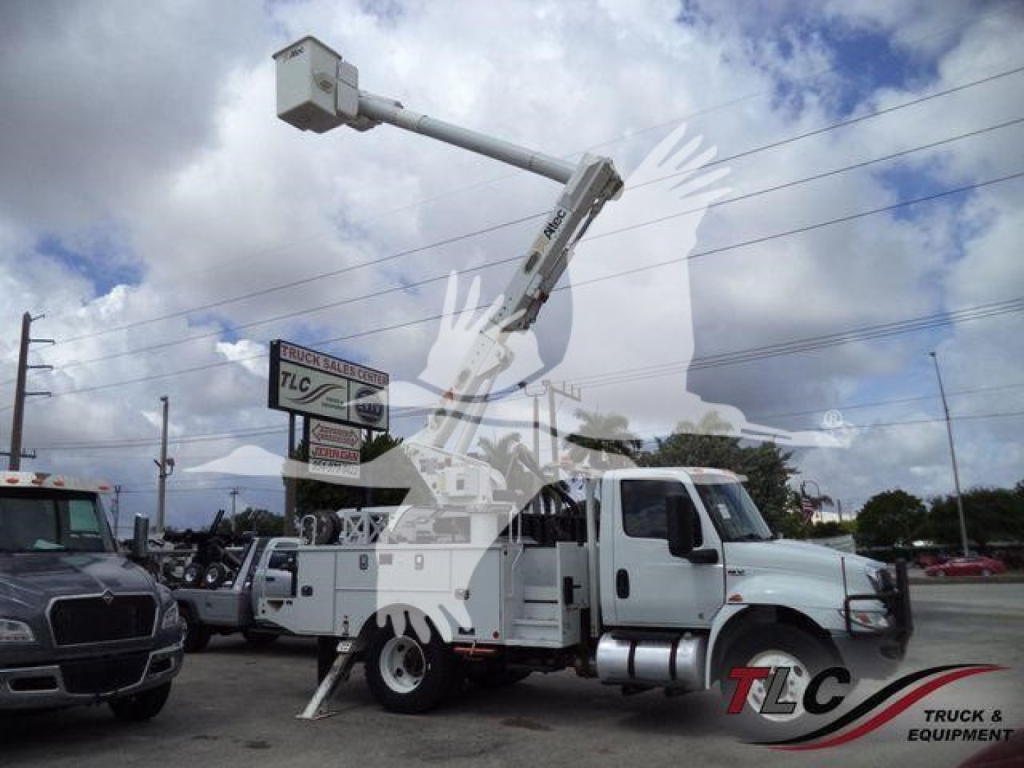
Boom design determines how the machine works in the field. A one-person articulated bucket is suited to service work, sign access, and tighter positioning, while a material handling bucket adds winch capability for lifting components into place. A digger derrick is built for pole setting and auger work, with very different lifting geometry and structural demands. Choosing the wrong boom type can leave you short on capacity, reach, or jobsite efficiency even if the truck itself is in good condition.
Are diesel units always the best choice for used vocational equipment?
Not always. Diesel medium-duty chassis are common because they offer strong torque, established service support, and compatibility with heavier mounted equipment. Gas-powered units can still make sense for lighter-duty aerial applications, lower annual mileage, or fleets that want simpler emissions systems. The decision should be based on duty cycle, technician support, idle time, mounted equipment weight, and total operating cost rather than fuel type alone.