
Used Cranes For Sale in Florida
Browse used cranes for sale in Florida, including boom, utility, and material handling crane equipment with common specs, uses, and buying tips.
Selling a used cranes? List your used cranes for sale and reach thousands of commercial buyers.
Used Cranes in Florida
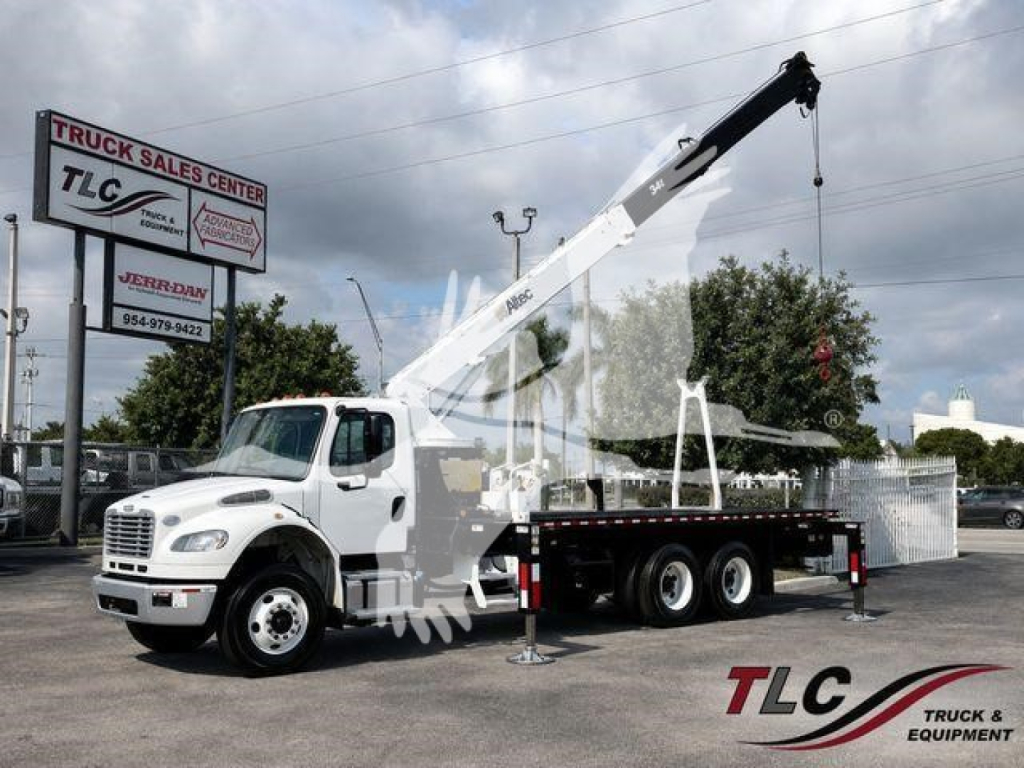
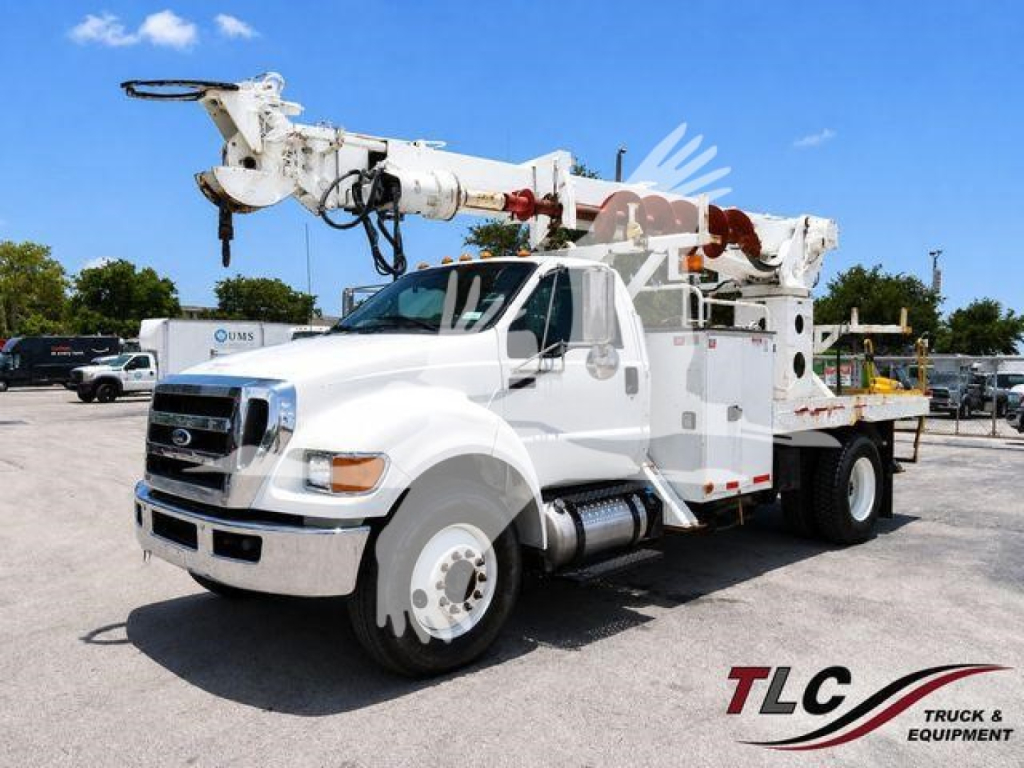
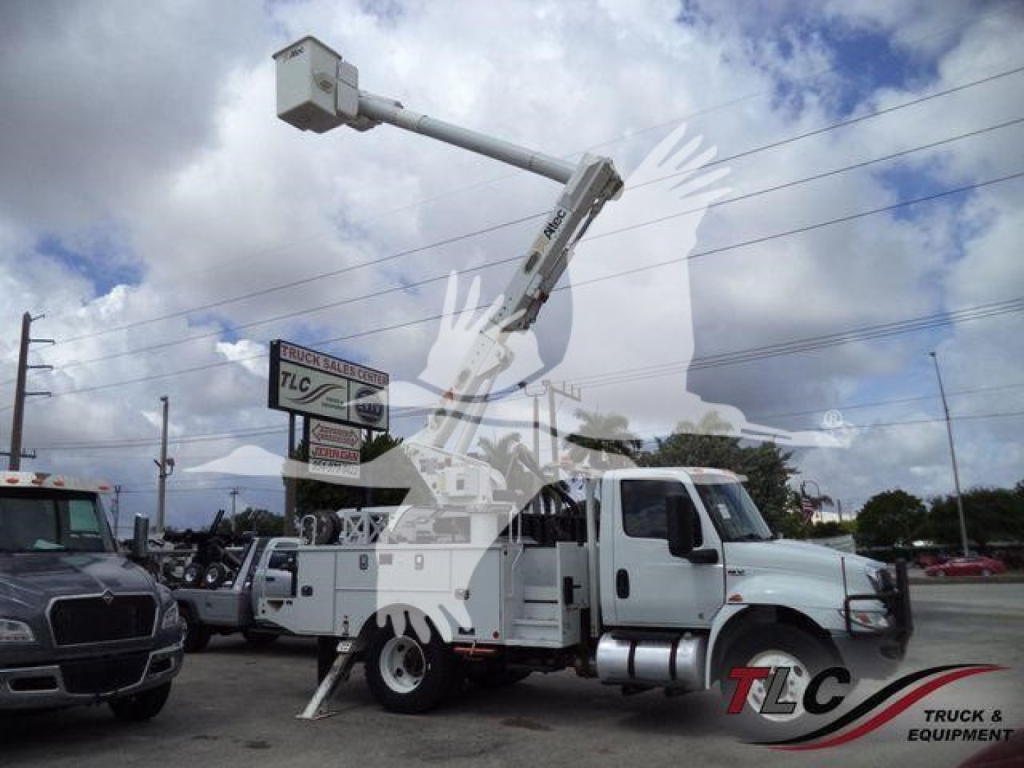
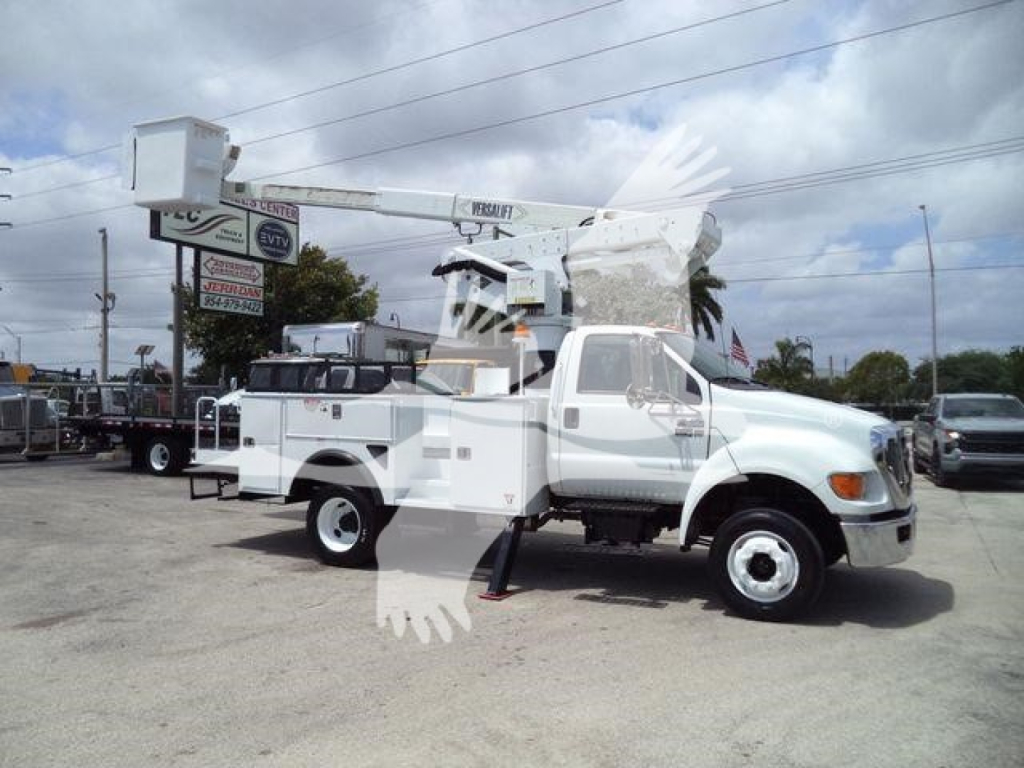
Truck-mounted crane equipment in this size range is often built on medium-duty chassis from Ford, International, Freightliner, Chevrolet, and similar platforms, with diesel or gas engines and automatic transmissions. Many used units are spec'd at 26,000 GVWR for non-CDL operation, while heavier derrick and crane combinations may move into higher GVWR classes. Buyers should pay close attention to PTO operation, outrigger configuration, axle ratings, wheelbase, and body layout. Utility bodies with locking compartments, pintle hitches, pole guides, and tool storage can matter as much as the boom itself if the truck will serve a field crew every day. On crane units with augers or turret winches, maintenance history on hydraulic systems, rotation components, and wear items is especially important.
Florida buyers often prioritize corrosion condition, cooling system health, and overall hydraulic performance because heat, humidity, and coastal exposure can be hard on equipment. A clean southern truck can still have rust at outriggers, body mounts, and boom subframes, so structural inspection matters. On insulated units, dielectric testing records are worth reviewing. On any used crane, it is smart to confirm boom certification status, winch operation, outrigger interlocks, and the condition of hoses, pins, bushings, and sheaves. Engine hours, PTO hours, and chassis miles should all be weighed together because utility equipment may spend long periods operating stationary on the job.
The strongest used crane value usually comes from matching the truck to the actual work cycle. A lighter non-CDL material handling unit can be easier to dispatch for street lighting, sign installation, and general contractor support. A heavier derrick-style setup may justify itself when pole handling, foundation work, or lifting demands are more frequent. Buyers comparing used cranes for sale should look beyond advertised reach and focus on rated capacity at working radius, body configuration, stability from the outrigger package, and serviceability of both chassis and boom components. That approach gives a clearer picture of long-term uptime than lift height alone.
Frequently Asked Questions about Used Cranes in Florida
What types of used cranes are most common in this category?
Common used cranes in this category include truck-mounted material handling booms, utility bucket trucks with winches, digger derricks, and compact service cranes mounted on medium-duty chassis. The right type depends on the work. Utility and telecom applications often use insulated booms with buckets, while pole setting, augering, and heavier lifting are more commonly handled by derrick-style units or dedicated rear-mounted cranes.
What should I check first on a used crane truck?
Start with the boom and hydraulic system, then inspect the chassis. Key items include outrigger function, winch performance, rotation smoothness, hose condition, pins and bushings, sheaves, PTO engagement, and any signs of frame or subframe cracking. On the truck side, review GVWR, axle ratings, brake type, tire condition, and service records. If the crane is insulated, ask for dielectric test documentation and any recent certification records.
Is a 26,000 GVWR crane truck a good choice?
A 26,000 GVWR setup is attractive because it can fall into non-CDL territory in many applications, which can simplify hiring and dispatch. That said, the lower GVWR also limits payload, body options, and sometimes the size of boom and winch package you can carry. Buyers should confirm that the unit's lift capacity, storage, and stability match the job instead of choosing a non-CDL spec on license class alone.
How important are working height and reach on a used crane?
Working height and horizontal reach matter, but they should not be viewed in isolation. A crane's true usefulness comes from its rated lifting capacity at a specific radius, not just its maximum boom height. Two units with similar reach can perform very differently once load charts, outrigger spread, and chassis stability are considered. For utility and contractor work, reach, platform height, and winch rating should all be evaluated together.
What matters most for used cranes in Florida?
Florida conditions make corrosion, heat-related wear, and hydraulic condition especially important. Coastal exposure can affect outriggers, body mounts, wiring, and boom structures even on equipment that looks clean at first glance. Buyers should inspect for rust in structural areas, confirm cooling system condition, and test all hydraulic functions under load if possible. Sun exposure and humidity can also accelerate wear in seals, hoses, and electrical components.