
Cranes For Sale
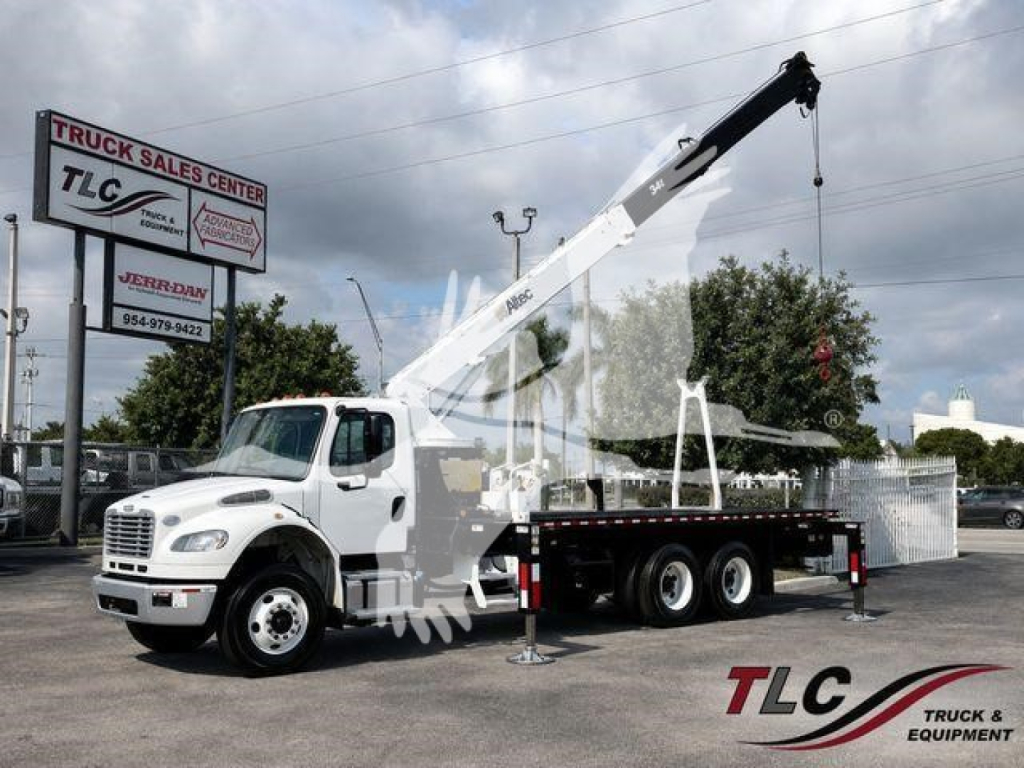
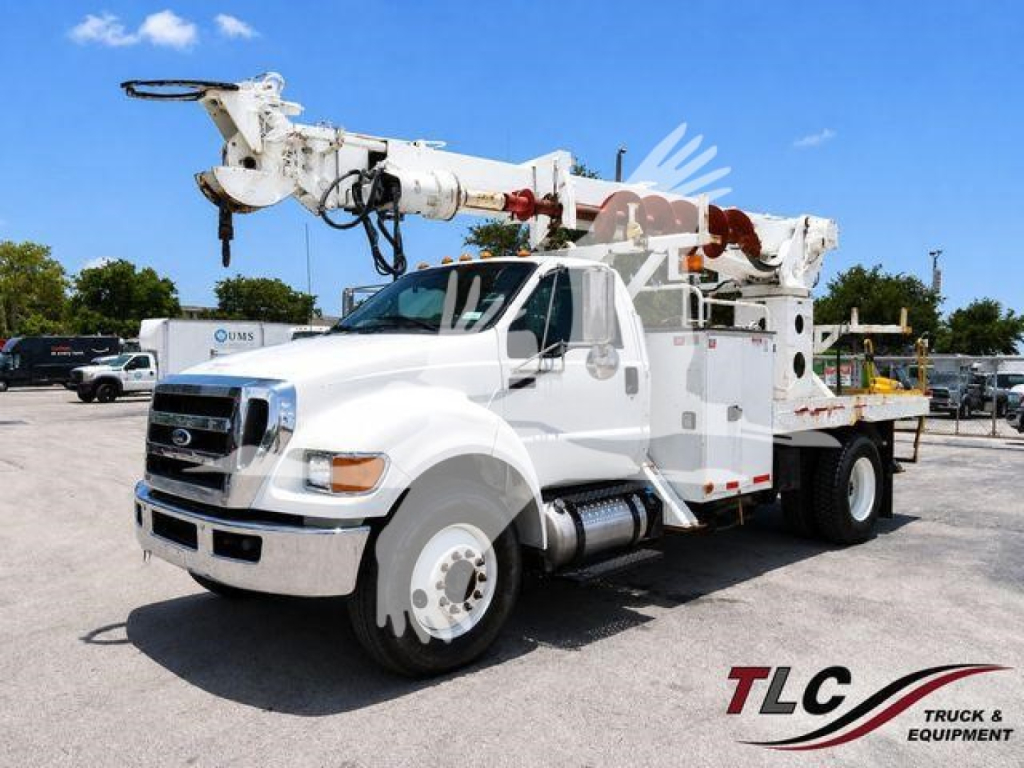
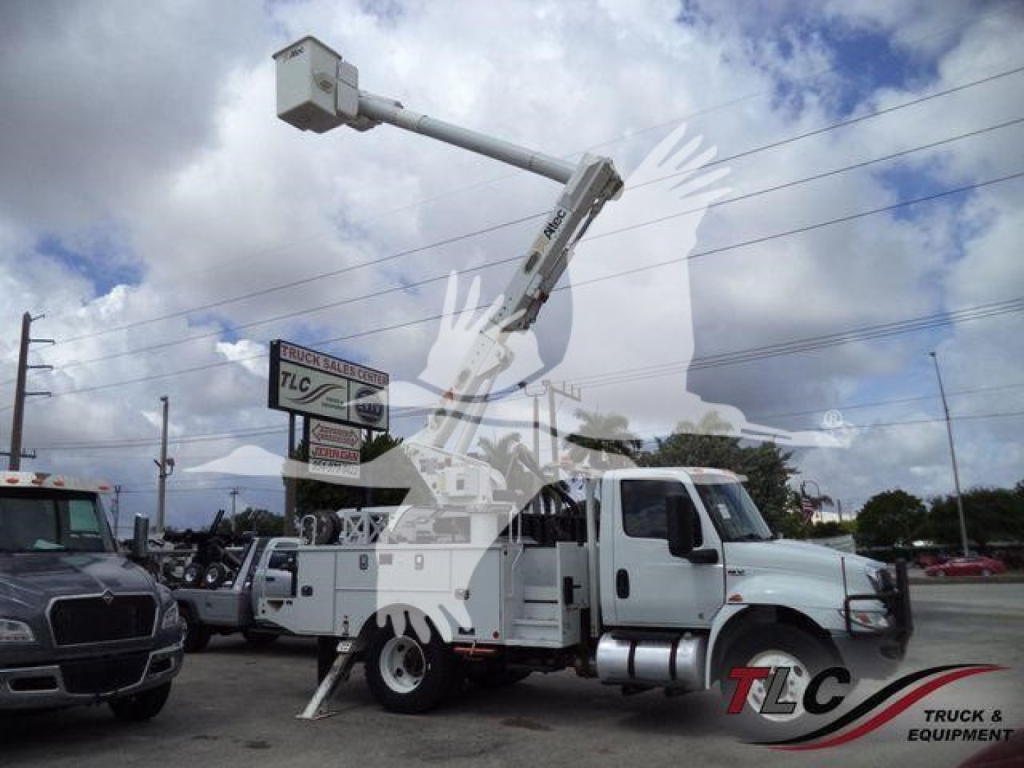
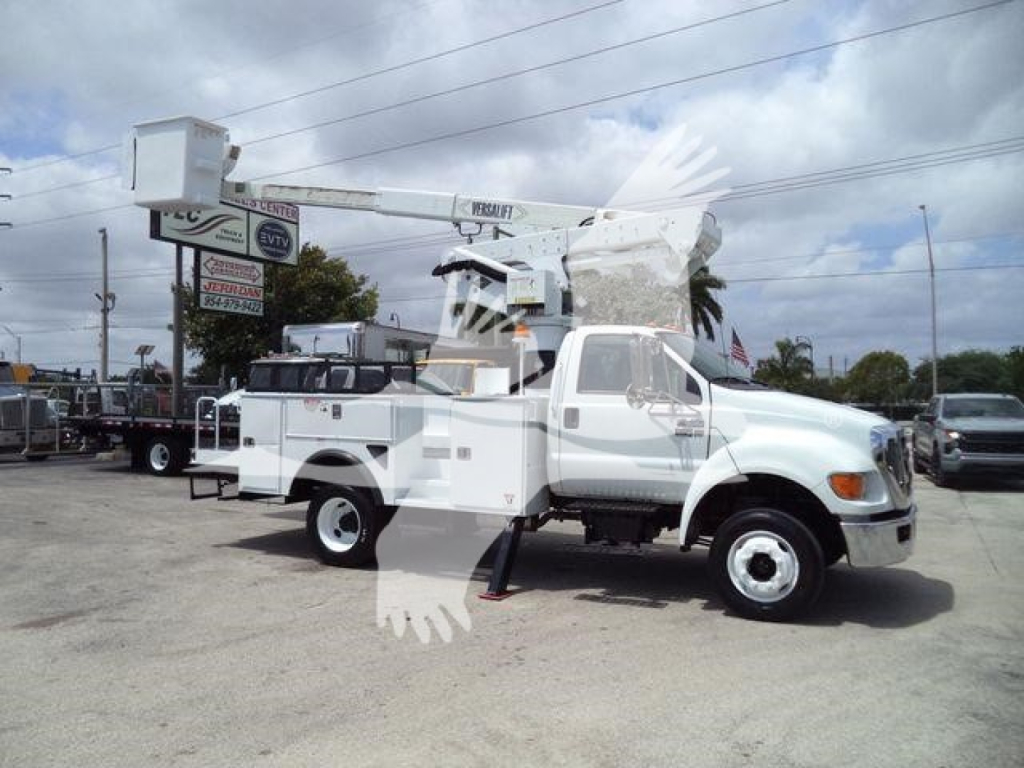
Used cranes for sale, including truck-mounted and rough-terrain units. Compare boom length, lift capacity, reach, hydraulics, and setup needs.
Selling a cranes? List your cranes for sale and reach thousands of commercial buyers.
Cranes
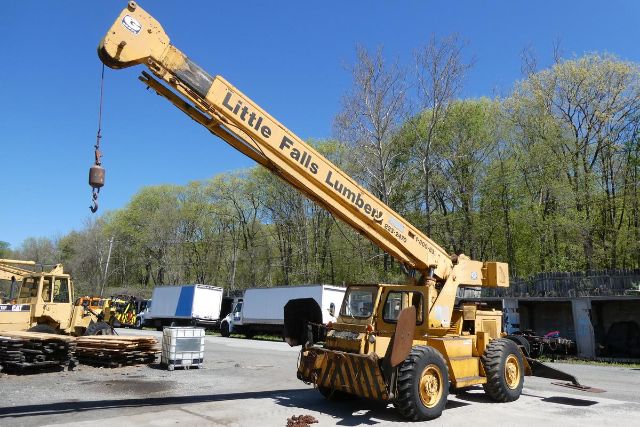
Common specs include telescopic multi-section booms, swing-away or fixed jibs, enclosed operator cabs, and lift ratings that can range from compact 10-ton machines up to much heavier classes. Buyers should pay close attention to boom retraction and extension ranges, outrigger setup, steering configuration, tire type, and transport dimensions. Older cranes can still be productive assets, but condition is everything. Check for seepage at lift cylinders, turntable wear, boom cable condition, sheave wear, brake function, tire age, and signs of structural repair or rust. Hour meter readings help, but maintenance records, load chart availability, and evidence of proper inspections usually tell you more about real value than hours alone.
Application should drive the purchase. A compact yard crane or carry deck crane is useful in plants, lumber yards, equipment yards, and tight industrial spaces where short wheelbase maneuverability matters. A larger rough-terrain or crane truck is better suited for heavier picks, longer boom work, and jobsites with uneven surfaces. Transport and compliance also matter. Width, overall height, axle loading, and the need for permits can affect where and how the crane can move between jobs. If the unit will support a trucking operation, also consider how easily it can be serviced, how available replacement parts are, and whether operators are already familiar with the control layout and load chart style.
A good crane purchase balances rated capacity with real-world productivity. Buyers often focus on the maximum ton rating, but most daily lifts are governed by radius, boom angle, and setup conditions. A machine with the right reach, stable outriggers, clean hydraulics, and a usable jib can outperform a larger crane that is expensive to move or limited by condition issues. For used cranes especially, it pays to evaluate operational smoothness, cold-start behavior, steering response, and how well the boom telescopes and swings under load. Those details have a direct impact on uptime, operator confidence, and safe lifting performance.
Frequently Asked Questions about Cranes
What should I look at first when buying a used crane?
Start with the load chart, boom condition, and hydraulic system. The load chart tells you what the crane can safely lift at specific boom lengths and radiuses, which is more important than the headline ton rating. Inspect lift cylinders, hoses, the turntable, outriggers, boom sections, cables, sheaves, and any jib attachments for leaks, wear, or damage. Functional brakes, steering, and tire condition also matter because many older cranes lose value quickly when basic systems need major repair.
What is the difference between maximum lift capacity and real working capacity?
Maximum lift capacity is the crane's top rating under ideal conditions, usually at a short radius and favorable boom position. Real working capacity is what the machine can handle at the reach and height required on your actual jobs. As radius increases, allowable capacity drops, sometimes significantly. That is why buyers should match the crane's load chart to the loads they lift most often rather than shopping by ton rating alone.
Are older cranes still worth buying for fleet or yard use?
Yes, if condition, parts support, and application line up. Many older Grove and similar machines remain useful for yard handling, maintenance lifting, and lower-hour industrial work. The key is to verify structural integrity, hydraulic performance, steering and brake function, and the availability of service information and replacement parts. An older crane with a clean boom, sound turntable, and documented upkeep can be a better value than a newer machine with neglected maintenance.
How important are boom length and jib options on a crane?
They are critical because reach determines how much of the jobsite the crane can cover without repositioning. A telescopic boom with the right retracted and extended lengths helps with both close-in picks and longer-radius lifts. A fixed or swing-away jib adds tip height and extra reach for lighter loads, which can be useful for setting equipment, materials, or structural components. Buyers should compare boom and jib configuration against the actual height and radius requirements of their work.
Do transport size and machine weight matter when comparing cranes?
Yes. Overall width, height, length, and operating weight affect how easily the crane can be moved between jobs, what trailer or route may be needed, and whether permits apply. Heavier units can offer more stability and capacity, but they may also increase hauling cost and limit access to tighter sites. For operations that move cranes frequently, transport dimensions and axle loading are practical buying factors, not just paperwork details.