
Cranes For Sale in Florida
Browse cranes for sale in Florida, including boom, utility, and material handling units with key specs buyers compare for lifting work.
Selling a cranes? List your cranes for sale and reach thousands of commercial buyers.
Cranes in Florida
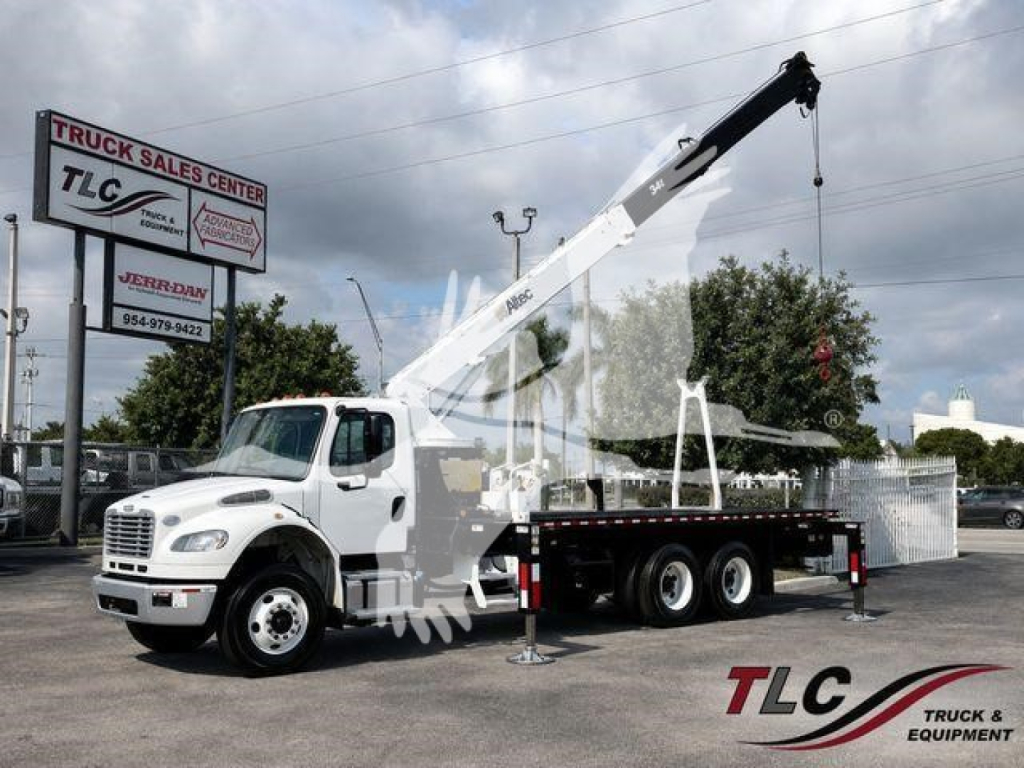
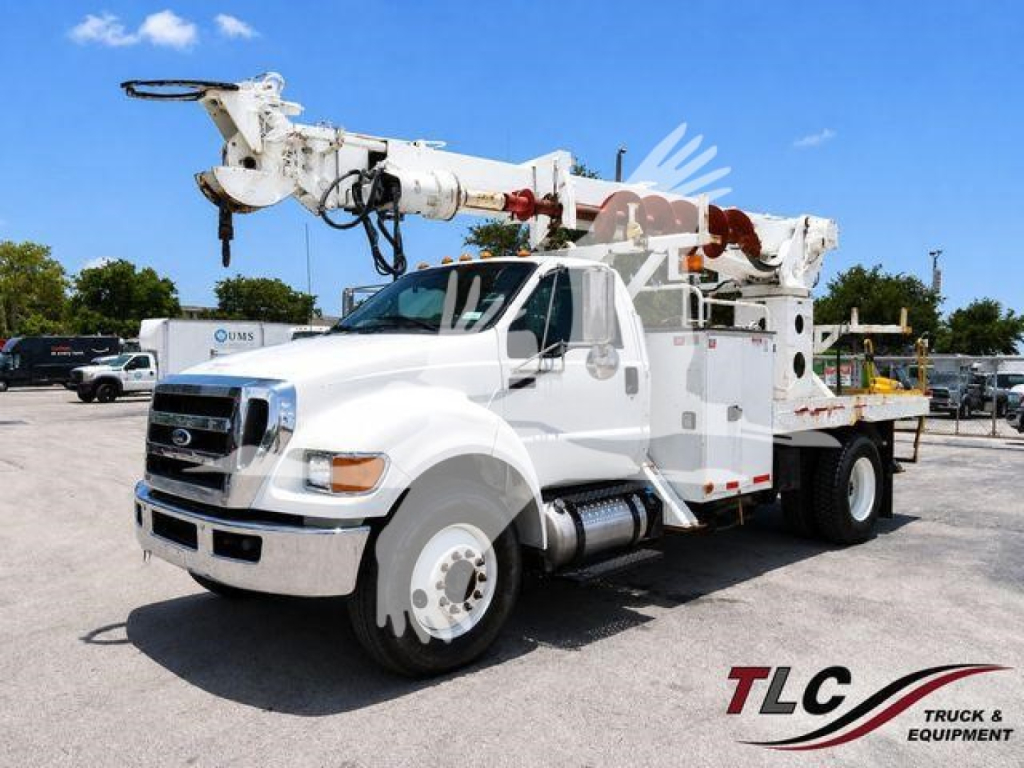
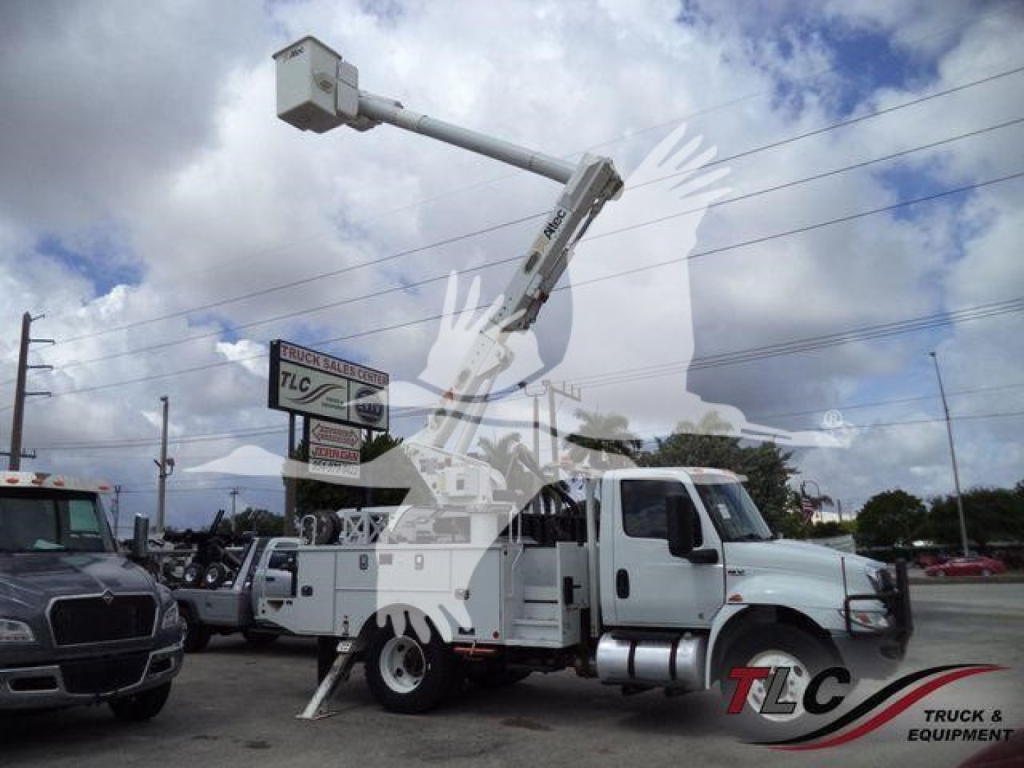
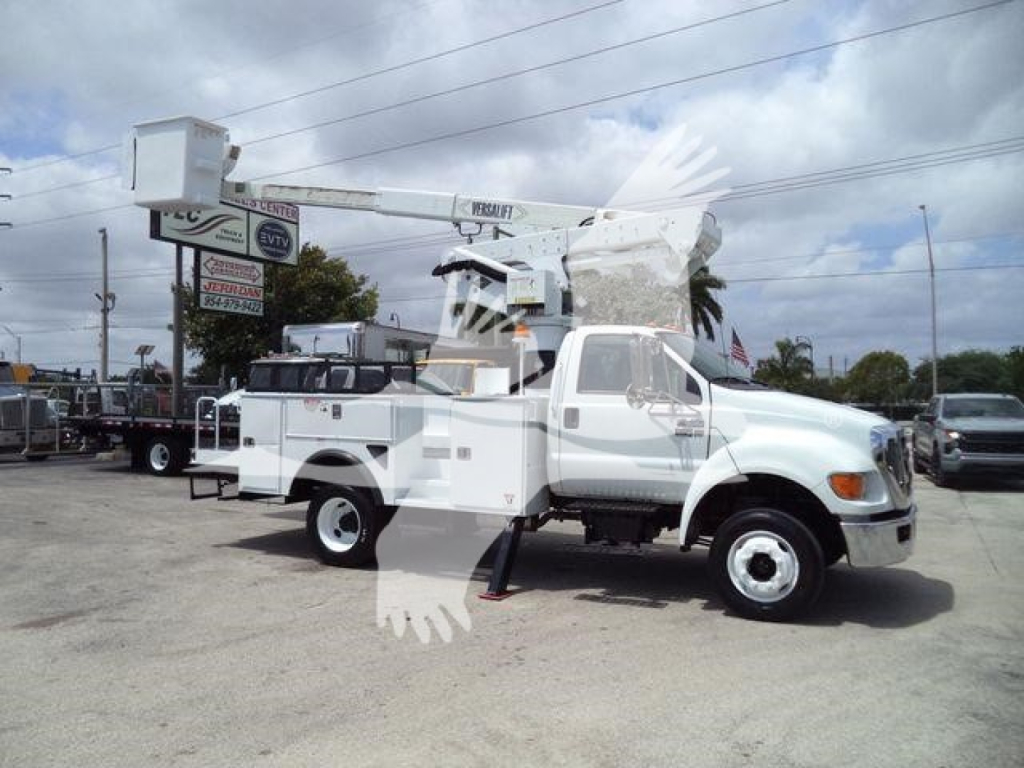
Many cranes in this category ride on medium-duty truck chassis with diesel or gas engines, PTO-driven hydraulic systems, and automatic transmissions. In Florida, non-CDL 26,000 GVWR setups draw attention because they can fit municipal, contractor, and service fleets trying to control driver requirements. Common configurations include insulated bucket and material handling combinations, one-person articulated booms, and rear-mounted turret winches on utility bodies with locking compartments. Outrigger style matters more than many buyers expect. A-frame outriggers, rear outriggers, and broader stabilizer footprints directly affect setup flexibility, roadside work, and lifting confidence on uneven jobsites.
Spec sheets should be read carefully because crane listings often reference several different measurements. Platform height, working height, and boom reach are not interchangeable. Winch rating also needs context, since the usable lifting capacity changes with boom angle, radius, and outrigger deployment. On utility and telecom units, insulation rating, jib or material handling capability, tool storage, pole guides, auger equipment, and body condition can be just as important as the truck itself. For Florida buyers, corrosion exposure, hydraulic hose condition, and signs of salt-air wear deserve a close look, especially on coastal fleet units.
A strong crane purchase usually comes down to matching the machine to the daily work cycle. Tight urban service work may favor a compact wheelbase and quick setup. Pole work and utility construction often push buyers toward digger derrick-style equipment with higher sheave height, auger options, and heavier front and rear axle ratings. General maintenance fleets may prioritize simple PTO hydraulics, automatic transmissions, air brakes, and easy parts support from Altec, Terex, Versalift, and similar manufacturers. When comparing cranes for sale, buyers typically get the best long-term value by balancing lift performance, stability, operator access, chassis serviceability, and compliance requirements for the job the unit will actually perform.
Frequently Asked Questions about Cranes in Florida
What should I compare first when shopping for cranes for sale?
Start with the actual work the crane will perform. Working height, horizontal reach, sheave height, winch capacity, boom style, and outrigger configuration usually matter more than make or paint condition. A utility material handler, a bucket-boom combination, and a digger derrick can all be listed as crane equipment, but they are designed for very different lifting and access tasks.
What is the difference between working height, platform height, and reach on a crane listing?
These measurements describe different functions and should not be treated as the same spec. Platform height usually refers to the bucket floor height on aerial units, while working height is a broader estimate that includes operator reach above the platform. Horizontal reach measures how far the boom can extend outward from the truck. On lifting units, sheave height and load chart capacity are often more important than a general working height figure.
Are non-CDL crane trucks common in this category?
Yes, many truck-mounted crane and utility units are built on 26,000 GVWR chassis to stay within non-CDL limits, although local rules, endorsements, and company policies still need to be checked. These setups are popular with electrical contractors, sign crews, lighting service companies, and municipalities because they can simplify staffing while still providing useful lifting and access capability.
Why are outriggers so important on truck-mounted cranes?
Outriggers are critical because they stabilize the truck and directly affect usable lifting performance and safe setup. A-frame outriggers, rear outriggers, and wider stabilizer spreads can improve confidence and capacity, especially during roadside work or on uneven ground. Buyers should inspect outrigger structure, cylinder condition, pads, controls, and signs of frame stress or poor repair.
What matters most for buyers in Florida?
Florida buyers should pay close attention to corrosion, hydraulic condition, and how the unit handles heat and moisture exposure over time. Coastal operation can accelerate rust on bodies, compartments, outriggers, and boom components, while sun and humidity can shorten the life of hoses, seals, and electrical connections. A clean inspection of the hydraulic system, boom structure, and utility body is especially important on southern and coastal units.