
Used 2011 Equipment For Sale in New York
Browse used 2011 trucking equipment in New York, including trailers, trucks, forklifts, loaders, and support equipment for fleet and yard work.

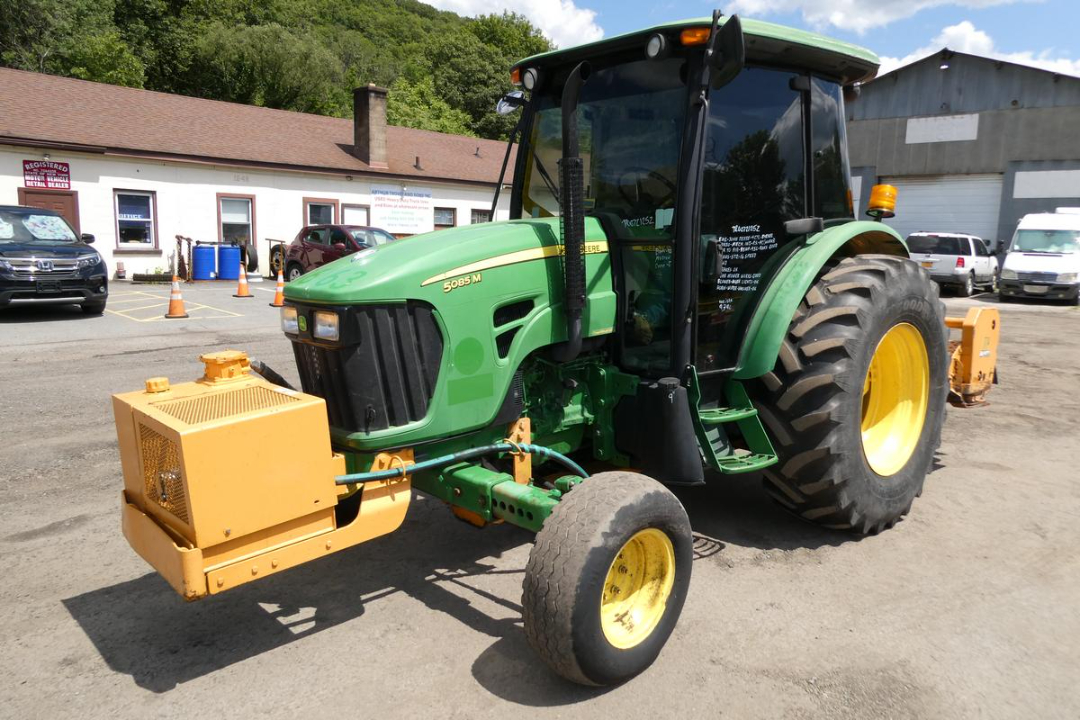
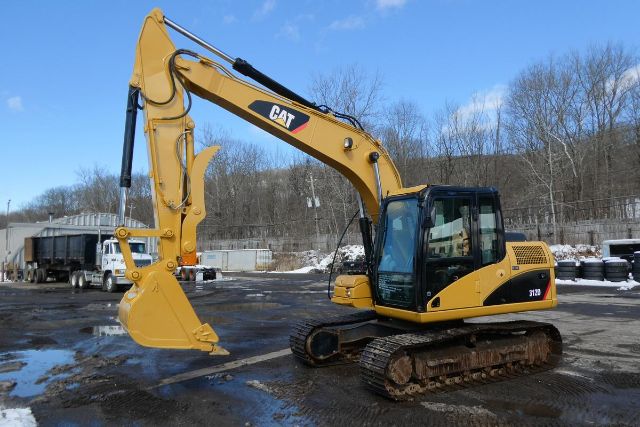
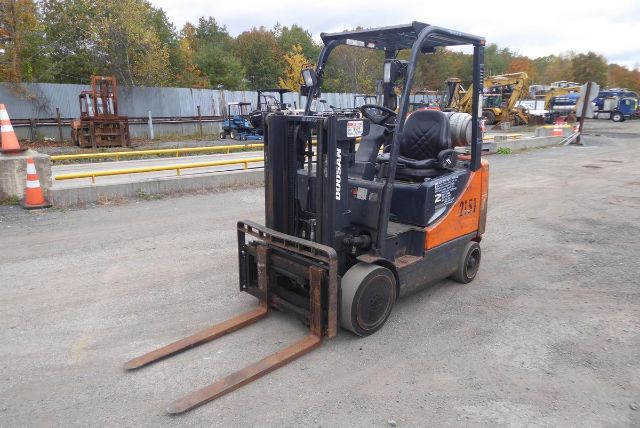
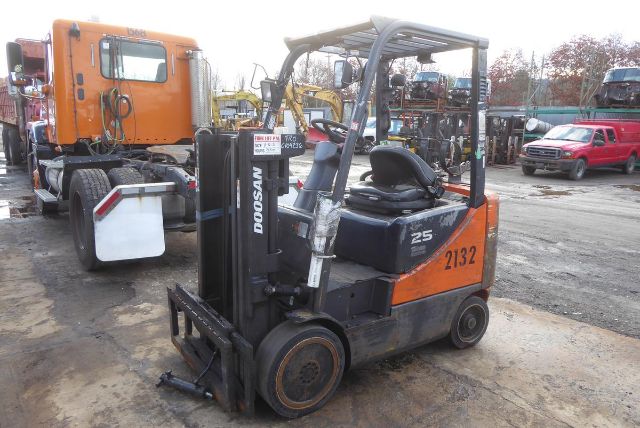
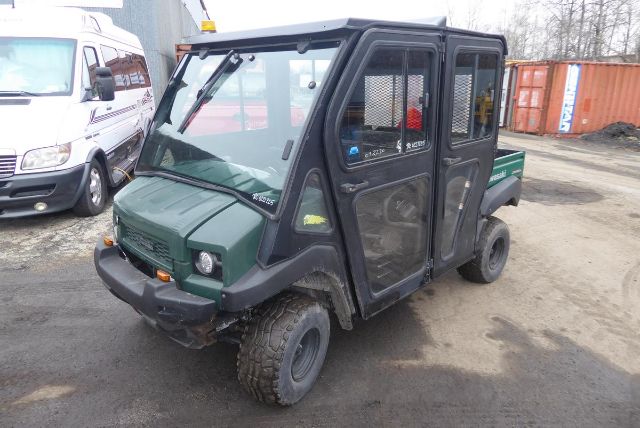
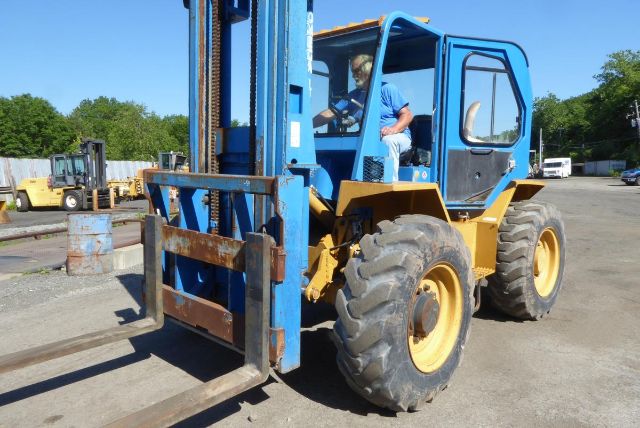
Selling a used 2011 equipment? List your used 2011 equipment for sale and reach thousands of commercial buyers.
Used 2011 Equipment in New York
For New York buyers, regional use matters. Equipment that has spent time in the Northeast should be checked closely for frame corrosion, cab rust, brake line condition, electrical repairs, and wear related to road salt and freeze-thaw cycles. On material-handling units such as forklifts, pay attention to mast channels, carriage wear, lift chains, tilt cylinders, side shift function, steer axle play, and tire type. Pneumatic tire forklifts are better suited to yards, rougher pavement, and outdoor loading areas, while cushion or solid tire units are common in warehouse and dock environments. On heavier support machines, buyers typically look at hydraulic response, articulation or steering looseness, transmission engagement, cooling system condition, and attachment compatibility.
Specs vary widely across used trucking equipment, but the same buying logic applies across categories. Capacity ratings, lift height, wheelbase, overall width, and turning radius affect where the unit can actually work. Engine type also matters. Propane forklifts remain common for mixed indoor and outdoor use, diesel units usually fit heavier outdoor work, and automatic transmissions are standard on many yard and handling machines for easier operator training. If the equipment will support a trucking operation, details such as fork length, hydraulic fork positioners, quick couplers, enclosed cabs, heater and AC operation, and tire condition can have a direct effect on loading speed and labor efficiency.
A good used 2011 unit should be evaluated on total cost to put it to work, not just purchase price. That means checking hour-meter credibility, cold-start behavior, leak points, brake performance, charging or starting system health, and any signs of deferred maintenance. Buyers in New York often place extra value on clean structural condition, documented repairs, and equipment that can move straight into service without immediate tire, hydraulic, or undercarriage expense. When comparing listings in this category, focus on job fit, remaining service life, and how easily the equipment can be supported with local parts and technicians.
Frequently Asked Questions about Used 2011 Equipment in New York
What types of equipment are included under used 2011 trucking equipment?
Used 2011 trucking equipment is a broad category that can include highway trucks, trailers, forklifts, wheel loaders, yard support units, and other machinery used to move freight or handle cargo. The exact equipment mix varies by seller, so buyers should focus on the intended role of the machine. Some units are built for over-the-road hauling, while others are strictly for warehouse, dock, terminal, or yard support. The best comparison point is not just model year, but how the equipment fits the operation.
Is a 2011 model year still a good value for commercial equipment?
A 2011 model year can still be a strong value if the equipment has been maintained properly and the remaining service life matches the workload. Many 2011 machines offer durable, proven platforms with established parts networks and repair familiarity. The key is condition, not age alone. Service records, structural integrity, operating hours, hydraulic performance, engine health, and tire condition will tell you more about value than the calendar year by itself.
What should New York buyers inspect first on used trucking equipment?
New York buyers should inspect rust, corrosion, and weather-related wear early in the evaluation process. Road salt exposure can affect frames, brake and fuel lines, wiring, battery boxes, steps, mast components, and underbody hardware. On forklifts and yard equipment, check hydraulic cylinders, carriage wear, steer axle movement, and solid or pneumatic tire condition. On road-going equipment, look closely at suspension mounts, crossmembers, air system condition, and signs of repeated winter-use repairs.
How do I compare forklifts and support equipment in this category?
Start with rated capacity, lift height, mast type, and the surface the machine will run on. A lighter propane forklift used around docks and warehouses is a different purchase from a high-capacity diesel pneumatic forklift intended for outdoor trailer loading or heavy freight handling. Buyers should also compare fork length, side shift or fork positioner functions, cab configuration, overall machine width, and the availability of local service support. Those details affect throughput, operator comfort, and safety more than brand alone.
What matters most when comparing used 2011 equipment listings?
The most important factors are application fit, mechanical condition, and expected reconditioning cost. A lower-priced unit can quickly become more expensive if it needs tires, mast work, hydraulic resealing, brake repairs, or electrical troubleshooting before it can be used. Buyers should compare hours, maintenance history, visible leaks, cold-start behavior, structural condition, and any listed operational issues. The right purchase is usually the machine that can be placed into service with the least downtime and the most predictable ownership cost.